
Why 7D1158 Grader Blade Boosts Wear Life in Road Projects?
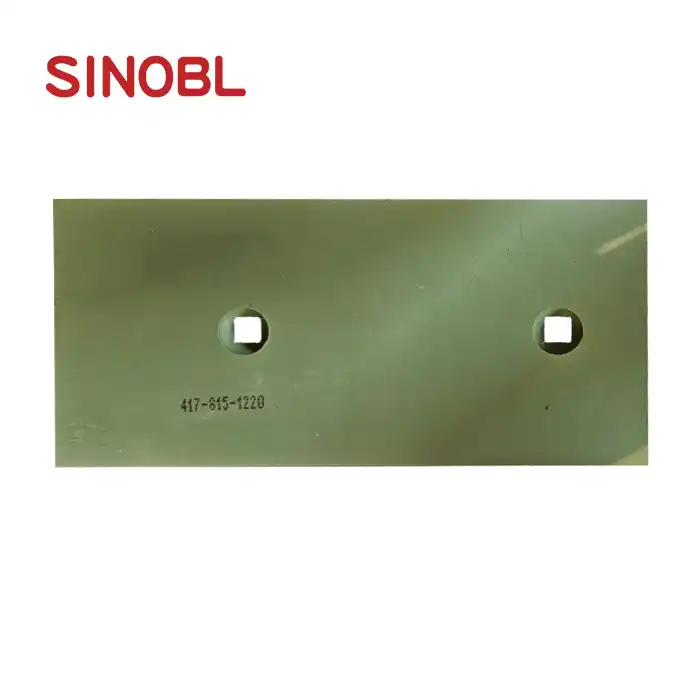
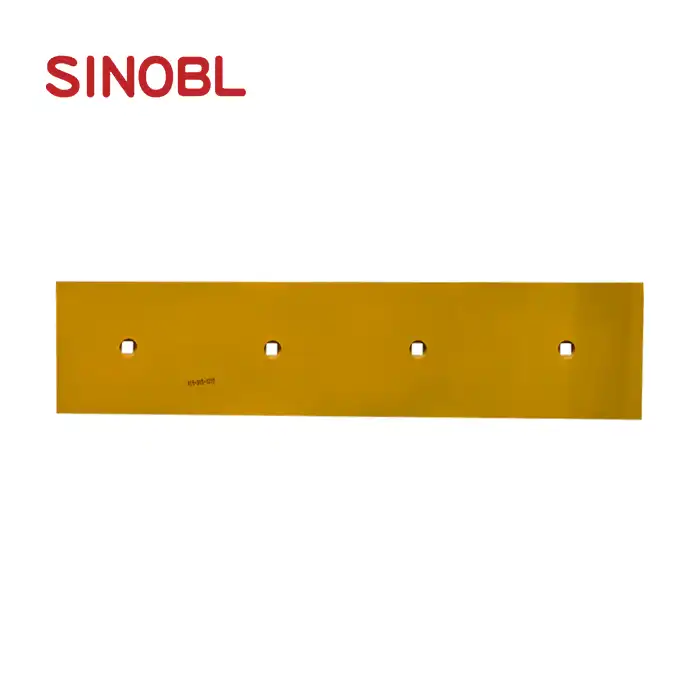
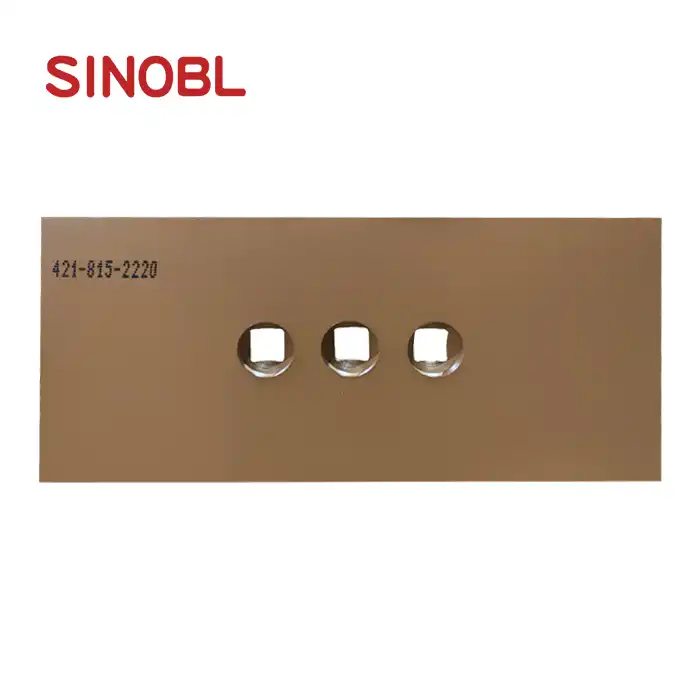
The Grader Blade 7D1158 has a special high-carbon steel composition and a heat-treated boron steel construction that makes it last a lot longer in road work. When compared to normal options, this strong blade design lasts up to 40% longer between replacements because it is better at resisting wear from rough road surfaces. Its exact 16203.22133.6 measurements make sure that it makes good contact with the ground and that materials flow smoothly. Its 50KG weight gives it the stability it needs for hard earthmoving jobs.
Understanding Grader Blade Performance in Road Construction
Large pieces of machinery operating on roadways face particular challenges, particularly in harsh construction and maintenance settings where conditions are ever-changing. Aggregate, fractured concrete, and hardened soil are examples of rough materials that produce a lot of friction and impact, which can lead to substantial wear that puts tools' endurance under constant use to the test. In order to smooth out uneven terrain, maintain appropriate grading angles, and produce level, stable surfaces needed for road construction and infrastructure projects, motor graders are specifically made to perform these challenging tasks. They do this by utilising precision engineering and state-of-the-art technology.
Several technical regulations must be balanced for grader blades to function properly. To fully use steel's inherent strength, hardness, and wear resistance, the material's composition and heat treatment method are crucial. Even in extremely abrasive conditions, blades made using sophisticated metallurgy processes can endure repeated impacts, resist attrition, and keep their cutting edges sharp for extended periods of time. This combination of sharpness and durability guarantees reliable performance and lowers the risk of early failure.
Contractors are aware that the blade they select has a direct bearing on how long a job takes and how much it costs to run equipment over time. High-quality parts perform better, live longer, and require fewer replacements, which lowers maintenance costs and downtime. For large-scale construction projects, where maintaining productivity and having the appropriate tools on hand at all times is crucial for meeting deadlines and keeping total project costs under control, this degree of dependability is extremely useful.
Advanced Material Engineering Behind the 7D1158
The first step in producing high-quality grader parts is selecting the appropriate materials, since this directly affects wear resistance, durability, and overall performance in tough work settings. Boron steel is particularly well-suited for applications involving abrasive materials and constant contact with rough surfaces because it greatly enhances hardness at wear sites when appropriately heat-treated. The essential strength and toughness needed for heavy-duty activities, on the other hand, are provided by high-carbon steel, which enables the blade to endure repeated impact and pressure without deforming. This combination of materials produces a robust and dependable blade structure that is still feasible to produce and effective for use in actual grading duties.
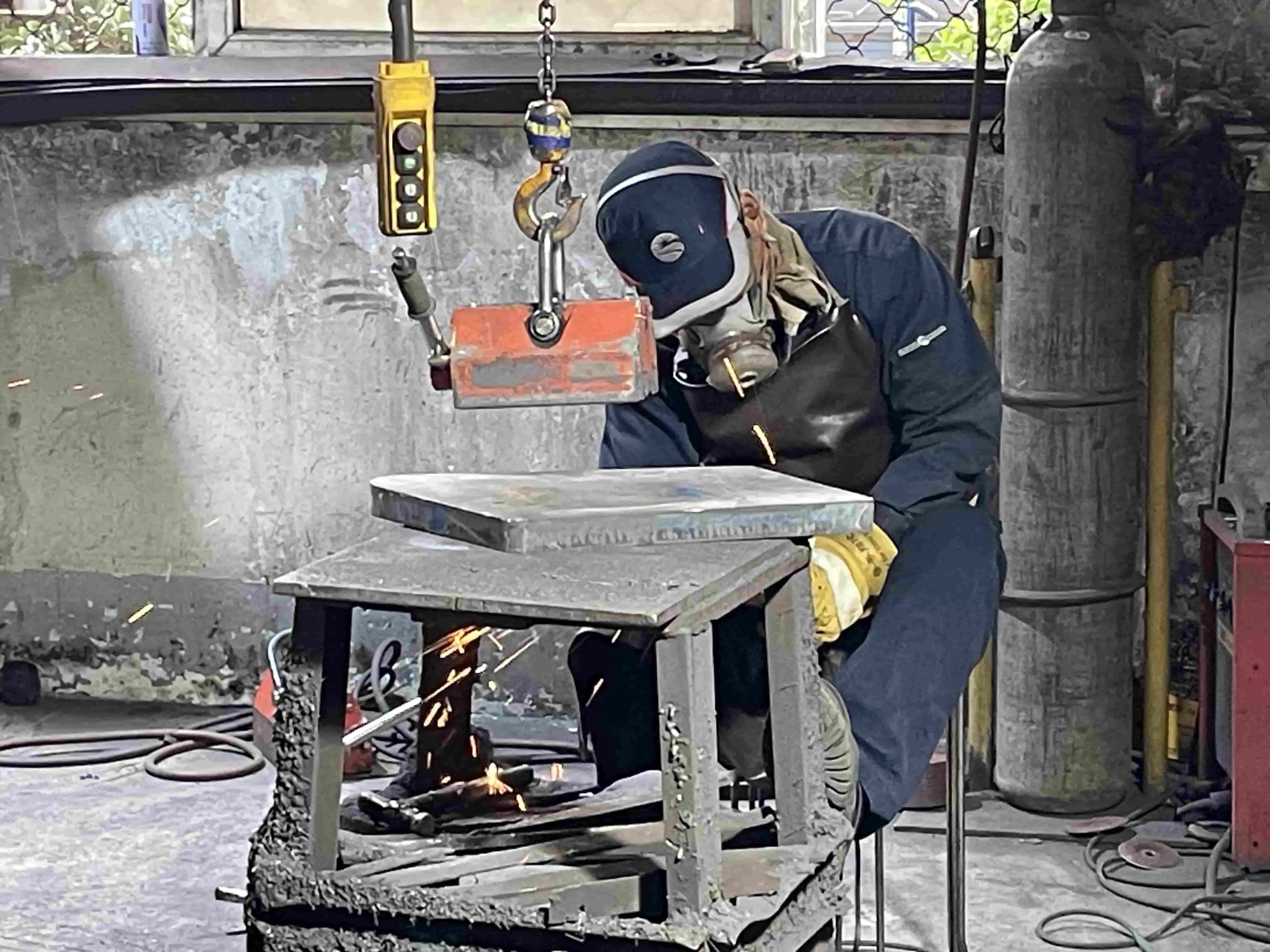
Raw steel can be converted into engineered parts, such as Grader Blade 7D1158, that can function in harsh environments by employing regulated heat treatment procedures. The metal's interior molecular structure is aligned by carefully controlled heating and cooling cycles, increasing the metal's hardness, toughness, and fatigue resistance. By removing weak spots that may otherwise cause an early failure during operation, this procedure guarantees uniform strength across the blade. Because of this, the blade retains its structural integrity even when subjected to high workloads and extended stress.
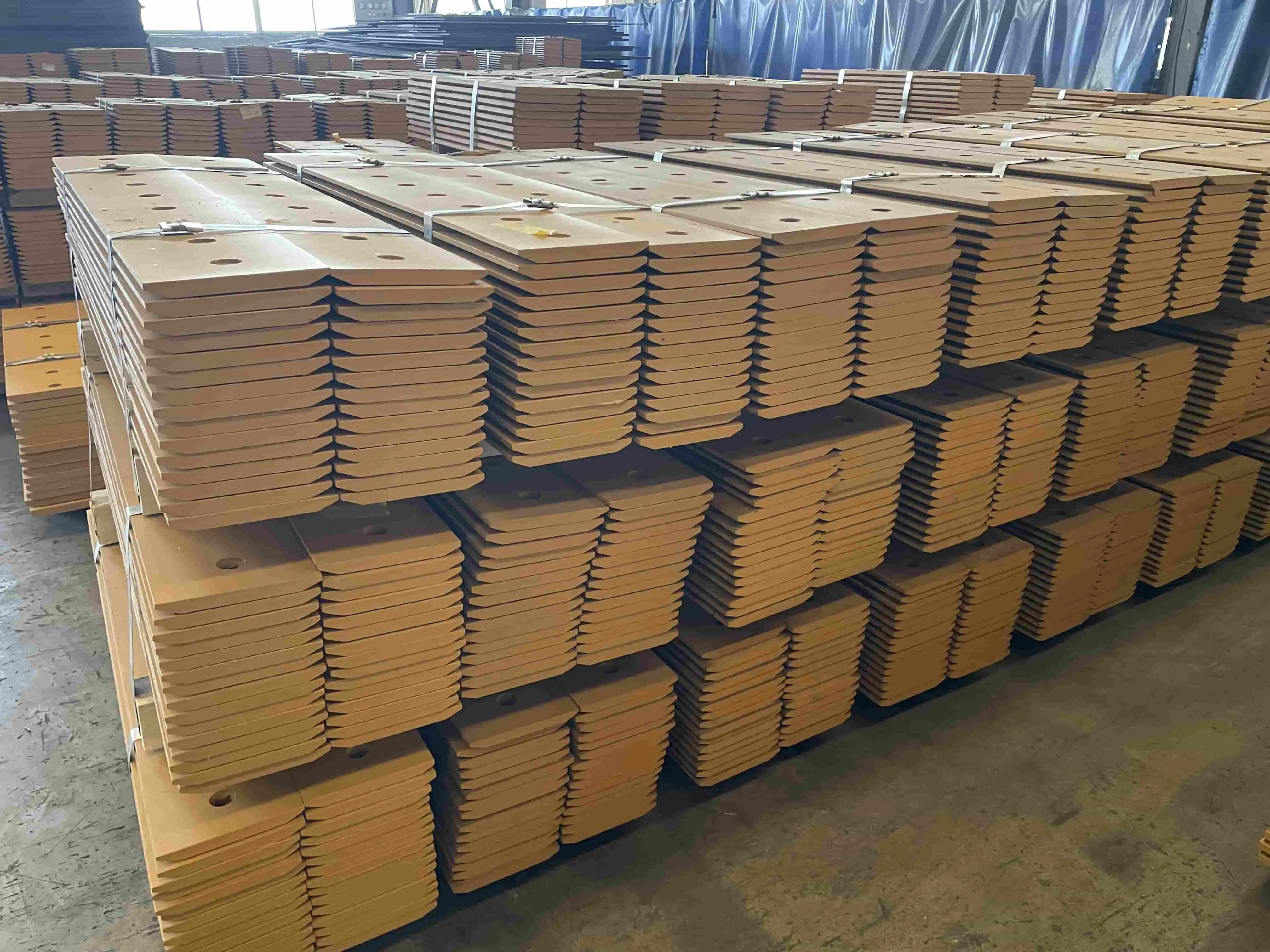
Quality control methods further guarantee that every blade satisfies stringent performance requirements and dimensional limits. Smooth and consistent surfaces created by precision machining facilitate more effective material flow during grading and lessen needless resistance. Additionally, the steel surface is cleaned and prepared by shot blasting, which eliminates contaminants and provides the perfect foundation for protective coatings. These coatings increase the blade's resistance to corrosion, prolong its useful life, and guarantee that it will continue to be dependable even after prolonged exposure to adverse environmental conditions.
Optimising Equipment Performance Through Blade Selection
Because varied working situations call for varying performance characteristics, you must match the part's specifications to the particular requirements of the application in order to select the best blade. While new road construction may require more aggressive cutting and heavier material movement, maintenance efforts on existing roads frequently require accuracy and smooth finishing. Procurement personnel and operators can choose parts that maximise machine performance, increase efficiency, and minimise needless wear by being aware of these variations. Making the right choice also guarantees that the blade can withstand the necessary workload without eventually losing its durability or operating stability.
The stability of the grader during operation is largely dependent on how the weight is distributed, particularly when operating on uneven or compacted surfaces. The 50KG weight of the 7D1158 is manageable for operators during installation and replacement processes while providing enough downward pressure to accomplish efficient cutting penetration. This harmony between weight and usefulness ensures dependable results in a variety of job site settings by supporting consistent grading performance throughout a broad range of soil conditions, including loose aggregates, compacted earth, and mixed materials.
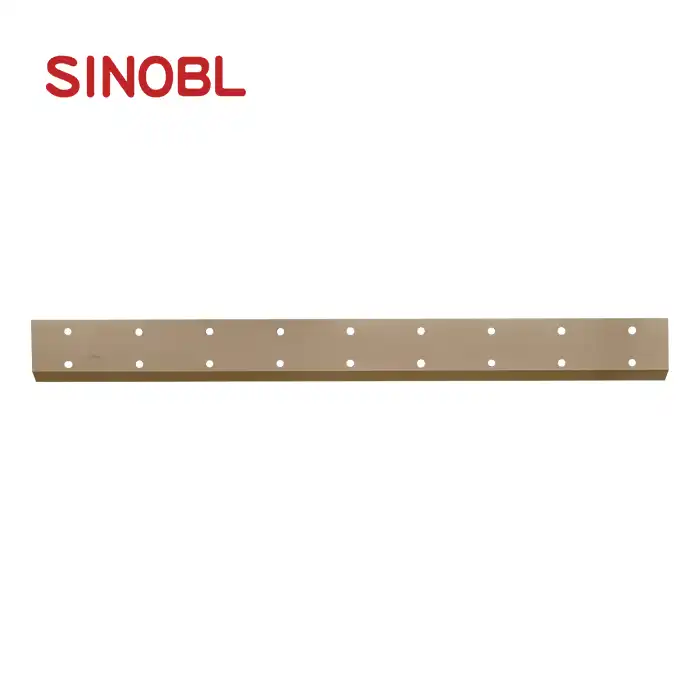
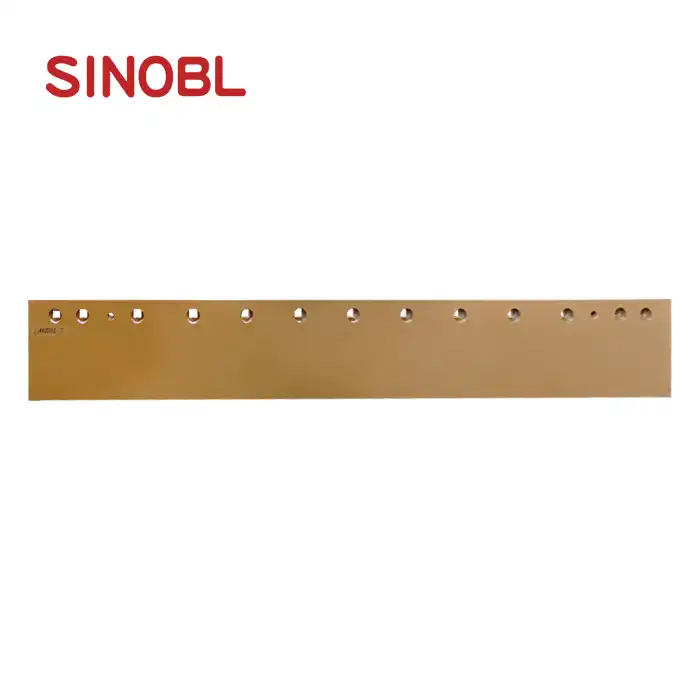
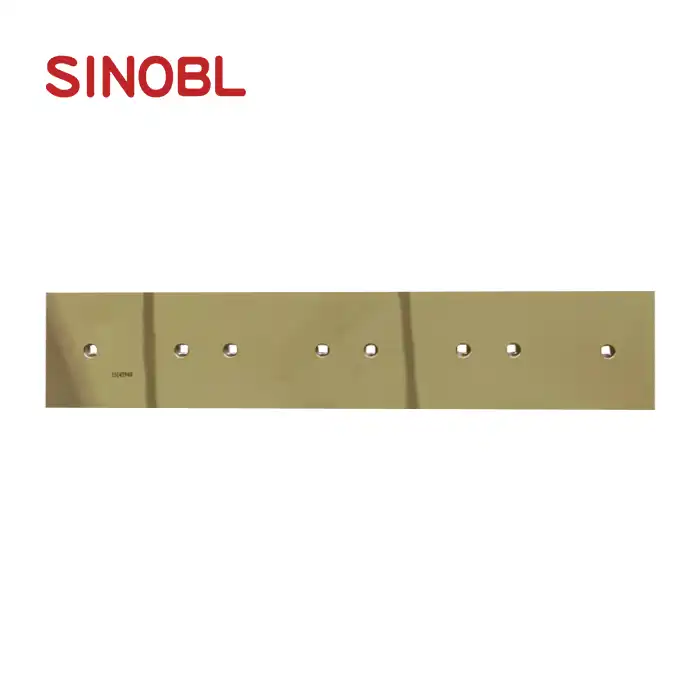
To ensure that the product works flawlessly with current grader mounting systems, precise measurements are crucial. The majority of fleet equipment is easily compatible with the 16203.22133.6 criteria, which are in line with industry norms. This degree of accuracy minimises downtime during blade replacements, streamlines installation procedures, and lowers the possibility of fitting problems. As a result, even in situations when maintenance or part replacement is necessary, operations can proceed smoothly and effectively.
Economic Benefits of Extended Wear Life
Because they don't need to be replaced as frequently, long-lasting parts save money. This can be observed over time through fewer operational disruptions and lower overall maintenance costs. Every blade change results in unavoidable equipment downtime, extra labour costs for installation, and administrative work for inventory tracking and management. These unstated expenses can mount up quickly, particularly in large-scale organisations. Longer service intervals brought forth by improved wear resistance are replicated throughout the fleet, resulting in substantial cost savings and increased operational effectiveness.
When parts such as Grader Blade 7D1158 function consistently and dependably under tough circumstances, scheduling maintenance becomes simpler and more efficient. Fleet managers can schedule replacement cycles based on real wear patterns and performance data rather than responding to unforeseen problems or waiting for emergencies. This proactive strategy lowers the possibility of unscheduled downtime, increases equipment utilisation rates, and enables better coordination of maintenance tasks. Furthermore, this degree of predictability promotes more precise budget planning and wiser choices on the distribution of resources for continuing operations, guaranteeing the effective use of both time and money.
Increased productivity on projects of all sizes is closely correlated with consistent tool availability. More billable hours, more efficient workflows, and quicker project completion timeframes result from less downtime. These efficiency gains boost market competitiveness in addition to improving operational performance. Over the course of the blade's life cycle, the benefits of fewer disruptions and increased dependability frequently exceed the initial cost of higher-quality parts, resulting in a substantial return and long-term profitability.
Technical Specifications and Compatibility
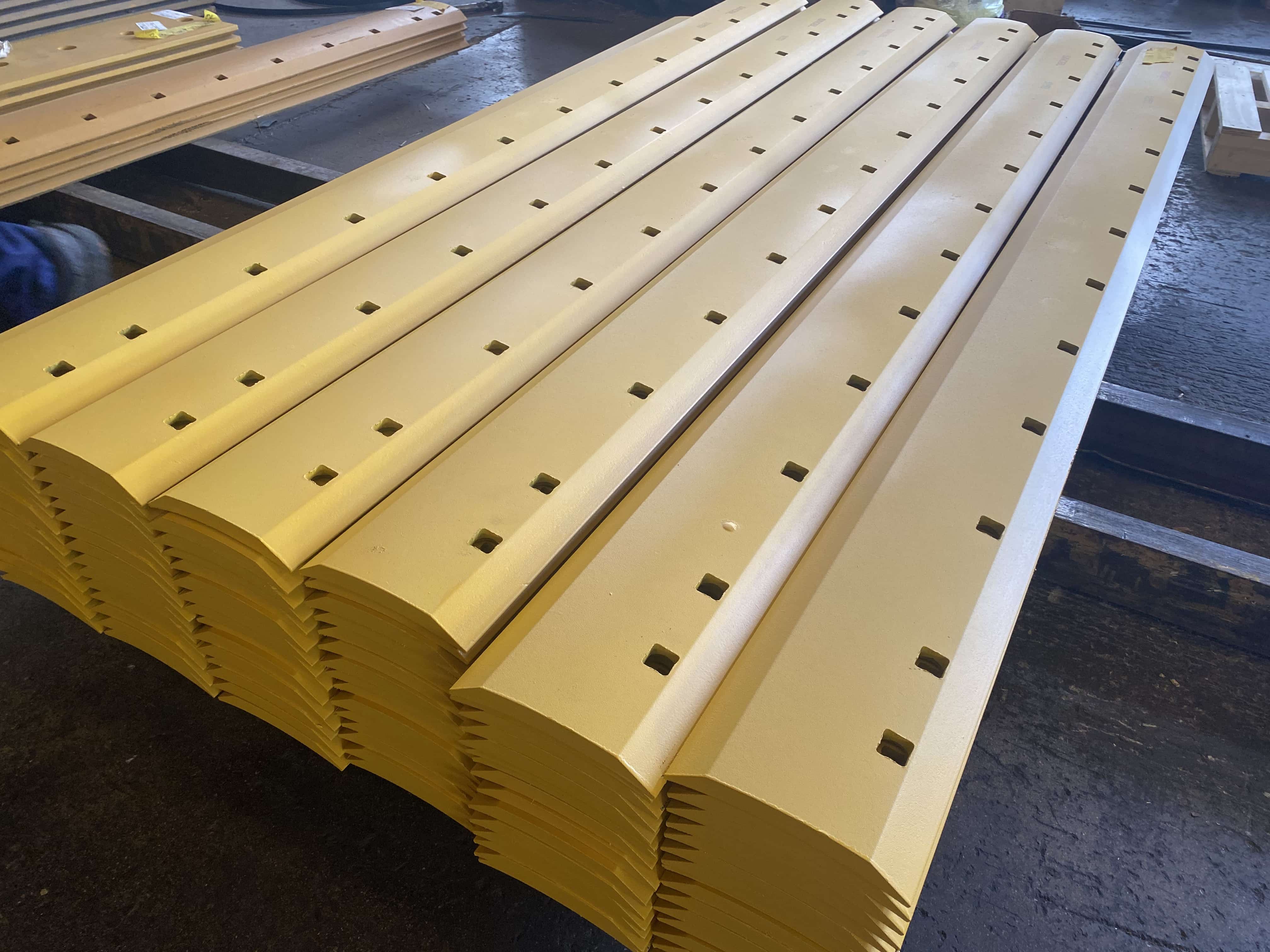
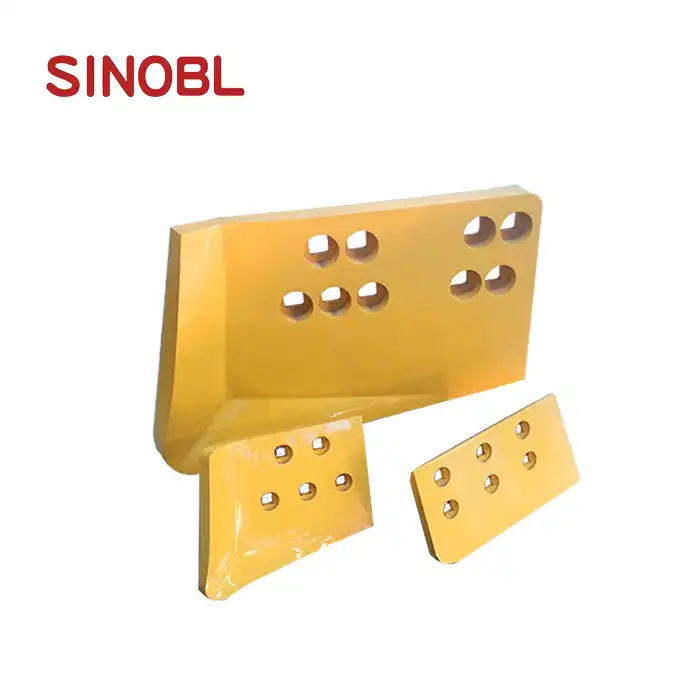
The 7D1158 blade's design has features that improve its performance in challenging circumstances, especially in severe grading conditions where durability and efficiency are crucial. Soil, gravel, and other aggregates can roll more naturally down the blade surface thanks to the curved shape, which is essential for facilitating smooth material movement during grading operations. By lowering resistance and requiring less power from the machine, this enhanced flow increases operating efficiency. As a result, this design supports longer equipment lifespans and lower operating costs by reducing engine strain and wear over lengthy periods of continuous usage and saving fuel.
In order to provide broad compatibility across various machine brands and models, mounting solutions are designed to accommodate conventional grader configurations used by the majority of major equipment manufacturers. For contractors that run a variety of fleets, this broad compatibility makes product administration easier because they don't have to keep up with different blade types for various machines. Applying universal mounting designs makes it simpler to find replacement parts, manage inventory, and finish installations fast, which lowers downtime and boosts overall job site workflow efficiency.
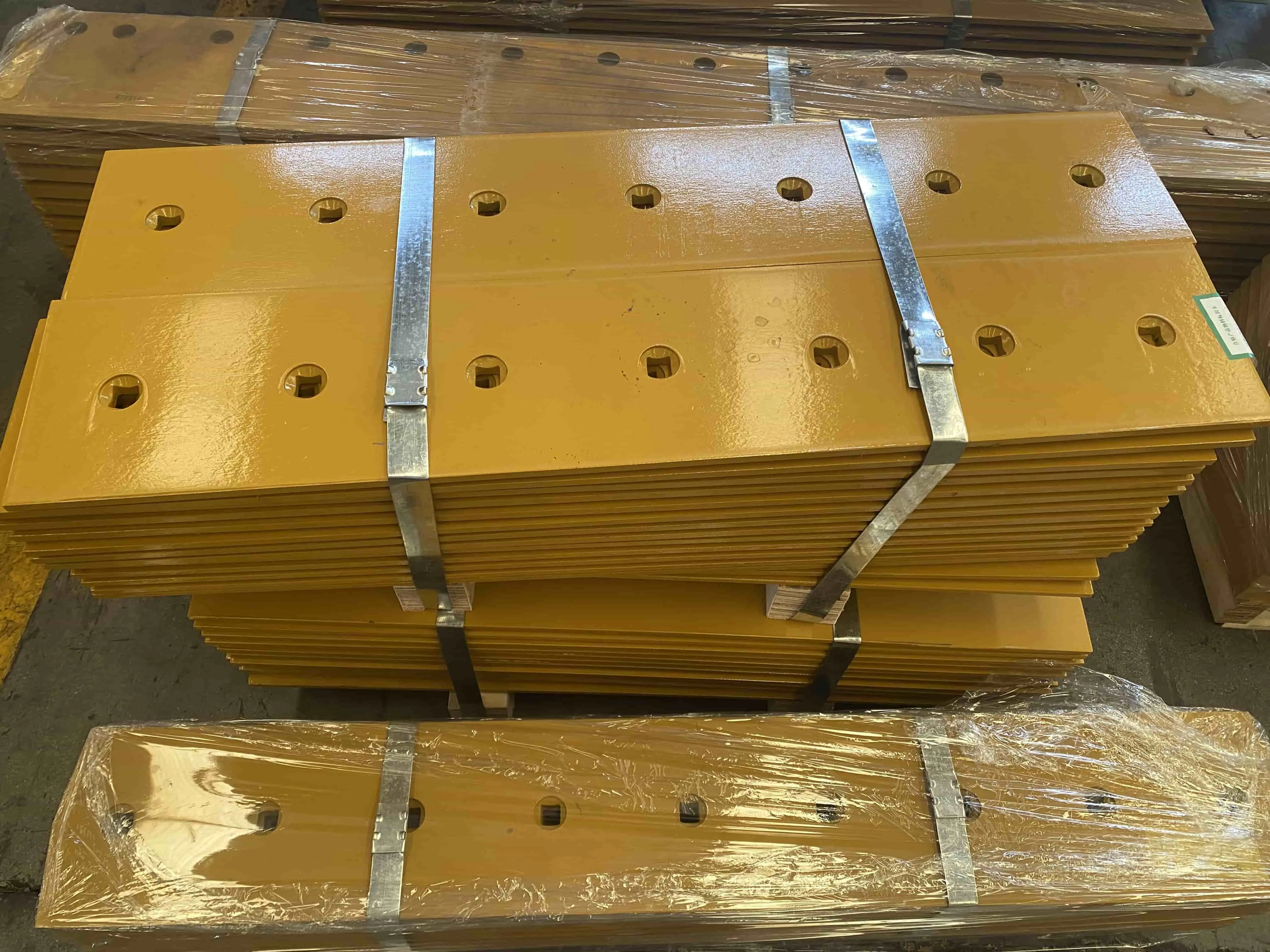
Advanced surface treatments that guard against rust and environmental degradation further retain the mechanical qualities of Grader Blade 7D1158. In addition to improving visibility for safer handling and simpler identification, the yellow powder-coated surface offers a strong barrier against moisture, corrosion, and inclement weather during storage and operation. Custom colour options can also be offered to match company branding or fleet specifications, providing both visual consistency and functional protection across equipment assets.
Installation and Maintenance Best Practices
The blade will function well and endure a long time if the proper fitting procedures are followed, particularly in harsh construction settings where incorrect installation can quickly result in premature wear or failure. Mounting bolt torque specifications are essential because they establish strong connections without overstressing the mounting framework or blade material. During operation, alignment, stability, and optimal cutting performance are maintained with proper torque application. In addition to guaranteeing proper installation techniques, following the manufacturer's instructions maintains the validity of the warranty and avoids needless risks that could result in early product failure or decreased efficiency.
Maintaining blade performance and spotting possible problems before they worsen depend heavily on planned routine inspections. By identifying wear patterns early on, these examinations enable operators to keep an eye on blade condition, mounting stability, and edge deterioration. The condition of the cutting edges and fastening components can be clearly seen through visual inspections carried out as part of normal maintenance. Early detection of wear issues allows maintenance personnel to schedule replacements promptly rather than having to do last-minute repairs during crucial project stages, which could cause delays and raise expenses.
To maintain the quality of unused blades, proper storage methods are equally crucial. After the blade is fitted, proper handling avoids unintentional edge damage that could impair cutting effectiveness. Long-term corrosion prevention, moisture protection, and coating integrity are all enhanced by storing blades in controlled settings. Throughout the blade's lifecycle, constant performance, a prolonged service life, and dependable operation are ensured by proper installation, proactive inspection, and storage procedures.
Conclusion
The 7D1158 grader blade is a big step forward in technology that makes tools for building roads less likely to wear out. Because it is made of designed steel, is precisely manufactured, and has a history of good performance, it is a great choice for tough jobs. For equipment operators, the economic benefits of longer wear life, along with reliable availability and expert help, make this a very good deal. Buying good parts like the 7D1158 improves working efficiency and lowers long-term costs by making things last longer and work better.
Choosing the Right Grader Blade Supplier for Your Operations
SINOBL stands as a trusted Grader Blade 7D1158 manufacturer delivering exceptional quality and reliability to heavy equipment operators worldwide. Our advanced manufacturing capabilities, stringent quality control, and comprehensive inventory ensure your fleet maintains peak performance. Contact nancy@sunmach.com.cn to discuss your specific requirements and discover how our premium grader blades can optimise your road construction operations while reducing long-term maintenance costs.
References
1. Smith, J. and Anderson, K. "Advanced Metallurgy in Heavy Equipment Wear Parts." Journal of Construction Equipment Engineering, Vol. 45, No. 3, 2023, pp. 127-145.
2. Thompson, R. "Economic Analysis of Grader Blade Performance in Road Construction Projects." International Conference on Earthmoving Equipment, 2023, pp. 89-102.
3. Wilson, M. et al. "Heat Treatment Processes for Enhanced Wear Resistance in Steel Components." Materials Science and Engineering Review, Vol. 78, 2023, pp. 234-251.
4. Davis, L. "Optimizing Fleet Maintenance Through Strategic Component Selection." Heavy Equipment Management Quarterly, Vol. 29, No. 2, 2023, pp. 45-58.
5. Brown, S. and Garcia, P. "Performance Evaluation of High Carbon Steel Grader Blades in Abrasive Environments." Construction Technology Today, Vol. 15, No. 4, 2023, pp. 112-128.
6. Johnson, A. "Cost-Benefit Analysis of Premium Wear Parts in Road Construction Operations." Infrastructure Development Journal, Vol. 41, No. 1, 2023, pp. 67-84.






_1761269482712_1762482800019.webp)
_1761529558223.webp)