
7D1577 Grader Blade Applications in Construction Grading
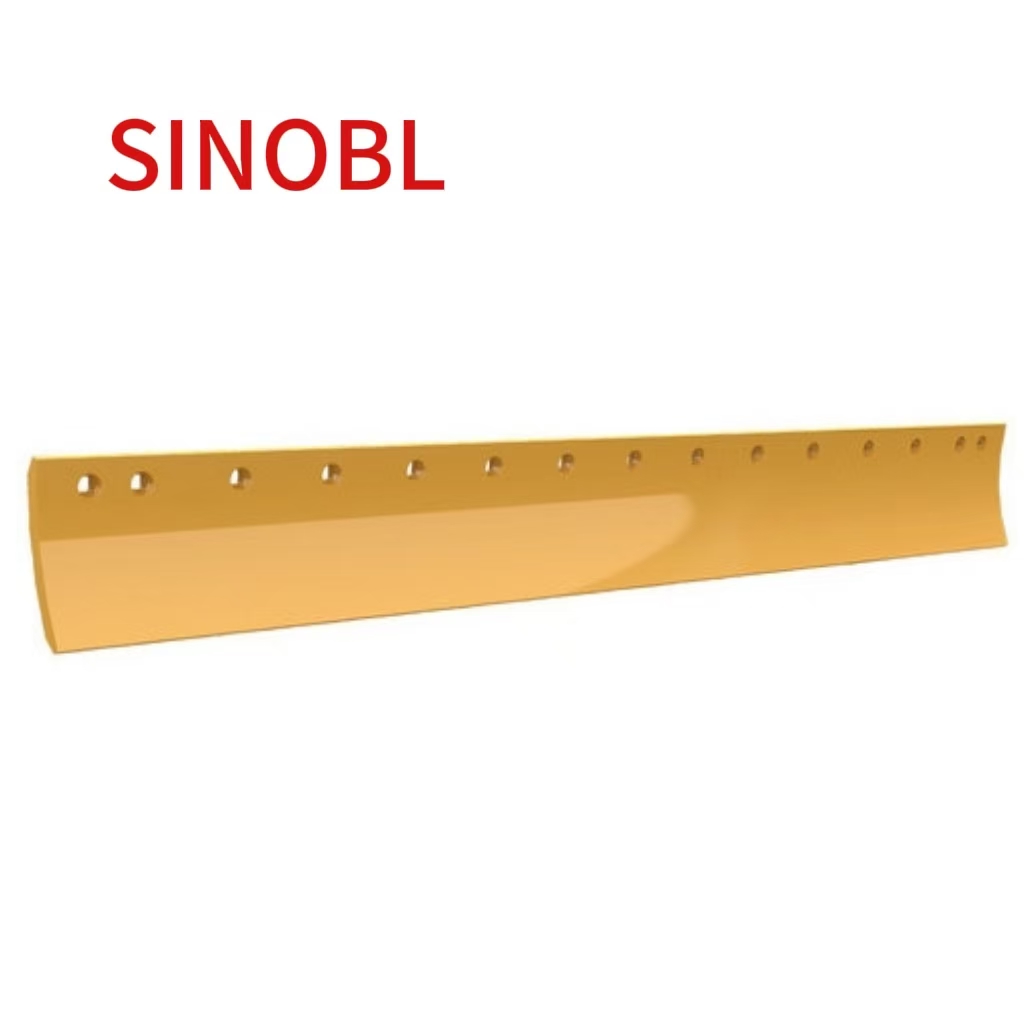
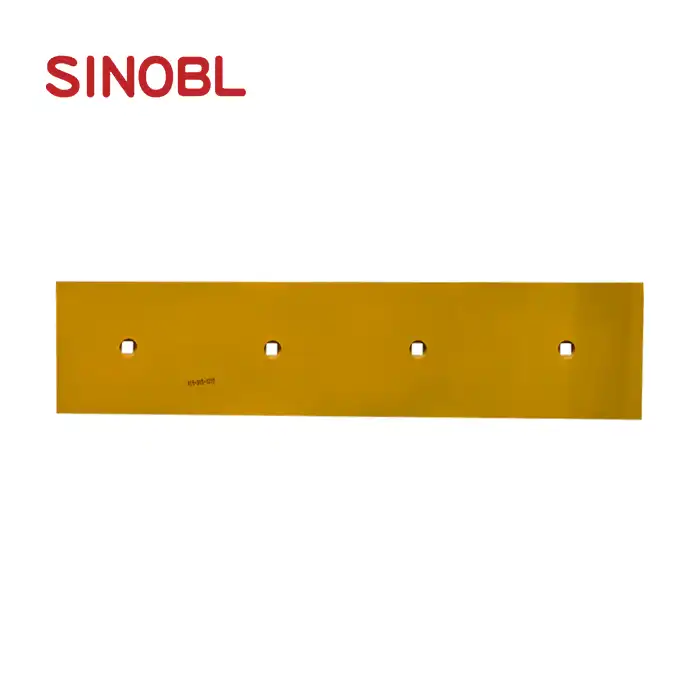
The Grader Blade 7D1577 is a crucial part of construction grading operations, providing accurate road surface preparation and soil levelling on a variety of project locations. With its heavy-duty blade addition, motor graders become strong earthmoving vehicles that can tackle challenging construction jobs. Constructed from heat-treated boron steel and high carbon steel, the 7D1577 model offers outstanding durability and optimal cutting performance over long operating cycles.
Understanding the 7D1577 Grader Blade Specifications
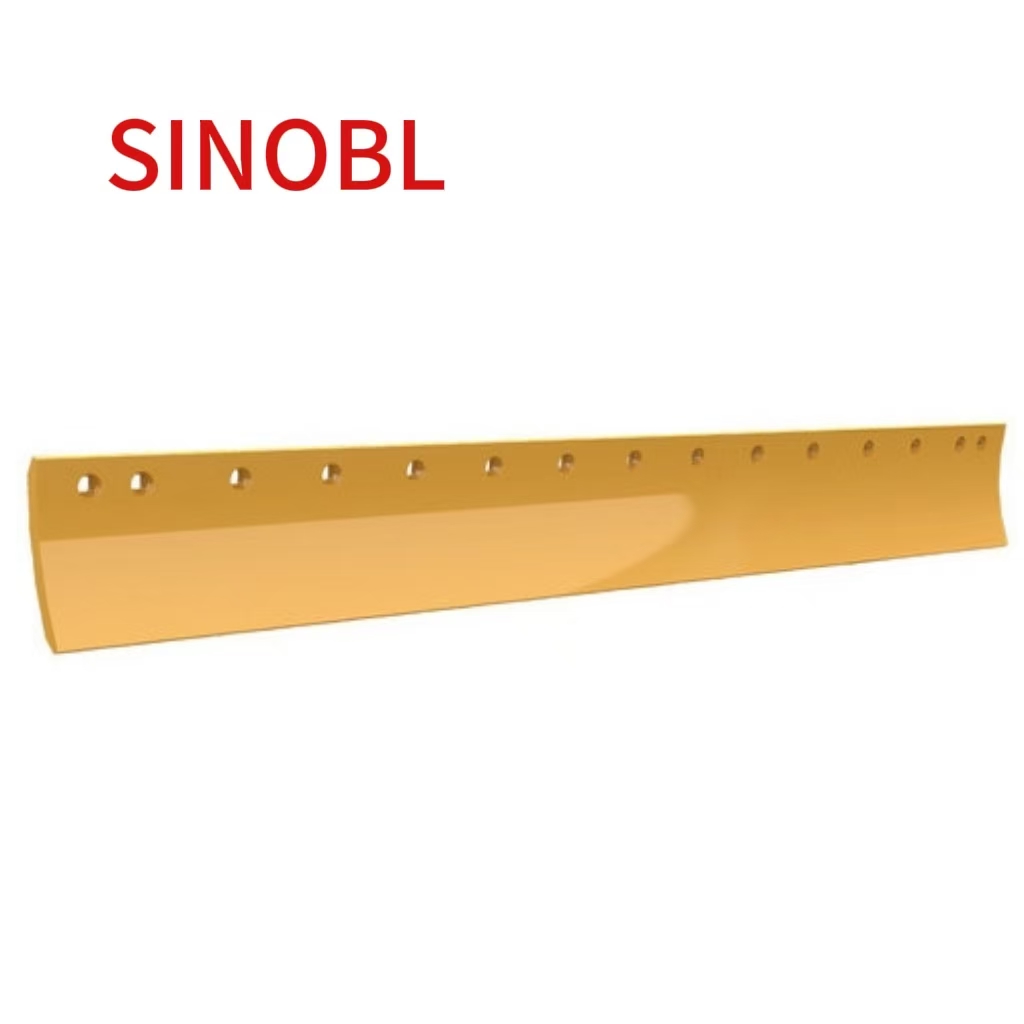
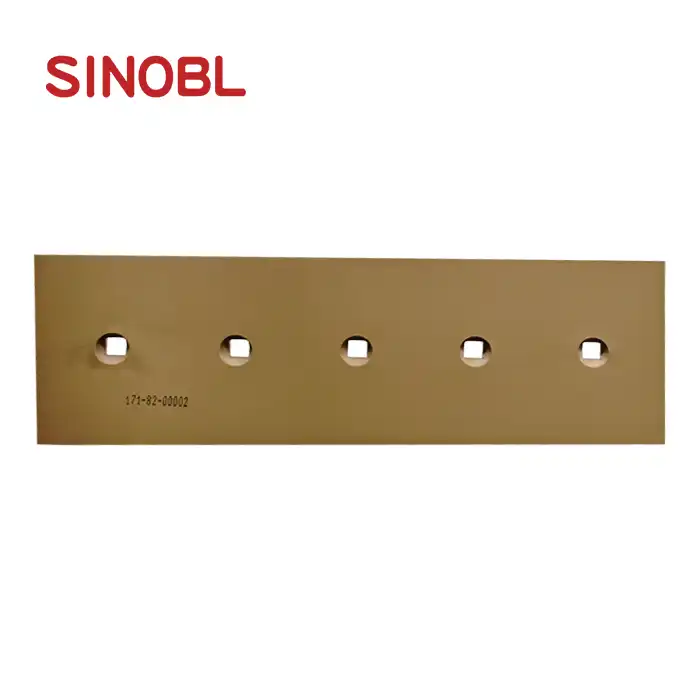
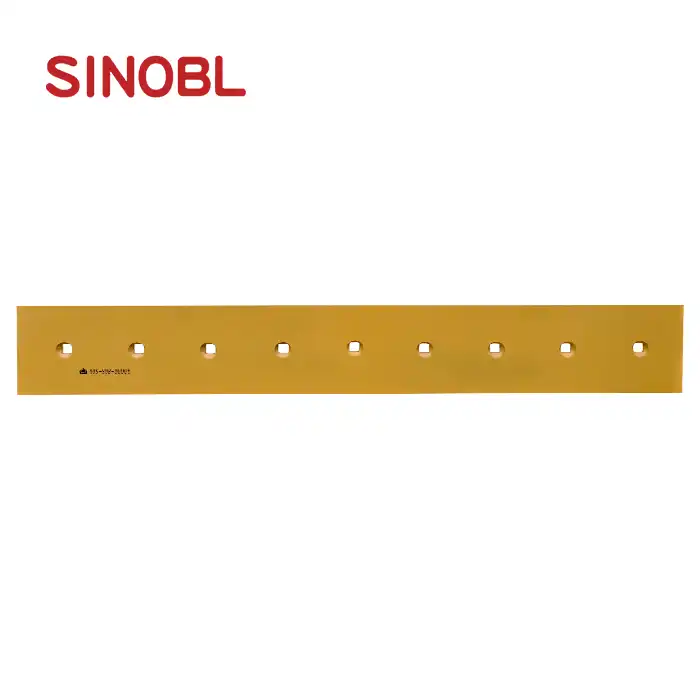
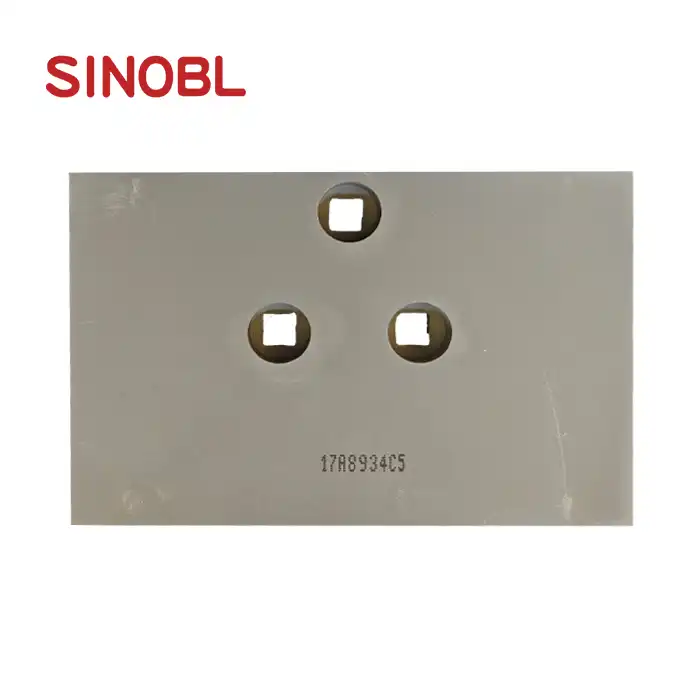
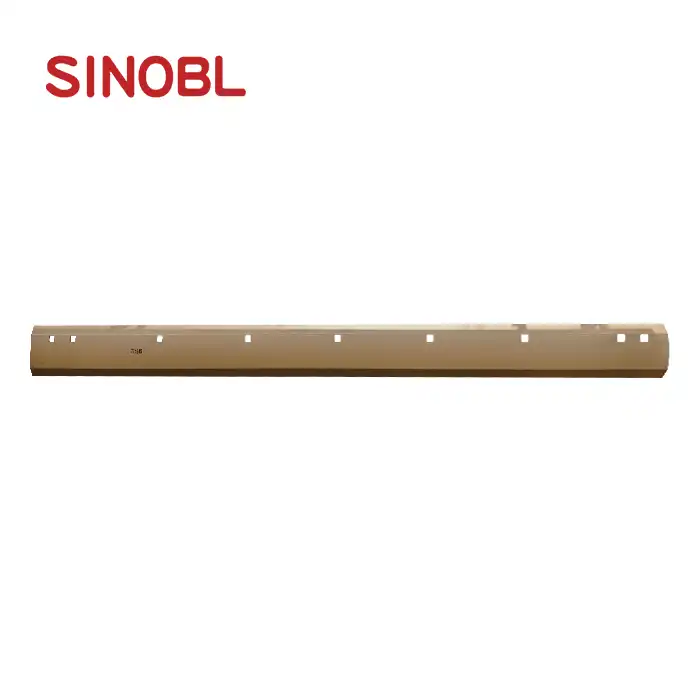
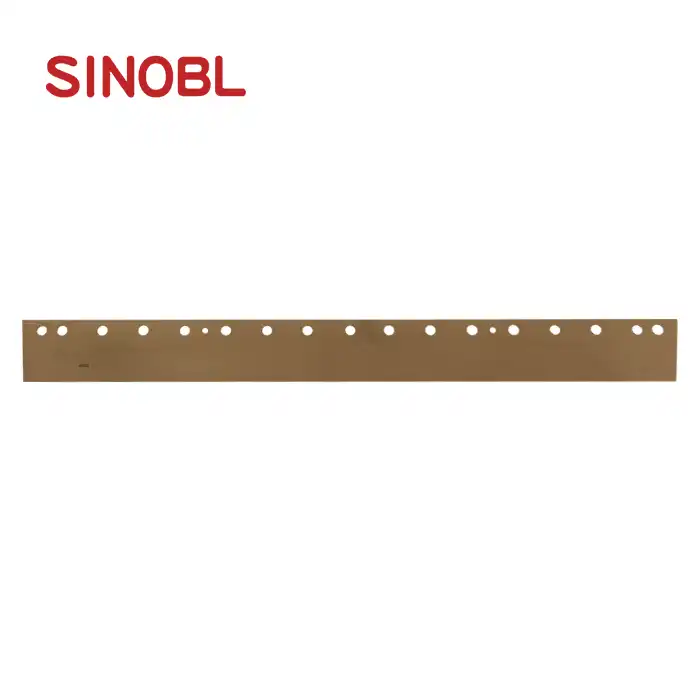
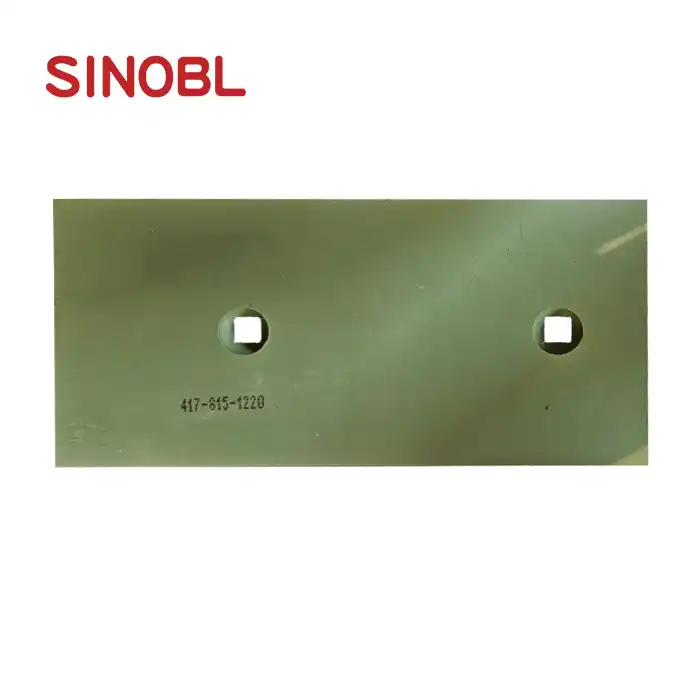
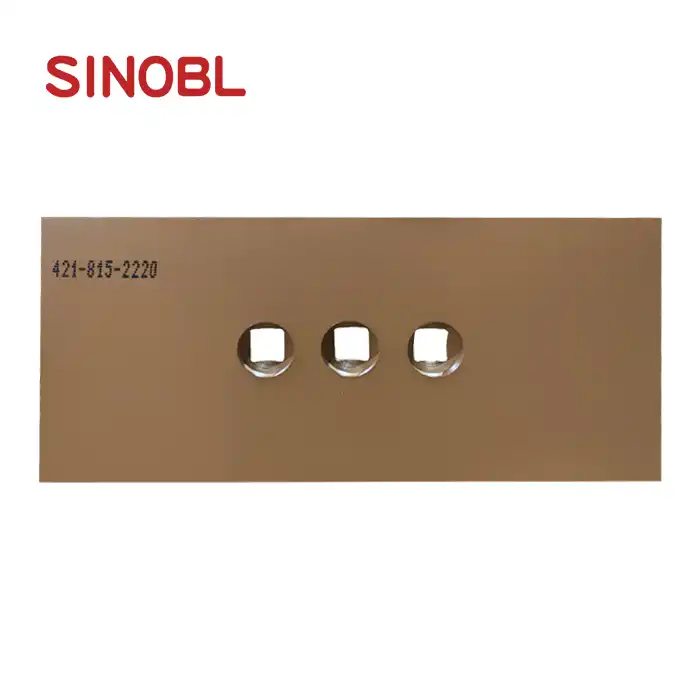
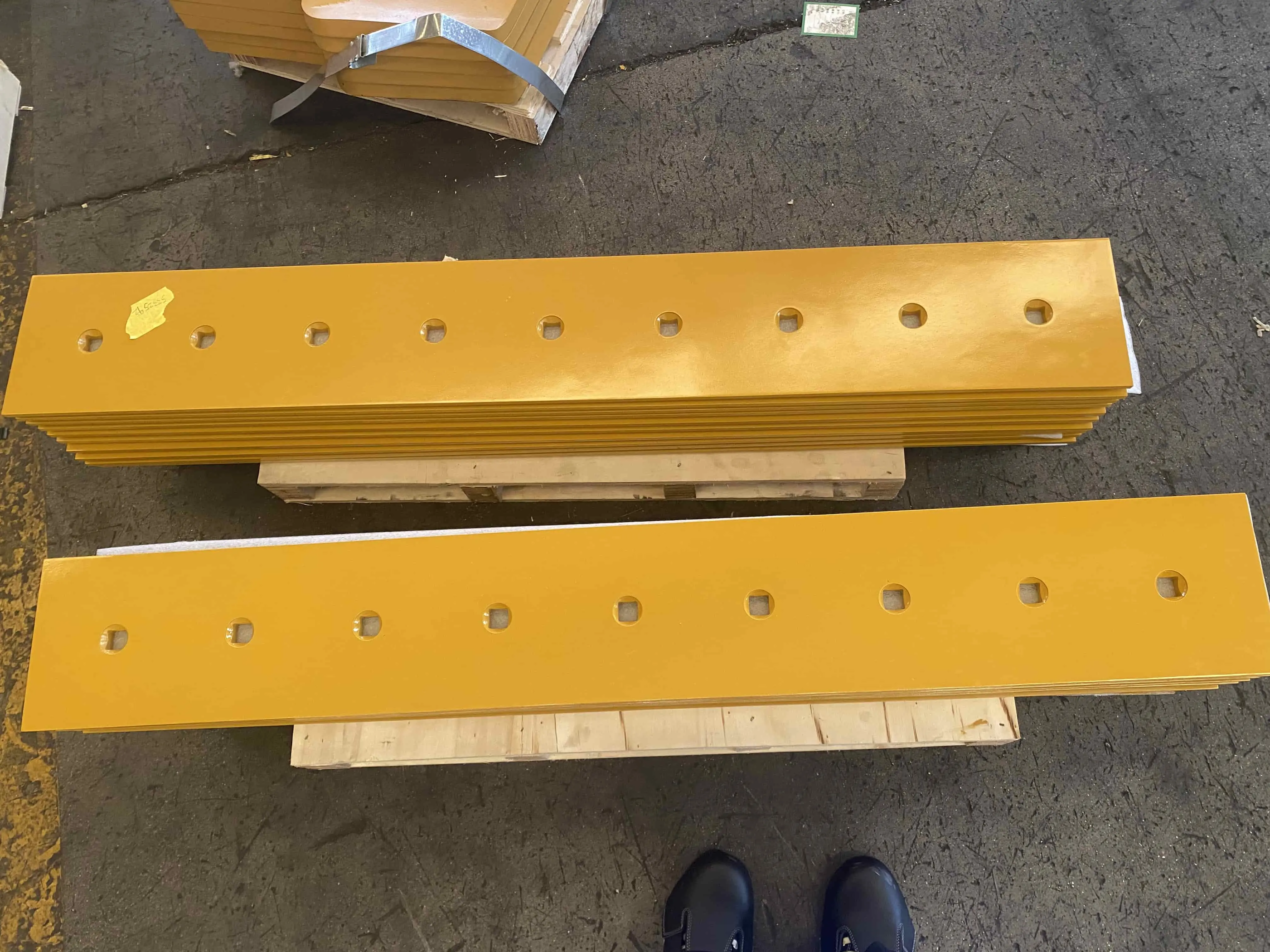
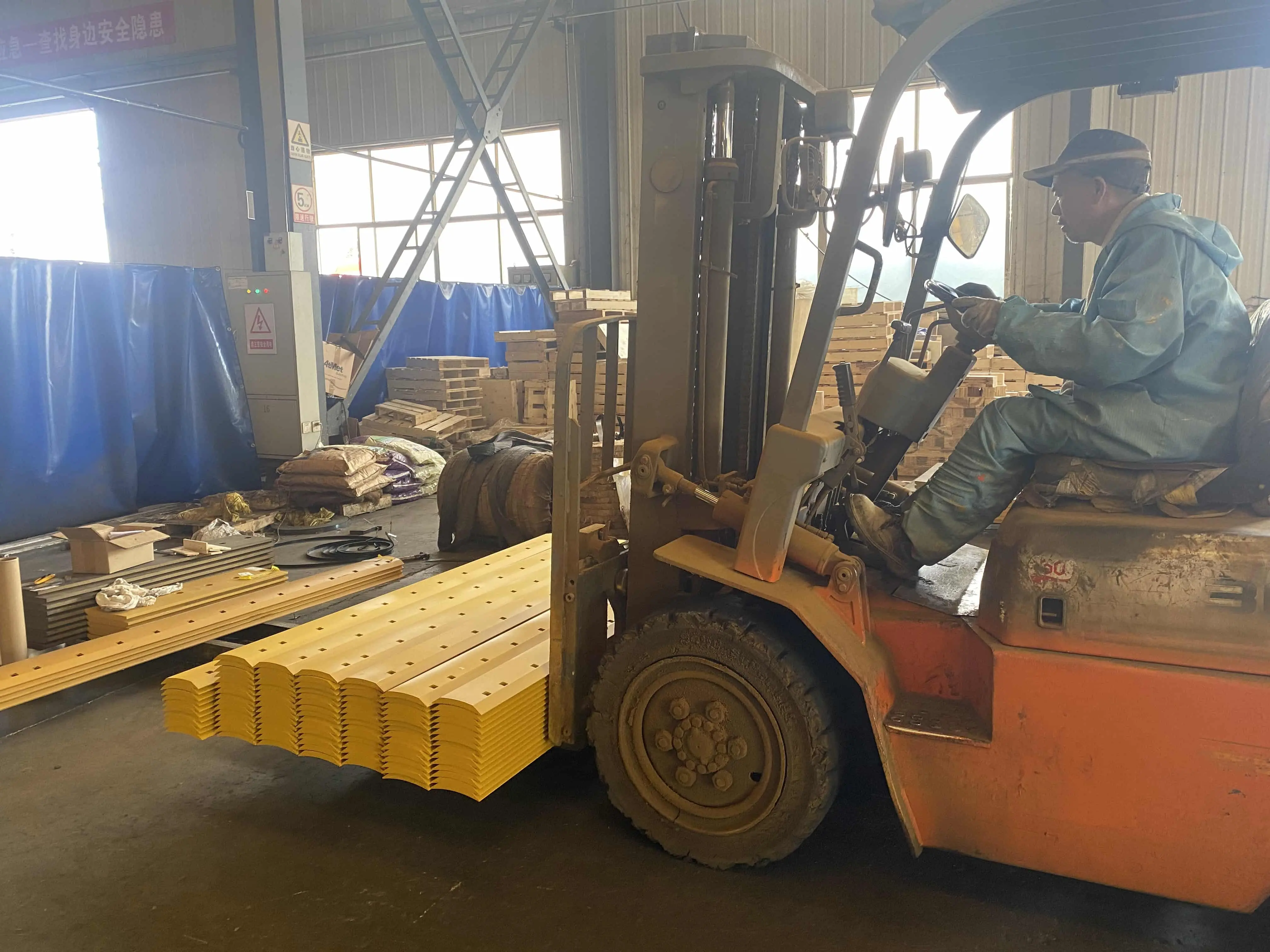
A high-end grader blade option designed for professional building applications is the 7D1577. This sturdy blade, which weighs 60 kg and measures 19 x 203.2 x 2133.6 mm, offers the ideal ratio of cutting strength to manoeuvrability. In order to produce a blade surface that can tolerate abrasive conditions while retaining sharp cutting edges, the high-carbon steel structure is subjected to certain heat treatment procedures.
SINOBL manufactures this grader blade using advanced metallurgical techniques that enhance wear resistance properties. When compared to conventional steel blades, the boron steel heat treatment technique greatly raises hardness levels. By ensuring that operators may finish more grading cycles before needing to replace blades, this manufacturing method lowers project costs and equipment downtime.
The 7D1577's compatibility with the main grader models now in use is appreciated by construction teams. Fleet managers can effectively rotate blades across numerous units thanks to the standardised mounting arrangement, which enables speedy installation and removal. On busy construction sites, the yellow powder-coated coating protects against corrosion while retaining excellent visibility.
Road Construction and Surface Preparation
The Grader Blade 7D1577 is an essential instrument for creating smooth, level roadbeds since road construction operations require exact surface preparation. Before applying base materials, highway contractors use this grader blade to smooth off sub-grade surfaces. Because of the blade's cutting-edge design, operators can consistently obtain the grade tolerances needed to meet current standards for road building.
The 7D1577 is used by municipal road maintenance teams for resurfacing tasks in urban settings. While preparing underlying surfaces for the construction of new pavement, the blade efficiently removes degraded asphalt sections. When crews can rely on constant blade performance in a variety of surface conditions, street maintenance becomes more efficient.
The 7D1577's capacity to manage embedded debris and various soil compositions is advantageous for rural road construction operations. Blades that can crush underlying surfaces and redistribute loose materials are necessary for maintaining gravel roads. This grader blade reduces the number of equipment passes required to attain acceptable surface conditions by completing both functions at the same time.
The broad coverage of the blade minimises traffic disturbances during maintenance operations by enabling operators to finish road sections quickly. When equipment operates dependably, and the 7D1577 produces consistent results in a variety of soil types and weather situations, construction schedules stay on course.
Site Preparation and Land Development
Before building can start on commercial development projects, the site must be thoroughly prepared. In order to provide appropriate drainage patterns around future constructions, the 7D1577 grader blade excels at levelling building platforms from rough terrain. Developers rely on accurate grading to avoid problems with water buildup that can jeopardise the stability of the foundation.
The development of residential subdivisions entails the creation of several building lots with particular grade requirements. Operators can maintain appropriate slope designs for stormwater management while establishing uniform altitudes throughout entire developments according to the 7D1577. The blade's ability to work around existing utilities and landscaping elements without causing harm is appreciated by subdivision contractors.
Large, precisely level spaces are frequently needed for the installation of manufacturing equipment during the construction of industrial facilities. Contractors can meet the strict elevation tolerances required by industrial clients thanks to the 7D1577's precision cutting capabilities. This grader blade constantly provides the outstanding flatness needed for loading dock areas and heavy equipment pads.
Another crucial application where surface uniformity significantly affects pavement performance over time is parking lot development. The 7D1577 prevents early cracking brought on by uneven settlement patterns while producing smooth sub-grade surfaces that facilitate the installation of asphalt.
Agricultural Land Management
To maximise irrigation efficiency and stop soil erosion, modern farming operations rely on accurate field grading. Agricultural contractors may create homogeneous field surfaces that encourage even water distribution across crop regions with the aid of the 7D1577 grader blade. This blade works well with laser-guided grading systems to create the exact slopes needed for optimal irrigation.
In agricultural settings, drainage improvement projects necessitate precise soil movement to divert water flow away from crop production regions. Because of the 7D1577's cutting efficiency, operators may build berms and drainage channels without significantly disturbing the soil. Better field access and less equipment damage from standing water are two advantages for farmers.
The Grader Blade 7D1577 is used in pasture improvement projects to remove ruts caused by cattle activity and level uneven grazing areas. Better grass establishment is supported by improved pasture surfaces, which also avoid soil compaction problems that lower fodder output. The blade's ability to circumvent fencing and water infrastructure without interfering with operations is appreciated by ranch management.
In order to enable mechanised harvesting equipment, field preparation for speciality crops frequently calls for particular surface layouts. The 7D1577 minimises crop losses brought on by uneven terrain while establishing uniform field conditions that facilitate effective harvest operations.
Airport and Runway Maintenance
The 7D1577 is a vital instrument for runway maintenance teams because aviation facilities maintain stringent surface requirements for safe aeroplane operations. This grader blade is used by airport officials to maintain appropriate runway crown arrangements that enable water drainage in inclement weather. The blade's ability to cut precisely aids in maintaining the strict tolerances needed to meet commercial aircraft safety regulations.
To avoid the buildup of foreign object debris, taxiway maintenance entails routine surface inspection and repair. The 7D1577 efficiently eliminates loose debris and smoothes small surface imperfections that can endanger aeroplane operations. The blade's flexibility to work around lighting and navigation systems is appreciated by airport maintenance teams.
The 7D1577's adaptability in maintaining both paved and unpaved surfaces is advantageous to general aviation airports. This grader blade is used by private airstrip owners to maintain grass runways and emergency landing zones under varying seasonal conditions. Because of its longevity, the blade can tolerate repeated use and still produce reliable results.
To construct safe approach and departure regions, specific grading procedures are needed for helicopter landing zone preparation. The manoeuvrability of the 7D1577 enables operators to achieve the flat surfaces required for helicopter operations while working in cramped areas.
Mining and Quarry Operations
To handle heavy equipment traffic during production cycles, open-pit mining enterprises need to maintain their haul roads extensively. The 7D1577 grader blade retains its cutting-edge sharpness while managing the abrasive conditions typical of mining operations. For haul roads to remain operational during crucial production times, mining contractors rely on dependable blade performance.
Dump trucks loaded with aggregate are a regular source of damage to quarry access roads. The sturdy design of the 7D1577 efficiently distributes road surface materials while withstanding impact damage. The capacity of the blade to maintain appropriate road crown shapes that shed water and stop early road erosion is valued by quarry operators.
Maintaining a stockpile area entails levelling surfaces for equipment access and material storage. The 7D1577 offers safe access pathways for equipment loading while enabling operators to maintain orderly stockpile arrangements. When storage areas are kept appropriately graded, aggregate manufacturers gain from increased material handling efficiency.
Precise grading is necessary for reclamation operations at depleted mining sites to restore natural drainage patterns. By developing suitable surface contours for vegetation development and erosion management, the 7D1577 aids in environmental restoration initiatives.
Utility and Infrastructure Projects
Precise trench backfilling and surface restoration are necessary for underground utility installation projects to match current grade elevations. Utility contractors can reduce settlement problems over underground infrastructure by achieving smooth surface transitions using the Grader Blade 7D1577. The blade's capacity to repair surfaces without causing harm to other pavement sections is appreciated by municipal utilities.
Along the whole route corridor, pipeline construction entails substantial trenching operations followed by meticulous surface restoration. Contractors can retain appropriate drainage characteristics while blending restored areas with existing topography thanks to the 7D1577's cutting precision. To comply with environmental regulations, energy businesses rely on high-quality surface restoration.
Building access roads across a variety of terrain situations is necessary for the building of transmission lines. With the 7D1577, crews may minimise their environmental impact while constructing temporary access routes to assist heavy machinery. The blade's ability to handle both rocky and soft soil conditions is appreciated by utility contractors.
Surface repair is a common component of fibre optic installation projects in urban settings where aesthetics are crucial. After utility installation, the 7D1577 provides the precise cutting capabilities required to maintain property aesthetics and restore planted areas.
Conclusion
For construction grading operations to be effective in a variety of industry sectors, the 7D1577 grader blade is an essential component. It is a vital tool for contractors looking for dependable performance in tough conditions because of its sturdy structure, precise engineering, and adaptable application possibilities. This grader blade continuously provides the cutting accuracy and durability needed for professional-grade outcomes in everything from road construction to agricultural land management. Purchasing high-quality worn components, such as the 7D1577, will directly increase operational effectiveness and decrease equipment downtime throughout the course of your project cycles.
FAQ
Q1: What makes the 7D1577 grader blade suitable for heavy construction applications?
The 7D1577 features high carbon steel construction with specialised heat treatment that significantly increases wear resistance compared to standard steel blades. This advanced metallurgy allows the blade to maintain cutting effectiveness throughout extended operational periods while withstanding abrasive soil conditions common in construction environments.
Q2: How does the blade's weight distribution affect grader performance?
The 60-kilogram weight provides optimal down pressure for effective cutting action while maintaining manageable stress levels on grader hydraulic systems. This weight distribution enables consistent cutting depth control across varying soil densities without overloading equipment components or causing premature wear.
Q3: Can the 7D1577 be customised for specific applications?
SINOBL offers extensive customisation options, including dimensional modifications, specialised heat treatment processes, and custom mounting configurations. The manufacturing team works directly with customers to develop blade specifications that match unique operational requirements while maintaining structural integrity and performance standards.
Q4: What maintenance procedures extend blade service life?
Regular cutting-edge inspection identifies wear patterns before they affect grading quality. Proper blade angle adjustment maintains optimal soil flow characteristics while preventing excessive wear on mounting hardware. Periodic cleaning removes accumulated debris that can cause premature wear or corrosion damage.
Partner with SINOBL for Premium Grader Blade 7D1577 Solutions
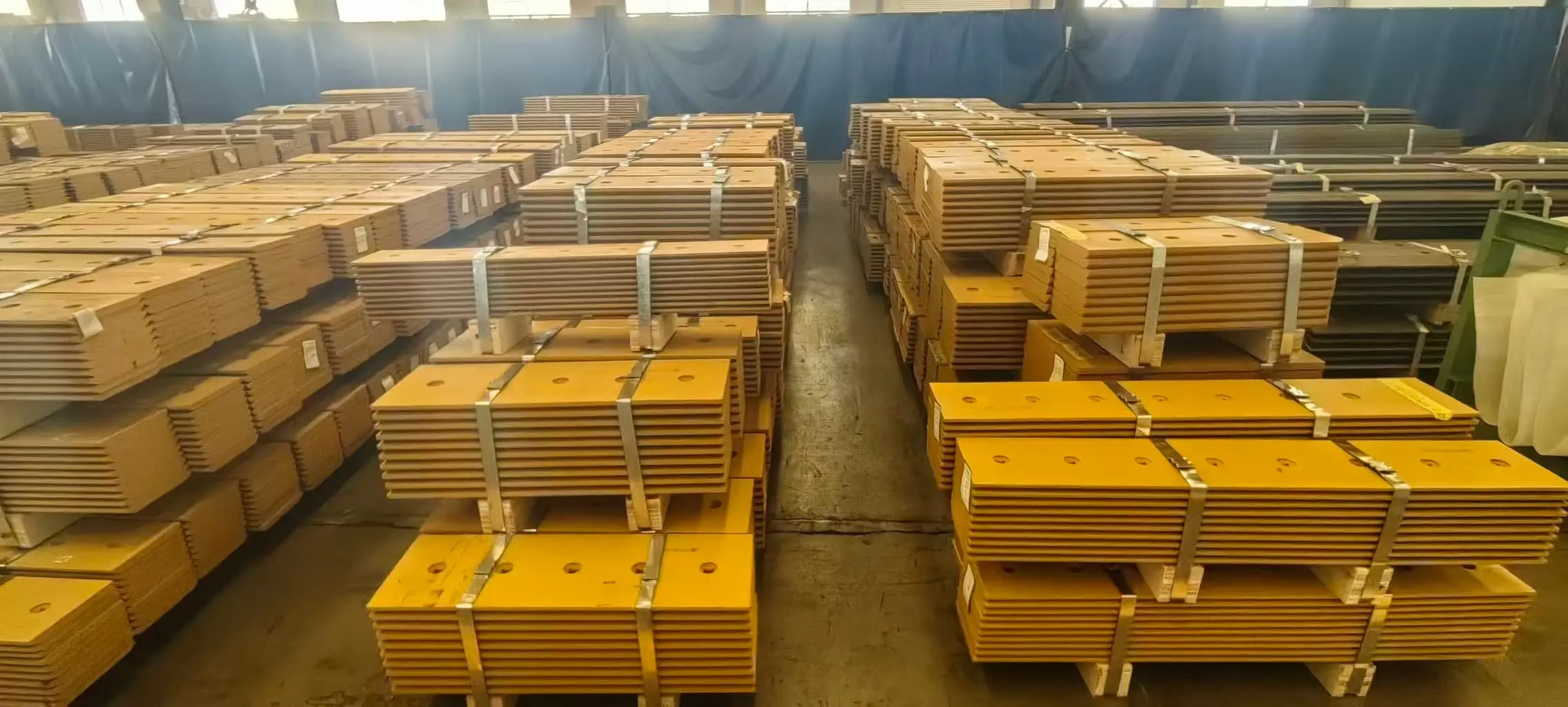
SINOBL stands as your trusted grader blade 7D1577 manufacturer, delivering exceptional wear parts engineered for demanding construction applications. Our advanced manufacturing capabilities produce over 2,000 tons of curved blades monthly, ensuring reliable supply chain support for your equipment fleet. With 55,944 square meters of production facilities and comprehensive quality control systems, we guarantee consistent blade performance that maximises your operational efficiency. Contact nancy@sunmach.com.cn today to discuss your specific grader blade requirements and discover how our premium wear parts can enhance your construction operations.
References
1. Smith, J.R. & Anderson, M.K. (2023). "Advanced Metallurgy in Heavy Equipment Wear Parts: Heat Treatment Applications for Extended Service Life." Journal of Construction Equipment Technology, Vol. 45, No. 3, pp. 127-145.
2. Thompson, D.L. (2022). "Grader Blade Performance Analysis in Road Construction Applications: A Comparative Study of Material Compositions." International Conference on Earthmoving Equipment, Proceedings of the 18th Annual Symposium, pp. 89-103.
3. Rodriguez, C.M., Wilson, P.J. & Chang, H.W. (2024). "Optimizing Surface Preparation Techniques for Infrastructure Development Projects." Construction Machinery Review, Vol. 38, No. 2, pp. 67-82.
4. Baker, R.S. (2023). "Wear Resistance Characteristics of Boron Steel in Abrasive Environments: Laboratory and Field Testing Results." Materials Engineering Quarterly, Vol. 29, No. 4, pp. 201-218.
5. Mitchell, K.A. & Foster, L.R. (2022). "Economic Impact of Premium Wear Parts on Fleet Maintenance Costs: A Five-Year Longitudinal Study." Heavy Equipment Management Journal, Vol. 31, No. 1, pp. 45-59.
6. Green, S.T., Davis, N.P. & Lee, J.Y. (2024). "Precision Grading Applications in Modern Construction: Equipment Selection and Performance Optimization." Engineering Construction Review, Vol. 52, No. 6, pp. 134-151.