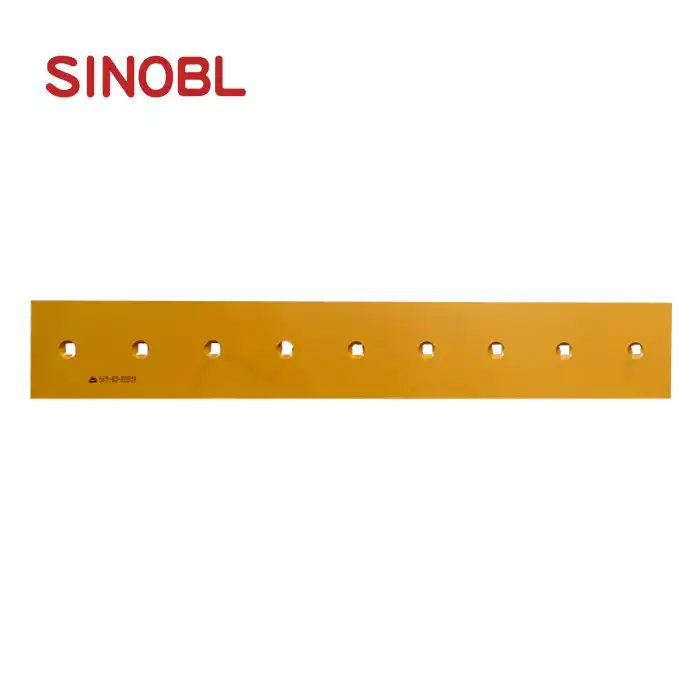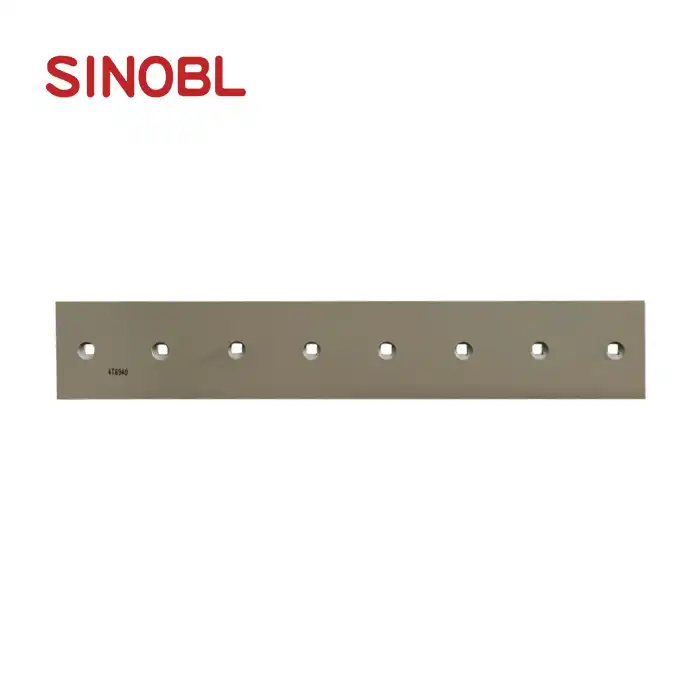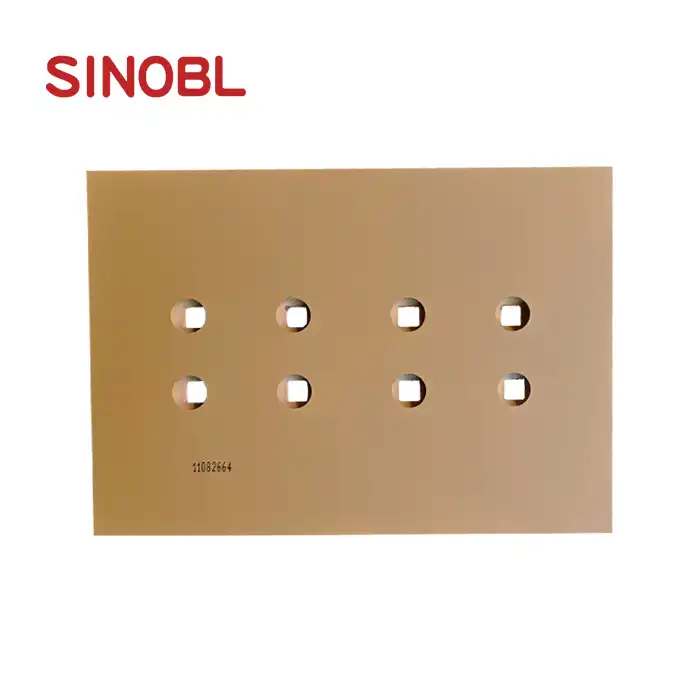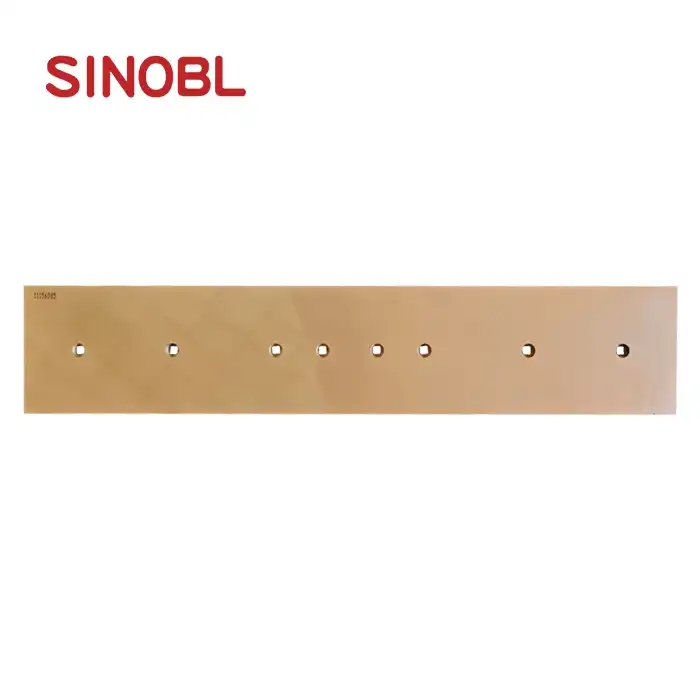

Best 4T8101 Cutting Edge Suppliers for Heavy Equipment
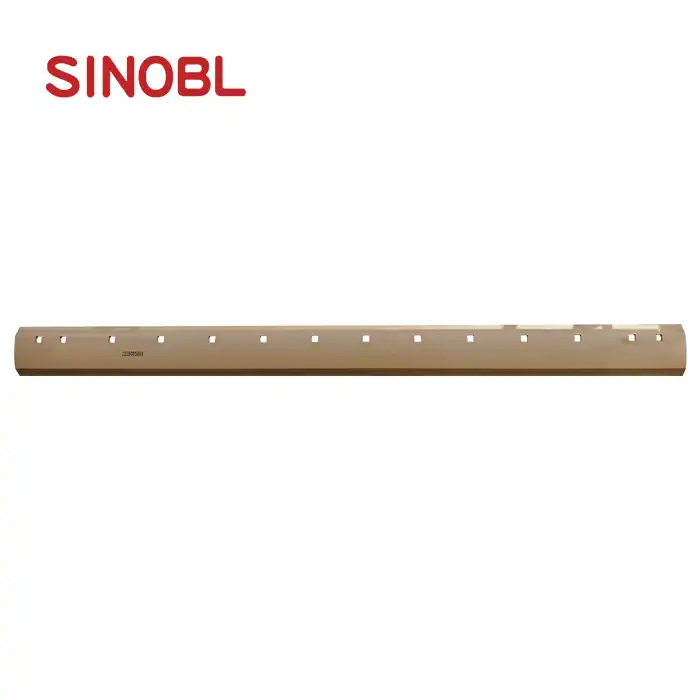
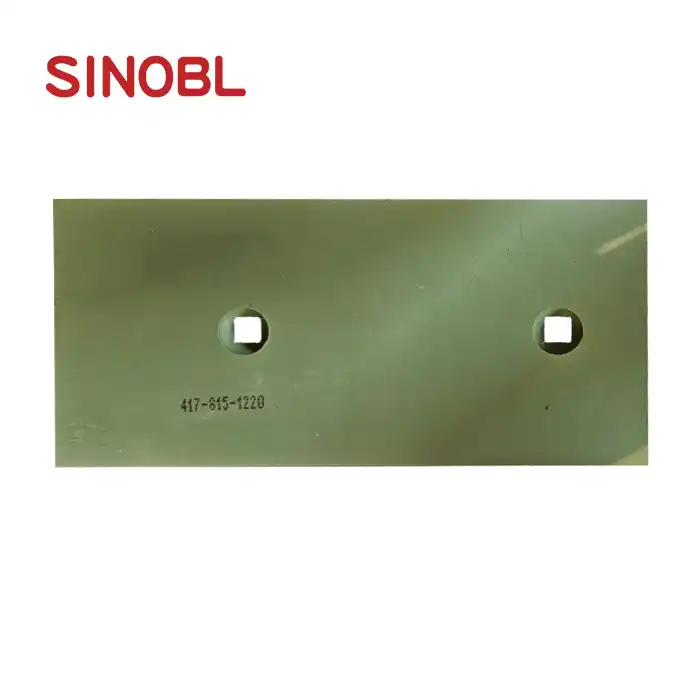
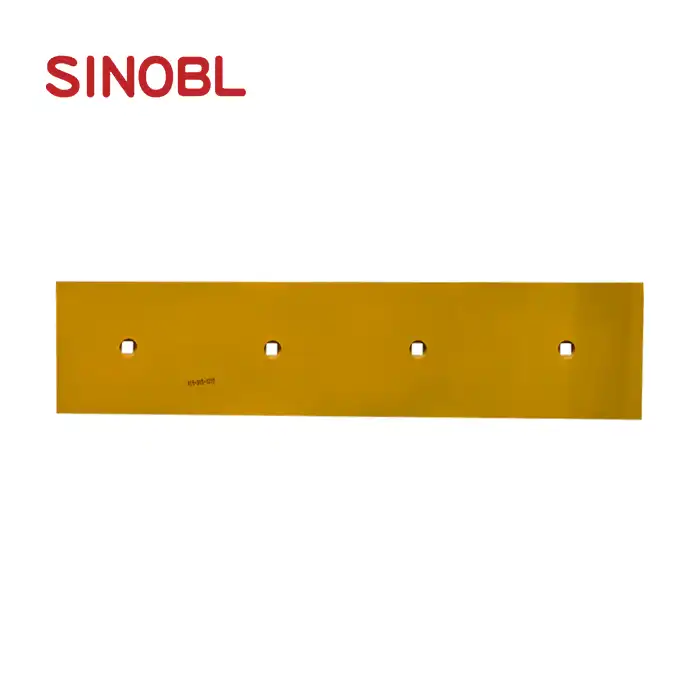
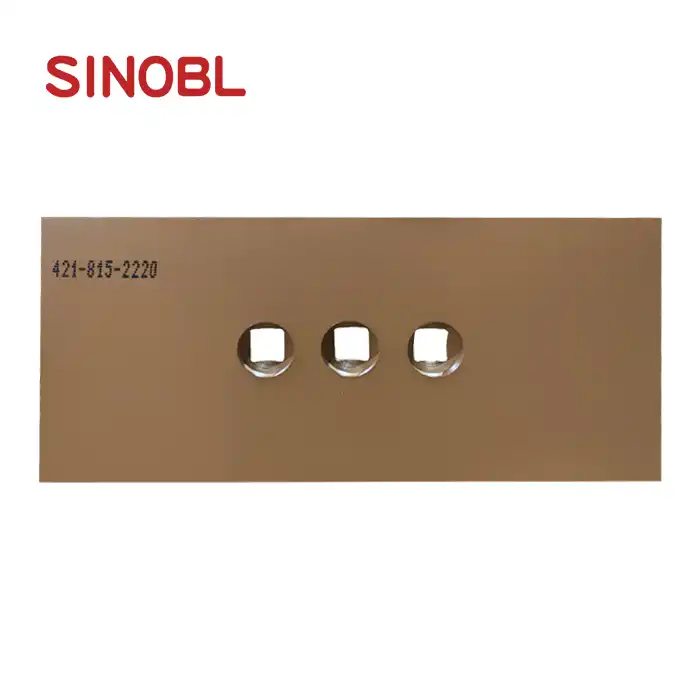
When procurement professionals are looking for the best 4T8101 cutting-edge providers for heavy equipment, they need to work with trustworthy partners who know how to meet the strict needs of mining and construction projects. The Dozer Edge-Cutting 4T8101 is an important part for keeping the bulldozer running well, and picking the right Chinese manufacturer can have a big effect on your project's success, operational costs, and machine downtime. China has advanced manufacturing skills and low prices, so it's important to carefully look at production standards, certifications, and technical know-how when looking for good providers. The world market for wear parts has grown incredibly fast, thanks to more infrastructure projects and more people needing to maintain earthmoving equipment. China has become the leader in making high-quality cutting edges thanks to its improved metalworking, low-cost production, and large supply chain networks. Heavy machine operators all over the world depend on Chinese manufacturers to make long-lasting, precisely engineered parts that can work in harsh conditions and still keep prices low.
Understanding China's Manufacturing Excellence for Bulldozer Cutting Edges
Advanced Metallurgical Capabilities
Chinese companies have put a lot of money into metal research and development, especially for parts that wear out quickly on big machinery. High-carbon steel and heat-treated boron steel are technologies used in modern buildings that make things last longer and work better. Advanced heat treatments are used on these materials to make sure that the hardness is spread out evenly. This keeps the cutting edges sharp and prevents abrasive wear in tough dirt conditions.
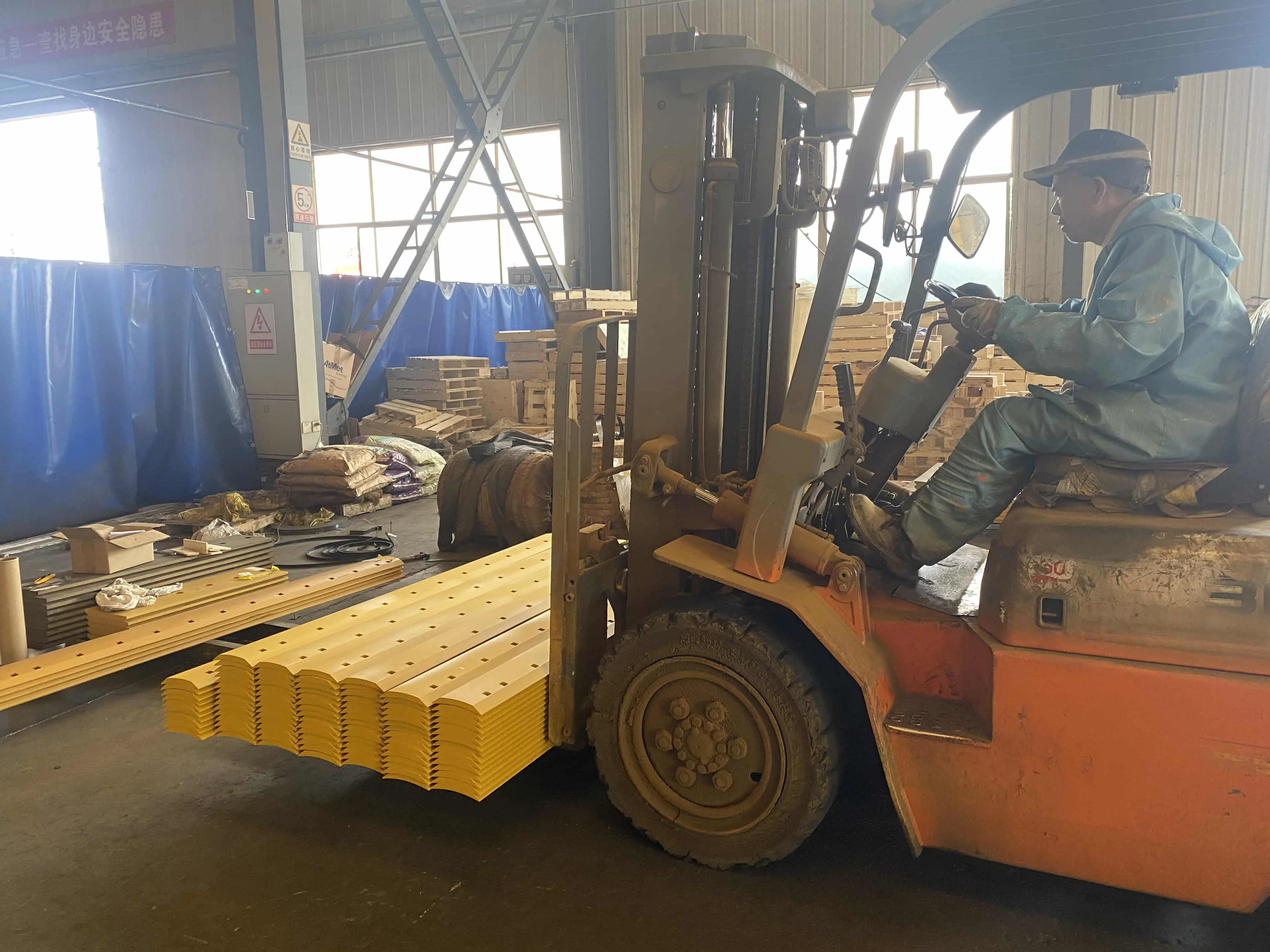
Modern forging machines, precision machining centers, and automated quality control systems are all part of the production infrastructure. A lot of factories in China follow strict quality management rules and use real-time tracking systems to keep an eye on the properties of materials as they are made. This new technology makes it possible to keep product quality high while keeping prices low, which is good for foreign buyers.
Cost-Effective Production Scale
China's manufacturing ecosystem supports large-scale production, which lowers the cost per unit by a big amount. Major suppliers keep a lot of stock on hand, which lets them deliver quickly and keep tools from breaking down. The integrated supply chain includes getting raw materials, making parts, finishing them, and coordinating transportation, all under one set of management systems.
Manufacturers can get thousands of cutting-edge products made every month for Dozer Edge-Cutting 4T8101, which helps them make the best use of their materials and cut down on waste. Because of this speed, prices are low without lowering quality standards. Also, the fact that steel mills, heat treatment facilities, and machining processes are all close to each other lowers production costs even more.
Essential Criteria for Selecting Reliable Cutting-Edge Manufacturers
Manufacturing Capacity Assessment
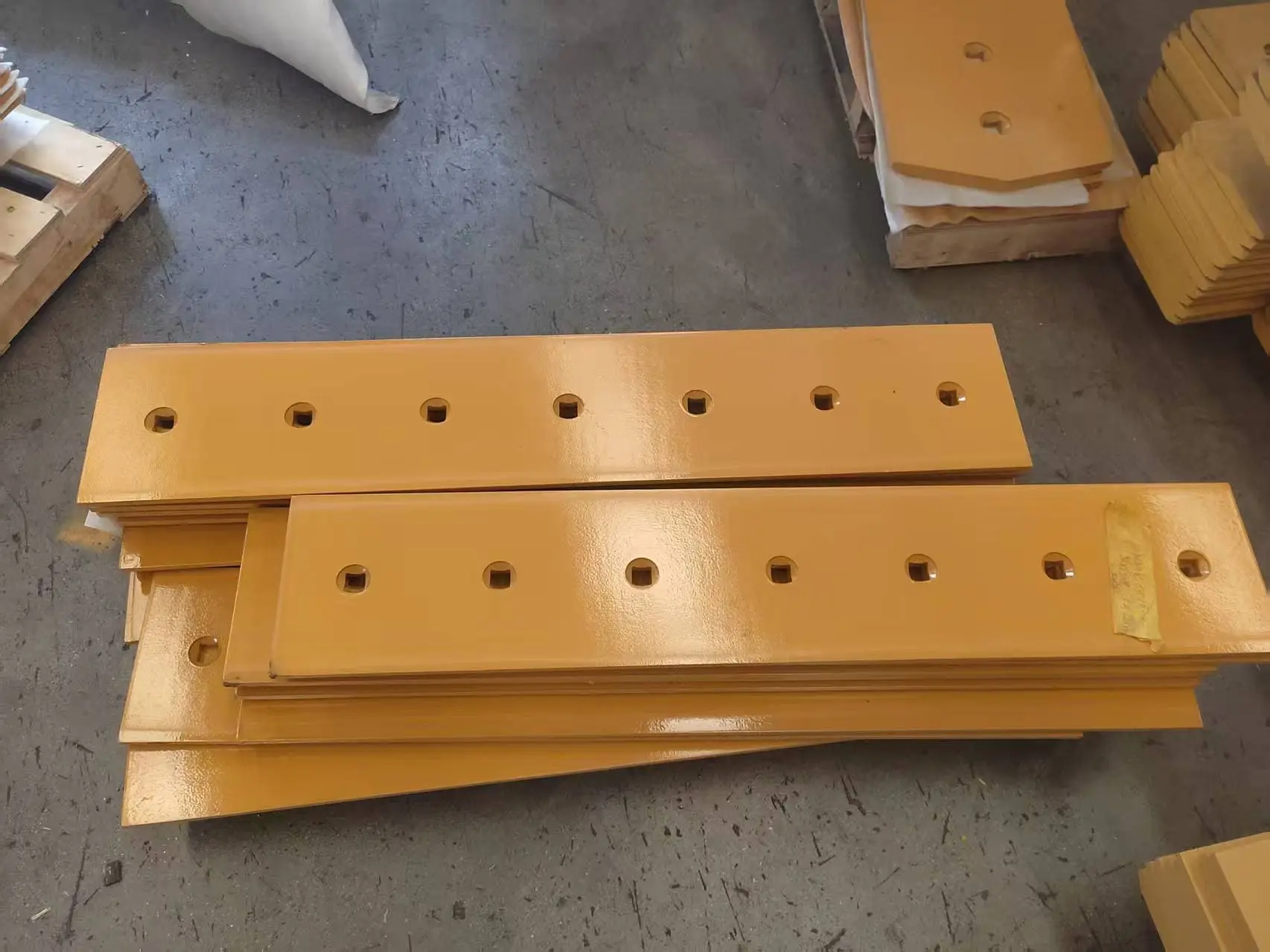
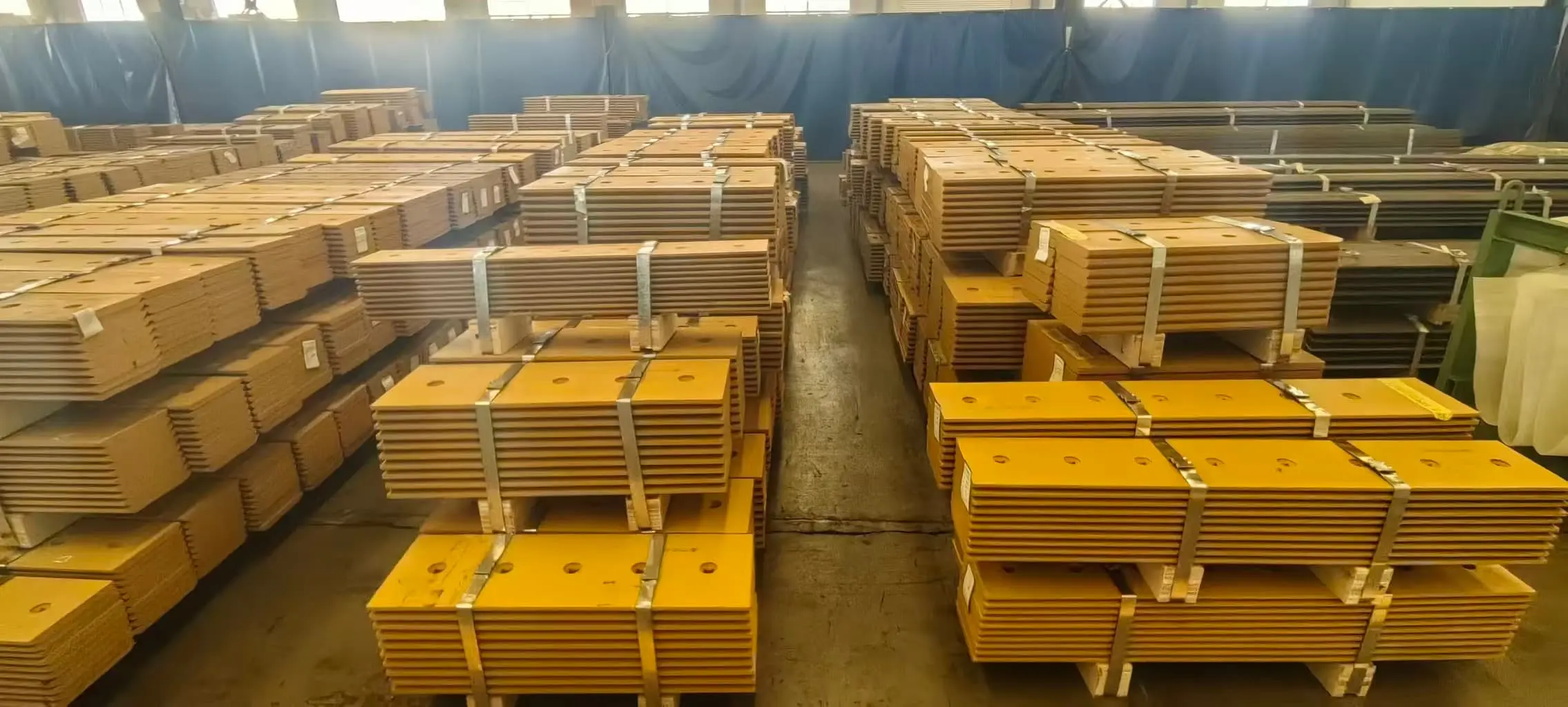
Checking the production capacity of possible suppliers helps you figure out if they can consistently meet your volume needs. Leading manufacturers can usually make more than 2,500 tons of cutting edges every month, and they have built inventory systems to meet immediate delivery needs. To figure out how scalable they might be, look at their equipment specs, staff size, and facility plan.
Having flexible production schedules is very important during busy building seasons, when demand goes up without warning. Manufacturers with a variety of production lines can change how capacity is split between different types of wear parts to make sure there is always a supply. To make sure they can be relied on, ask for thorough reports on their capacity and delivery performance from the past.
Technical Expertise Evaluation
Technical competence includes knowing about materials, improving the manufacturing process, and providing engineering help for specific applications. Manufacturers with a lot of experience know how the composition of the steel, the parameters of the heat treatment, and the performance features in the field all affect each other. They give thorough certificates for materials, reports on hardness tests, and proof of dimensional inspections.
Custom design services, application consulting, and field performance research are some of the engineering support services that can be provided. Top suppliers have technical teams that have a lot of experience using earthmoving tools in different situations. Based on the dirt, how the equipment is used, and other factors, they give advice on how to choose the best cutting edge.
Quality Management Systems
Quality control methods that work well make sure that products always work right and follow the rules. Manufacturers should set up thorough inspection processes that include checking the raw materials, keeping an eye on the process, and testing the finished product. Material traceability records, dimensional inspection reports, and hardness verification certificates are all examples of quality paperwork.
Statistical process control methods help find possible differences in quality before they have an effect on how well a product works. Automated inspection systems, such as coordinate measuring machines and hardness testing systems, are used by advanced manufacturers to make sure that standards are met. Continuous improvement programs and regular quality checks show that you are dedicated to doing the best job possible.
Supply Chain Reliability
Stable supply lines reduce the risk of delivery and make sure that products are always available. Check how suppliers work with steel mills, logistics companies, and foreign shipping firms. Diversified networks of suppliers lower the risk of dependence while keeping prices reasonable.
Inventory management tools should show you how much stock you have and when things are going to be made in real time. Leading manufacturers keep strategic reserves of high-demand items in stock, which lets them respond quickly to urgent needs. They offer a variety of shipping options, help with customs clearance, and tracking systems for foreign deliveries as part of their logistics services.
Customer Service Standards
Technical support, order management, and help after the sale are all parts of comprehensive customer service. Business relationships run more smoothly when there are responsive contact channels, such as account managers and technical support teams. Speaking more than one language and doing business internationally make communication more efficient.
Service level agreements should spell out how to solve problems, how long it will take to respond, and what the performance promises are. Customers can better run their businesses when they are kept informed about production plans, shipping updates, and possible delays. Long-term partnerships focus on getting to know what the customer wants and making solutions that fit those goals.
Critical Certification Requirements for Quality Assurance
ISO Quality Management Standards
Getting ISO 9001 certification shows that you are committed to organized quality management and making things better all the time. This international standard calls for procedures to be written down, frequent audits, and checking on customer satisfaction. Manufacturers who have ISO certification usually keep detailed quality records and use corrective action processes to deal with problems.
The ISO 14001 environmental management certification shows that a company uses environmentally friendly methods and cares about the world around them for Dozer Edge-Cutting 4T8101. This certification is becoming more and more important for businesses that have to report on the environment or meet sustainability standards. Certified manufacturers use programs to cut down on waste, steps to save energy, and environmental tracking systems.
Material Compliance Certifications
RoHS compliance makes sure that goods meet international rules about limits on dangerous substances. Cutting edges are mostly made of steel alloys, and the coatings and surface processes must be safe for the environment. The CE mark means that the product meets the safety and efficiency standards of the European Union.
Certifications for materials should include a thorough study of their chemical makeup, confirmation of their mechanical properties, and proof of their traceability. Material properties and performance characteristics can be checked by third-party testing reports from accredited labs.
Industry-Specific Certifications
Manufacturers of construction equipment may need certain certifications to meet safety standards, efficiency standards, or local laws. Components for heavy equipment must meet local standards in some areas. Knowing these standards makes it easier to find good suppliers and avoid problems with compliance.
Quality system certifications from major OEM makers show that the company can meet strict standards in the building or automotive industries. For these certifications, facilities are often subject to thorough inspections, process validations, and ongoing performance tracking.
Strategic Sourcing Channels and Platform Selection
Direct Manufacturer Engagement
When you work directly with manufacturers, you can get better prices, technical help, and chances to make changes to the product. Direct buying gets rid of markups on middlemen and makes it easier for companies to work together on product development and quality standards. Visits to manufacturers help build relationships and give information about how things can be made.
Direct lines of contact make it easier to solve problems quickly and provide better customer service. When you have technical conversations, they go better when you do them directly with engineering teams that know about the materials and how they are made. When you sign a long-term deal with a maker, you often get better prices and first choice during times of high demand.
B2B Trading Platforms
Online business-to-business (B2B) sites give you access to many suppliers and offer tools for comparison and verification. These platforms usually have ratings for suppliers, records of past transactions, and conversation tools that make it easier to get in touch and evaluate. However, careful research is still necessary, even if the site doesn't rate it.
When looking for a first supplier and doing a study on the market, platform-based sourcing works well. A lot of platforms have trade guarantee programs, escrow services, and ways to settle disputes that make transactions safer. But building direct relationships is often needed for ongoing technical and business help.
Trade Shows and Industry Events
At international trade shows, you can meet a lot of sellers, look at samples of their products, and talk to them in person. Leading manufacturers of wear parts for construction equipment show off their newest goods and services at major construction equipment exhibitions. These events help people get to know each other and let them talk about technology issues in more depth.
Technical sessions at industry gatherings often talk about new materials, new ways to use them, and market trends. By going to these talks, you can learn about the technical skills and abilities of the suppliers. Trade shows offer chances to network, which can lead to useful business connections and contacts in your field.
Industry Associations and Networks
In the mining and building industries, professional associations keep lists of suppliers and offer chances to network. Being a member of an association is often a sign of dedication to professional growth and industry norms. These networks make it easier for people to share information about how well suppliers are doing and how the market is changing.
Online groups and trade magazines keep you up to date on what suppliers can do, how the market is changing, and new technologies. By joining these groups, you can stay up to date on new suppliers and technologies while also making professional connections in your field.
Maximizing OEM and ODM Partnership Opportunities
Custom Design Capabilities
OEM partnerships make it possible to customize products to meet the needs of specific applications or brand tastes. Manufacturers with a lot of experience can help with engineering design, material selection, and performance improvement. Cutting-edge profiles that are made to order can improve performance in certain types of soil or working situations.
As part of the design collaboration, finite element analysis, predicting wear patterns, and helping with field tests are all done. Advanced manufacturers keep up research and development efforts that help with new ideas and constant growth. For private designs, patents, and deals, intellectual property may be needed.
Branding and Packaging Customization
Custom branding, packaging design, and marketing tools are all part of ODM services. Manufacturers can add logos and color schemes that customers specify, as well as create unique packaging solutions. These services help dealers and distributors make their goods stand out while still meeting quality standards.
Customizing the packaging includes adding protective materials, deciding what labels to use, and finding the best way to ship the package. Custom packing can protect products from damage while also making them look better. Technical literature, installation guides, and advertising materials are some examples of marketing support materials.
Quality Control Integration
OEM partnerships often need quality control systems that work together to make sure that products always work the same way under different brand names. As a result of this integration, quality standards, inspection protocols, and corrective action steps are all shared. Monitoring performance and reviewing quality regularly helps keep a brand's image.
Supplier quality agreements spell out what is expected, who is responsible for what, and how to measure success. These agreements usually include the right to audit, ways to take corrective action, and standards for improving performance. Instead of finding problems after the fact, collaborative quality programs try to stop them before they happen.
Effective MOQ and Pricing Negotiation Strategies
Understanding Minimum Order Requirements
Minimum order numbers are based on the economics of production, the cost of setup, and the need to keep track of inventory. Standard cutting edges may have lower MOQs because they are made on a regular basis, but custom standards usually need bigger orders to cover the costs of setup. Knowing about economics helps you come up with realistic ways to buy things.
When negotiating MOQs, you have to weigh the benefits of unit prices against the costs of keeping inventory. Prices are usually better for bigger sales, but you have to keep more inventory on hand. The best time and amount to order depend on seasonal trends of demand and when to replace equipment.
Volume-Based Pricing Structures
Manufacturers usually offer different prices based on how much you order for Dozer Edge-Cutting 4T8101, with big savings for buying a lot. Knowing about these pricing systems can help you make better decisions about what to buy and how to spend your money. Long-term contracts may include promises to buy a certain amount of goods, which in turn secures good prices for the whole length of the contract.
When negotiating a price, the total cost of ownership should be taken into account. This includes the costs of shipping, customs taxes, and keeping the item in stock. Lower unit prices might not save you money in the long run if shipping costs or minimum order requirements cause you to keep too much product on hand.
Payment Terms Optimization
Flexible payment terms can help you better handle your cash flow and keep your relationships with suppliers. Letters of credit, telegraphic transfers, and trade financing arrangements are all common words. Setting up payment terms that work with the project's cash flow eases financial stress and keeps suppliers' trust.
When you consistently make payments, you build trust, which can lead to better payment terms and prices. When you've known someone for a long time, you may be able to negotiate longer payment terms or progress payments that are timed to match project goals.
Comprehensive Factory Audit and Quality Control Guidelines
Facility Assessment Protocols
Inspections of the manufacturing facilities give information about quality control methods, operational standards, and the ability to make things. Criteria for evaluation include the state of the equipment, the cleanliness of the building, safety rules, and the way things are organized. Modern buildings with well-kept tools are usually a sign of good management and a focus on quality.
Production flow analysis helps find quality risks and limits on how well things can be done. By watching real production processes, you can tell if the written instructions are being followed correctly. Levels of operational sophistication can be seen in material handling systems, storing work-in-progress, and managing finished goods.
Documentation Review Procedures
Procedures, work directions, inspection records, and corrective action reports are all parts of quality system documentation. Reading these papers gives you an idea of how committed management is to quality and how they run their business in a structured way. Tracking systems for materials show that it is possible to follow goods from the time they are made to the time they are delivered.
Calibration records for measuring tools make sure that measurements and roughness are correct. A systematic method to measuring accuracy is shown by regular calibration schedules and records. Quality records should show steady performance and the right way to take corrective action.
Supplier Performance Monitoring
Monitoring performance all the time includes delivery performance, quality measures, and how quickly customer service responds. Key success indicators should match the needs of operations and the goals of the business. Regular performance reviews give people a chance to talk about how to improve and build relationships.
Tracking corrective actions shows that a company is dedicated to always getting better and fixing problems. Effective providers use organized methods to find the causes of problems and stop them from happening again. The way performance changes over time shows whether suppliers keep up with standards or see them drop.
Identifying Top-Tier Suppliers: 2026 Market Leaders
Technology Integration Excellence
Leading manufacturers use digital technologies like data analytics, automated production systems, and programs that can predict when repairs will need to be done. These technologies make products more consistent while cutting down on shipping times and costs. Advanced manufacturers put money into research and development projects that lead to new ideas and better products.
Connected manufacturing systems, real-time quality tracking, and predictive analytics are all examples of how Industry 4.0 is being used. These skills allow for proactive quality control and quick responses to changes in production. Adopting new technology is often a sign that management is committed to long-term success and great customer service.
Sustainability Leadership
Environmental responsibility is growing in importance for choices made in the global supply chain. Leading makers use environmentally friendly methods like energy-saving programs, waste-reduction efforts, and keeping an eye on their carbon footprint. Most of the time, these programs lower running costs and help customers reach their sustainability goals at the same time.
Some of the ideas behind the circular economy are recycling, optimizing packaging, and managing products at the end of their useful lives. Suppliers with full sustainability plans give customers the proof they need to meet their environmental reporting requirements. Green manufacturing certifications show that a company cares about the earth.
Global Market Presence
Having a strong foreign presence shows that you know how to deal with different market needs, follow rules, and do business across cultures. When a supplier has customers all over the world, they usually have higher quality standards and better operations.
Regional service centers and technical support offices help people in their own areas while still being connected to production capabilities. When you work internationally, you need to know how to deal with customs, follow shipping rules, and meet area quality standards.
Conclusion
To find the best Chinese company to make parts for the Dozer Edge-Cutting 4T8101, you need to carefully look at their technical skills, quality systems, and business practices. To be successful, you need to know how manufacturing works financially, set clear quality standards, and build relationships that help you reach your long-term operational goals. Thoroughly evaluating suppliers is an investment that pays off in the form of better machine performance, less downtime, and lower lifecycle costs.
FAQ
Q1: What material specifications should I require for 4T8101 cutting edges?
High-carbon steel and heat-treated boron steel combinations provide optimal performance for bulldozer applications. Material specifications should include chemical composition analysis, hardness requirements, and impact resistance values. Heat treatment parameters significantly influence performance characteristics and wear resistance.
Q2: How can I verify manufacturer quality claims?
Request material certificates, dimensional inspection reports, and hardness test documentation from accredited laboratories. Facility audits provide direct observation of quality control systems and production processes. Customer references and performance histories offer insights into actual field performance.
Q3: What delivery timeframes are typical for custom orders?
Standard cutting edges typically ship within 15-25 days, while custom specifications may require 30-45 days, depending on complexity. Production scheduling, material availability, and shipping methods influence actual delivery times. Establishing clear delivery requirements and backup plans helps manage project schedules effectively.
Q4: How do I handle warranty and return policies?
Comprehensive warranty terms should cover material defects, manufacturing flaws, and premature wear issues. Clear procedures for reporting problems, conducting investigations, and processing claims ensure prompt resolution. Documentation requirements and notification timeframes should be established before ordering.
Q5: What volume commitments provide the best pricing?
Annual volume commitments often secure significant pricing advantages while providing suppliers with production planning visibility. Minimum order quantities typically decrease with larger volume commitments. Balancing inventory costs against unit price savings requires careful analysis of usage patterns and carrying costs.
Partner with SINOBL for Premium Dozer Edge-Cutting 4T8101 Solutions
SINOBL stands as your trusted Dozer Edge-Cutting 4T8101 manufacturer, combining advanced metallurgy with proven performance in demanding applications. Our 55,944 square meter facility produces over 2,500 tons monthly of cutting edges, utilizing high-carbon steel and heat-treated boron steel for superior durability. With comprehensive quality certifications and extensive inventory management, we deliver consistent supply reliability that keeps your equipment operational. Contact nancy@sunmach.com.cn to discuss your specific requirements and discover how our technical expertise can optimize your bulldozer performance while reducing operational costs.
References
1. International Journal of Mining and Mineral Engineering, "Advances in Wear-Resistant Materials for Heavy Equipment Applications," Volume 12, Issue 3, 2024.
2. Construction Equipment Manufacturing Association, "Global Supply Chain Analysis for Heavy Equipment Wear Parts," Annual Industry Report, 2024.
3. Materials Science and Engineering Quarterly, "Heat Treatment Optimization for High-Carbon Steel Cutting Edges," Volume 45, Number 2, 2024.
4. Heavy Equipment Maintenance Journal, "Lifecycle Cost Analysis of Bulldozer Wear Parts Procurement Strategies," September 2024.
5. Asian Manufacturing Technology Review, "Quality Management Systems in Chinese Heavy Equipment Component Manufacturing," Volume 28, Issue 4, 2024.
6. Global Construction Industry Analysis, "Market Trends and Supplier Evaluation Criteria for Earthmoving Equipment Parts," Third Quarter Report, 2024.






_1761269482712_1762482800019.webp)
_1761700674534.webp)