
OEM 7D1577 Grader Blade Manufacturing Guide for Importers
Finding the best OEM 7D1577 grader blade involves knowledge of supplier capabilities, quality requirements, and manufacturing procedures. This thorough manufacturing guide, which covers material specifications, production techniques, quality control procedures, and supplier evaluation criteria, assists procurement experts in navigating the challenges of importing Grader Blade 7D1577 components. This guide offers crucial insights for successful importation and economical procurement tactics in the cutthroat wear parts market, whether you're looking for replacement parts for motor graders or developing inventory for heavy equipment maintenance.
Understanding OEM 7D1577 Grader Blade Specifications
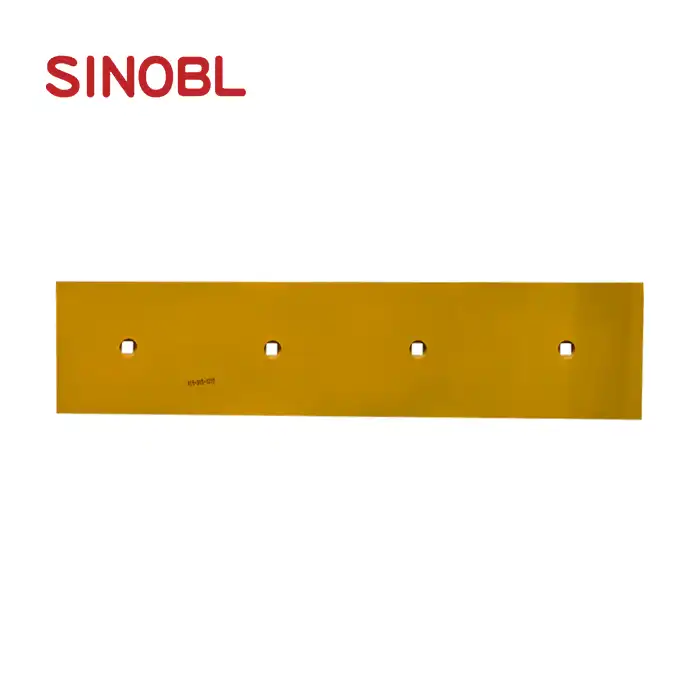
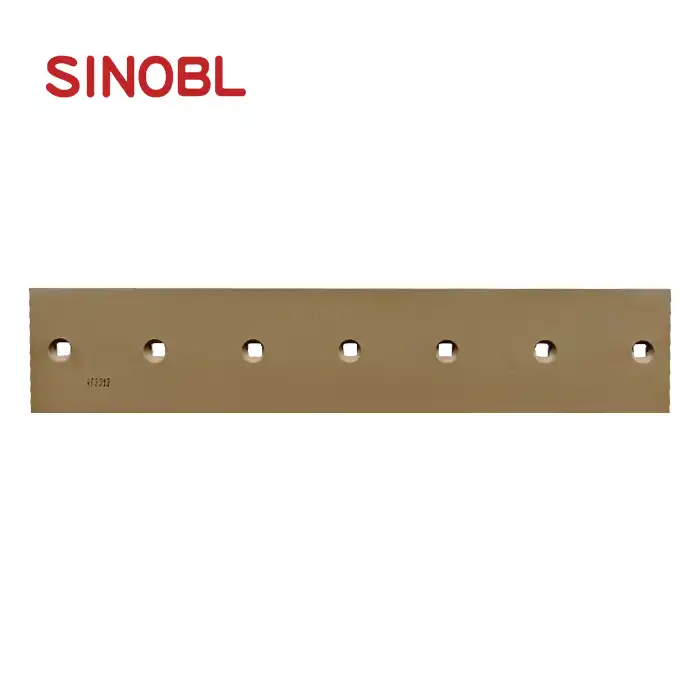
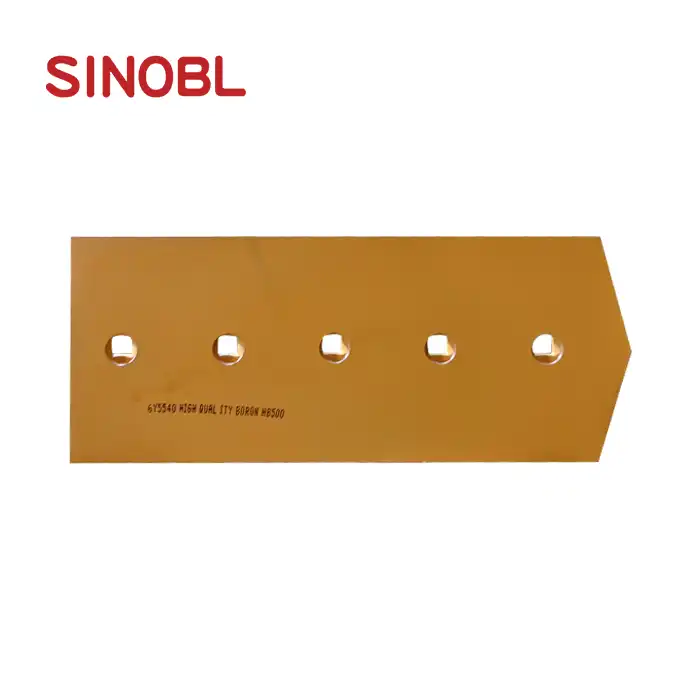
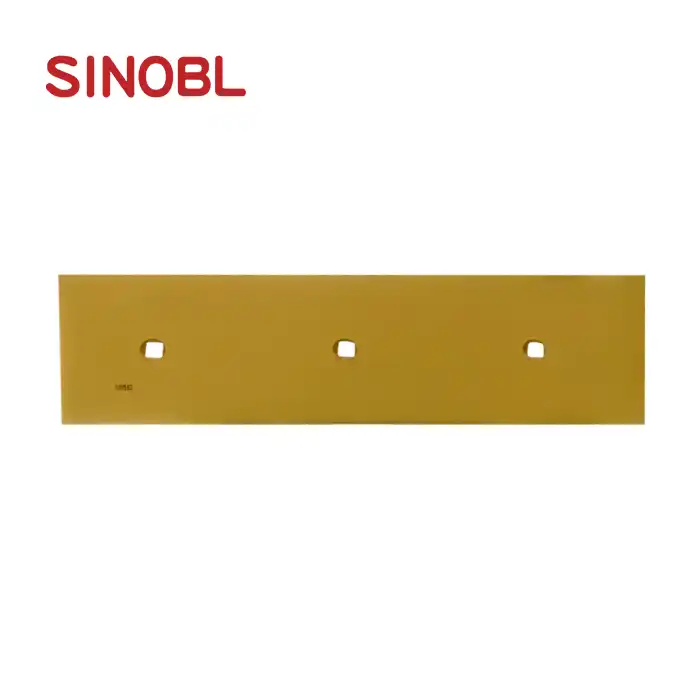
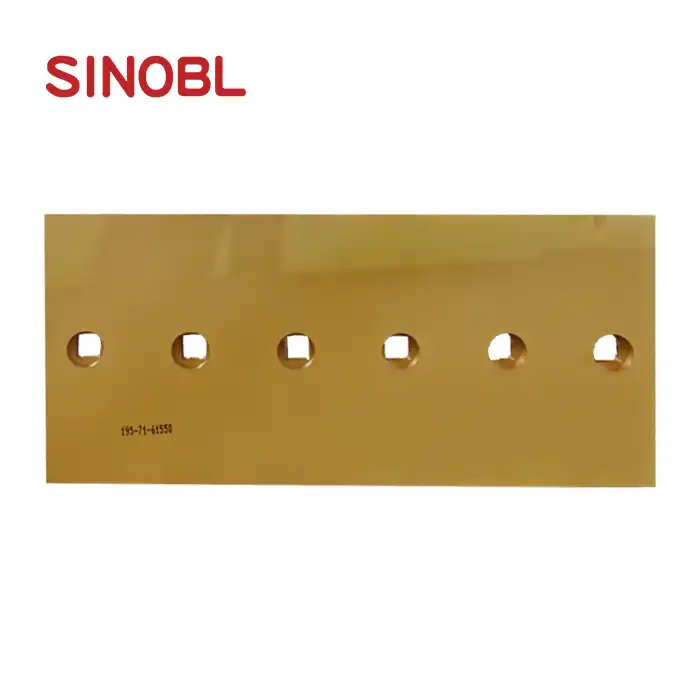
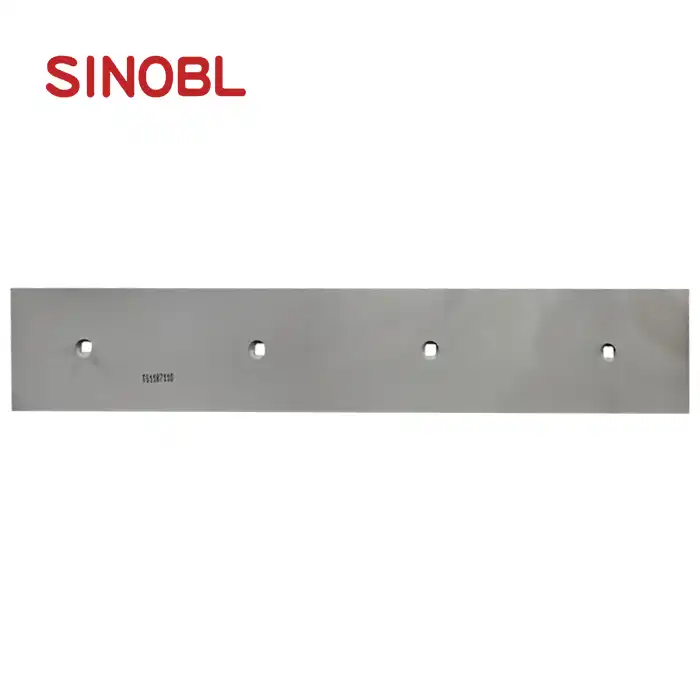
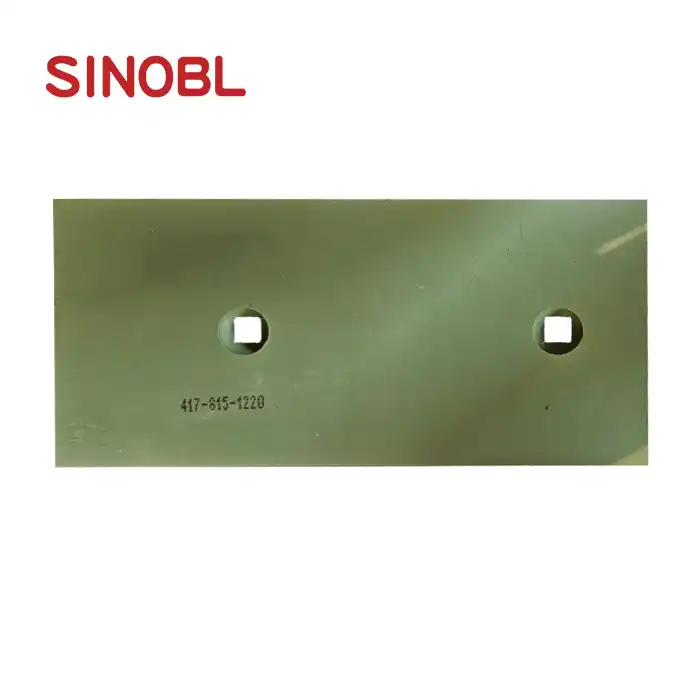
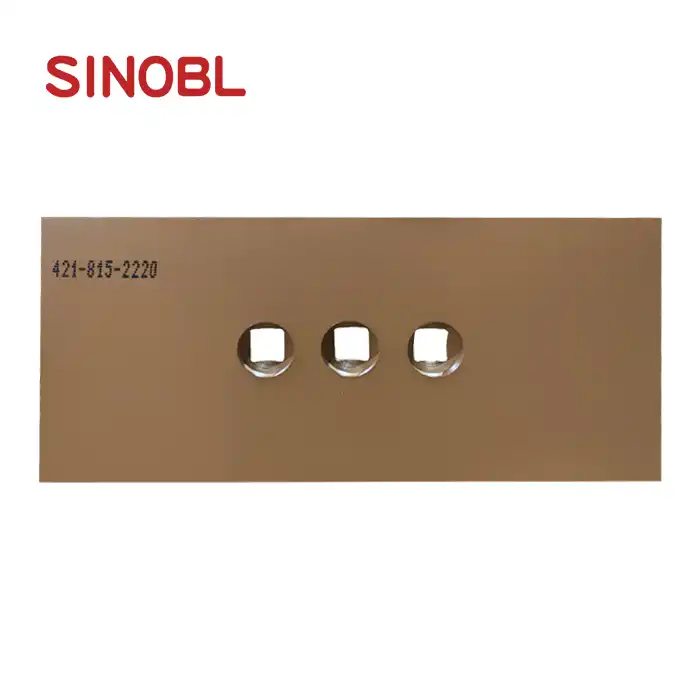
Designed especially for severe construction and road maintenance tasks, the 7D1577 grader blade is an essential part of motor grader operations. This specific blade model has exact engineering standards that guarantee compatibility with major grader equipment and provide outstanding performance under a range of working circumstances.
The Grader Blade 7D1577 model's technical parameters include a unit weight of 60 kilograms and precise dimensions of 19203.22133.6 millimetres. These measurements show meticulous engineering to strike a compromise between structural integrity and cutting efficiency. While the weight distribution offers the required stability for heavy-duty applications, the blade's dimensions guarantee a correct fit and ideal material flow during grading operations.
Blade lifetime and performance are significantly influenced by material composition. Superior wear resistance and cutting efficiency are provided by construction made of high-carbon steel and heat-treated boron steel. This combination guarantees that the blade will endure the intense forces involved in earthmoving operations and retain its sharp edges for a longer period of time. Steel's hardness is improved by heat treatment procedures, resulting in a long-lasting cutting edge that can withstand deformation under high loads.
Although unique colour options are available to meet specific customer requirements, colour parameters usually include yellow coating. The protective layer prolongs the blade's useful life in challenging environmental circumstances by providing both identification and corrosion resistance. OEM branding or customer-specific identification indications are made possible via logo placement.
Manufacturing Process Excellence
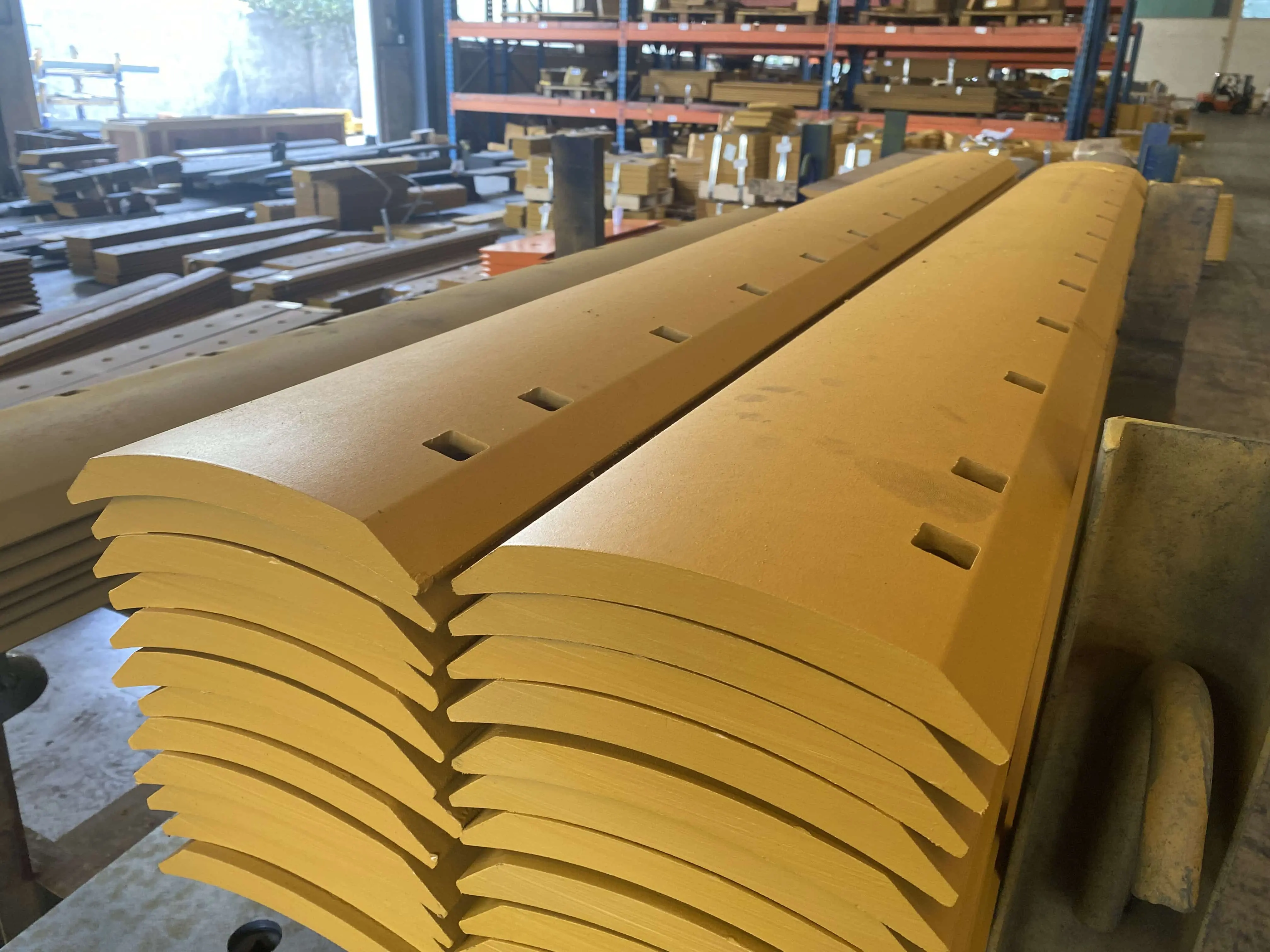
Sophisticated manufacturing techniques that guarantee constant quality and performance are used in the creation of high-quality grader blades. Careful raw material selection is the first step in the manufacture of metal, which is followed by exact rolling operations that determine the fundamental thickness and shape of the blade.
The curved geometry of the blade, which is necessary for appropriate material flow during grading operations, is created by profiling operations. Dimensional accuracy and uniform edge geometry throughout manufacturing runs are guaranteed via computer-controlled milling. This method of precision manufacturing ensures that every blade satisfies precise OEM requirements for performance and fit.
The ultimate hardness and wear properties of the blade are determined by a crucial manufacturing stage called heat treatment. Steel's microstructure is optimized via carefully regulated heating and cooling cycles, which produce the perfect ratio of toughness to hardness. For this technique to produce consistent outcomes across production batches, exact temperature control and timing are necessary.
Shot blasting processes produce a consistent surface texture for paint adherence while eliminating scale and surface contaminants. Appropriate coating application and long-term corrosion resistance are guaranteed by this surface preparation stage. Professional painting techniques offer both visual appeal and environmental protection after shot blasting.
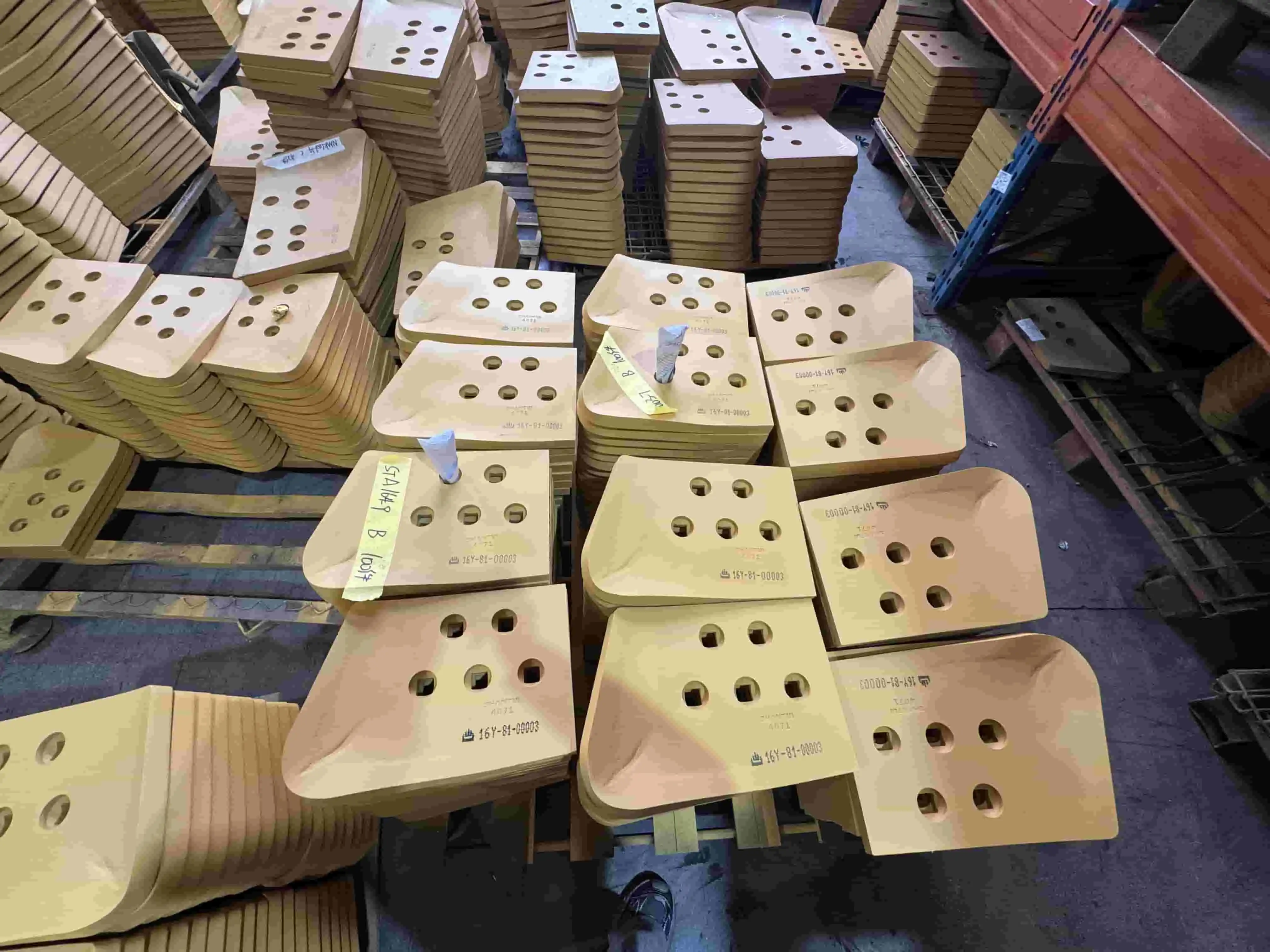
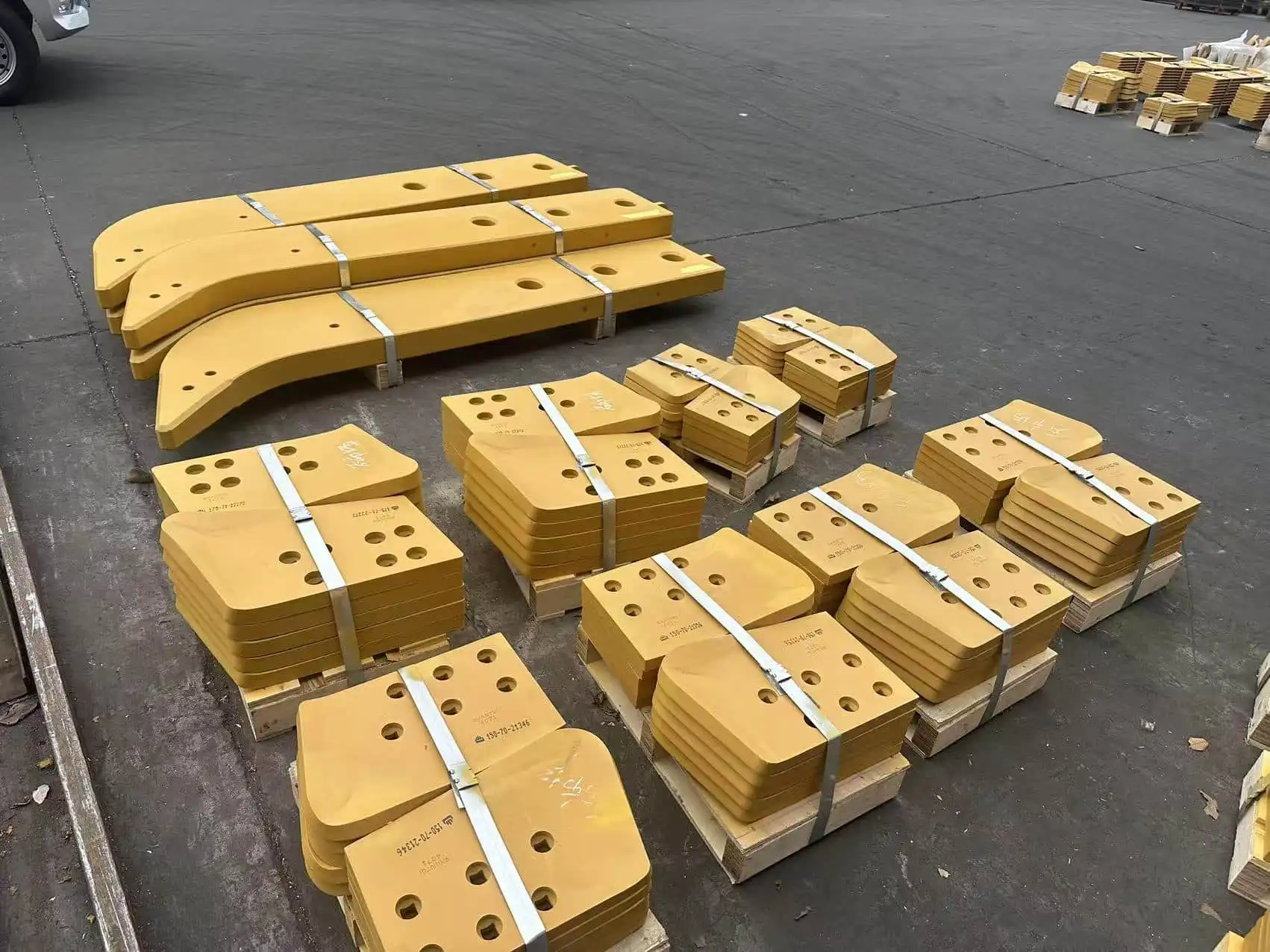
Plywood pallets and plastic wrap systems are used for cautious protection during final packaging. This method of packing allows for effective handling and storage while safeguarding the blades during international transportation. Proper packaging guarantees that goods arrive in the best possible shape and lowers the chance of damage.
Quality Control and Testing Standards
Strict quality control procedures guarantee that every grader blade satisfies exacting performance requirements. Dimensional inspection techniques confirm that all measures adhere to predetermined limits. Modern measurement equipment guarantees a correct fit with grader equipment by ensuring precision within tight tolerances.
Steel composition and heat treatment efficacy are confirmed by material testing procedures. Hardness testing verifies that the base material retains the proper toughness while the blade edges reach the required hardness levels. Throughout production runs, these tests guarantee consistent performance characteristics.
Surface quality inspection looks at adherence and coating uniformity. While visual inspection finds any surface flaws, paint thickness measures provide sufficient corrosion protection. This all-encompassing strategy upholds uniform standards for protection and appearance.
To confirm structural integrity, load testing replicates real-world operating circumstances. These tests confirm that the blade can sustain the forces used in grading operations without failing or deforming. Long service life under repeated loading cycles is ensured by fatigue testing.
Throughout production, quality control outcomes are monitored using documentation techniques for Grader Blade 7D1577. This traceability system facilitates initiatives for continuous development and allows for the quick detection of any quality problems. Shipments are accompanied by quality certificates, which give importers assurance about the dependability of the goods.
Packaging and Shipping Considerations
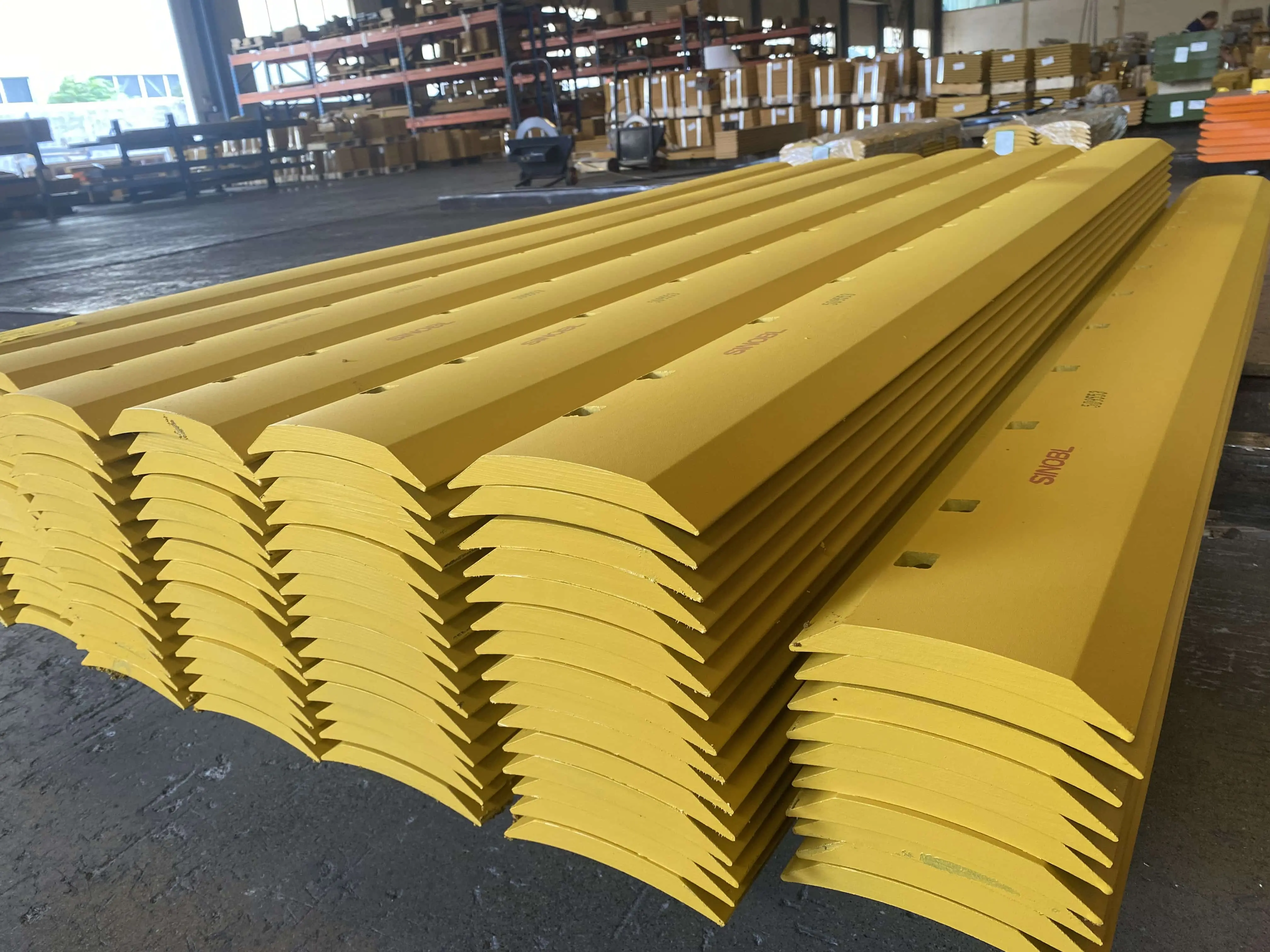
Expert packing maximizes shipping efficiency while safeguarding grader blades during overseas shipping. Standard plywood pallet systems offer sturdy platforms that optimize container utilization and allow for forklift handling. Pallet design takes both space efficiency and protection into account.
Plastic wrap protection shields blades from moisture and contamination during shipping. Complete coverage is ensured by many wrap layers, which also permit eye inspection when necessary. During long transport times, this protection device keeps the product's quality intact and stops corrosion.
Patterns for loading containers maximize the use of available space while safeguarding individual blades. While secure fastening stops movement during transportation, proper spacing avoids contact damage. While preserving product safety, loading processes guarantee the maximum amount per container.
Commercial invoices, packing lists, and quality certificates are examples of necessary documentation. Accurate documentation guarantees adherence to import laws and speeds up customs clearance. Depending on the requirements of the destination country, a certificate of origin documentation might be needed.
After order confirmation, delivery times usually last 25 days. Production schedules, quality assurance protocols, and shipment plans are all included in this timeline. Importers are better able to plan inventory management and client commitments when delivery timeframes are communicated clearly.
Cost Analysis and Pricing Factors
Importers can make well-informed purchase selections by being aware of pricing structures. FOB Qingdao price conditions transfer risk to the customer after the items are loaded, while leaving the provider in charge of export clearance and loading. For import planning, this pricing system offers cost clarity.
Costs per unit are greatly impacted by volume factors. Because of shipping economies and production efficiencies, larger order quantities usually qualify for lower prices. Analyzing yearly requirements helps importers maximize order amounts and reduce overall expenses.
Payment terms offer flexibility to accommodate different financial arrangements. While documentation against payment (D/P) arrangements offer alternate structures, traditional telegraphic transfer (T/T) offers suppliers protection. Mutually agreeable arrangements are ensured by discussing precise payment obligations.
Pricing structures are impacted by the choice of quality level. While premium grades provide improved wear resistance and endurance, standard quality levels satisfy fundamental performance criteria. Instead of focusing only on initial purchase prices, cost analysis should take into account all lifecycle expenses.
Due to production capacity and raw material prices, market timing affects pricing. Blade costs are directly impacted by changes in steel prices, while availability and pricing are influenced by seasonal demand trends. Cost structures can be optimized by strategically scheduling purchases.
Supplier Evaluation and Selection
In addition to economic concerns, several other variables must be carefully considered when selecting a manufacturing partner for Grader Blade 7D1577. An evaluation of production capacity guarantees that providers can fulfil quantity needs in the allotted period. The monthly production capacity should match the growth forecasts and demand trends of importers.
Supplier dedication to uniform quality standards is demonstrated by quality system certifications. While industry-specific certificates verify proficiency in the production of wear parts, ISO accreditation shows systematic quality management. These certificates give assurance about the skills of suppliers.
The value of the supplier relationship is increased by technical support capabilities. Beyond simple product supply, engineering support for application-specific requirements, troubleshooting assistance, and product development collaboration provide substantial value. Long-term commercial partnerships are supported by these services.
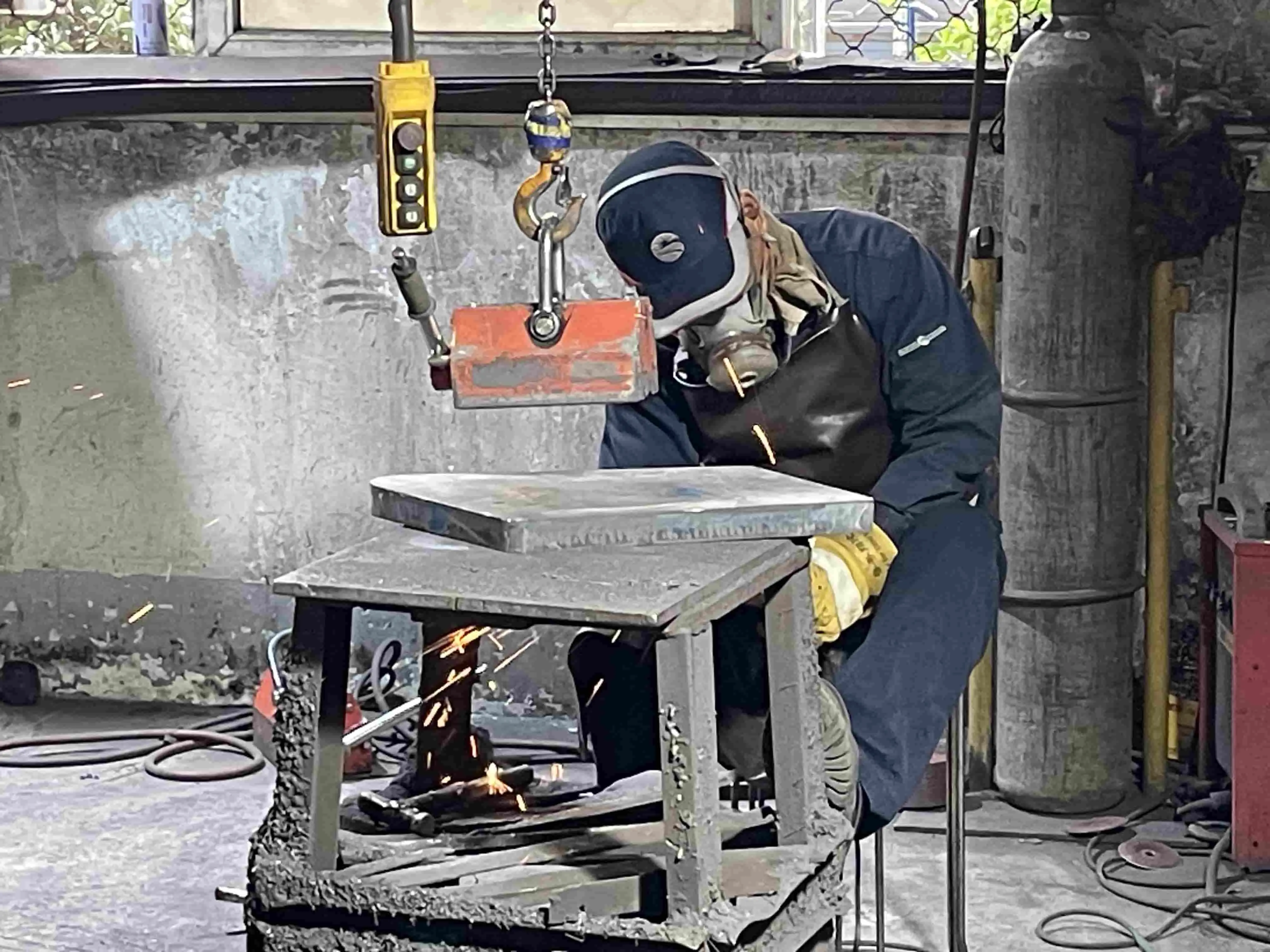
Production capabilities and quality control systems are revealed by manufacturing facility evaluations. Reliable manufacturing capabilities are suggested by modern equipment, appropriate quality control methods, and skilled staff indicators. Visits to facilities offer insightful information about supplier operations.
Problem-solving and project success are impacted by effective communication. Smooth business interactions are supported by proactive project management, attentive customer service, and clear English communication skills. The effectiveness of communication for continuous cooperation is impacted by time zone considerations.
Conclusion
Selecting the right Grader Blade 7D1577 requires a comprehensive understanding of technical specifications, manufacturing processes, and supplier capabilities. From high-carbon or boron steel materials to precision heat treatment and strict quality control, each factor directly impacts blade durability, performance, and lifecycle cost. Reliable suppliers combine advanced production technology with consistent inspection standards and efficient logistics to ensure dependable delivery. By evaluating pricing structures, production capacity, and technical support, importers can achieve cost-effective procurement while maintaining high performance standards. Ultimately, a strategic sourcing approach ensures that Grader Blade 7D1577 components deliver long-term value in demanding grading and construction applications.
SINOBL: Your Trusted Grader Blade 7D1577 Manufacturer
SINOBL delivers premium quality grader blade solutions backed by advanced manufacturing capabilities and comprehensive technical support. Our experienced engineering team ensures each Grader Blade 7D1577 meets exacting OEM specifications, while our efficient production systems guarantee reliable delivery schedules. Contact nancy@sunmach.com.cn to discuss your specific requirements and discover how our expertise can optimize your heavy equipment operations.
References
1. Johnson, Michael R. "Heavy Equipment Wear Parts: Manufacturing Standards and Quality Control Procedures." Industrial Engineering Quarterly, Vol. 45, No. 3, 2023, pp. 78-92.
2. Chen, Wei-Ming and Roberts, Sarah J. "Heat Treatment Optimization for Construction Equipment Steel Components." Materials Science and Engineering Review, Vol. 28, No. 2, 2023, pp. 156-171.
3. Thompson, David L. "International Procurement Strategies for Heavy Machinery Components." Global Supply Chain Management Journal, Vol. 17, No. 4, 2023, pp. 223-238.
4. Anderson, Lisa M. "Quality Control Systems in Metal Manufacturing: Best Practices for Industrial Components." Manufacturing Technology Today, Vol. 52, No. 1, 2024, pp. 34-48.
5. Rodriguez, Carlos and Kim, Jin-Sung. "Cost Analysis Framework for Heavy Equipment Replacement Parts Procurement." International Business and Economics Research, Vol. 19, No. 3, 2023, pp. 112-127.
6. Williams, Robert F. "Shipping and Logistics Considerations for Heavy Industrial Equipment Imports." Transportation and Distribution Management, Vol. 31, No. 2, 2023, pp. 89-104.