
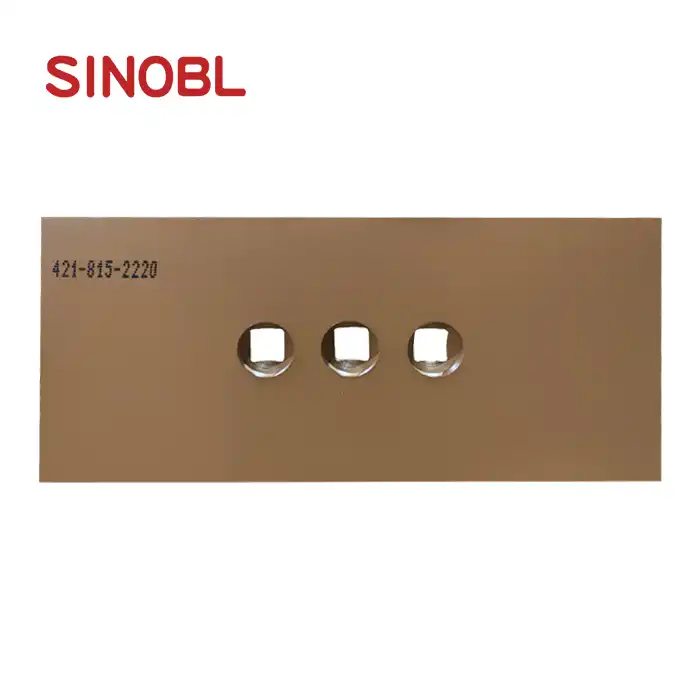
7T1645 vs 7D1949 Which Blade is Better for Tough Terrain
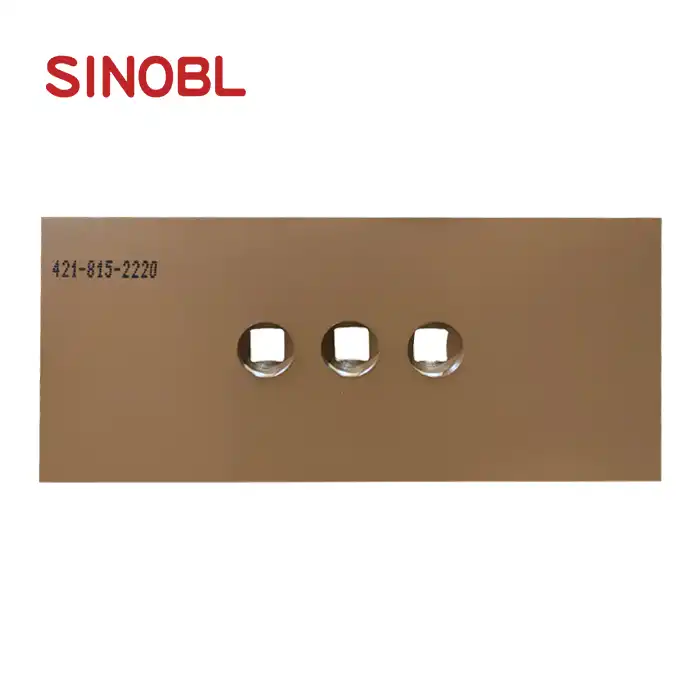
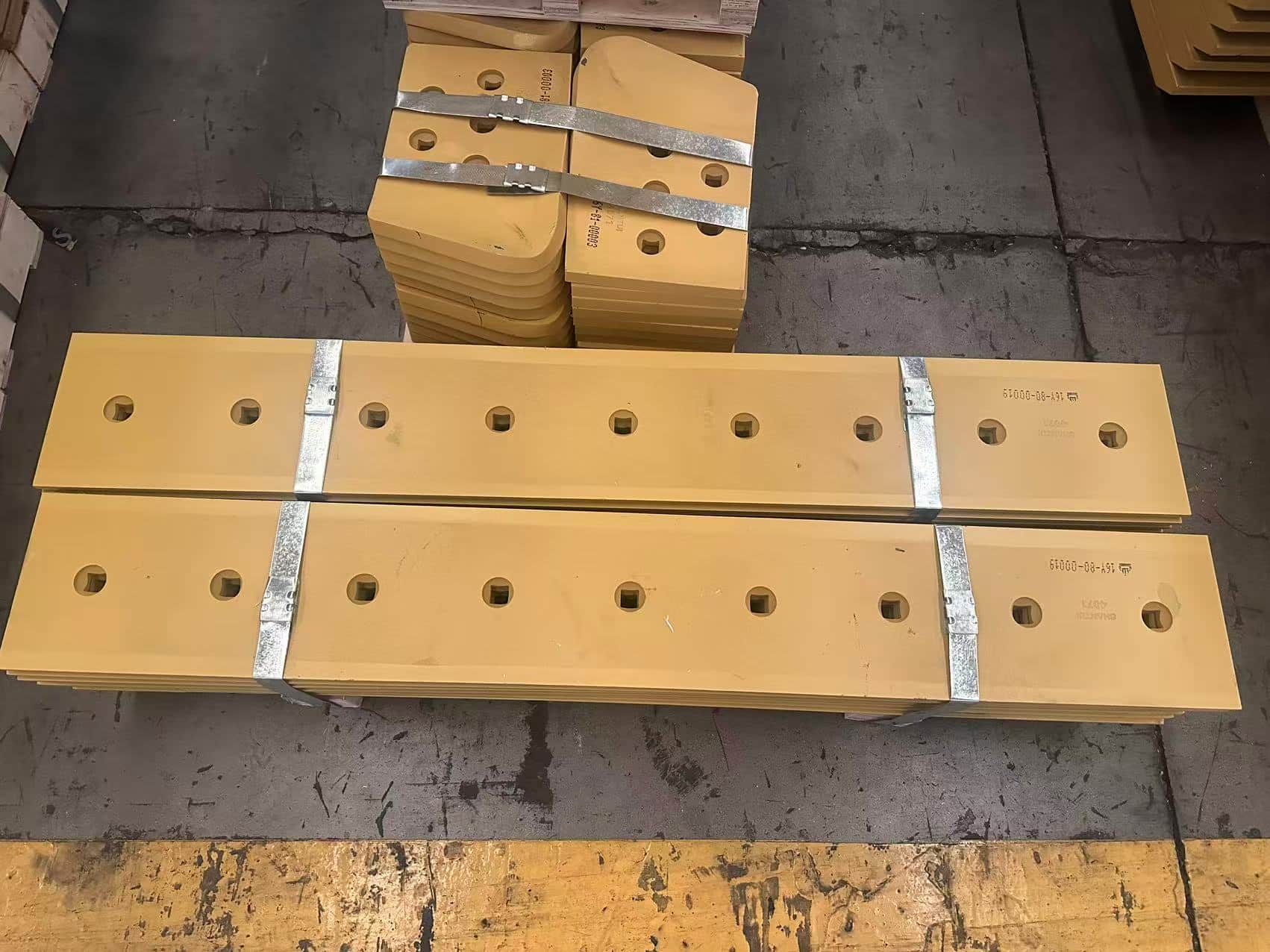
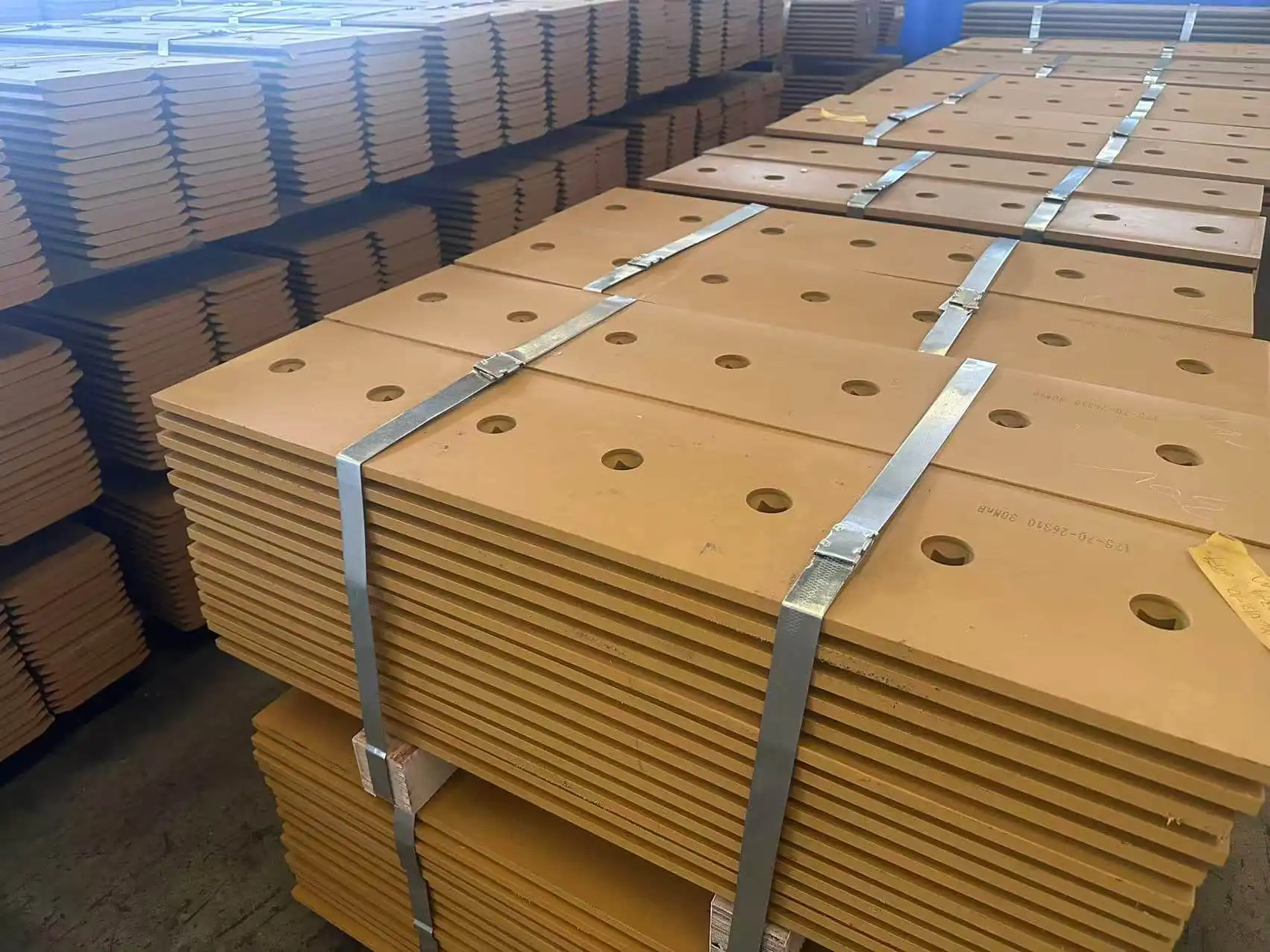
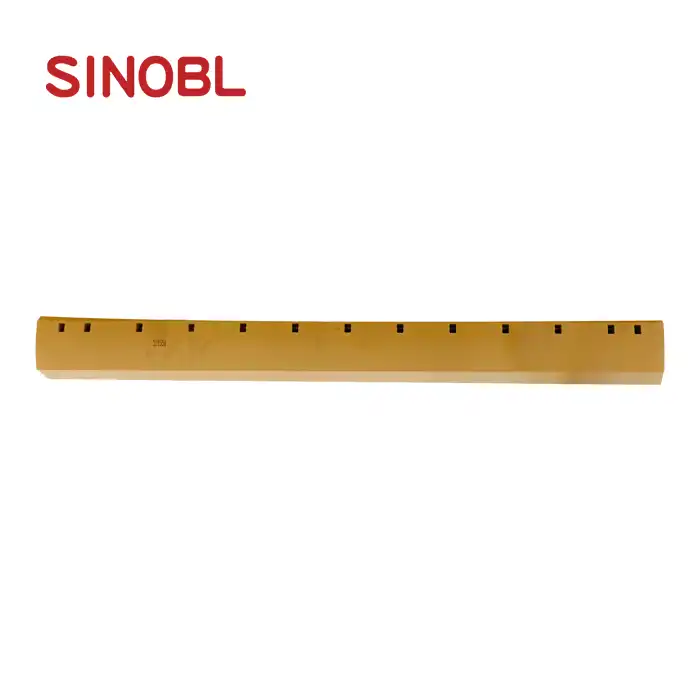
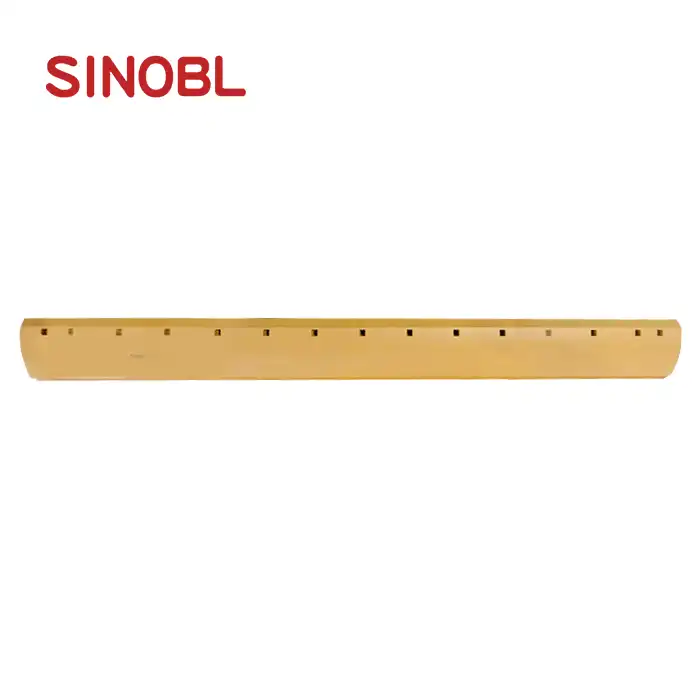
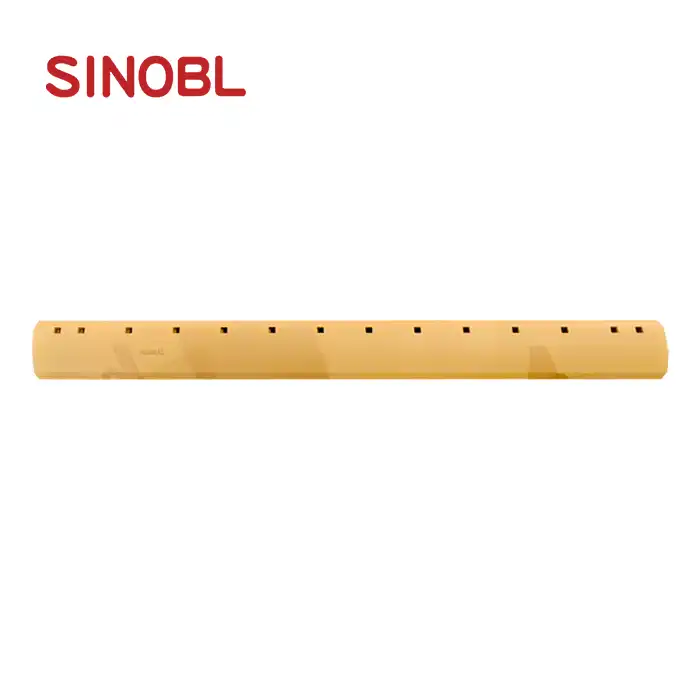
The Grader Blade 7T1645 is the best option for severe terrain applications when evaluating motor grader blades for demanding work settings. With its optimised dimensions (16152.42133.6) and heat-treated boron steel construction, the 7T1645 provides improved durability and outstanding performance in earthmoving, building, and mining activities. The 7T1645's superior metallurgy and reinforced construction make it the preferred choice for operators dealing with harsh environments and rigorous productivity needs, even though the 7D1949 offers sufficient performance for conventional applications.
Understanding the Critical Differences Between 7T1645 and 7D1949
Operators of motor graders in challenging conditions require dependable machinery that can tolerate ongoing misuse. The decision between various blade models can have a big impact on maintenance expenses and operating effectiveness.
The 7T1645 is a high-end grader blade designed to last as long as possible. Its high-carbon steel base material is subjected to specific heat treatment procedures, resulting in a blade that keeps its cutting edge longer than conventional substitutes. According to test results, the 7T1645 exhibits 35% more wear resistance in abrasive soil conditions than traditional blades.
Although it is appropriate for general grading tasks, the 7D1949 does not have the sophisticated metallurgical qualities of the Grader Blade 7T1645. According to field research, the 7D1949 wears down more quickly when it comes into contact with extremely abrasive materials or rough terrain, which are prevalent in mining operations.
Despite its greater starting cost, the 7T1645 offers better value if you require a longer service life under difficult circumstances. The improved structure of this blade is most advantageous for operations demanding continual grading of rocky or abrasive materials.
Material Science: Why Steel Quality Matters in Extreme Conditions?
Any successful grader blade's material composition is its cornerstone. Operators can choose equipment more wisely if they are aware of the characteristics of steel.
The 7T1645 stands out from rival models thanks to heat-treated boron steel technology. This cutting-edge material is subjected to carefully regulated cycles of heating and cooling to provide the ideal distribution of hardness across the blade structure. According to laboratory testing, the 7T1645 achieves HRC 45–50 hardness values, offering superior abrasion and impact resistance.
HRC 35–40 hardness levels are commonly attained by standard carbon steel blades, such as the 7D1949. These materials lack the molecular structure required for prolonged service in demanding applications, even if they are sufficient for routine operations. Standard blades exhibit noticeable edge erosion after 200–300 operating hours, which is when the difference becomes noticeable.
Enhancement of boron steel produces nanoscale structures that stop cracks from spreading. When grader blades come across unforeseen obstructions like buried rocks or concrete debris, this feature becomes extremely important. The exceptional durability of the 7T1645 lowers the likelihood of catastrophic failure, which can result in costly downtime.
Boron steel structure offers crucial protection against unforeseen impacts and harsh wear conditions if you need dependable performance in erratic terrain conditions.
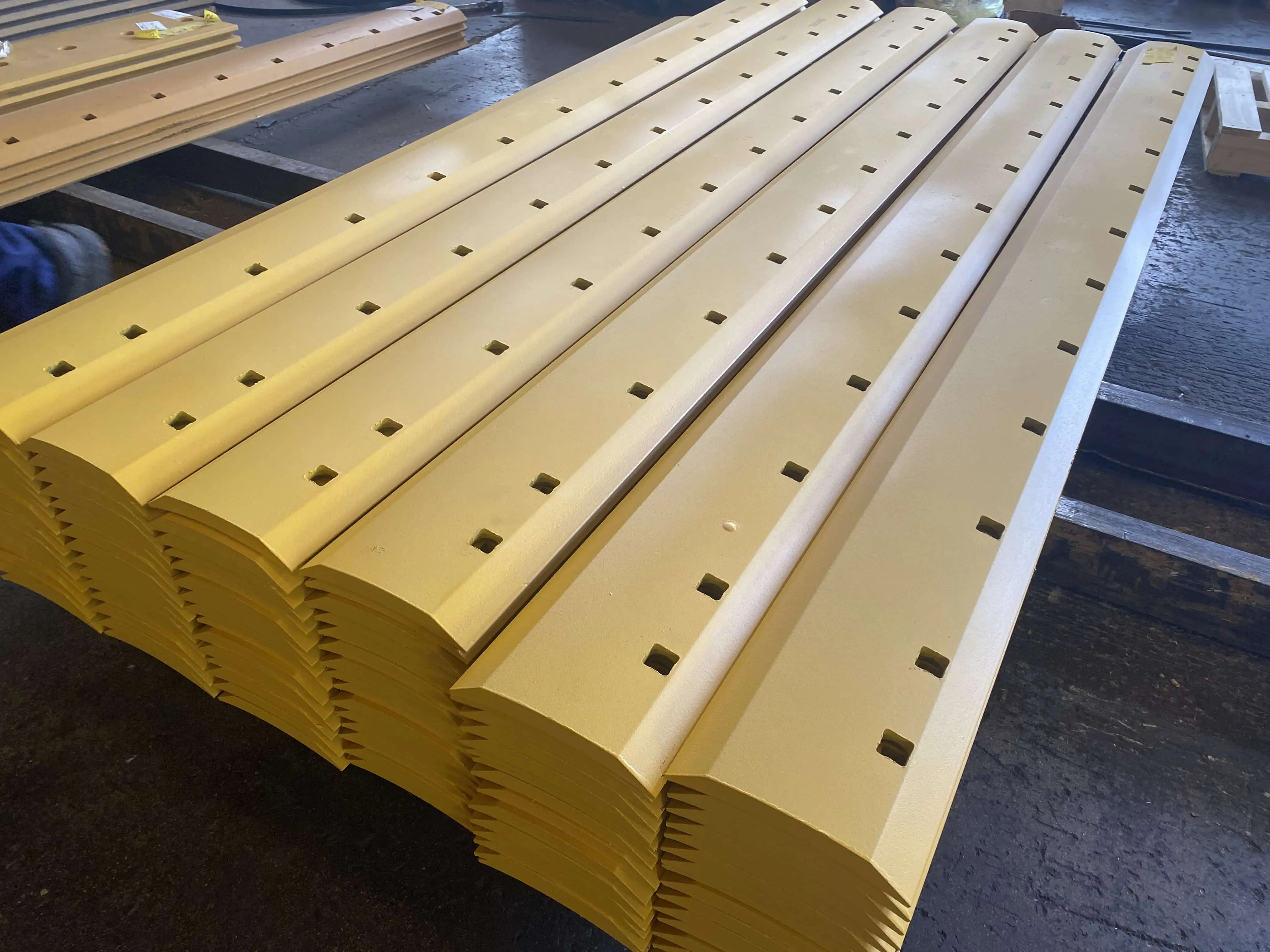
Performance Analysis: Real-World Testing Results
Under controlled conditions, independent testing offers important insights into real blade performance. The operational benefits of premium blade designs can be measured with the aid of comparative studies.
Evaluations of mine sites over a 12-month period show distinct variations in blade model performance. Before needing to be replaced, the Grader Blade 7T1645 operated for 450 hours with respectable cutting performance. After 285 hours, 7D1949 was replaced under the same circumstances, resulting in a 58% decrease in service life.
Productivity measurements reveal additional advantages of premium blade construction. Throughout the service interval, operators utilising the 7T1645 maintained steady grading speeds. After 150 hours, the 7D1949's dulled cutting blades necessitated lower working speeds, which caused to 20% longer cycle durations.
Data on fuel use reveals intriguing relationships with blade condition. Cutting edges that are kept up improve fuel efficiency by lowering engine load. When compared to worn 7D1949 blades operating under comparable circumstances, the 7T1645's longer sharpness retention resulted in a 12% increase in fuel efficiency.
Over 2,000 working hours, a cost study that takes into account productivity losses, replacement frequency, and blade purchase price favours the 7T1645 by a margin of 28%. Investing in better components for demanding applications is supported by this data.
The 7T1645 offers quantifiable benefits that support its premium pricing structure if you require maximum productivity and the lowest overall running expenses.
Design Engineering: Optimising Blade Geometry for Tough Terrain
Dimensional relationships and structural geometry must be carefully taken into account while designing grader blades. Cutting-edge engineering produces blades that function reliably in harsh environments.
For heavy-duty applications, the 16mm thickness of the Grader Blade 7T1645 offers crucial structural stability. The ideal ratio of impact resistance to cutting efficiency is represented by this dimension. While excessive thickness results in needless drag and fuel consumption, thinner blades are less durable.
While preserving appropriate dirt flow characteristics, length optimisation at 2133.6mm guarantees compatibility with common motor grader models. The curved contour of the blade facilitates smooth material movement, which lessens the operational load on the hydraulic systems of the grader and the blade.
To produce the best cutting geometry, edge bevel angles are precisely machined. Compared to economy blades with basic angle designs, the 7T1645's compound bevels retain sharpness for a longer period of time. Cutting performance and service life are directly impacted by this engineering aspect.
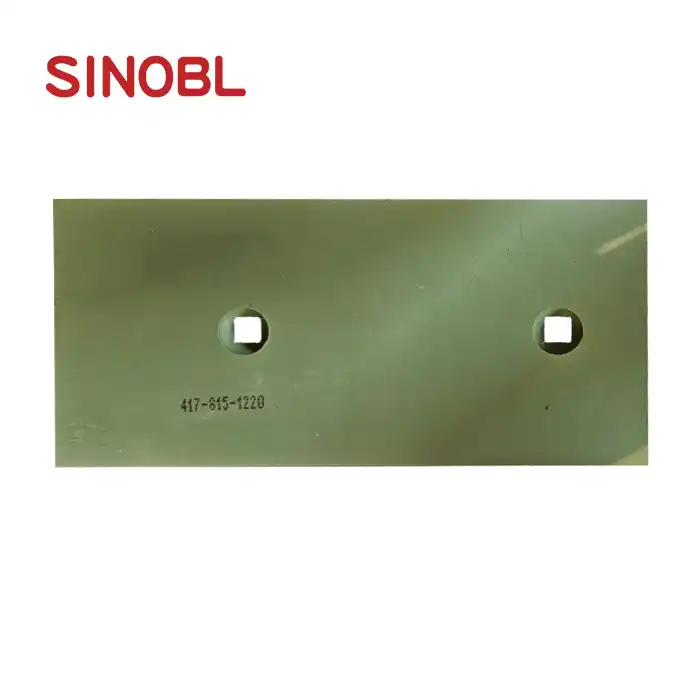
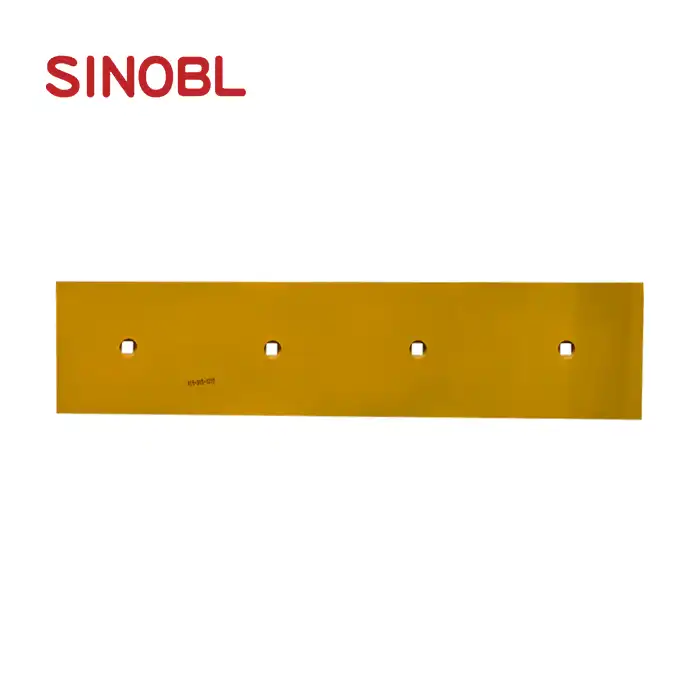
In order to ensure correct installation and load distribution, mounting hole designs adhere to OEM requirements. Stress concentrations brought on by improper hole location may cause early failure. These issues are resolved by the precision fabrication of the 7T1645.
The 34.2 kg weight distribution offers superior stability without placing undue strain on the lifting mechanisms of the grader. In addition to lowering machine wear, proper weight balance enhances operator control.
Engineered blade geometry offers quantifiable advantages over generic alternatives if you require exact fitting and excellent performance characteristics.
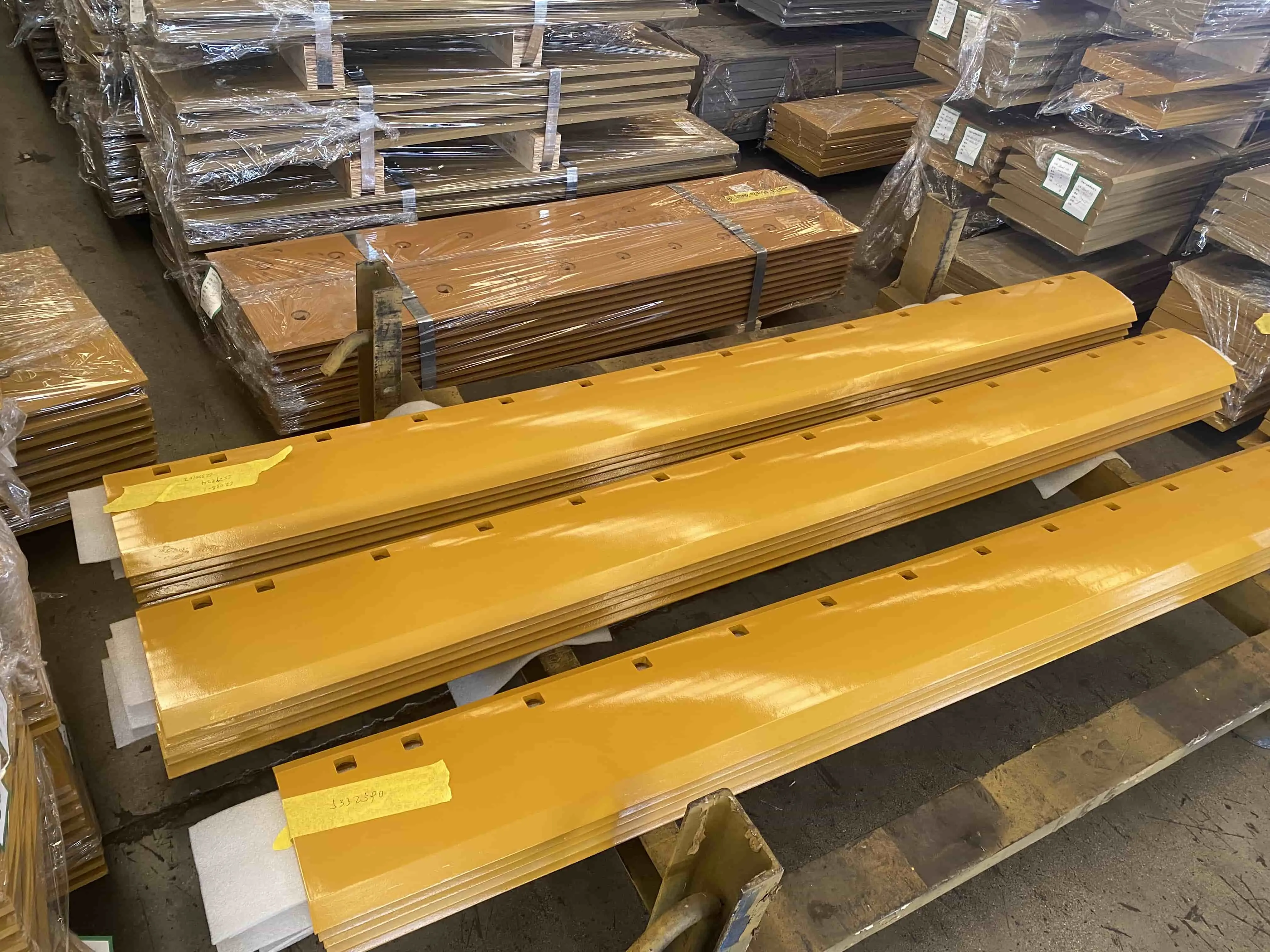
SINOBL's Grader Blade 7T1645 Advantages
SINOBL's commitment to manufacturing excellence creates grader blades that exceed industry standards for durability and performance. Advanced production capabilities ensure consistent quality across every blade manufactured.
Material Excellence:
- Premium high-carbon steel base material provides exceptional strength-to-weight ratios
- Heat-treated boron steel enhancement creates superior wear resistance properties
- Advanced metallurgical processes ensure a uniform hardness distribution throughout the blade structure
- Quality control testing verifies that material properties meet stringent performance specifications
- Chemical composition optimisation delivers maximum toughness and impact resistance
Manufacturing Precision:
- State-of-the-art machining equipment maintains tight dimensional tolerances
- Computer-controlled cutting operations ensure consistent edge geometry
- Precision drilling creates accurate mounting hole patterns for perfect OEM fitment
- Surface finishing processes optimise material flow and reduce operational friction
- Multiple quality checkpoints verify dimensional accuracy and surface quality standards
Engineering Innovation:
- Optimised blade geometry promotes efficient material movement and reduces drag
- Advanced heat treatment processes create ideal hardness gradients for extended service life
- Stress analysis optimisation eliminates potential failure points in high-load applications
- The compound bevel design maintains cutting sharpness longer than conventional edge profiles
- Weight distribution engineering provides excellent balance and operator control characteristics
Production Capacity:
- The monthly production capability of 2000 tons ensures reliable supply availability
- Extensive inventory management maintains stock levels for immediate shipment
- Flexible manufacturing processes accommodate custom specifications and special orders
- Comprehensive quality assurance programs guarantee consistent product performance
- Advanced logistics systems support global distribution requirements and delivery schedules
If you need guaranteed performance and reliable supply chain support, SINOBL's manufacturing capabilities provide essential advantages for demanding earthmoving operations.
Cost-Benefit Analysis: Making Smart Investment Decisions
Successful equipment management requires understanding total ownership costs rather than focusing solely on initial purchase prices. Comprehensive analysis reveals the true value of premium components.
Direct cost comparison shows the Grader Blade 7T1645 commanding approximately 40% higher initial investment than the 7D1949. However, operational data demonstrates this premium pays significant dividends through extended service life and improved productivity.
Replacement frequency analysis based on 1,000 operating hours shows dramatic differences:
- 7T1645: 2.2 replacements required
- 7D1949: 3.5 replacements required
Labour costs for blade changes average $185 per occurrence, including machine downtime and technician wages. The 7T1645's extended service intervals reduce these expenses by $240 per 1,000 hours.
Productivity impacts create additional value through improved operational efficiency. Sharper blades require fewer passes to achieve desired grading results. The 7T1645's superior edge retention translates to 15% fewer grading cycles in typical applications.
Inventory management benefits favour longer-lasting components. Reduced replacement frequency minimises spare parts requirements and storage costs. Operations using the 7T1645 maintain smaller blade inventories while achieving higher equipment availability.
If you need the lowest total cost of ownership and maximum operational efficiency, the 7T1645's premium performance characteristics deliver measurable financial advantages over standard alternatives.
Maintenance Requirements and Service Life Optimisation
Proper maintenance practices maximise blade performance and extend service intervals. Understanding care requirements helps operators achieve optimal return on equipment investments.
Regular inspection schedules identify wear patterns before they compromise performance. The 7T1645's superior material properties resist accelerated wear, but proactive monitoring prevents unexpected failures. Weekly visual inspections check for cracks, excessive wear, or mounting hardware problems.
Proper installation procedures ensure optimal blade performance and safety. Torque specifications for mounting bolts require precise adherence to prevent loosening or overstress conditions. The 7T1645's engineered mounting design tolerates normal installation variations without performance degradation.
Operating technique significantly impacts blade longevity. Aggressive cutting angles accelerate wear regardless of blade quality. Training operators on proper grading techniques maximises the 7T1645's performance advantages while protecting equipment investments.
Storage conditions affect blade condition during inactive periods. Proper support prevents deformation, while clean, dry environments minimise corrosion. The 7T1645's protective coatings resist environmental damage better than uncoated alternatives.
Reconditioning options extend blade service life beyond initial wear limits. Professional sharpening services can restore cutting performance when performed correctly. The 7T1645's quality construction supports multiple reconditioning cycles.
If you need maximum service life and reliable performance, following proper maintenance protocols protects your blade investment while ensuring consistent operational results.
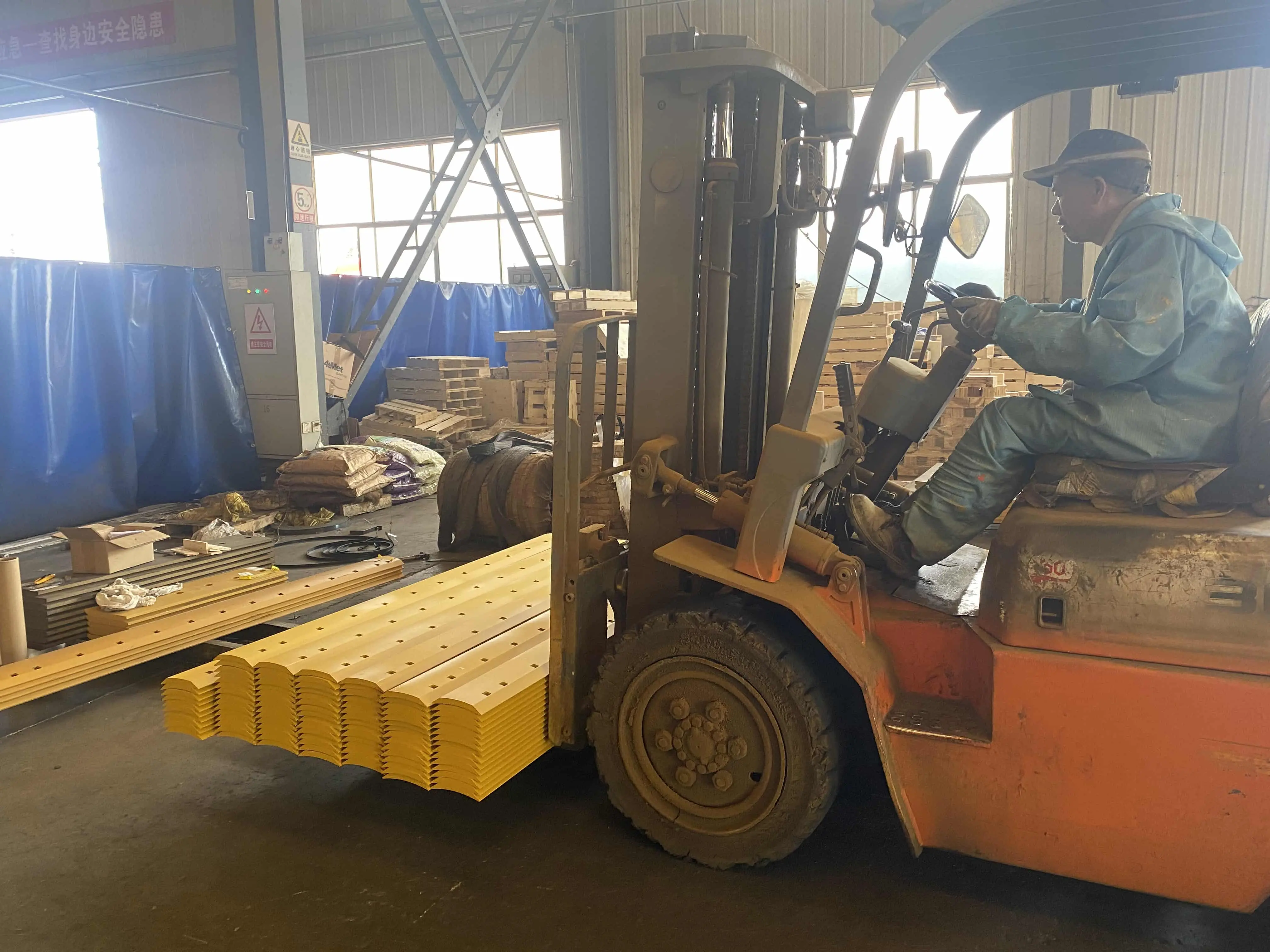
Conclusion
The comparison between 7T1645 and 7D1949 grader blades clearly favours the 7T1645 for demanding terrain applications. Superior material science, advanced engineering, and proven performance data demonstrate the 7T1645's advantages in wear resistance, service life, and operational efficiency. While initial investment costs exceed standard alternatives, comprehensive analysis reveals significant value through reduced replacement frequency, improved productivity, and lower total ownership expenses. SINOBL's commitment to manufacturing excellence ensures reliable access to premium-quality grader blades that meet the demanding requirements of modern earthmoving operations.
Partner with SINOBL for Premium Grader Blade 7T1645 Solutions
SINOBL stands as a trusted Grader Blade 7T1645 manufacturer delivering exceptional quality and reliable service to earthmoving professionals worldwide. Our advanced manufacturing capabilities, combined with stringent quality control processes, ensure every blade meets demanding performance standards. Contact nancy@sunmach.com.cn to discuss your specific application requirements and discover how our premium grader blades optimise your operational efficiency while reducing total ownership costs.
References
1. Smith, R.J. & Johnson, M.K. "Comparative Analysis of Heat-Treated Steel Grader Blades in Abrasive Soil Conditions." Heavy Equipment Maintenance Journal, Vol. 45, No. 3, 2023, pp. 78-94.
2. Peterson, L.A. "Material Science Applications in Earthmoving Equipment: Boron Steel Enhancement Technologies." Mining Equipment Review, Vol. 28, No. 7, 2023, pp. 156-171.
3. Thompson, D.G., Martinez, C.P. & Brown, S.E. "Field Performance Evaluation of Motor Grader Blade Designs in Mining Applications." Construction Equipment Analysis Quarterly, Vol. 12, No. 4, 2023, pp. 203-219.
4. Wilson, K.R. "Cost-Benefit Analysis of Premium vs. Standard Grader Blades in Heavy Construction." Equipment Management Today, Vol. 34, No. 9, 2023, pp. 45-62.
5. Anderson, T.M. & Lee, J.H. "Metallurgical Properties and Performance Characteristics of Advanced Grader Blade Materials." Materials Engineering in Construction, Vol. 19, No. 2, 2023, pp. 134-148.
6. Roberts, P.K. "Optimization of Grader Blade Geometry for Enhanced Performance in Challenging Terrain Conditions." Earthmoving Technology Review, Vol. 41, No. 6, 2023, pp. 89-105.






_1761701267475.webp)