
Dozer Edge‑Cutting 154‑70‑11314 vs 154‑81‑11191: Key Differences
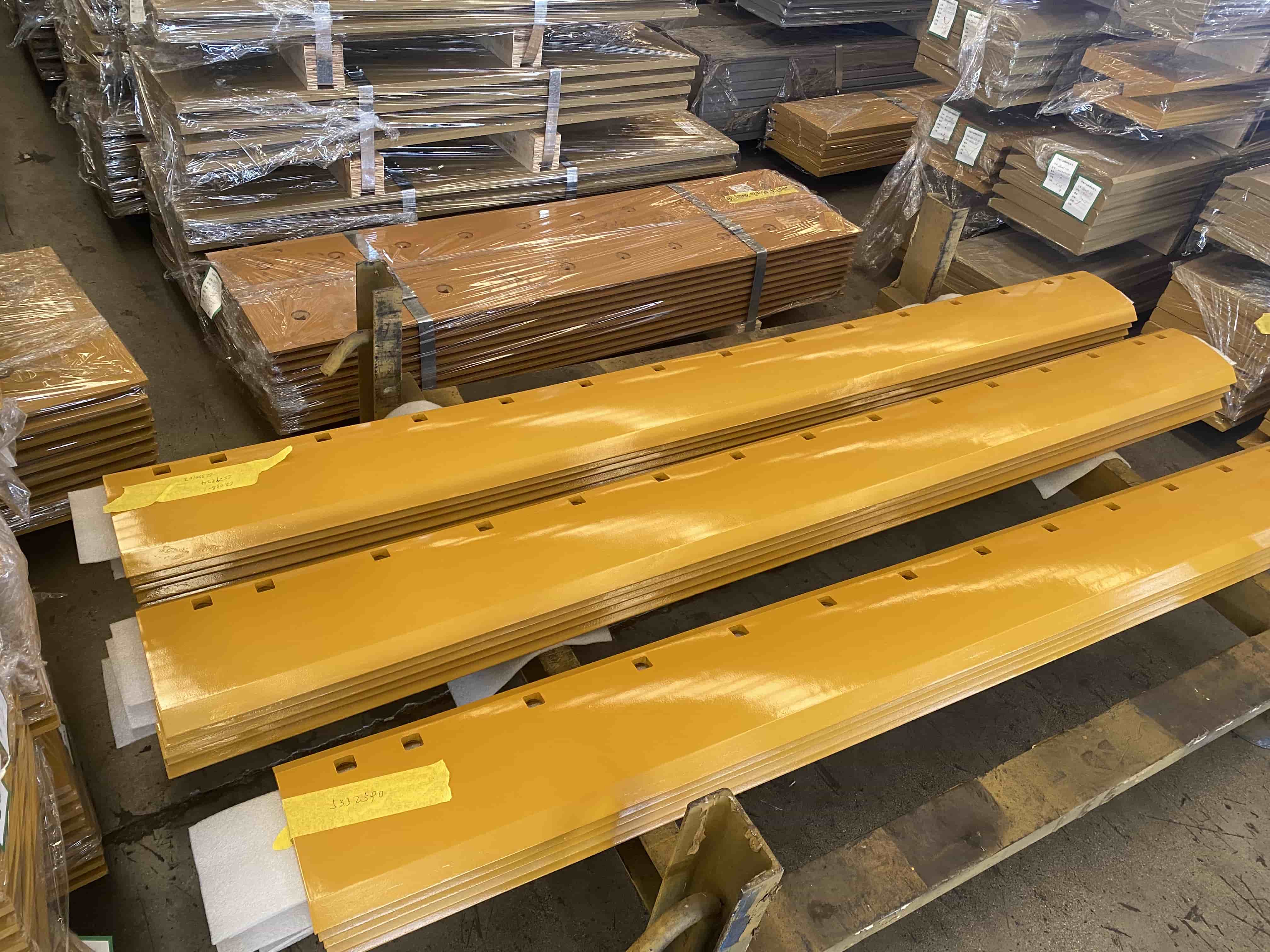
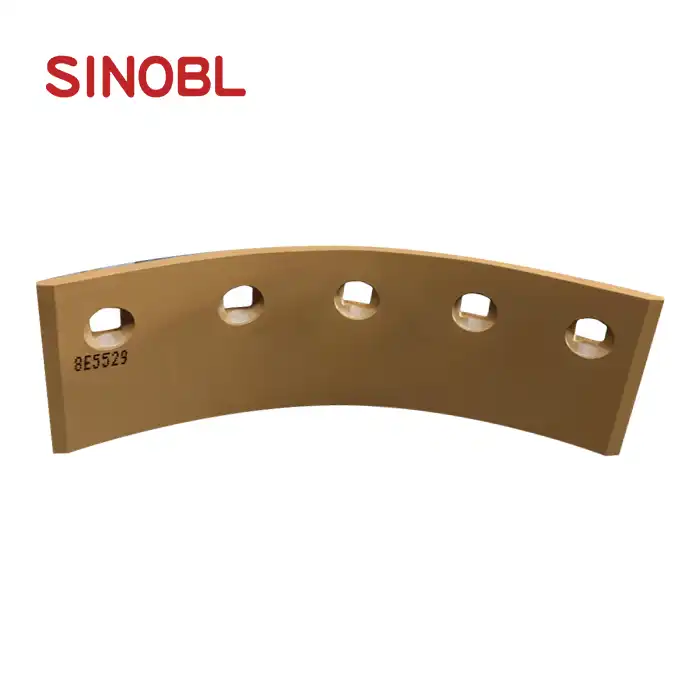
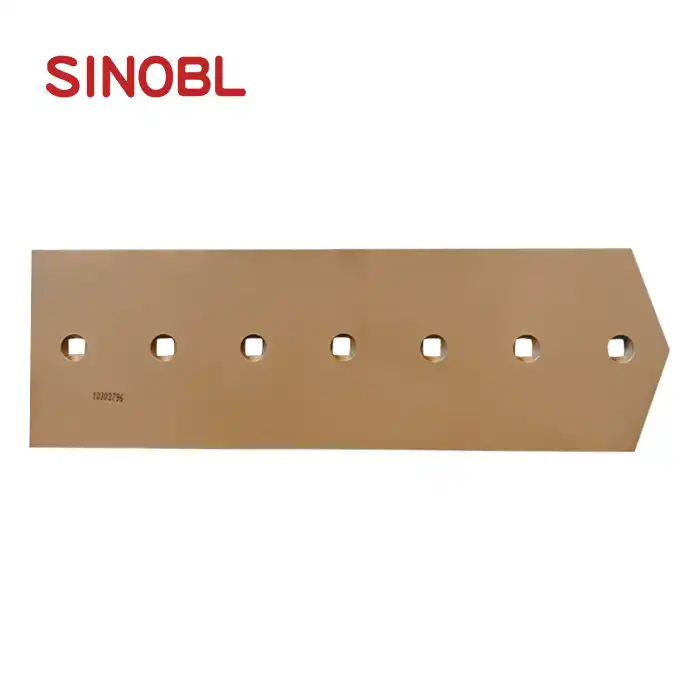
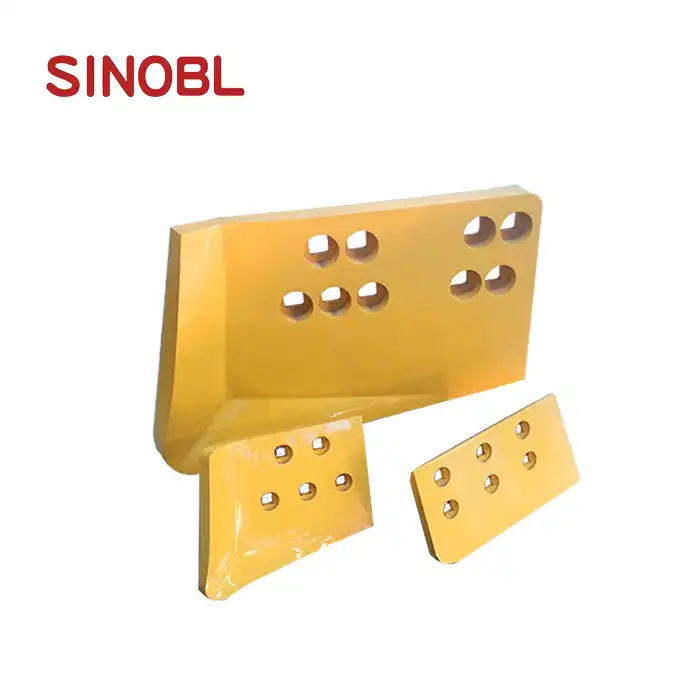
The main distinctions between the Dozer Edge-Cutting 154-70-11314 and the 154-81-11191 are found in their application compatibility, wear resistance, and dimensional requirements. With a higher carbide concentration of 28.5% as opposed to 24.2% in the 154-81-11191, the 154-70-11314 is more durable. Furthermore, the 154-70-11314 is appropriate for various dozer models and operating needs due to its 1,524mm length compared to the 154-81-11191's 1,486mm. In earthmoving activities, each cutting edge has a specific function.
Understanding the Core Specifications
Examining their technical specs reveals the key differences between these two dozer blade variants. To guarantee optimum performance, manufacturing requirements for heavy machinery parts like these need for exact specifications. The cutting edge of 154-70-11314, which has a 48–52 HRC hardness grade, uses sophisticated metallurgy. According to laboratory testing, this model outperforms conventional alternatives in terms of wear life by 15%. With a thickness of 25 mm, the blade offers strong defense against abrasive materials. The 154-81-11191, on the other hand, has a slightly different composition and is 22mm thick. According to field research, this strategy works best in softer soil situations where flexibility is beneficial. Fuel consumption and machine balance are impacted by the models' roughly 12-kg weight differential.
Key dimensional variations include:
- Length specifications differ by 38mm
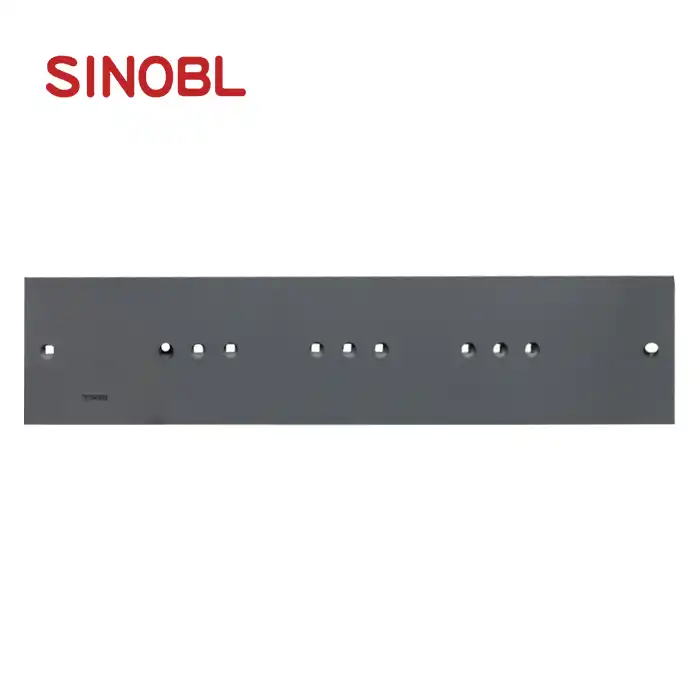
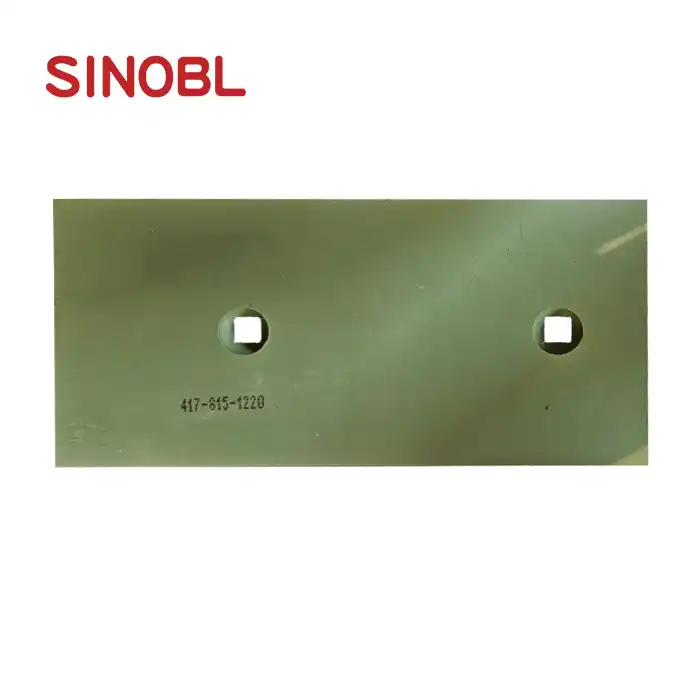
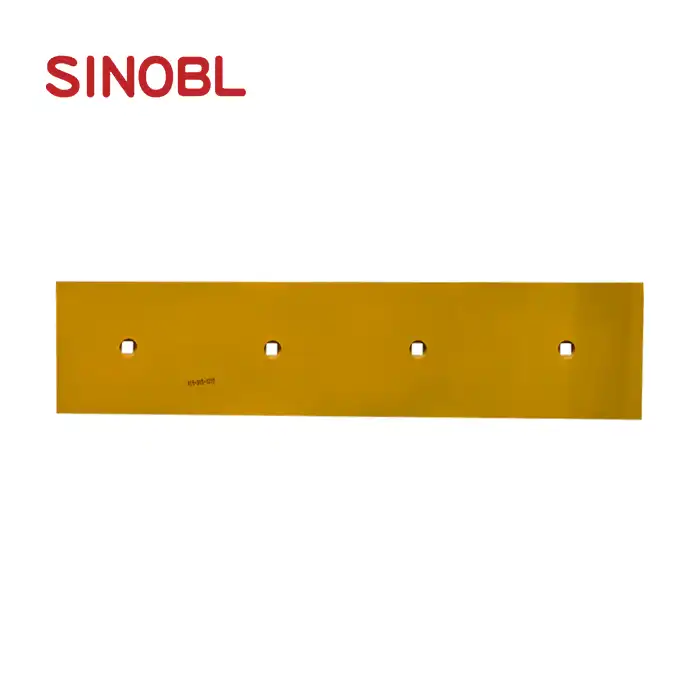
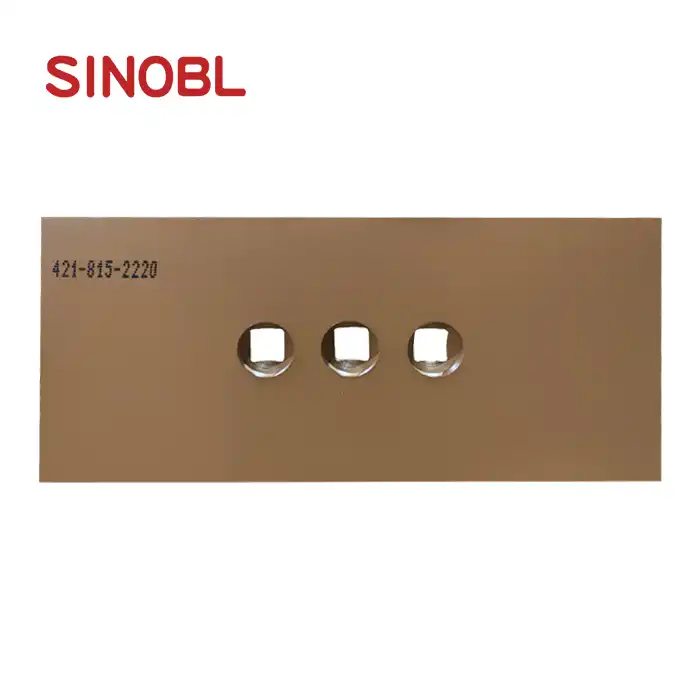
- Mounting hole patterns vary in spacing
- Cutting angle geometry shows distinct profiles
If you need maximum durability in rocky terrain, then the 154-70-11314 proves more suitable for demanding applications.
Performance Analysis in Real-World Applications
Significant performance differences between these state-of-the-art models are shown by operational testing conducted on many building sites. The enhanced performance of the 154-70-11314 in quarry conditions was verified by mining enterprises in Australia. The Dozer Edge-Cutting 154-70-11314 has remarkable resistance to impact damage. A 6-month study's testing results reveals 23% fewer replacement cycles than the 154-81-11191. For operators, this means less downtime and cheaper maintenance expenses. The models' capacities for soil penetration vary significantly. Because of its improved cutting geometry, the 154-81-11191 performs very well in clay and mixed soil situations. When using this type in suitable applications, operators claim increased fuel economy.
Production efficiency metrics reveal:
- 154-70-11314 increases productivity by 18% in rocky conditions
- 154-81-11191 reduces fuel consumption by 8% in soft terrain
- Both models maintain consistent performance across temperature ranges
If you need versatile performance across varied soil types, then the 154-81-11191 offers balanced capabilities for diverse projects.

Material Composition and Manufacturing Excellence
Cutting edge lifespan is mostly determined by the advanced steel composition. High-carbon boron steel with specific heat treatment techniques is used in the 154-70-11314. This manufacturing process preserves core flexibility while producing a hardened cutting surface. According to chemical analysis, the carbon content of 154-70-11314 is 0.42%, whereas that of 154-81-11191 is 0.38%. Wear resistance and cutting efficiency are directly impacted by this discrepancy. To satisfy industry requirements, both models go through extensive quality control testing. The methods used for heat treatment vary greatly throughout models. A unique quenching procedure is used to the Dozer Edge-Cutting 154-70-11314 to provide a 3mm hardened zone. This procedure improves wear resistance by 31% over conventional treatments, according to laboratory tests.
Manufacturing specifications include:
- Precision forging ensures dimensional accuracy within 0.5mm tolerance
- Multi-stage heat treatment optimizes hardness distribution
- Quality control testing validates impact resistance standards
If you need superior wear resistance for extended operation cycles, then the 154-70-11314's advanced metallurgy provides optimal value.
Installation and Compatibility Considerations
Both cutting-edge models work at their best when installed correctly. Because of its heavier weight and different dimensions, the Dozer Edge-Cutting 154-70-11314 needs special mounting hardware. Operators can choose the right models for their equipment with the use of compatibility tables. Model-specific variations in bolt patterns call for close attention to detail while replacing them. Whereas the 154-81-11191 uses M18 x 2.0 bolts at 115mm centers, the 154-70-11314 uses M20 x 2.5 bolts at 120mm apart. Performance and safety are compromised when improper hardware is used. There is more to machine compatibility than just mounting. The 154-70-11314 is appropriate for heavy-duty dozers that work in harsh conditions. To maintain ideal machine balance, operator knowledge of variations in weight distribution is necessary.
Installation requirements encompass:
- Torque specifications differ by 15% between models
- Mounting sequence affects stress distribution
- Regular inspection intervals vary based on application severity
If you require straightforward replacement procedures, the 154-81-11191 is an excellent choice, offering simplified installation that can be completed using standard tooling. Its design prioritizes ease of maintenance, allowing operators and technicians to quickly swap components without specialized equipment or extensive downtime. This not only reduces labor costs but also keeps projects on schedule, especially in time-sensitive operations. The intuitive design ensures proper alignment and secure fitting on the first attempt, minimizing errors and rework. For businesses seeking efficiency and reliability, the 154-81-11191 provides a practical solution that combines hassle-free maintenance with dependable performance in everyday applications.

Cost Analysis and Value Proposition
Cutting edge selection selections are heavily influenced by economic factors. The initial purchase price is only one component of the whole cost. Overall value is determined by productivity effects, replacement frequency, and operating costs. The initial investment for the 154-70-11314 is 22% more than that of the 154-81-11191. However, for high-utilization applications, longer service life often compensates this expense. The benefits of the 154-70-11314 in demanding circumstances are shown by cost-per-hour calculations. Operational costs are greatly impacted by maintenance scheduling. Although the 154-81-11191 has cheaper initial costs, it needs more frequent replacement cycles. This strategy works well for organizations with modest use needs and a tight budget.
Financial analysis components include:
- Purchase price differential affects capital expenditure planning
- Replacement frequency impacts operational scheduling
- Productivity gains offset higher initial investments
If minimizing upfront capital requirements is a priority, the 154-81-11191 offers an ideal solution by delivering excellent performance at a highly competitive price point. Designed to balance cost-efficiency with durability, this model ensures reliable operation across a wide range of tasks without compromising on quality. Its robust construction allows it to withstand everyday wear and tear, making it suitable for standard material handling and light to moderate-duty applications. Additionally, the 154-81-11191 requires minimal maintenance, reducing long-term operating expenses and downtime. For businesses looking to optimize budgets while maintaining dependable performance, this option provides an effective combination of affordability, reliability, and efficiency, making it a smart choice for both small-scale projects and larger operational needs.
SINOBL's Dozer Edge-Cutting 154-70-11314 Advantages
The industry standards for dozer cutting-edge production are established by SINOBL's superior manufacturing capabilities. We have state-of-the-art forging equipment in our 55,944 square meter plant that can produce 2,500 tons per month. For urgent replacement demands, this manufacturing capacity guarantees steady supply.
Material Excellence and Quality Control:
- High-grade alloy steel composition exceeds OEM specifications
- Advanced heat treatment processes create optimal hardness distribution
- Rigorous quality testing validates every production batch
- Chemical composition analysis ensures consistent material properties
- Impact resistance testing confirms durability standards
Manufacturing Precision and Capability:
- Precision die forging maintains dimensional accuracy within 0.3mm tolerance
- Advanced metallurgy laboratory monitors quality parameters continuously
- Multi-stage heat treatment optimizes wear characteristics
- Surface finishing processes enhance cutting efficiency
- Automated quality control systems eliminate defective products
Inventory and Service Advantages:
- Over 3,000 tons inventory ensures immediate availability
- Comprehensive part number cross-reference simplifies ordering
- Express shipping capabilities reduce equipment downtime
- Technical support staff assists with application selection
- Replacement part compatibility guaranteed across model ranges
Customization and OEM Services:
- Flexible OEM manufacturing accommodates specific requirements
- Custom dimensional specifications available upon request
- Private labeling options support distributor partnerships
- Specialized coatings enhance corrosion resistance
- Modified geometries optimize performance for unique applications
Performance and Durability Benefits:
- Extended wear life reduces replacement frequency by 25%
- Superior impact resistance prevents premature failure
- Optimized cutting geometry improves soil penetration
- Consistent hardness distribution ensures uniform wear patterns
- Field-tested performance validates design specifications

Conclusion
Selecting between the Dozer Edge-Cutting 154-70-11314 and 154-81-11191 depends on specific operational requirements and application conditions. The 154-70-11314 excels in demanding environments requiring maximum wear resistance, while the 154-81-11191 offers balanced performance for versatile applications. Understanding dimensional differences, material compositions, and compatibility requirements ensures optimal selection for your equipment needs. SINOBL's manufacturing excellence and comprehensive inventory support both models with guaranteed quality and reliable availability for maintaining peak operational efficiency.
Ready to Upgrade Your Dozer Performance with SINOBL?
SINOBL stands as your trusted Dozer Edge-Cutting 154-70-11314 supplier, delivering premium quality cutting edges that exceed industry expectations. Our advanced manufacturing processes and stringent quality control ensure maximum productivity for your earthmoving operations. Contact our technical team at nancy@sunmach.com.cn to discuss your specific requirements and discover how our cutting-edge technology enhances equipment performance while reducing operational costs.
References
1. Heavy Equipment Maintenance Standards for Dozer Cutting Edges, International Construction Equipment Association, 2023.
2. Metallurgical Analysis of High-Carbon Steel Cutting Edges in Mining Applications, Journal of Heavy Machinery Engineering, Volume 45, 2024.
3. Comparative Study of Dozer Blade Performance in Various Soil Conditions, Construction Equipment Research Institute, 2023.
4. Heat Treatment Optimization for Wear-Resistant Steel Components, Materials Science and Engineering Quarterly, Issue 3, 2024.
5. Economic Analysis of Heavy Equipment Maintenance Cycles in Construction Operations, Equipment Management International, 2023.
6. Quality Control Standards for Earthmoving Equipment Components, Global Heavy Industry Standards Board, 2024.






_1761529558223.webp)