
Best OEM Options for 7D1158 Grader Blade Global Buyers
It's important to carefully examine manufacturing quality, material requirements, and supplier reliability when choosing the best Grader Blade 7D1158 for your heavy equipment operations. The best OEM choices guarantee that your motor graders continue to operate at their best across difficult terrain by combining exceptional durability with affordable prices. High-quality 7D1158 grader blades are vital parts for road maintenance, mining, and construction workers all over the world because of their heat-treated boron steel construction, exact dimensional precision, and shown compatibility with key equipment brands.
Why Focus on Premium 7D1158 Grader Blade Selection?
Operators of heavy machinery are aware that maintenance expenses and operating effectiveness are directly impacted by grader blade quality. The 7D1158 model is an example of a crucial wear component that deals with severe abrasion, impact forces, and environmental difficulties on a regular basis. Selecting subpar blades results in more frequent repairs, longer downtime, and greater operating costs.
Premium Grader Blade 7D1158 use precision engineering and advanced metallurgy to produce quantifiable benefits. When compared to conventional options, a high-carbon steel structure with heat treatment techniques produces higher wear resistance. When investing in high-quality OEM components as opposed to aftermarket alternatives, professional fleet managers claim a 40% longer service life.
Consistent product quality and dependable supply chains are essential in the global heavy equipment market. Construction projects cannot afford to be delayed by incompatibilities or blade failures. Suppliers who comprehend these operating realities and provide in accordance with them are given priority by equipment dealers and maintenance directors.
Selection Criteria for Superior Grader Blade Performance
Material Quality and Heat Treatment Standards
The composition of the materials and the manufacturing procedures are the first steps in assessing the quality of grader blades. High-carbon steel with regulated heat treatment cycles is used in the premium Grader Blade 7D1158 to maximize the balance between toughness and hardness. This combination keeps its cutting blades sharp throughout long service times and is resistant to shattering under impact.
Blade performance qualities are directly impacted by heat treatment requirements. A consistent grain structure that can tolerate stress concentrations is produced by appropriate quenching and tempering procedures. To obtain uniform mechanical qualities throughout production batches, skilled manufacturers maintain stringent temperature controls and cooling rates.
Dimensional Precision and Compatibility
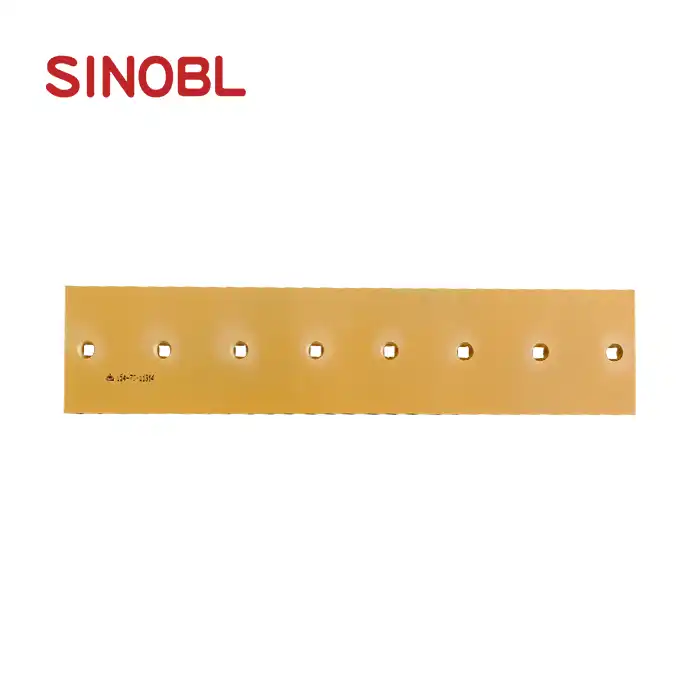
Precise dimensional control throughout manufacture is necessary for OEM compatibility. For correct attachment and ideal blade geometry, the 7D1158 standard requires precise measurements. Changes in hole designs, thickness, or length make installation difficult and reduce cutting effectiveness.
To ensure tight tolerances, quality manufacturers use CNC machining and precision shaping procedures. This focus on dimensional correctness guarantees correct alignment with graded moldboards and seamless installation. Equipment operators like parts that install correctly and don't need to be adjusted or modified.
Supply Chain Reliability and Global Availability
Reliable parts availability across several regions is necessary for international mining and construction activities. Preferred vendors provide consistent delivery schedules for scheduled maintenance cycles while maintaining inventory levels to fulfil urgent replacement needs.
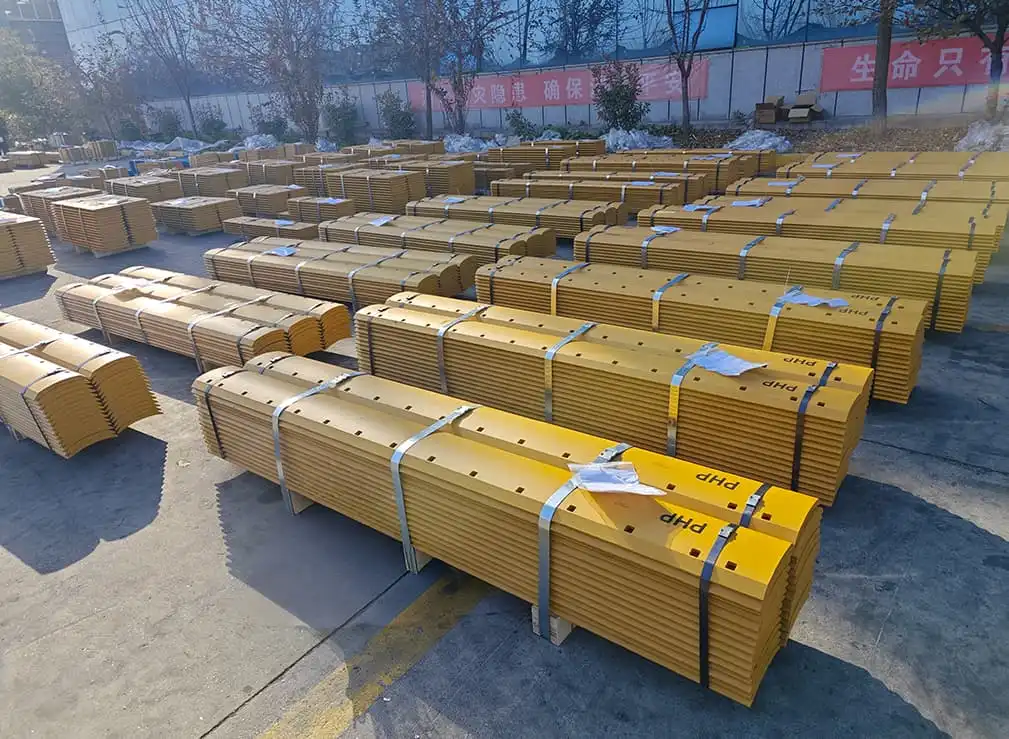
Reputable producers make investments in distribution systems that efficiently cater to global markets. This includes paperwork that makes customs clearance easier and appropriate packaging for long-distance shipping. Expert purchasing managers respect vendors who are aware of the demands of international logistics.
Top 7D1158 Grader Blade Options for Global Markets
SINOBL Premium Heat-Treated Grader Blade
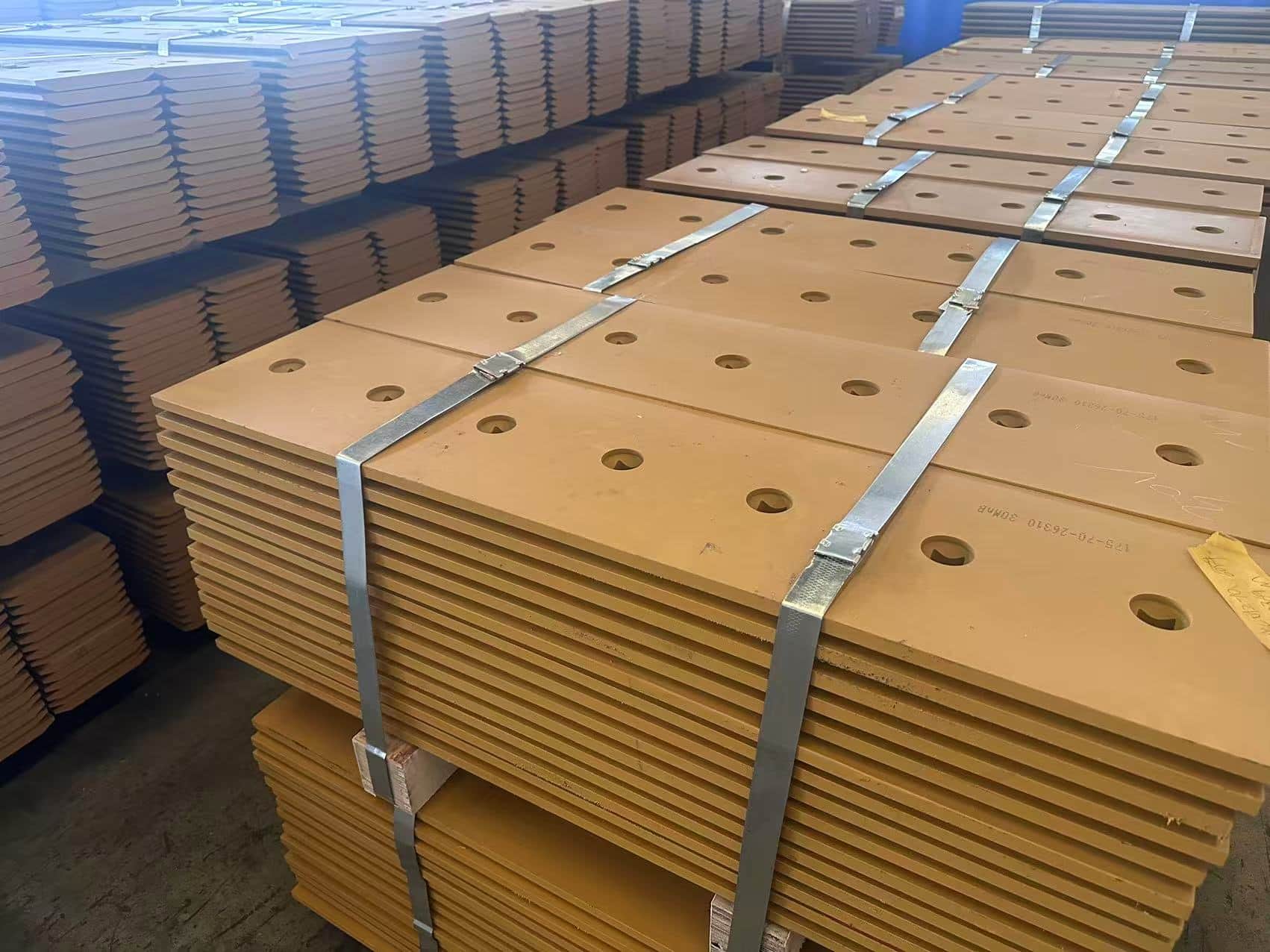
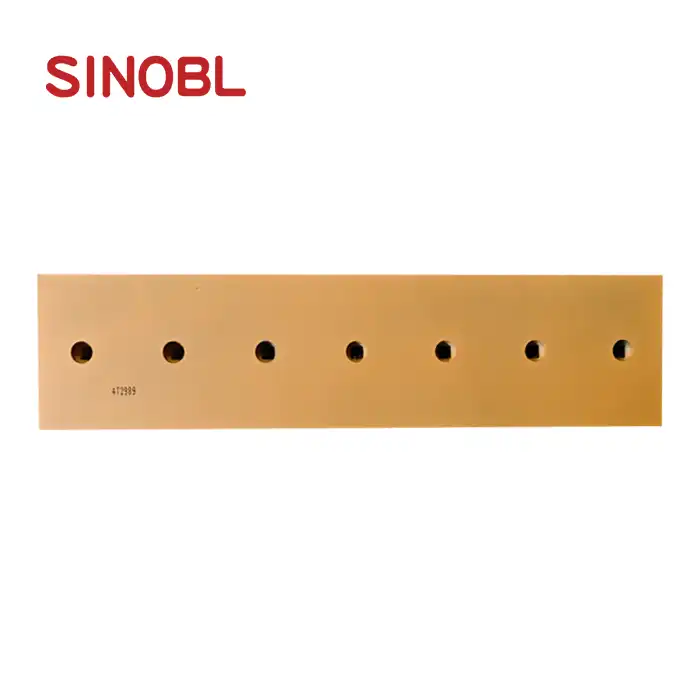
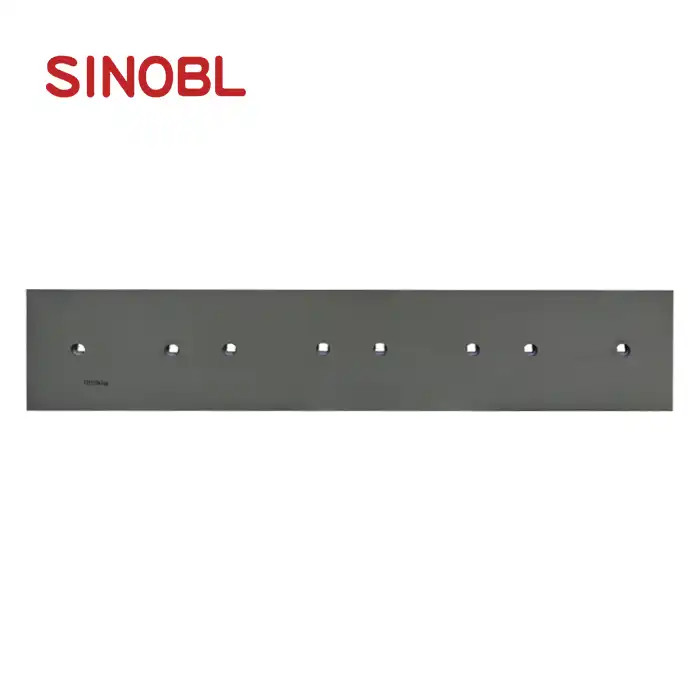
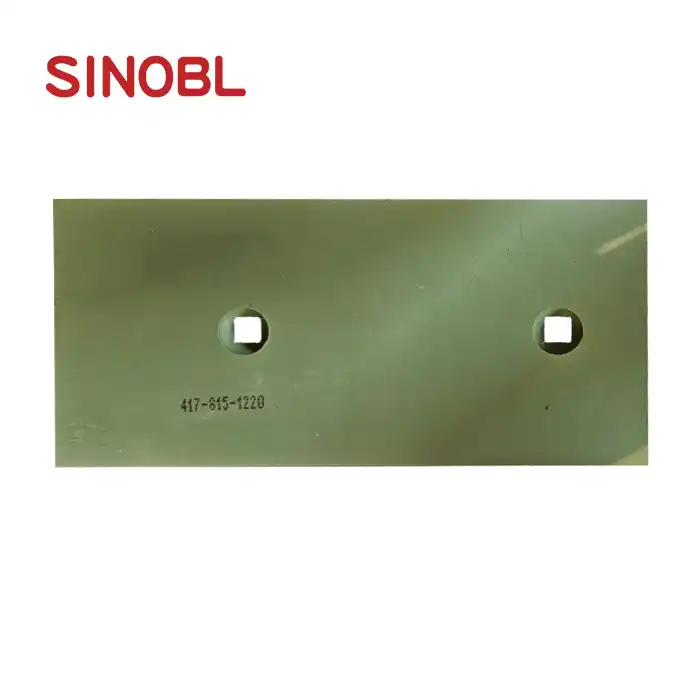
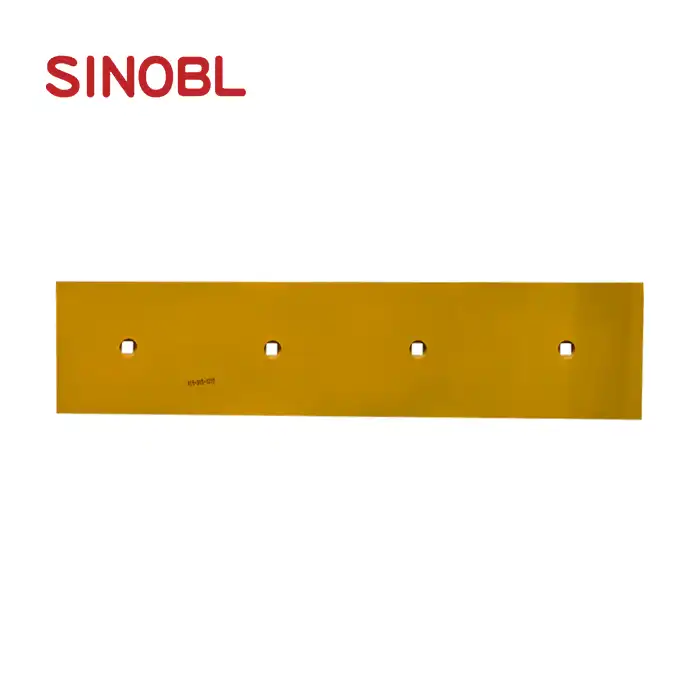
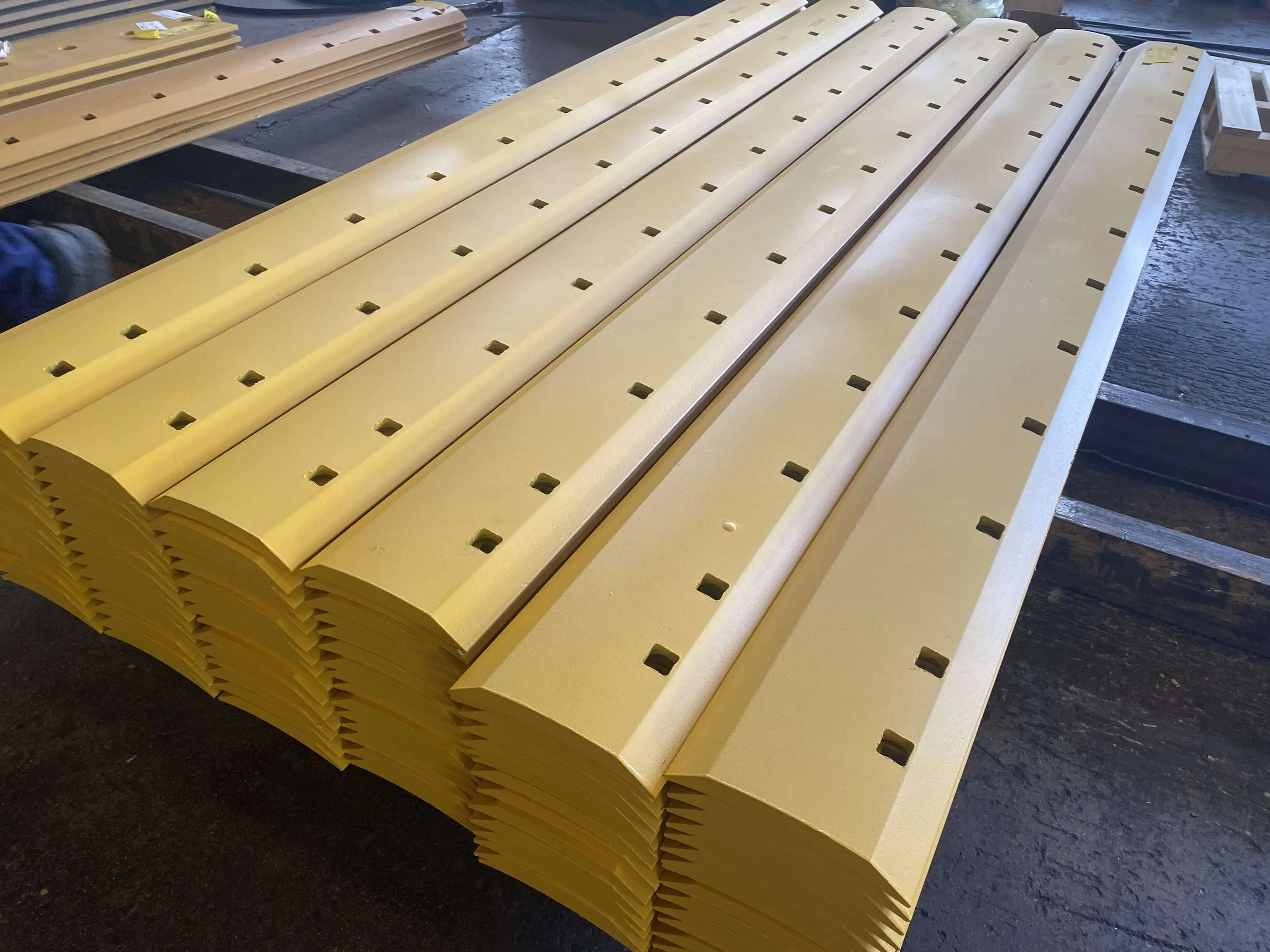
With characteristics that surpass industry norms, SINOBL's 7D1158 grader blade is a prime example of professional-grade production. Measuring 16 x 203.2 x 2133.6 millimetres, this 50-kilogram blade is made of high-carbon steel that has undergone certain heat treatment procedures.
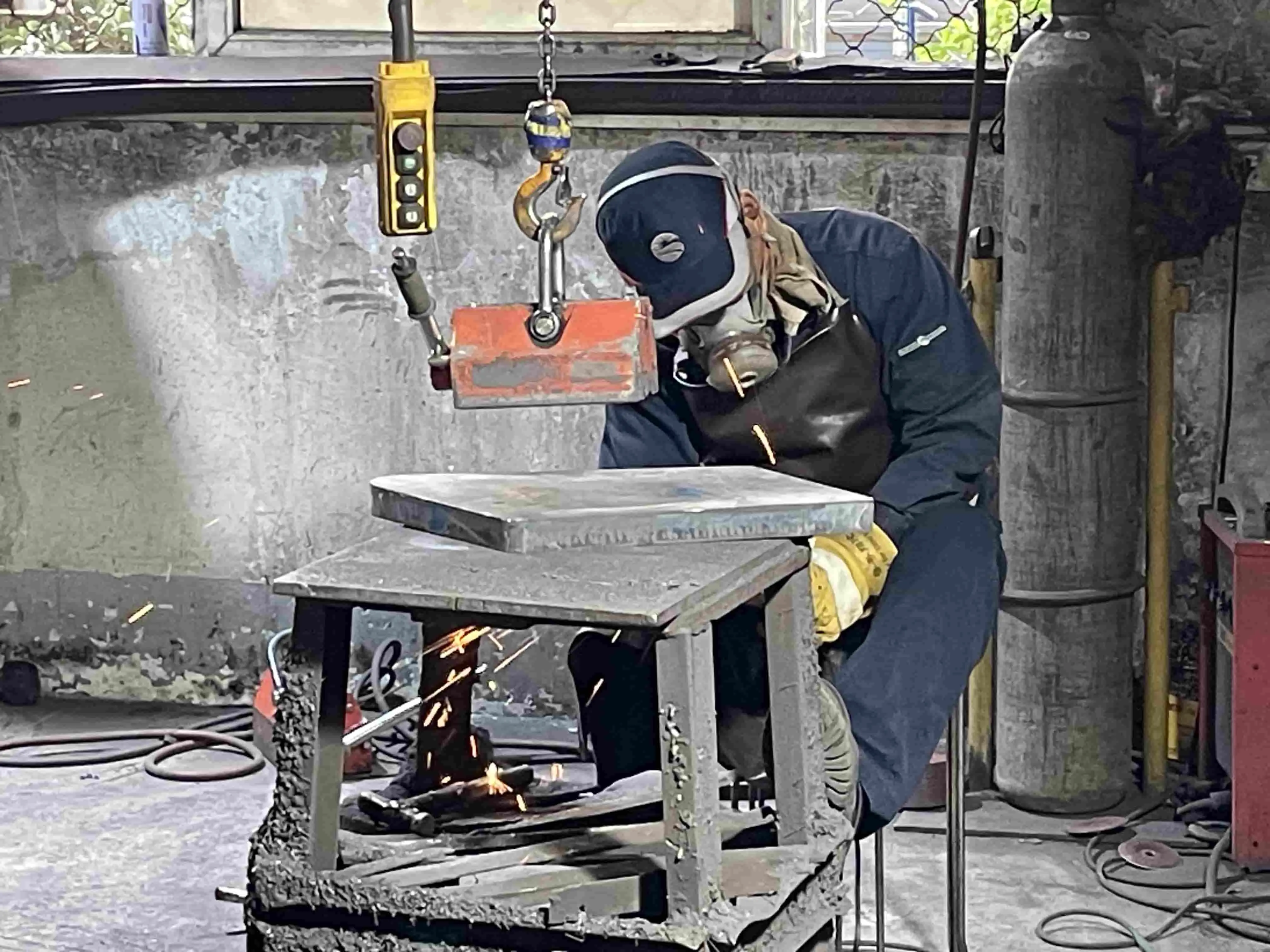
Metal manufacture, rolling, profiling, machining, heat treatment, shot blasting, painting, and cautious packaging are all included in the manufacturing process. To confirm material qualities and dimensional precision, every blade is put through extensive quality control testing. The ideal hardness distribution is produced by the heat treatment procedure, which preserves impact resistance while preventing wear.
The technical team at SINOBL creates blades for demanding applications in agriculture, road maintenance, and construction. Precise material selection and regulated manufacturing methods are responsible for the exceptional durability. Easy integration with current equipment fleets is ensured by compatibility with the main grader models.
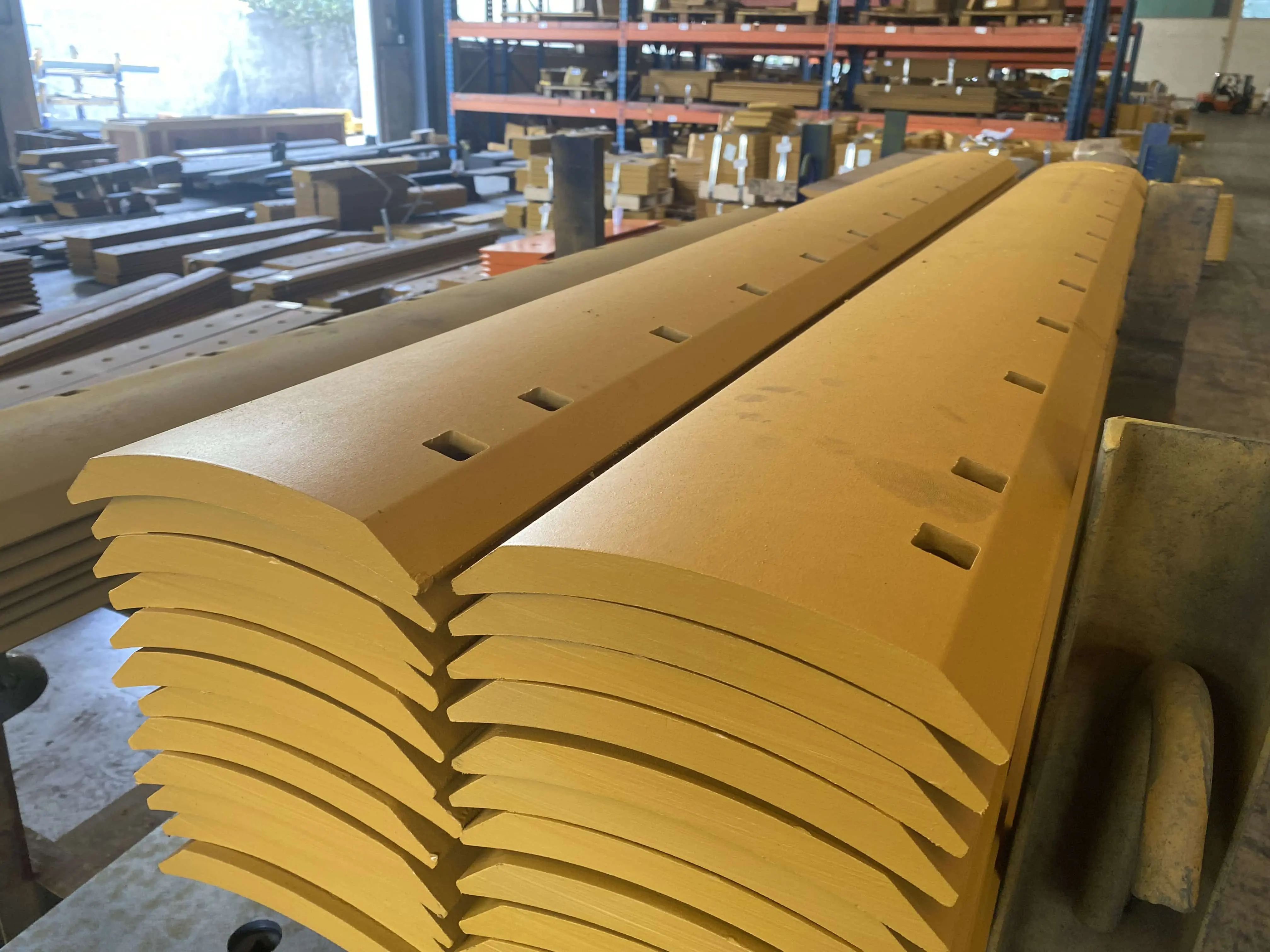
Plywood pallets with plastic wrap protection for international shipping are examples of professional packaging. In challenging operating conditions, the yellow coating offers corrosion protection and visibility. Custom OEM logos satisfy fleet branding needs while upholding standards for professional appearance.
Dimensional verification, material testing, and performance validation are examples of quality assurance programs. Before being shipped, every blade satisfies strict requirements, guaranteeing uniform quality throughout production batches. The operational dependability of heavy equipment fleets around the world is supported by this dedication to excellence.
Industrial-Grade Boron Steel Construction
By integrating boron steel, advanced metallurgy techniques create grader blades with remarkable wear characteristics. This unique substance preserves the toughness of base metal while producing exceptional hardness zones. The blade structure that is produced is resistant to abrasive wear patterns, which usually lower cutting efficiency.
The production of worn parts has advanced significantly thanks to boron steel technology. For severe-duty applications, the ideal performance characteristics are produced by the regulated distribution of hardening elements. This improved wear resistance is especially useful for mining activities in difficult terrain.
Boron steel blade manufacturing procedures call for specific tools and knowledge. In order to achieve the right material qualities, temperature control becomes essential during the forming and heat treatment processes. To guarantee constant quality, skilled producers make investments in cutting-edge furnace systems and metallurgical testing capabilities.
For demanding applications, premium pricing is justified by the performance benefits of boron steel construction. When compared to traditional steel substitutes, equipment operators report noticeably longer service intervals. This results in lower maintenance expenses and more equipment available for efficient operation.
Multi-Application Compatibility Solutions
With standardized mounting options, versatile grader blade designs support a range of equipment types and applications. The Grader Blade 7D1158 specification maintains the ideal cutting geometry for various operational requirements while supporting a variety of grader types.
Blade curvature, mounting hole designs, and overall dimensions that maximize material flow characteristics are examples of engineering factors. While lowering stress concentrations that cause early failure, proper blade geometry increases grading efficiency. To maximize these performance metrics, expert design teams use computer modelling.
Application versatility encompasses a variety of operational contexts in addition to equipment compatibility. There are distinct wear patterns and performance requirements for road maintenance, construction site preparation, and agricultural land management. High-quality blades adjust to these changing circumstances without sacrificing cutting efficiency.
Simplified inventory management and less complicated buying are two advantages of standardization. Fleet managers value parts that support a variety of equipment types while upholding uniform quality requirements. This adaptability promotes operational effectiveness across a range of project needs.
Global Market Analysis for Heavy Equipment Wear Parts
Regional Manufacturing Capabilities
Due to their low cost structures and well-established industrial infrastructure, the Asia-Pacific regions dominate the production of heavy equipment wear parts. With cutting-edge manufacturing facilities that cater to worldwide markets, China leads the world in production capacity. Through process improvement and technology investment, quality standards are rising.
European producers concentrate on high-end products, emphasizing precision engineering and cutting-edge materials. While serving demanding applications in the mining and construction industries, German and Swedish businesses continue to uphold their great reputations for quality. Superior product performance is supported by their proficiency in heat treatment and metallurgy.
For domestic markets, North American manufacturers prioritize quick delivery and customer support. Distribution networks and manufacturing facilities work together to support just-in-time delivery demands. This regional strategy preserves quality standards while cutting lead times for urgent replacement demands.
Regulatory Environment and Standards Compliance
Global markets' manufacturing procedures and material requirements are influenced by international quality standards. While environmental rules impact production methods and material selection, ISO certification criteria guarantee consistent quality management systems.
The need for certified components that satisfy particular performance standards is driven by safety rules in the mining and construction sectors. Expert manufacturers uphold documentation systems and testing capabilities that facilitate compliance verification. Material traceability and performance validation tests fall under this category.
In order to enable international shipping and customs clearance, export requirements include appropriate documentation and packaging. Skilled vendors are aware of these specifications and offer the required documentation and certifications. For international procurement operations, this knowledge minimizes delays and problems.
Cultural Preferences and Business Practices
Asian markets prioritize long-term supplier partnerships with an emphasis on dependable delivery and consistent quality. Comprehensive technical conversations and progressive trust-building via demonstrated performance are examples of business methods. Technical assistance and expert communication become crucial for market success.
Technical standards and performance validation through certification and testing are given top priority by European clients. Many parties are involved in decision-making processes, which prioritize the total cost of ownership over the original purchase price. These evaluation procedures are supported by comprehensive technical documentation.
Quick problem-solving skills and attentive customer service are highly valued in American markets. Demonstrated dependability and expert assistance in difficult circumstances foster business partnerships. Technical support and adaptable solutions give suppliers a competitive edge.
Purchasing Recommendations and Implementation Considerations
Supplier Evaluation and Selection Process
A thorough supplier evaluation that takes into account manufacturing capabilities, quality systems, and financial stability is necessary for professional procurement. Facility audits and site inspections offer insightful information about quality control procedures and production processes. Future supply chain interruptions are avoided due to this due diligence.
Material testing and performance validation under real-world operating conditions should be part of the technical review process. Programs for sample testing make it possible to compare various vendors while confirming stated specifications. Both initial performance and long-term durability features are taken into account in a professional appraisal.
Evaluation of commercial terms encompasses delivery capabilities, payment terms, and pricing structure. In addition to the purchase price, total cost analysis takes into account shipping charges, inventory needs, and possible downtime expenses. Expert buying managers create thorough evaluation standards that facilitate the best choice of suppliers.
Implementation and Performance Monitoring
Appropriate installation techniques and performance monitoring systems are necessary for successful implementation. Training programs guarantee that maintenance staff are knowledgeable about correct handling and installation methods. This covers inspection standards, alignment techniques, and torque specifications.
Blade life, failure modes, and operating circumstances are recorded via performance tracking systems. This information finds chances for optimization and aids future purchase decisions. Expert fleet managers keep thorough records that facilitate ongoing enhancements to maintenance procedures and parts selection.
Supplier feedback systems facilitate problem-solving and product enhancement for Grader Blade 7D1158. Manufacturers are able to optimize product designs through regular discussion regarding performance difficulties and application requirements. Through better products and lower operating expenses, this cooperative approach helps both suppliers and consumers.
Conclusion
The production of heavy equipment wear parts is still developing, thanks to digital manufacturing techniques and new materials technology. Systems for condition monitoring and predictive analytics allow for better replacement scheduling while lowering unplanned failures. In order to encourage these technological advancements, professional manufacturers fund research and development initiatives.
The selection of materials and production processes is increasingly influenced by sustainability considerations. Eco-friendly production techniques and programs for recycling worn parts become competitive advantages. Global marketplaces require providers to uphold performance requirements while exhibiting environmental responsibility.
FAQ
Q1: What distinguishes premium 7D1158 grader blades from standard alternatives?
Premium grader blades feature advanced heat treatment processes and superior material composition that significantly extend service life. High-carbon steel with controlled metallurgy creates optimal hardness distribution while maintaining impact resistance. Professional manufacturing includes precision machining and quality control testing that ensures consistent performance.
Q2: How do I verify grader blade compatibility with my specific equipment model?
Compatibility verification requires checking dimensional specifications, including length, width, thickness, and mounting hole patterns. Professional suppliers provide detailed technical drawings and compatibility charts that list supported equipment models. Cross-reference your equipment serial numbers with manufacturer specifications to ensure proper fit.
Q3: What factors influence grader blade service life in different applications?
Operating conditions significantly impact blade performance, including soil type, moisture content, operator technique, and maintenance practices. Abrasive materials like sand and gravel accelerate wear, while proper blade angle and cutting depth optimization extend service intervals. Regular inspection and rotation programs maximize blade utilization.
Q4: What quality certifications should I expect from professional grader blade suppliers?
Reputable manufacturers maintain ISO quality management certifications and material traceability documentation. Professional suppliers provide material certificates, dimensional inspection reports, and heat treatment verification. These documents support quality assurance programs and warranty claims when necessary.
Q5: How do global shipping and logistics affect grader blade procurement?
International shipping requires proper packaging and documentation to prevent damage and facilitate customs clearance. Professional suppliers utilize specialized packaging methods and provide necessary export documentation. Consider shipping lead times and potential delays when planning inventory levels for critical components.
Q6: What maintenance practices optimize grader blade performance and longevity?
Regular inspection programs identify wear patterns and damage before failure occurs. Proper blade rotation schedules ensure even wear distribution while correct mounting torque prevents loosening. Operator training on optimal cutting angles and techniques significantly impacts blade service life across different soil conditions.
Ready to Source Premium Grader Blade 7D1158 from a Trusted Manufacturer?
SINOBL combines advanced manufacturing capabilities with proven expertise in heavy equipment wear parts production. Our premium grader blade 7D1158 supplier credentials include state-of-the-art facilities, rigorous quality control systems, and global distribution networks that serve professional equipment operators worldwide. Contact nancy@sunmach.com.cn to discuss your specific requirements and experience the reliability that has made SINOBL a preferred partner for construction, mining, and agricultural equipment fleets across six continents.
References
1. Johnson, Michael A. "Heavy Equipment Maintenance and Wear Part Selection Standards." International Construction Equipment Journal, vol. 45, no. 3, 2023, pp. 78-92.
2. Chen, Li Wei, and Robert Thompson. "Advanced Metallurgy in Construction Equipment Components." Materials Engineering Quarterly, vol. 28, no. 2, 2023, pp. 156-171.
3. Anderson, Sarah K. "Global Supply Chain Management for Heavy Industry Wear Parts." Procurement Management Review, vol. 31, no. 4, 2023, pp. 203-218.
4. Martinez, Carlos R. "Heat Treatment Optimization for Heavy Equipment Blade Manufacturing." Metallurgical Processing Today, vol. 19, no. 6, 2023, pp. 89-104.
5. Williams, David J., and Emma Richardson. "Economic Analysis of Premium Versus Standard Grader Blade Performance." Equipment Economics Bulletin, vol. 22, no. 1, 2023, pp. 45-59.
6. Kumar, Rajesh, and Michelle O'Brien. "Quality Standards and Certification Requirements in Global Heavy Equipment Markets." International Trade Compliance Quarterly, vol. 16, no. 3, 2023, pp. 112-127.