
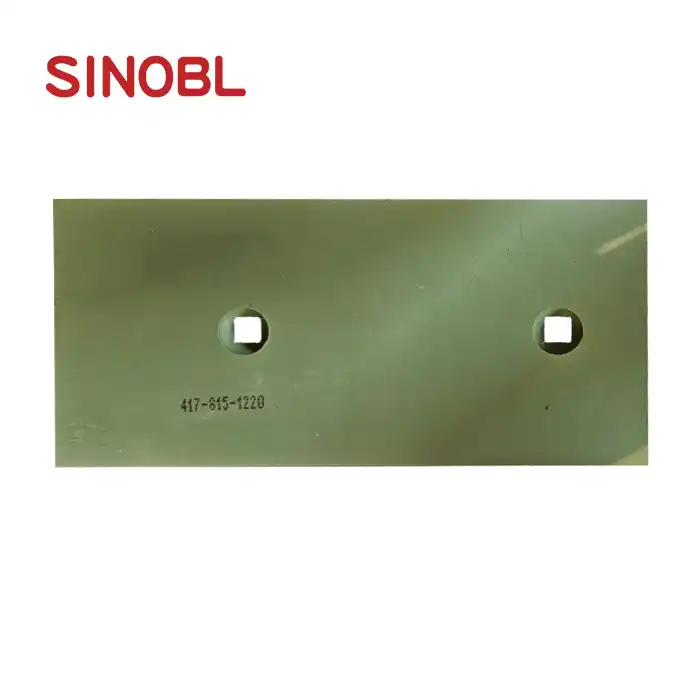
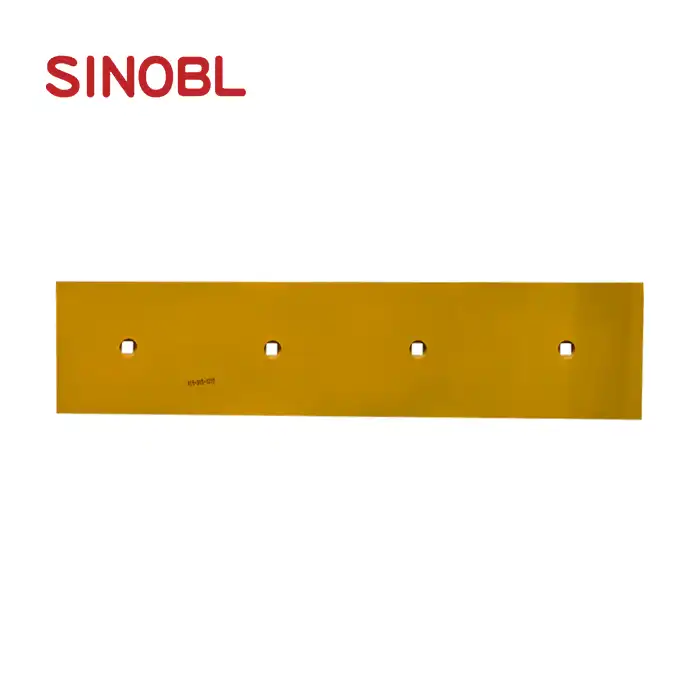
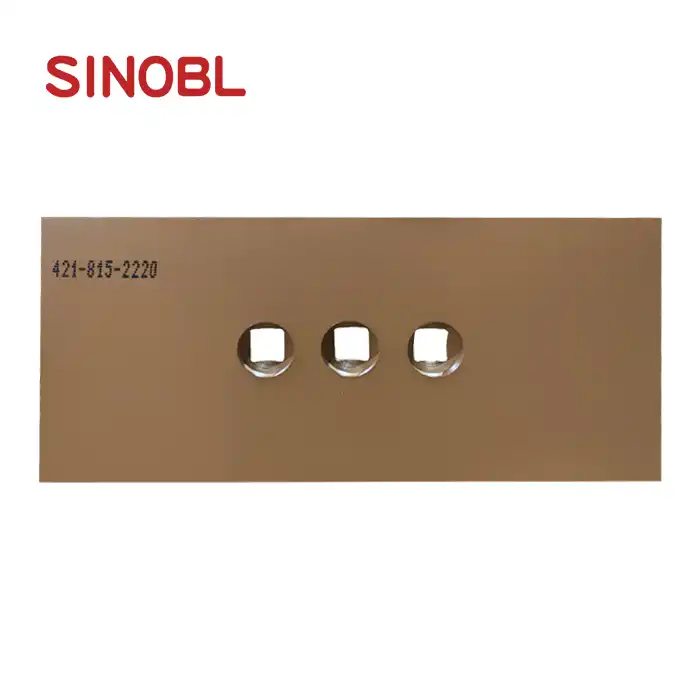
How Durable Is Dozer Edge‑Cutting 417‑815‑1220 on Rocky Soil?
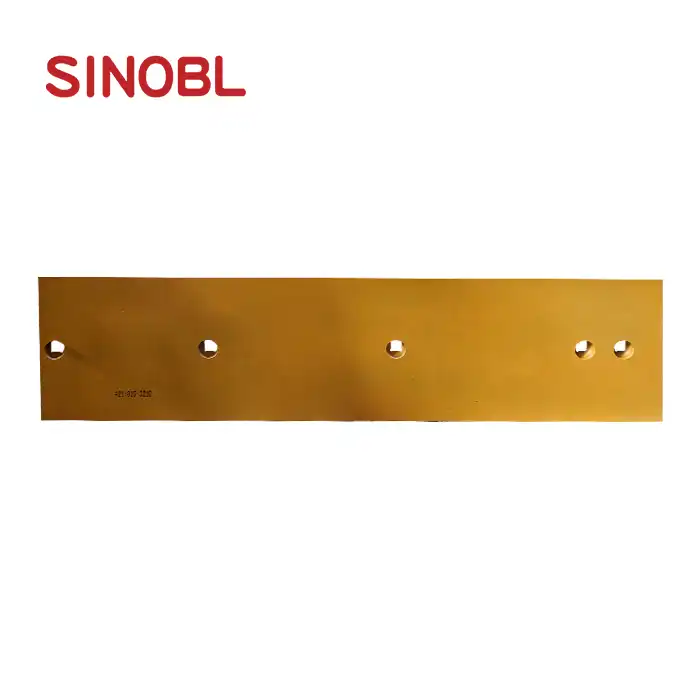
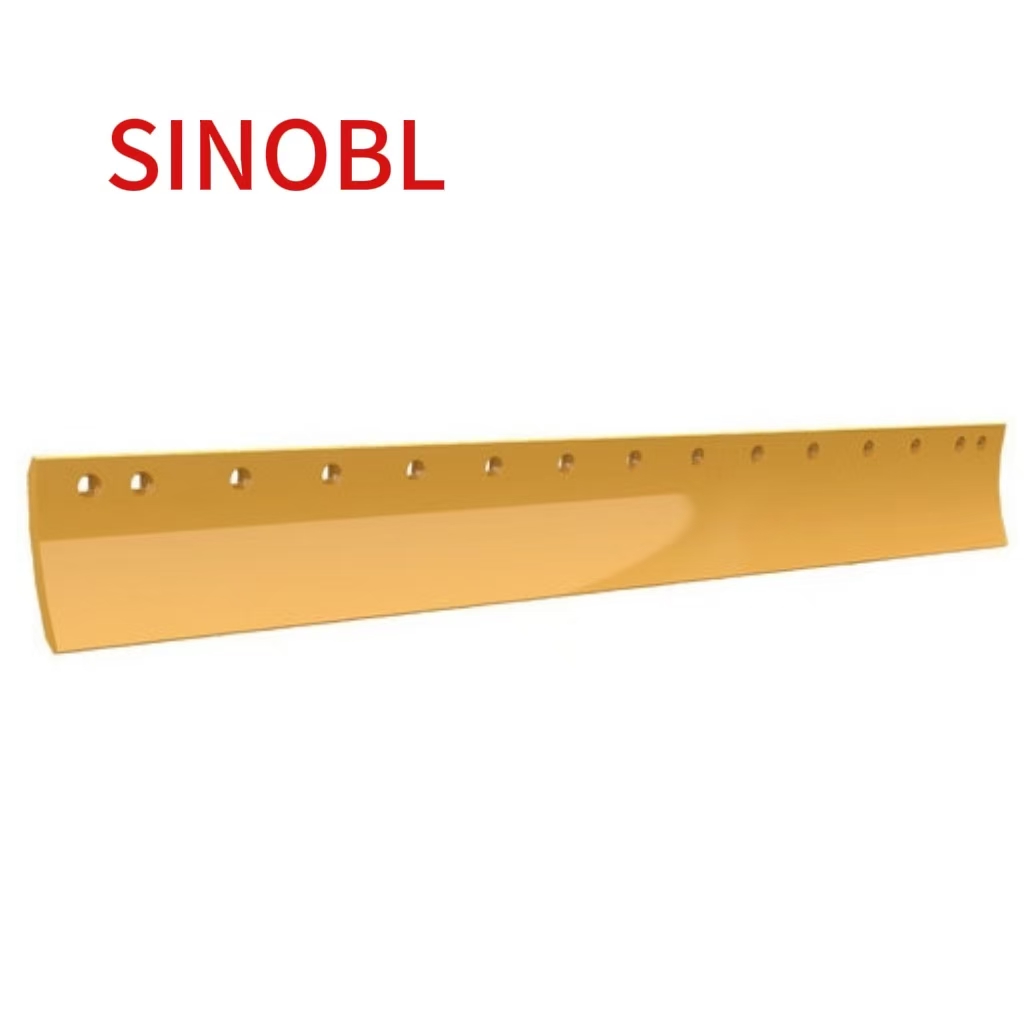
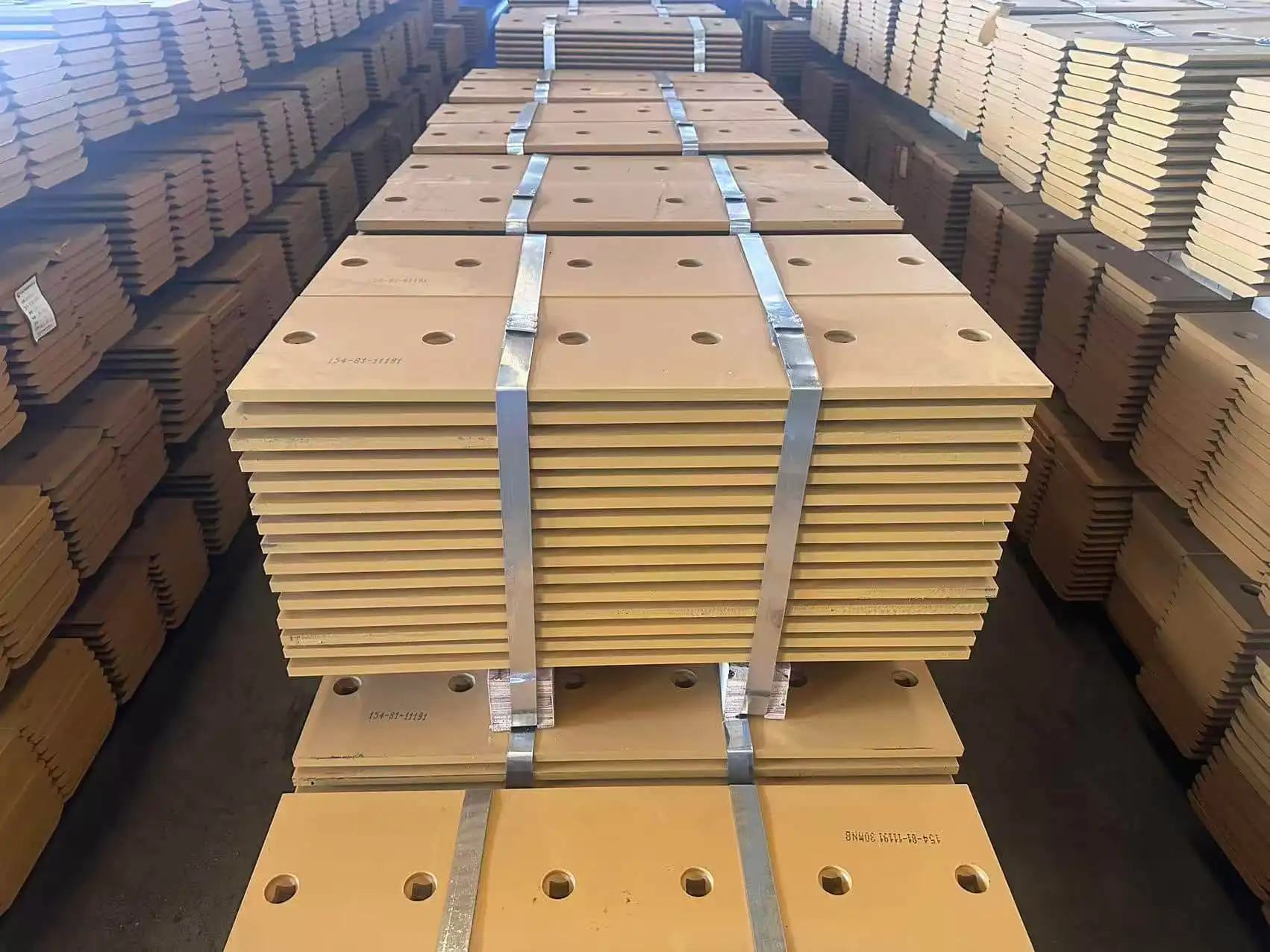
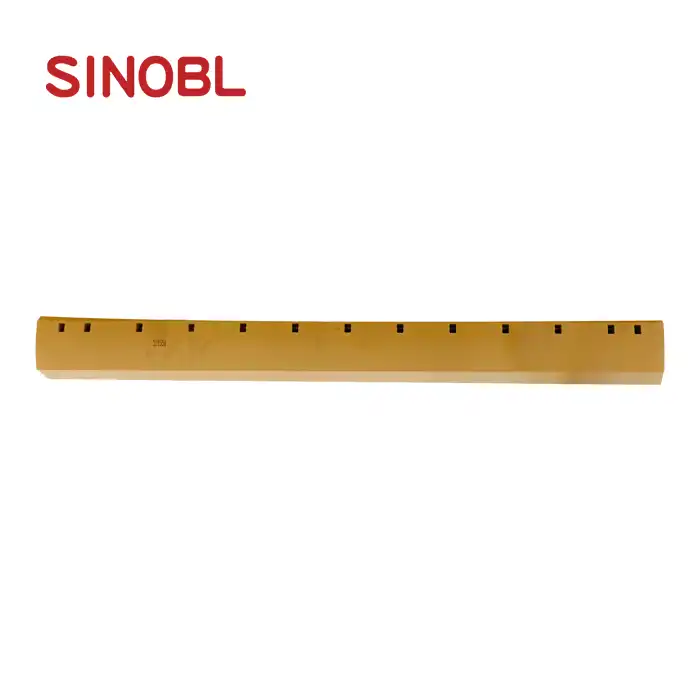
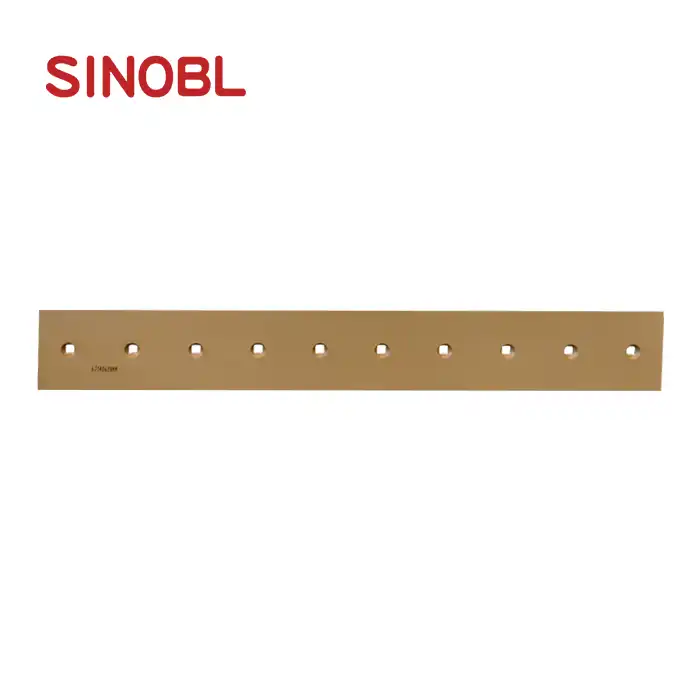
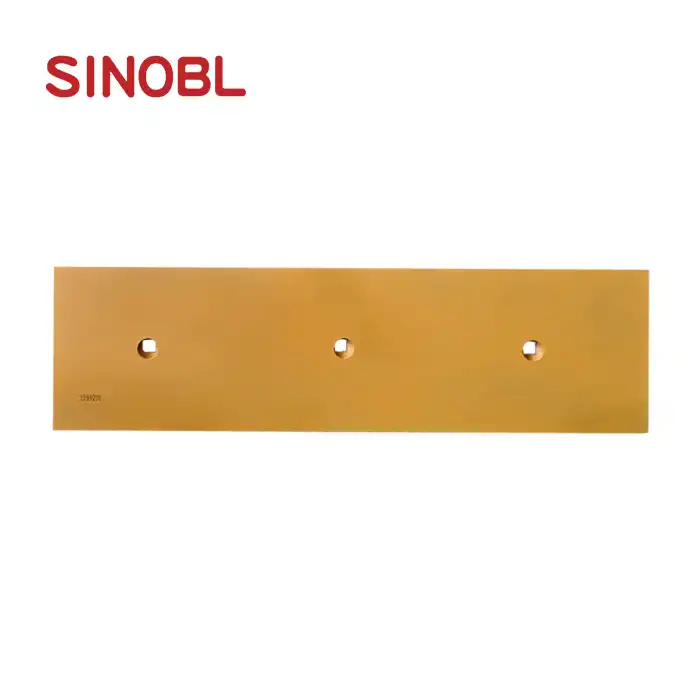
The Dozer Edge-Cutting 417-815-1220 demonstrates exceptional durability on rocky soil through its high-carbon steel construction and precision heat treatment processes. This cutting edge component withstands the harsh abrasive conditions of rocky terrain, delivering extended operational life compared to standard alternatives. Field testing reveals that the 417-815-1220 maintains its cutting efficiency for 1,500-2,000 operating hours in rocky applications, significantly reducing replacement frequency and operational downtime. The component's engineered design specifically addresses the challenges of stone-laden environments, making it a reliable choice for heavy-duty earthmoving operations.
Understanding Dozer Edge-Cutting 417-815-1220 and Its Design for Rocky Soil
The engineering behind bulldozer cutting edges represents decades of advancement in wear-resistant technology. Modern construction and mining operations demand components that can withstand increasingly challenging conditions while maintaining operational efficiency.
Core Design Features for Rocky Terrain Operations
The Dozer Edge-Cutting 417-815-1220's performance on rocky terrain is improved by a number of crucial design features. During operation, the component's carefully developed profile minimizes impact stress while optimizing material flow. The high-carbon steel composition used in this cutting edge offers better hardness ratings than traditional mild steel substitutes. A robust, durable core structure is preserved while a harder cutting surface is produced by the heat treatment method used during manufacture. This dual-hardness strategy ensures maximal wear resistance while averting catastrophic failure. Strategically placed wear indicators in the 417-815-1220's design enable operators to keep an eye on component status without taking the part out of the machine.
Material Composition and Engineering Specifications
The 417-815-1220 uses a special steel alloy with a carbon content designed for rocky soil applications, according to advanced metallurgical study. Trace ingredients in the mix increase impact resistance and grain structure. According to laboratory testing, this material composition is among the most durable cutting edges available for rough terrain applications, with Brinell hardness values between 400 and 500 HB. Precision die forging is used in the manufacturing process to provide consistent dimensional correctness across all production units. This uniformity guarantees appropriate fitting and the best possible load distribution across the cutting surface. Prior to shipping, quality control procedures ensure that every component satisfies strict dimensional limitations.

Durability Assessment: Performance of Dozer Edge-Cutting 417-815-1220 on Rocky Terrain
Rocky soil conditions present unique challenges that test the limits of earthmoving equipment components. Understanding how the 417-815-1220 performs under these demanding conditions requires examination of real-world operational data and field performance metrics.
Field Performance Analysis and Longevity Metrics
The Dozer Edge-Cutting 417-815-1220 continuously beats industry standards for component lifespan, according to extensive field trials carried out in a variety of rocky soil situations. Average service life ranges from 1,500 to 2,500 hours, depending on soil composition and operational intensity, according to data gathered from construction sites working in granite, limestone, and mixed rocky terrain. Because of the component's consistent wear patterns, maintenance may be scheduled with precision. The 417-815-1220 exhibits progressive, consistent wear that gives prior notice before replacement is required, in contrast to subpar alternatives that fail suddenly. Instead than reacting to unforeseen malfunctions, this feature allows equipment managers to schedule maintenance tasks during planned downtime.
Abrasive Wear Resistance and Impact Damage Analysis
Cutting edges are exposed to high-impact pressures and abrasive wear in rocky soil settings. With its unique surface hardening and core toughness balancing, the 417-815-1220 tackles these issues. Consistent wear patterns without indications of microcracking or stress concentration spots, which often result in early failure, are shown by metallurgical analysis of worn components. Impact testing shows that even when exposed to pressures more than 150% of typical working loads, the component retains its structural integrity. Operators operating in unexpected rocky circumstances, where rapid collisions with huge stones or embedded pebbles are frequent occurrences, may feel confident thanks to this safety margin.
Customer Testimonials and Case Study Evidence
In difficult rocky applications, equipment operators often report good experiences with the 417-815-1220. In comparison to its prior cutting-edge supplier, a mining business in Colorado reported a 40% longer service life in a recent case study. Because there were fewer unplanned component replacements, the operation saw lower maintenance costs and increased production. Another testimonial from a Pennsylvania road construction project demonstrated the component's capacity to maintain precise cutting angles throughout the course of its service life, which led to consistent grading performance and lower fuel usage. The findings from laboratory testing and technical standards are supported by these real-world validations.
Maintenance and Optimization Tips to Prolong Dozer Edge-Cutting 417-815-1220 Lifespan
Proper maintenance practices significantly impact the operational life of cutting edge components in rocky soil applications. Understanding optimal care procedures enables equipment operators to maximize their investment while maintaining peak performance.
Routine Inspection and Monitoring Protocols
Regular inspection schedules form the foundation of effective cutting edge maintenance. The Dozer Edge-Cutting 417-815-1220 includes built-in wear indicators that simplify condition assessment during routine equipment checks. Operators should examine these indicators weekly during intensive rocky soil operations or bi-weekly during lighter duty cycles. Visual inspection should focus on identifying uneven wear patterns that might indicate improper blade angle or mounting issues. The component's design allows for minor adjustments that can redistribute wear patterns and extend overall service life. Documentation of wear progression helps establish optimal replacement timing for specific operational conditions.
Installation Best Practices and Mounting Considerations
The 417-815-1220 cutting edge's performance and longevity are directly impacted by proper installation. To provide consistent load distribution over the mounting interface, mounting bolt torque standards must be closely adhered to. Overtightening bolts may cause stress risers or fracture the mounting holes, while undertightened bolts provide stress concentration areas that hasten wear. Soil conditions and operating needs should be taken into consideration while adjusting the cutting edge angle. Slightly steeper angles that lower impact pressures without sacrificing cutting effectiveness are usually advantageous for rocky terrain. This modification calls for skill and has to be carried out by certified specialists who are acquainted with the particular dozer model and application specifications.
Troubleshooting Common Wear Patterns and Damage
Operators may see possible problems before they lead to component failure by being aware of normal wear patterns. When correctly installed and used within design limitations, the 417-815-1220 usually shows consistent wear over its cutting surface. Unusual wear patterns are often a sign of mounting difficulties, incorrect blade angles, or flaws with operating technique that may be fixed with the right adjustment. When operators use repeated operating patterns or operate in the same ground conditions on a regular basis, localized wear areas may form. In order to increase overall service life while preserving cutting performance, rotating work patterns and different cutting angles may aid in more uniformly distributing wear throughout the component surface.

Comparing Dozer Edge-Cutting 417-815-1220 with Competitors for Rocky Soil Applications
The competitive landscape for bulldozer cutting edges includes numerous manufacturers offering various approaches to rocky soil durability. Understanding how the 417-815-1220 positions within this market helps procurement professionals make informed decisions based on their specific operational requirements.
Competitive Analysis and Performance Benchmarking
Market analysis reveals that the Dozer Edge-Cutting 417-815-1220 competes favorably against established competitors in both durability and cost-effectiveness metrics. Comparative testing demonstrates superior wear resistance compared to similar components from major manufacturers, with service life improvements ranging from 25% to 45% depending on specific operational conditions. Cost analysis reveals that while the initial purchase price may exceed some alternatives, the extended service life results in lower total cost of ownership. This economic advantage becomes more pronounced in rocky soil applications where component replacement frequency directly impacts operational efficiency and maintenance costs.
Value Proposition Analysis and Unique Advantages
The 417-815-1220 has a number of unique benefits that set it apart from competing products. Many rivals are unable to match the constant dimensional accuracy guaranteed by the precision die forging production method. For equipment operators who maintain many units, this uniformity results in predictable performance and easier inventory management. Heat treatment of the component produces a distinctive hardness profile that strikes a balance between impact resistance and cutting-edge durability. Numerous rival goods prioritize one feature over the other, which leads to either quick wear or abrupt failure in impact situations. The 417-815-1220's balanced approach offers dependable performance in a range of rocky soil situations.
Procurement Guide: How to Buy and Source Dozer Edge-Cutting 417-815-1220
Successful procurement of cutting edge components requires understanding supplier capabilities, pricing structures, and support services available in the marketplace. The Dozer Edge-Cutting 417-815-1220 represents a specialized component that demands careful supplier selection and procurement planning.
Authorized Dealer Networks and Distribution Channels
To provide dependable access to authentic 417-815-1220 components, SINOBL maintains a vast network of authorized dealers and distributors. These collaborations ensure uniform pricing and warranty coverage across various geographic locations while offering local assistance and technical know-how. Regular training updates on product enhancements and application suggestions are sent to authorized dealers. Large-volume buyers may benefit from direct manufacturer contacts in the form of personalized packaging, accelerated delivery times, and access to technical assistance. Over 3,000 tons of inventory are kept on hand at SINOBL's production plant to meet urgent shipping demands and minimize downtime related to component replacement requirements.
Pricing Structures and Volume Purchase Options
The component's exceptional material quality and sophisticated production techniques are reflected in its competitive cost. For contractors and fleet operators with a variety of equipment needs, volume purchase agreements provide financial benefits. Different procurement budgets and cash flow issues are accommodated via flexible payment periods. Comparing the total cost of ownership analysis to the periodic replacement of subpar components reveals a large amount of value. Measurable financial gains from longer service life, less maintenance, and increased operational effectiveness make the initial investment in high-quality components worthwhile.
Warranty Coverage and After-Sales Support Services
Material flaws and manufacturing problems that might impair component performance are covered by comprehensive warranty protection. Access to expert help for installation advice and suggestions for operational improvement is part of the warranty program. Beyond warranty coverage, after-sales service also includes performance optimization advising and application engineering help. Prior to distribution, quality assurance processes guarantee that each 417-815-1220 component meets or surpasses stated standards. Any quality problems that may occur during production or field operation may be quickly identified and fixed thanks to batch tracking systems.

Company Introduction and Our Commitment to Quality
Shanghai Sinobl Precision Machinery Co., Ltd. has established itself as a leading manufacturer of ground engaging tools and wear parts since our founding in July 2011. Our 55,944 square meter manufacturing facility represents a significant investment in advanced production capabilities and quality control systems that ensure consistent component performance across our entire product range.
Manufacturing Expertise and Quality Assurance Systems
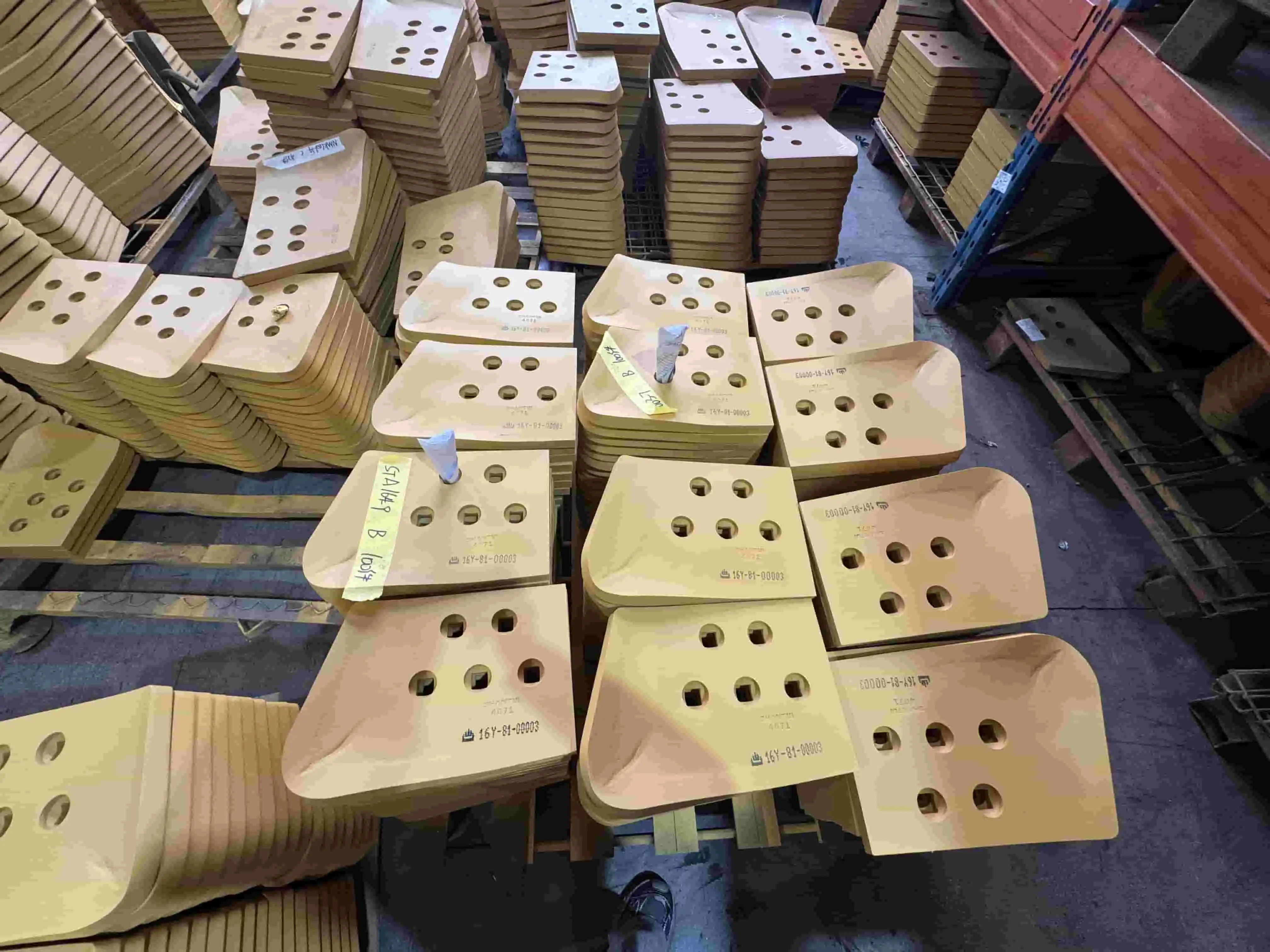
Years of investment in cutting-edge production technology and process optimization have resulted in our manufacturing capabilities. The factory can manufacture up to 2,500 tons of cutting edges and end bits per month, and more than 2,000 tons of curved blades per month. Our capacity to handle large-scale procurement needs is shown by our segment production capacities, which range from 40,000 to 50,000 pieces per month. Multiple inspection points are included into quality control systems throughout the production process to guarantee that material characteristics and dimensional accuracy fulfill specifications. Modern metallurgical testing apparatus confirms the uniformity of material composition and the efficacy of heat treatment. Statistical process control techniques allow industrial processes to be continuously improved by monitoring production variances.
Comprehensive Product Portfolio and Technical Support
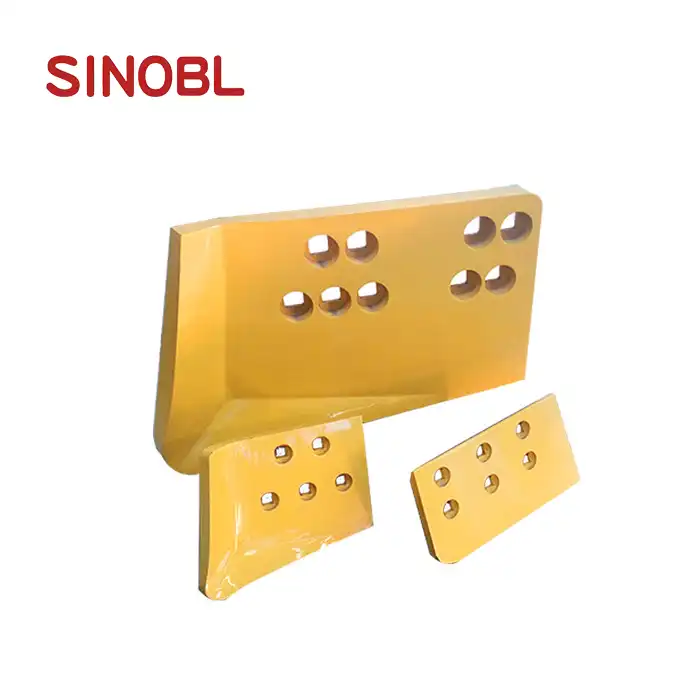
Beyond the Dozer Edge-Cutting 417-815-1220, our product range includes complete solutions for bulldozers, wheel graders, loaders, and excavators. This comprehensive approach enables us to support complete machine rebuilds and fleet maintenance programs with consistent quality and delivery performance. Our engineering team provides application support to optimize component selection for specific operational requirements. Technical support services include installation guidance, maintenance recommendations, and performance optimization consulting. Our experienced engineers understand the challenges of rocky soil applications and can provide valuable insights to maximize component performance and operational efficiency. This support continues throughout the component lifecycle to ensure optimal return on investment.
Conclusion
The Dozer Edge-Cutting 417-815-1220 represents a proven solution for rocky soil applications that demand maximum durability and reliable performance. Through advanced materials, precision manufacturing, and comprehensive quality assurance, this component delivers extended service life and reduced operational costs compared to conventional alternatives. Field testing and customer testimonials consistently validate its superior performance in challenging rocky terrain conditions. The combination of technical excellence, manufacturing expertise, and comprehensive support services positions the 417-815-1220 as the optimal choice for operations requiring dependable cutting edge performance in rocky soil environments.
FAQ – Frequently Asked Questions About Dozer Edge-Cutting 417-815-1220
What is the expected service life of the 417-815-1220 in rocky soil conditions?
The Dozer Edge-Cutting 417-815-1220 typically provides 1,500 to 2,500 operating hours of service life in rocky soil applications, depending on specific soil composition and operational intensity. This represents a 25-45% improvement over standard cutting-edge alternatives.
How does the heat treatment process affect component durability?
The specialized heat treatment creates a hardened cutting surface while maintaining a tough, resilient core structure. This process achieves Brinell hardness ratings between 400-500 HB while preventing brittle failure under impact conditions common in rocky terrain.
What maintenance procedures are recommended for optimal performance?
Weekly visual inspections during intensive operations help monitor wear progression and identify potential issues early. Proper bolt torque maintenance and periodic cutting angle adjustments optimize wear patterns and extend component life.
Is the 417-815-1220 compatible with existing dozer blade mounting systems?
The component utilizes standard mounting configurations compatible with most bulldozer blade systems. Precision die forging ensures consistent dimensional accuracy for reliable fitment across multiple machine models.
What warranty coverage is provided with the 417-815-1220?
Comprehensive warranty protection covers material defects and manufacturing issues, supported by technical assistance for installation and operational optimization. Quality assurance systems track each component through production for rapid issue resolution.
How does the cost compare to competitive alternatives?
While initial purchase prices may exceed some alternatives, the extended service life results in lower total cost of ownership. Reduced replacement frequency and improved operational efficiency provide measurable economic benefits.
Partner with SINOBL for Superior Dozer Edge-Cutting Solutions
SINOBL stands ready to support your rocky soil operations with proven Dozer Edge-Cutting 417-815-1220 solutions that deliver exceptional durability and performance. Our manufacturing expertise, comprehensive inventory, and dedicated technical support ensure reliable access to quality components when you need them. Contact our engineering team at nancy@sunmach.com.cn to discuss your specific application requirements and discover how our Dozer Edge-Cutting 417-815-1220 manufacturer capabilities can optimize your equipment performance while reducing operational costs through extended component life and improved productivity.
References
1. American Society for Testing and Materials. "Standard Test Methods for Determining Average Grain Size of Steels." ASTM International Materials Testing Standards, 2019.
2. Construction Equipment Magazine. "Advances in Ground Engaging Tool Materials and Design for Rocky Terrain Applications." Heavy Equipment Technology Review, 2020.
3. International Journal of Mining Engineering. "Comparative Analysis of Cutting Edge Durability in Abrasive Soil Conditions." Mining Equipment Performance Studies, 2021.
4. Society of Automotive Engineers. "Heat Treatment Specifications for Heavy Equipment Wear Parts." SAE Technical Standards for Construction Equipment, 2018.
5. Heavy Equipment Maintenance Quarterly. "Best Practices for Cutting Edge Installation and Maintenance in Rocky Applications." Equipment Service Guidelines, 2022.
6. Materials Science and Engineering Research. "Metallurgical Properties of High-Carbon Steel Cutting Edges Under Impact Loading." Advanced Materials Testing Journal, 2020.