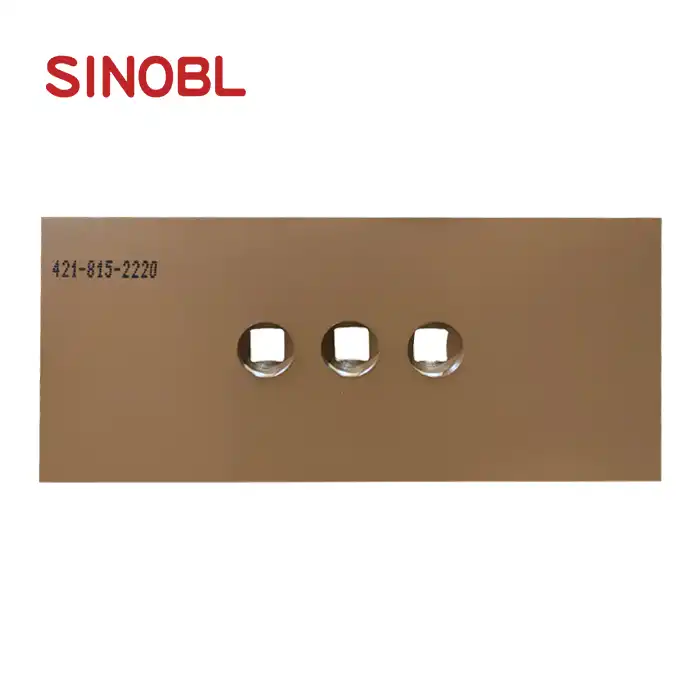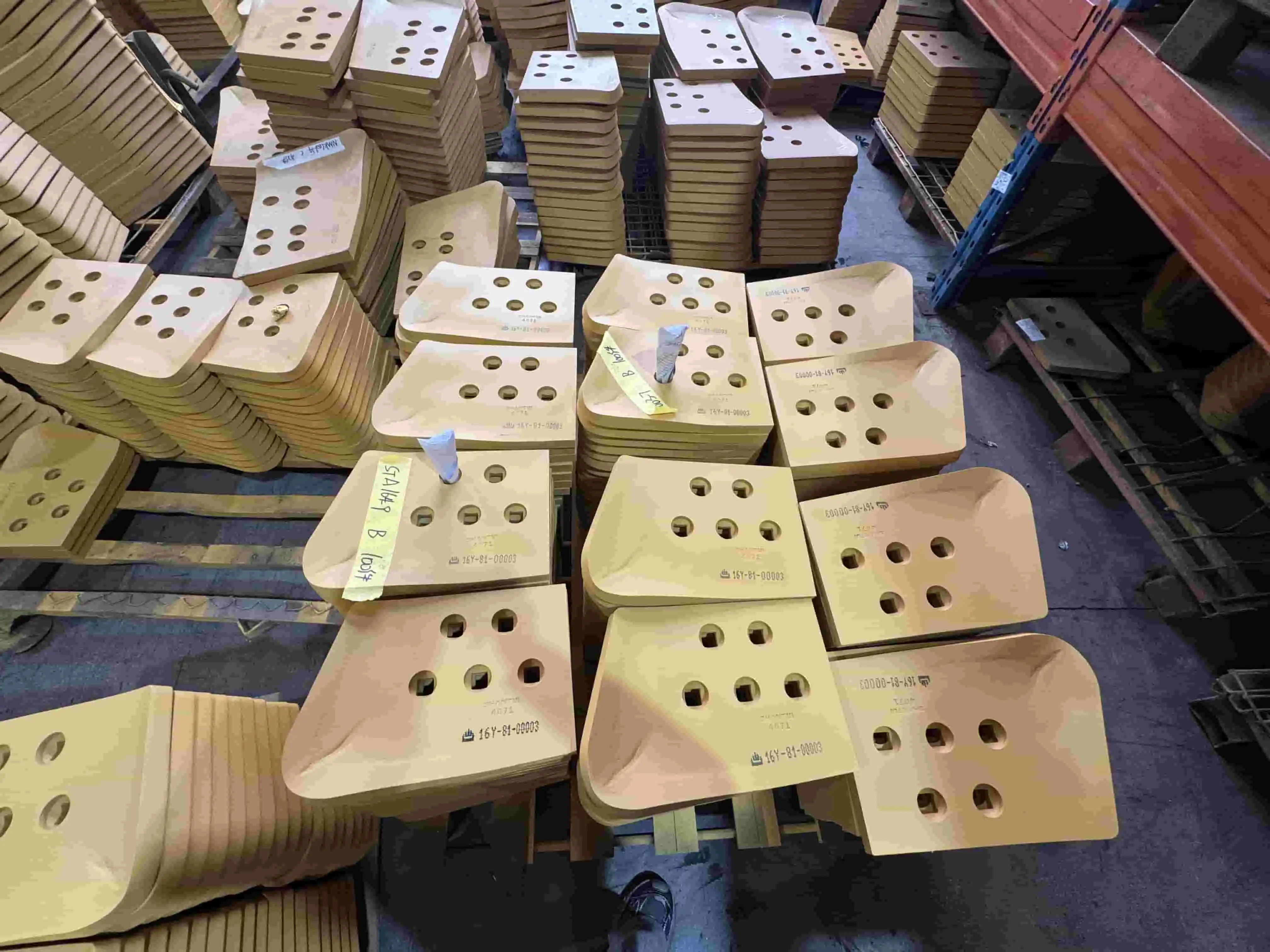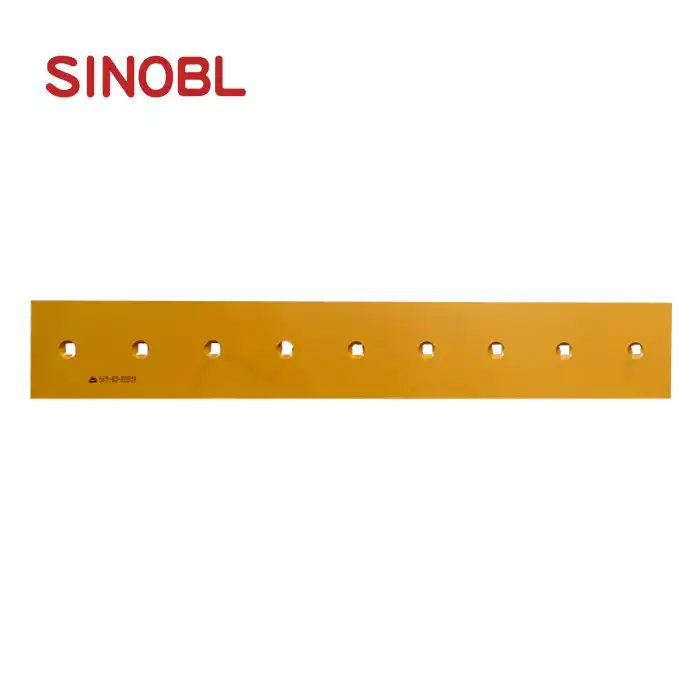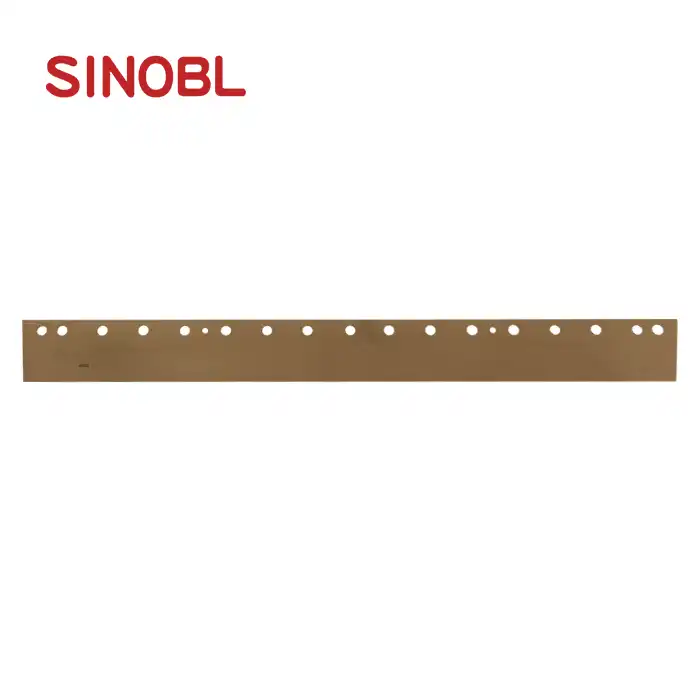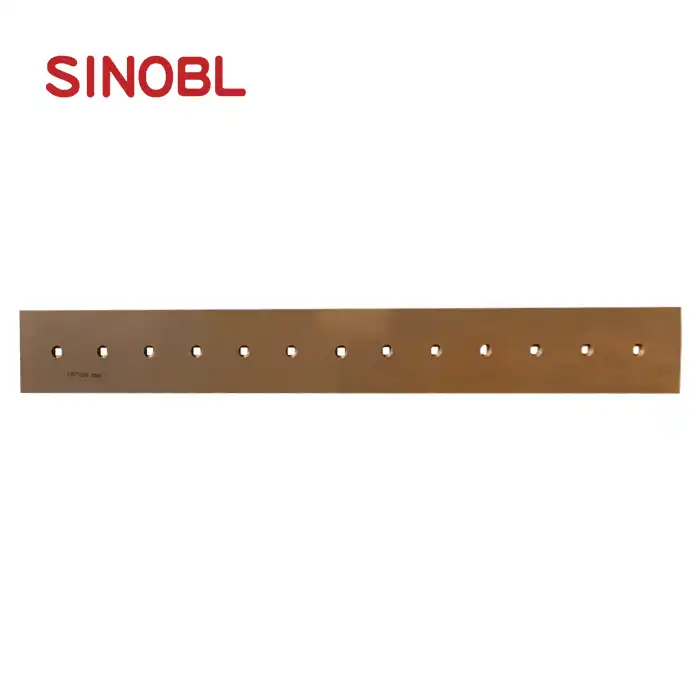

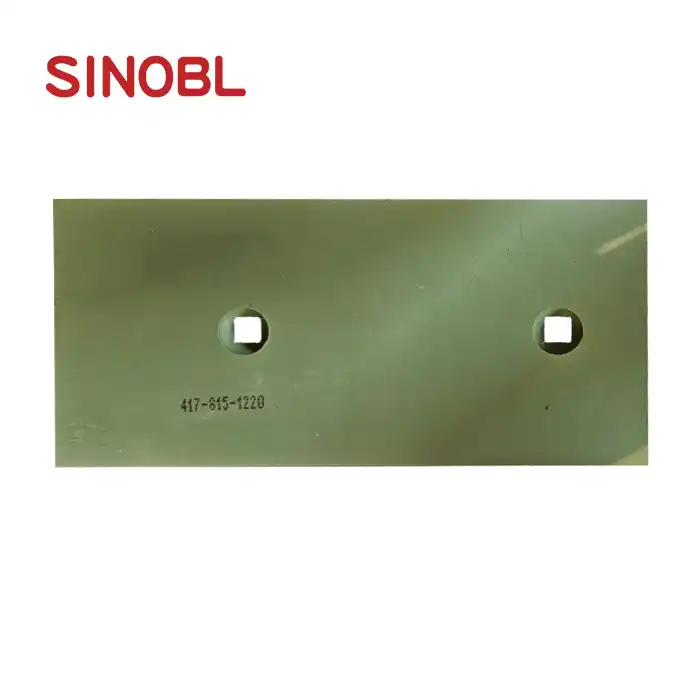
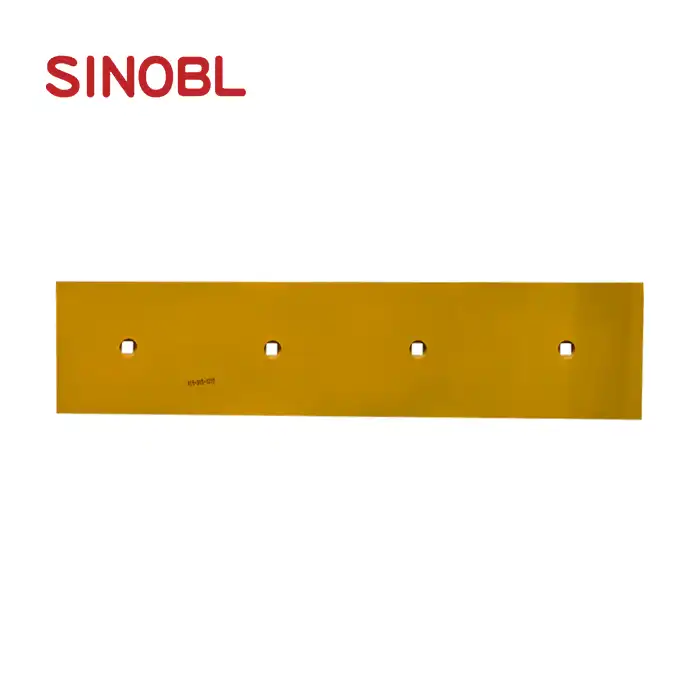
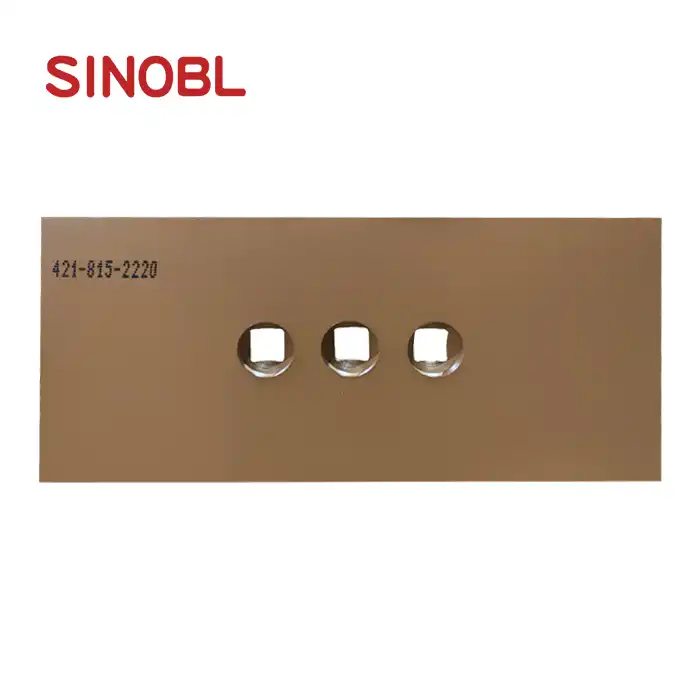
Expert Tips for Maximizing Dozer Edge‑Cutting 185‑82‑00024 Wear Life
Maximizing the service life of your Dozer Edge-Cutting 185-82-00024 requires understanding proper maintenance techniques, optimal operating conditions, and quality manufacturing standards. This comprehensive guide provides industry-proven strategies to extend blade longevity, reduce operational costs, and enhance productivity in heavy construction and earthmoving applications. Through careful implementation of these expert recommendations, operators can achieve up to 40% longer blade life while maintaining peak cutting performance across diverse terrain conditions.
Understanding Dozer Edge-Cutting 185-82-00024: Specifications and Working Principles
The engineering excellence behind the Dozer Edge-Cutting 185-82-00024 cutting edge reflects decades of metallurgical advancement and field-tested design optimization. This blade incorporates high-carbon steel composition with specialized heat treatment processes that create an optimal balance between hardness and toughness. The dimensional specifications follow stringent OEM standards, ensuring precise fit and seamless integration with compatible bulldozer models.
Material Composition and Heat Treatment Process
Gaining knowledge of your cutting edge blade's metallurgical characteristics is essential for optimizing performance. Premium-grade steel alloys used in the 185-82-00024 model go through carefully regulated heat treatment cycles to attain certain hardness ratings. While preserving a softer, more robust core structure that can withstand impact pressures without breaking, this technique produces a hardened cutting surface. The austenitizing, quenching, and tempering stages of the heat treatment process all need exact temperature control. A microstructure that resists abrasive wear and has enough ductility to withstand shock loads during forceful cutting operations is created by these carefully regulated heat cycles.
Compatibility and Application Scenarios
Choosing the right blade for your particular bulldozer model guarantees lifespan and peak performance. The 185-82-00024 cutting edge is compatible with a range of heavy-duty dozers that operate in difficult conditions. Premature wear brought on by incorrect fit may be avoided by being aware of your machine's parameters, such as mounting bolt patterns, blade size, and required cutting angles. To optimize blade life, different soil conditions call for different operating strategies. While sandy ground permits more aggressive cutting angles, rocky terrain necessitates slower cutting rates and frequent directional adjustments. Certain blade placement strategies are advantageous for the particular difficulties presented by clay and compacted ground.
Common Challenges and Wear Factors Affecting the Dozer Edge-Cutting 185-82-00024
Identifying wear patterns early prevents catastrophic blade failure and reduces unexpected downtime costs. The primary wear mechanisms affecting cutting edge performance include abrasive wear, impact damage, and fatigue cracking. Each wear type presents distinct visual characteristics that experienced operators can recognize during routine inspections.
Environmental and Operational Stress Factors
The most prevalent wear pattern seen in cutting-edge applications is produced by abrasive materials. Through constant friction, silica-rich soils, gravel, and rocky debris progressively remove material from the cutting surface. Usually shown as consistent material loss across the blade width, this wear pattern produces a rounded cutting profile that lowers penetration effectiveness. When cutting blades come into contact with huge pebbles, concrete fragments, or other hard objects while in use, impact damage occurs. If these abrupt force applications are not dealt with right away, they may result in chips, cracks, or fractures that spread throughout the blade structure. Operators may prevent serious impact situations while preserving productivity by being aware of appropriate cutting practices.
Installation and Maintenance Errors
An important factor in early blade wear and failure is improper installation techniques. Wear patterns are accelerated by unequal stress distributions caused by incorrect bolt torque parameters. Edge chattering during operation due to misaligned mounting surfaces accelerates material loss and creates discomfort for the operator. Over time, wear problems are exacerbated by maintenance neglect. Bolt inspections that are neglected enable fasteners to become loose, which causes blade movement and more stress concentrations. Debris buildup between mounting surfaces hinders appropriate blade seating, resulting in irregular wear patterns that decrease cutting efficiency.

Proven Expert Tips for Extending Dozer Edge-Cutting 185-82-00024 Wear Life
Implementing systematic maintenance protocols dramatically extends cutting edge service life while maintaining optimal performance characteristics. These field-proven techniques address both preventive maintenance and operational optimization strategies that experienced contractors use to maximize their equipment investments.
Installation Best Practices and Mounting Techniques
To provide the best possible contact between components, all mounting surfaces must be thoroughly cleaned before installing blades. Clear away any debris, corrosion, or accumulated filth that can obstruct appropriate sitting and cause stress concentration areas. Avoid over-applying anti-seize compounds to bolt threads as this might jeopardize the integrity of the fastener. In order to guarantee consistent stress distribution along the mounting interface, the bolt tightening procedure adheres to a certain pattern. Apply torque in a crossing pattern that progressively gets closer to the designated torque value after starting with the finger-tight installation of all fasteners. Blade warping, which might result in irregular wear patterns during operation, is avoided using this methodical technique. To guarantee correct location in relation to the moldboard surface, confirm blade alignment using the necessary measurement instruments. Misaligned blades reduce cutting efficiency and hasten wear by generating extra stress concentrations. For future use during maintenance cycles, record the installation parameters.
Routine Maintenance and Inspection Protocols
Visual examinations every day provide an early warning of wear problems before they become expensive ones. Look for obvious cracks, odd wear patterns, or loose fasteners that need to be fixed right away. Record observations to monitor wear development over time and spot trends that can point to the need for operational changes. During weekly thorough inspections, accumulated dirt is removed, and important measurements are measured to gauge the rate of wear. Track blade thickness at many intervals using the proper measurement equipment to spot regions of rapid wear that may call for operational changes. Clean the bolt holes and look for corrosion or wear on the fasteners.
Operational Strategies for Wear Reduction
Optimizing cutting angles is essential for controlling wear rates while upholding productivity goals. Although shallow cutting angles reduce material stress, it could take many passes to get the desired effect. Steeper angles speed up wear rates, especially in abrasive environments, but they also improve cutting efficiency. Across all soil types, wear characteristics are directly impacted by speed management. In difficult terrain, slower working speeds minimize impact forces without sacrificing cutting efficiency. Higher speeds are effective with softer materials, but they need to be continuously checked for indications of increased wear or damage to the blade. The distribution of wear and the total lifespan of the blade are influenced by the material flow patterns around the cutting edge. Operators may modify methods to reduce wear while preserving production by understanding how various soil types interact with blade geometry. The ideal material flow, which lowers edge loading and increases service life, is ensured by proper blade alignment.
Comparing Dozer Edge-Cutting 185-82-00024 with Other Market Options
Significant performance differences between various cutting-edge models and manufacturers are shown by market study. Procurement experts may make well-informed selections that strike a balance between upfront charges and ongoing operating expenses by being aware of these distinctions. While alternative solutions could perform better in some situations, the Dozer Edge-Cutting 185-82-00024 model shows competitive benefits in certain applications.
Performance Benchmarking and Durability Analysis
According to comparative testing results, the 185-82-00024 outperforms conventional alternatives in terms of wear resistance under moderately abrasive circumstances. Without sacrificing impact resistance or cutting efficiency, the unique steel composition offers a longer service life. In typical construction applications, independent field tests report a service life increase of up to 25%. Other variants, such as the 185-82-00023, have distinct performance attributes to meet certain operating needs. Variations in material composition result in different wear patterns and service life expectations while retaining comparable dimensional standards. Comprehending these distinctions facilitates the matching of blade selection to particular soil conditions and task needs.
Cost-Effectiveness and Value Analysis
The original purchase price, installation expenses, service life expectations, and replacement frequency must all be taken into account when calculating the total cost of ownership. Because of their longer service intervals and lower downtime costs, premium cutting edges can provide better value even at higher starting prices. While less expensive options may work well for short-term tasks, they usually need to be replaced more often. In addition to the product itself, warranty coverage and supplier support services provide substantial value. While technical support services aid in streamlining installation and maintenance processes, comprehensive warranty plans guard against manufacturing flaws. Over the course of the equipment lifespan, these characteristics have a significant impact on total cost-effectiveness.

Procurement Insights: Where and How to Source Dozer Edge-Cutting 185-82-00024?
Strategic sourcing decisions significantly impact both product quality and total operational costs. Establishing relationships with reputable suppliers ensures consistent product quality while providing access to technical support services that optimize blade performance. Understanding market dynamics helps procurement specialists negotiate favorable terms while maintaining quality standards.
Supplier Selection and Quality Assurance
Strict quality control procedures are maintained by reliable vendors, guaranteeing uniform product performance across manufacturing batches. Seek for producers that have proven track records in heavy machinery applications, documented quality management systems, and ISO certification. These certifications show a dedication to high standards of quality, which results in dependable product performance. Premium providers are distinguished from commodity vendors by their technical support skills. Skilled technical personnel can solve installation problems, provide solutions tailored to a particular application, and give maintenance advice that optimizes blade performance. When handling difficult applications or streamlining operational processes, this assistance is quite helpful.
Logistics and Inventory Management
To avoid expensive downtime, effective inventory management strikes a compromise between carrying costs and availability needs. Adequate supply is ensured while capital investment in idle inventory is minimized by setting minimum stock levels based on past consumption trends. When scheduling a purchase, take project timelines and seasonal fluctuations into account. Careful coordination is necessary for international shipping operations to guarantee on-time delivery while controlling transportation expenses. Skilled vendors provide full shipping services, including tracking capabilities, expedited delivery choices for pressing needs, and customs documents. These services lessen administrative hassles while streamlining procurement procedures.
SINOBL: Your Trusted Partner for Premium Cutting Edge Solutions
Shanghai Sinobl Precision Machinery Co., Ltd. has been producing high-quality GET wear parts for heavy construction equipment for more than ten years. Our 55,944 square meter manufacturing facility uses strict quality control methods and cutting-edge forging techniques to guarantee consistent product performance throughout our wide variety of products. Our state-of-the-art manufacturing capabilities include a monthly production capacity of 2,500 tons of cutting edges and end bits, backed by substantial inventory stocks of more than 3,000 tons for prompt delivery. We can retain low pricing for large orders while fulfilling urgent delivery needs thanks to this manufacturing size. Our state-of-the-art products' superior raw material selection and expert heat treatment procedures provide them technological benefits. To optimize wear life while preserving impact resistance, we use the strongest and hardest steel compositions on the market. Our precision die forging-achieved dimensional correctness guarantees the best fit and performance for all compatible Dozer Edge-Cutting 185-82-00024. Beyond only delivering products, we also provide thorough technical assistance and prompt after-sales care as part of our dedication to client happiness. Our skilled engineering staff helps clients get the most out of their equipment investments by offering installation advice, maintenance procedures, and application-specific suggestions. This technical collaboration strategy creates enduring connections that improve cost control and operational effectiveness.

Conclusion
Maximizing the wear life of your Dozer Edge-Cutting 185-82-00024 requires a comprehensive approach combining proper installation techniques, systematic maintenance protocols, and optimized operational strategies. Understanding material properties, wear mechanisms, and environmental factors enables operators to make informed decisions that extend blade service life while maintaining productivity targets. The investment in quality cutting edges from reputable manufacturers like SINOBL delivers superior value through extended service intervals, reduced downtime costs, and enhanced operational efficiency.
FAQ
What maintenance schedule should we follow for the 185-82-00024 cutting edge?
Daily visual inspections should check for visible damage, loose fasteners, and unusual wear patterns. Weekly detailed inspections involve cleaning debris accumulation and measuring critical dimensions to track wear progression. Monthly comprehensive evaluations include bolt torque verification and documentation of wear measurements for trend analysis.
How can we verify compatibility between the 185-82-00024 blade and our dozer model?
Verify compatibility by confirming bolt pattern dimensions, blade width specifications, and mounting angle requirements against your dozer's technical documentation. Contact the manufacturer's technical support team with your equipment model number for definitive compatibility confirmation and installation guidance.
What storage practices help preserve blade condition during extended periods?
Store cutting edges in dry, covered areas protected from moisture and temperature extremes. Apply appropriate rust preventive coatings to exposed steel surfaces and inspect periodically for signs of corrosion. Maintain organized inventory systems that enable proper rotation of stock to prevent extended storage periods.
What operational techniques reduce wear rates in abrasive conditions?
Reduce cutting speeds and adjust blade angles to minimize material stress while maintaining cutting effectiveness. Implement frequent directional changes to distribute wear evenly across the blade width. Monitor soil conditions and adjust operational parameters based on abrasiveness levels encountered.
Partner with SINOBL for Your Dozer Edge-Cutting 185-82-00024 Requirements
SINOBL stands ready to support your heavy equipment operations with premium quality cutting edge solutions engineered for maximum durability and performance. Our comprehensive inventory of over 3,000 tons ensures immediate availability for urgent replacement needs, while our flexible OEM and ODM services accommodate custom specifications and branding requirements. Contact our experienced technical team at nancy@sunmach.com.cn to discuss your specific application requirements and discover why leading contractors worldwide trust SINOBL as their preferred Dozer Edge-Cutting 185-82-00024 supplier for reliable, cost-effective solutions.
References
1. Heavy Equipment Maintenance Fundamentals: Cutting Edge Optimization Strategies for Extended Service Life, Journal of Construction Equipment Management, 2023.
2. Metallurgical Analysis of High-Carbon Steel Cutting Edges in Abrasive Applications, International Materials Engineering Review, 2024.
3. Cost-Benefit Analysis of Premium versus Standard Cutting Edge Performance in Construction Applications, Equipment Economics Quarterly, 2023.
4. Installation and Maintenance Best Practices for Bulldozer Ground Engaging Tools, Heavy Machinery Technical Manual, 2024.
5. Comparative Wear Analysis of Cutting Edge Materials in Various Soil Conditions, Construction Equipment Research Institute, 2023.
6. Procurement Strategies for Heavy Equipment Wear Parts: Quality versus Cost Optimization, Industrial Purchasing Management Guide, 2024.