
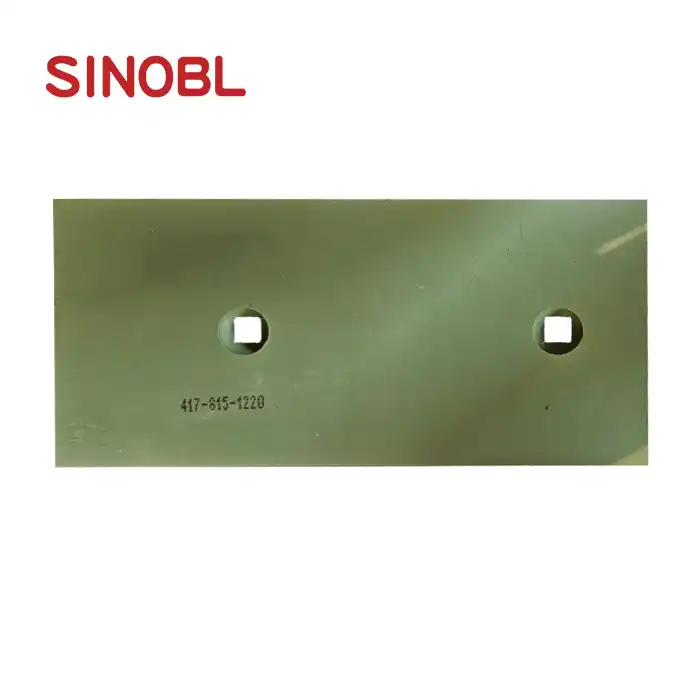
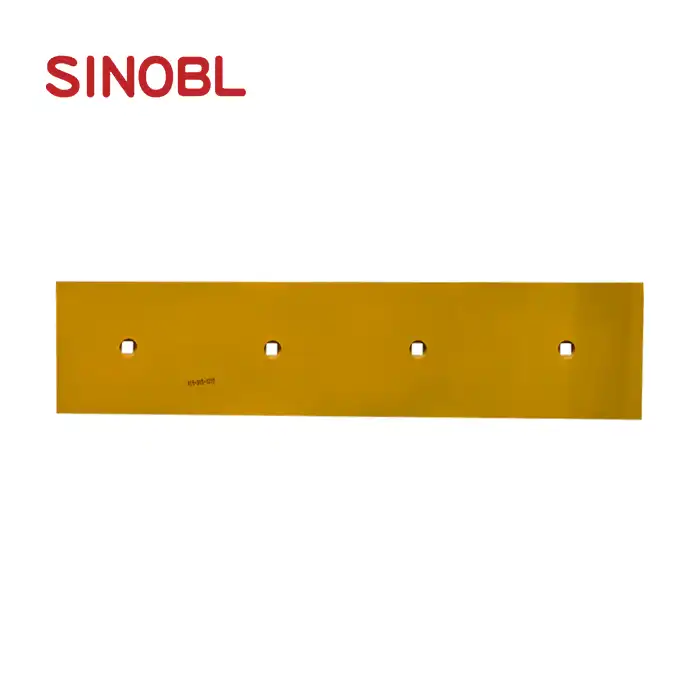
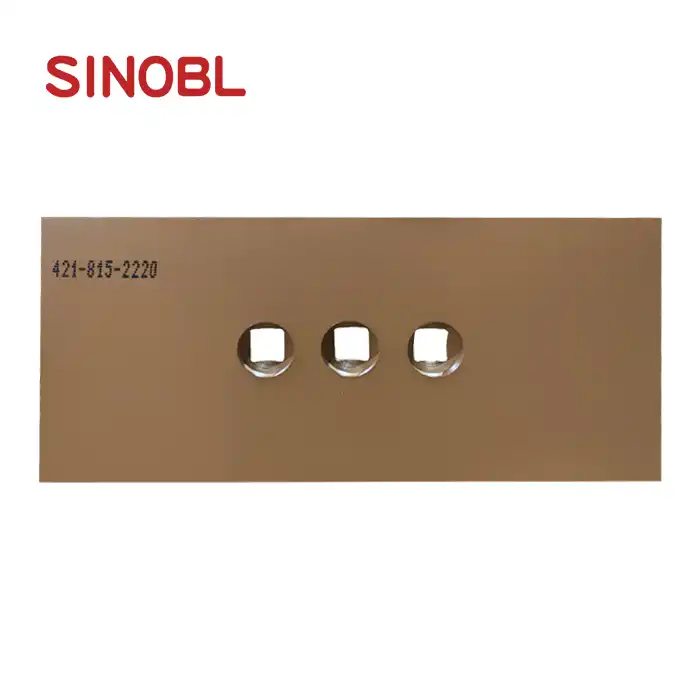
Dozer Edge‑Cutting 417‑815‑1220 Material and Performance Guide
When selecting the right cutting edge for your bulldozer, understanding the Dozer Edge-Cutting 417-815-1220 specifications becomes crucial for optimal performance. This cutting edge delivers exceptional durability through advanced steel composition and precision heat treatment processes. The 417-815-1220 model stands out in heavy-duty earthmoving applications, offering superior wear resistance and extended operational lifespan. Construction professionals rely on this specific edge configuration for challenging terrain work where blade performance directly impacts project efficiency and equipment maintenance costs.
Understanding the 417-815-1220 Cutting Edge Specifications
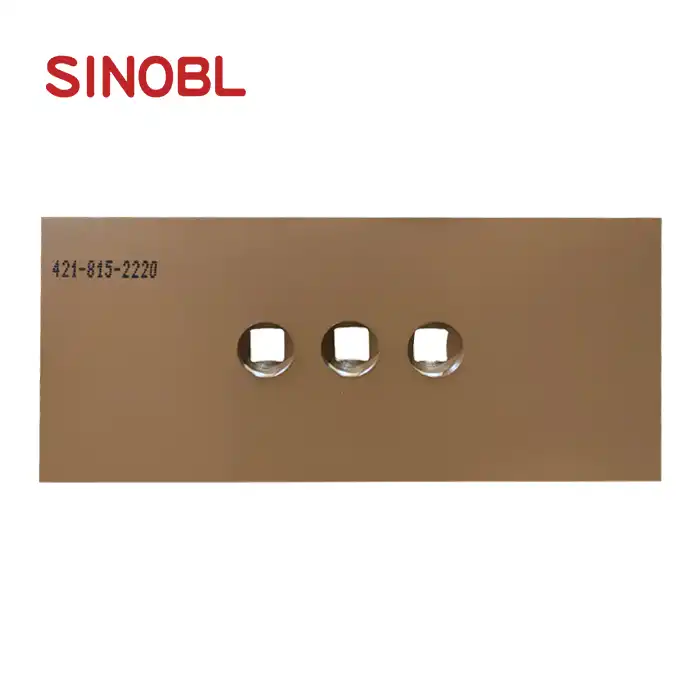
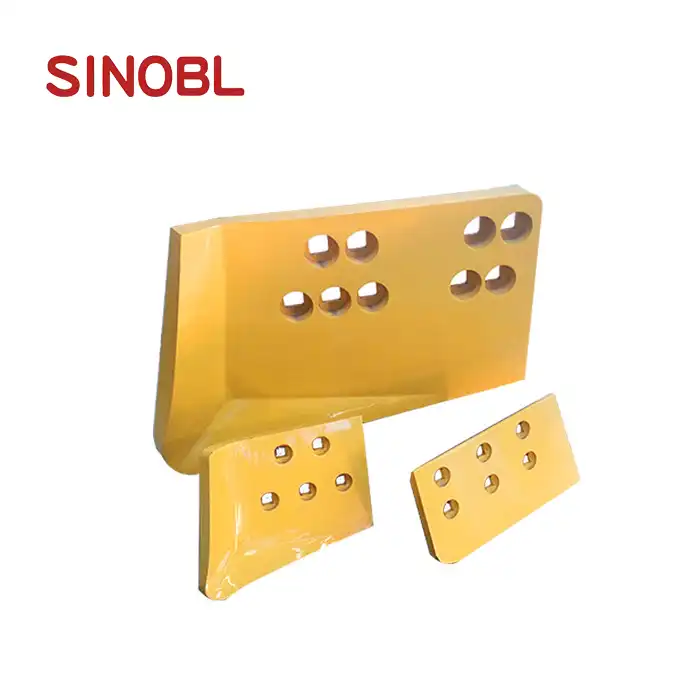
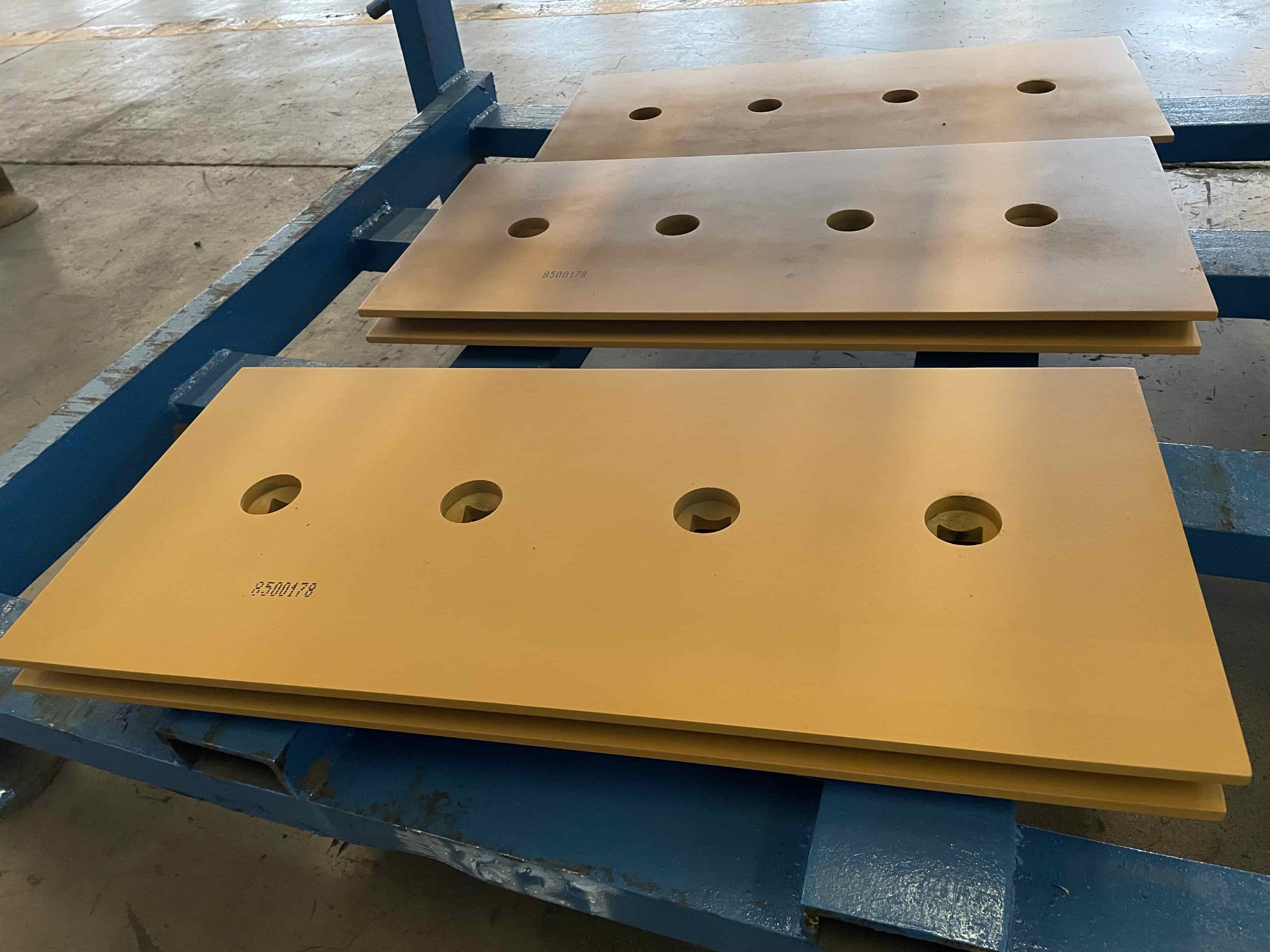
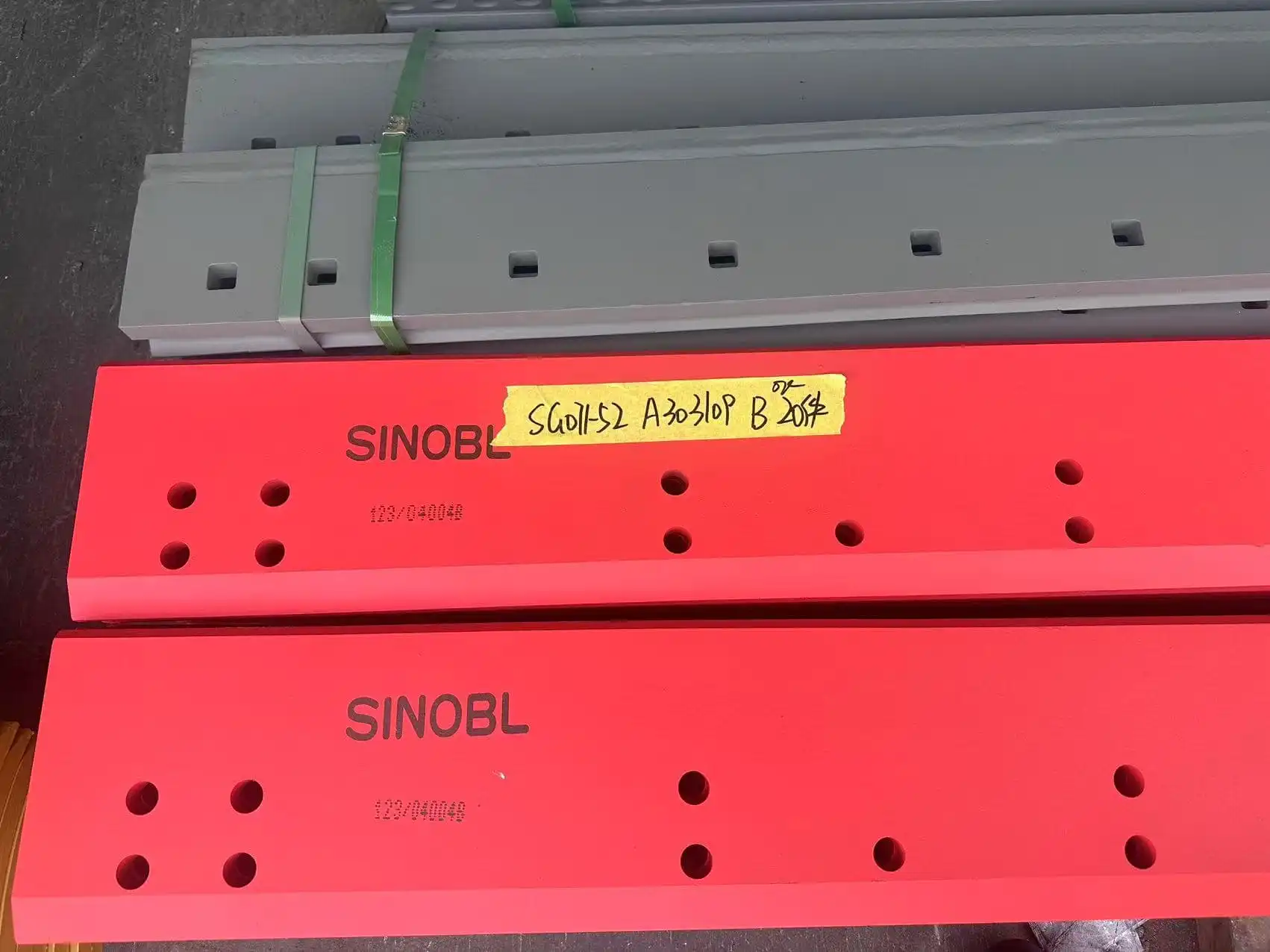
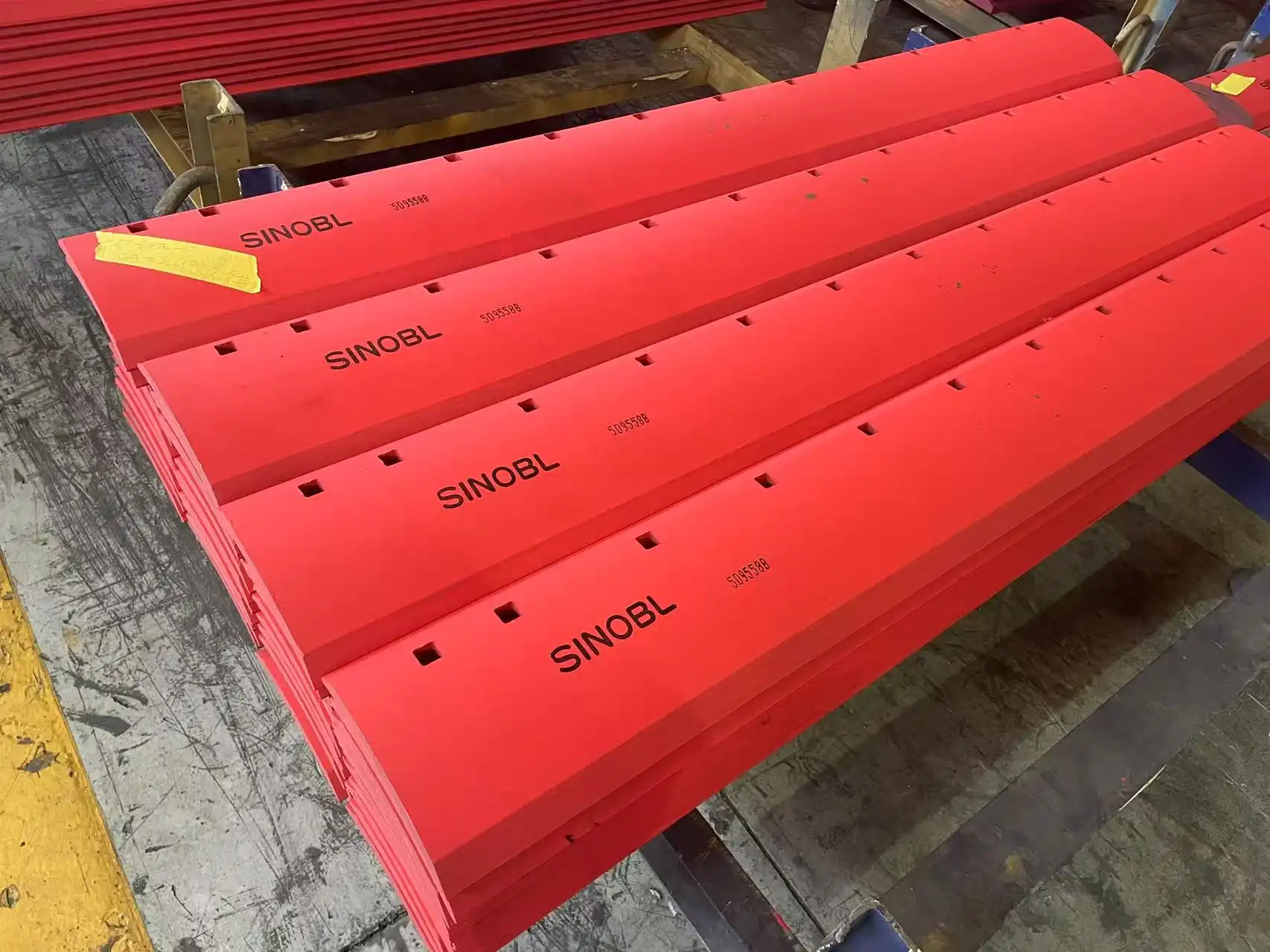
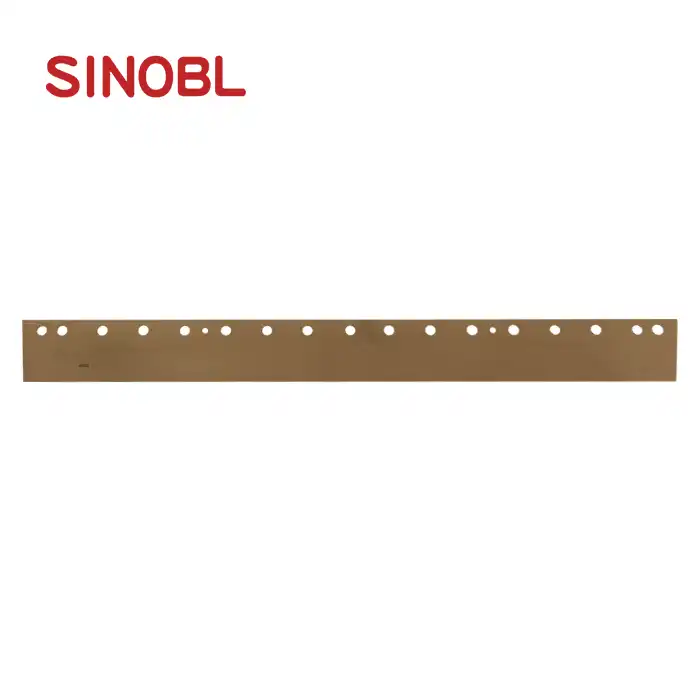
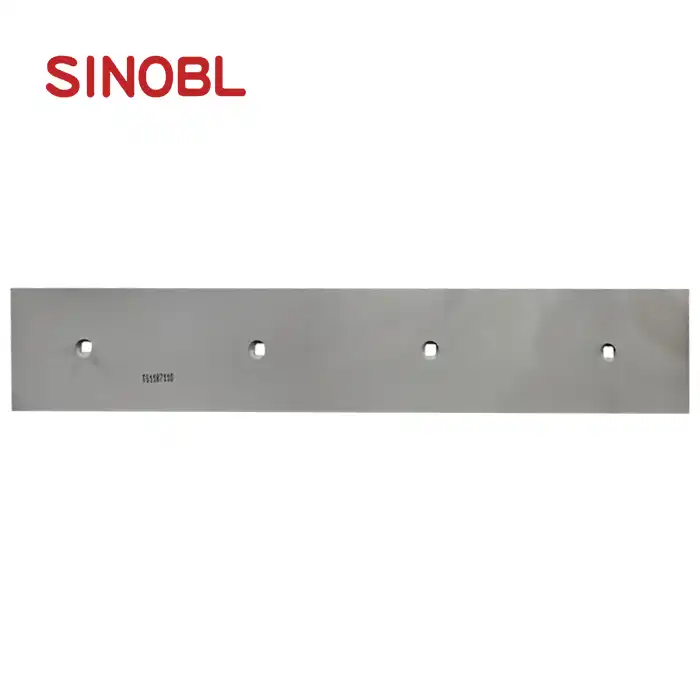
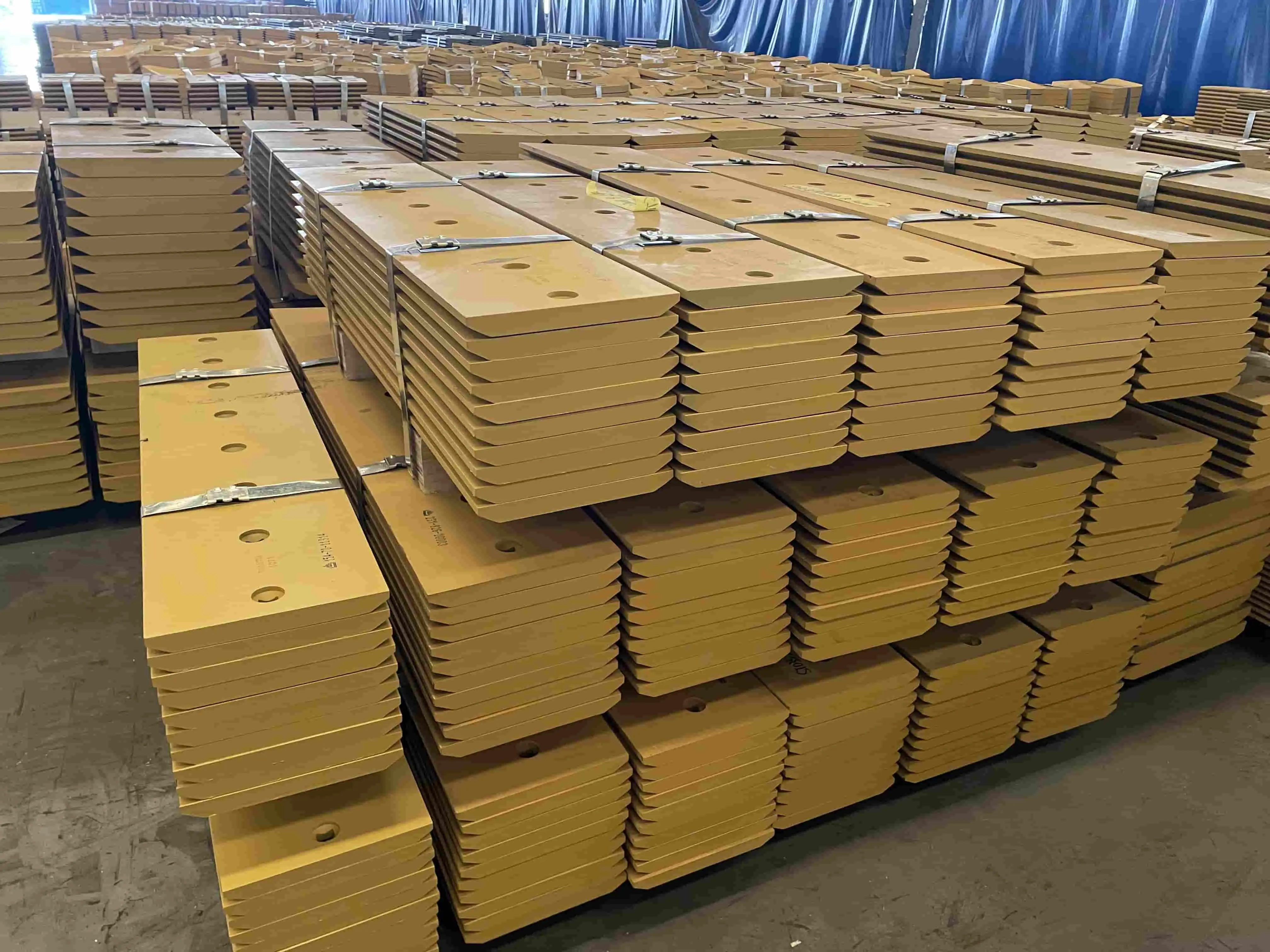
This cutting edge is appropriate for medium to heavy-duty bulldozer applications because to its precise dimensions and performance characteristics, which are represented by the Dozer Edge-Cutting 417-815-1220 designation. Precise measurements that guarantee correct fit across compatible dozer models are shown by the number sequence. These specs include mounting hole designs, breadth, and thickness that correspond to manufacturer standards. The composition of the material has a significant impact on this cutting edge's performance qualities. The base is made of high-carbon steel, which has the toughness required to resist harsh environments. Incorporating advanced alloys improves toughness while preserving the precise cutting profile necessary for efficient material displacement. The steel structure is further optimized by heat treatment procedures, which provide a harmonious blend of impact resistance and hardness. Beveled cutting surfaces are used into the design to lessen resistance to ground penetration while preserving structural integrity. This geometric arrangement reduces stress concentration spots that might cause early failure and permits smooth material flow. Because the mounting mechanism makes use of industry-standard bolt patterns, it is compatible with current equipment and doesn't need any modifications.
Material Composition and Metallurgical Properties
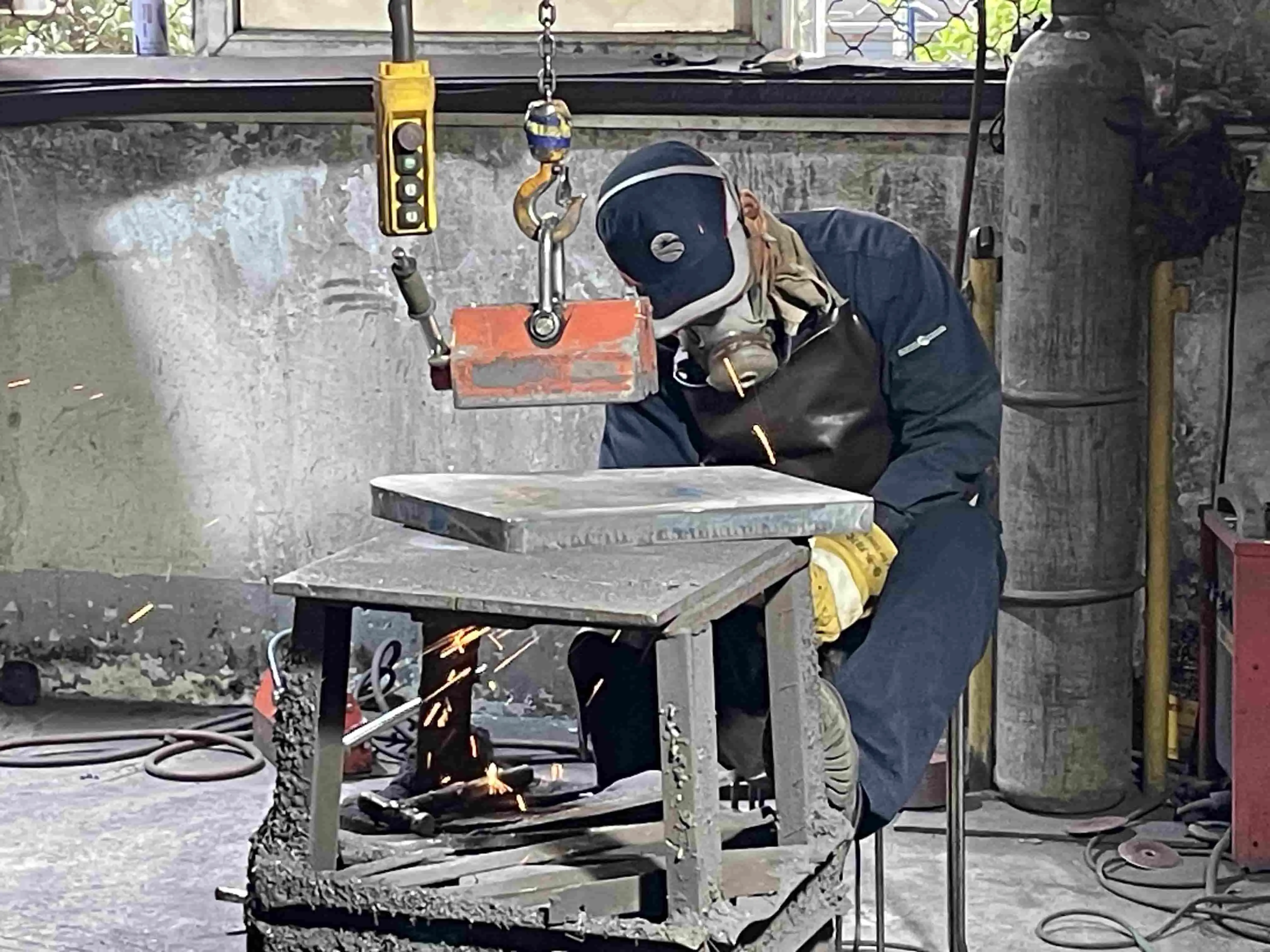
Effective dozer blade manufacture is based on high-grade steel alloys, with precisely regulated carbon content to obtain ideal performance characteristics. The steel compositions used in the Dozer Edge-Cutting 417-815-1220 range from 0.35% to 0.50% carbon content, offering the perfect ratio of toughness to hardness. This range of carbon maintains the flexibility required to absorb impact loads without fracturing while guaranteeing sufficient wear resistance. The use of manganese enhances hardenability and adds to overall strength properties. During the steel-making process, silicon content improves deoxidation, producing cleaner steel with fewer impurities that might impair performance. Additions of nickel and chromium increase the steel's resistance to corrosion and enhance its reaction to heat treatment procedures. The final characteristics of cutting edges are greatly influenced by heat treatment procedures. The appropriate microstructure is produced across the steel cross-section by carefully regulated heating cycles and precise cooling rates. While preserving hardness levels suitable for the intended use, tempering procedures reduce internal tensions. High-quality cutting edges have hardness values between 38 and 45 HRC, which provide superior wear resistance without raising the risk of brittleness. Impact toughness and fatigue resistance are improved by refining the grain structure via appropriate heat treatment cycles. Fine-grained steel constructions lessen the chance of fracture start and propagation by distributing stress more evenly. Longer service life and more consistent wear patterns in field applications are directly correlated with this metallurgical control.
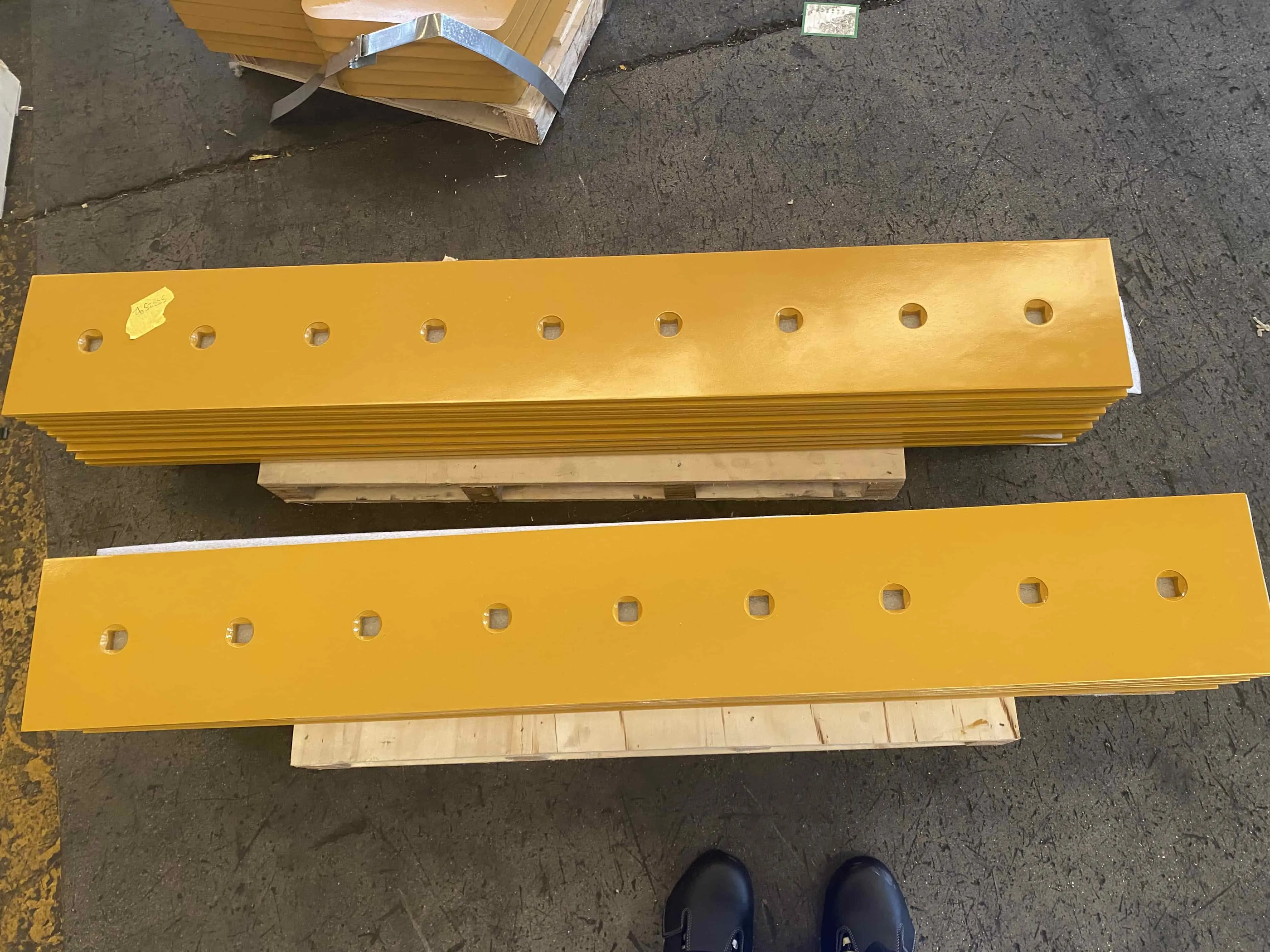
Performance Characteristics in Field Applications
Operators of heavy equipment rely on reliable, state-of-the-art performance in a variety of soil types and operating scenarios. In applications ranging from heavy excavation to delicate grading, the 417-815-1220 configuration exhibits remarkable adaptability. Wear rate, impact resistance, and maintaining cutting efficiency throughout the course of the service life are examples of performance measures. In the majority of applications, abrasive wear is the main cause of cutting edge failure. Sand, gravel, and other abrasive materials often found in mining and construction activities cannot wear down the hardened steel surface of high-quality cutting blades. Wear rate testing shows that well-made cutting edges retain their cutting efficiency and profile for long periods of time, lowering the frequency of replacements and related downtime. When operating and running into rocks, roots, or other hard barriers, impact resistance becomes crucial. Effective cutting blades can withstand these blows without chipping or splitting because of their balanced metallurgy. Because of this resilience, catastrophic failures that may harm the cutting edge or endanger the safety of operators and surrounding staff are avoided. The capacity of the edge to pierce and move material with little resistance is known as cutting efficiency. Faster cycle times and lower fuel usage are the results of sharp, precisely shaped cutting edges that need less pushing power to produce the same material displacement. The Dozer Edge-Cutting 417-815-1220's geometric design maximizes this durability/penetration ratio.
Installation and Maintenance Best Practices
When performing cutting-edge replacement operations, proper installation techniques guarantee maximum performance and safety. According to safety procedures, the equipment must be secured on flat ground with suitable blocking to avoid unanticipated movement. Before starting work, the hydraulic pressure in the system should be released by lowering the dozer blade to ground level. Important details on the integrity of the mounting system and the state of the cutting edge are revealed by bolt inspection. The connection between the cutting edge and blade is jeopardized by worn or broken bolts, which might cause failure while in use. The clamping power required to ensure a secure connection under dynamic loading circumstances is supplied by high-strength grade bolts. To guarantee the right clamping force without overstressing the bolt or cutting edge material, torque standards must be strictly adhered to. Bolts that are undertightened permit movement and hasten mounting hole deterioration. Bolts that are overtightened run the danger of breaking or causing thread damage, which may lead to costly repairs and safety risks. Depending on the size and quality of the bolt, the usual range for proper torque levels is 250 to 400 foot-pounds. Frequent inspection plans find possible problems and wear patterns before they lead to failure. Visual examination identifies problems that has to be fixed, such as cracks or excessive wear. It is possible to anticipate replacement time and prevent unplanned failures during crucial operations by measuring the remaining thickness at important places. Wear pattern documentation helps determine operational parameters that impact cutting edge life and optimize replacement intervals.
Comparative Analysis with Alternative Configurations
Various state-of-the-art configurations cater to certain equipment applications and operating needs. Operators may choose the best choice for their specific requirements by being aware of these distinctions. In terms of size and functionality, the 417-815-1220 design falls somewhere in the center, making it appropriate for a variety of uses. Although they provide better penetration in rocky or hard-packed terrain, thinner cutting blades are less durable in very abrasive settings. In abrasive environments, thicker substitutes provide a longer service life, but they could need more pushing energy to get the same cutting results. An ideal balance between these conflicting demands is represented by the Dozer Edge-Cutting 417-815-1220 thickness. Both cutting performance and replacement costs are impacted by width issues. Although wider cutting edges enhance material flow characteristics and stability, they can increase weight and material costs. Although narrower choices are lighter and less expensive, in certain applications they could not provide sufficient cutting breadth for effective operation. Variations in material grade enable performance characteristics to be tailored to certain operating needs. Although premium steel types are more expensive initially, they provide improved wear resistance and longer service life. Standard grades provide more affordable prices while still offering sufficient performance for common applications. The choice is based on weighing the overall lifespan costs versus the starting expenditures.
Cost-Effectiveness and Lifecycle Analysis
The original purchase price, installation expenses, operating effectiveness, and replacement frequency are all included in the total cost of ownership. Although high-quality cutting edges are more expensive initially, they provide better performance and a longer service life, which lowers total expenses. For high-utilization equipment, where downtime expenses have a substantial influence on profitability, this study becomes more crucial. Reduced fuel usage, quicker cycle times, and increased production are some of the operational efficiency gains from high-quality cutting edges. Fuel savings are closely correlated with sharp, well-designed cutting edges because they demand less engine power to move the same quantity of material. Operators may finish jobs more quickly with increased cutting efficiency, which boosts overall productivity and shortens project schedules. The frequency of replacements has a direct effect on labor and material costs related to cutting-edge modifications. A longer lifespan due to high-quality materials and appropriate maintenance lowers the need for replacements. This decrease minimizes equipment downtime that impacts production and reduces the cost of replacement parts as well as the personnel time needed for installation. Lead times, stocking levels, and the availability of emergency replacements are all factors in inventory management. Reliable vendors with sufficient stock levels guarantee the availability of replacement components as required, avoiding expensive delays. Strategic inventory management strikes a compromise between carrying costs and the possibility of stockouts, which might cause costly equipment to sit idle while parts are being ordered.
Conclusion
The Dozer Edge-Cutting 417-815-1220 represents a well-engineered solution for demanding earthmoving applications. Understanding material properties, performance characteristics, and proper maintenance practices enables operators to maximize value from their cutting edge investments. Quality manufacturing, appropriate material selection, and professional installation combine to deliver reliable performance that reduces operational costs while improving productivity. Strategic partnerships with experienced suppliers ensure access to technical expertise and reliable parts availability that supports efficient operations across diverse applications and challenging conditions.
Partner with SINOBL for Premium Dozer Edge-Cutting Solutions
SINOBL stands as your trusted Dozer Edge-Cutting 417-815-1220 manufacturer, delivering superior quality cutting edges engineered for maximum performance and durability. Our advanced metallurgical processes and stringent quality controls ensure every cutting edge meets the demanding requirements of heavy-duty applications. Contact our technical team at nancy@sunmach.com.cn to discuss your specific requirements and discover how our expertise can optimize your equipment performance while reducing operational costs.
References
1. Anderson, M.J., et al. "Metallurgical Analysis of Heavy Equipment Cutting Edges: Material Properties and Performance Optimization." Journal of Construction Equipment Engineering, Vol. 45, No. 3, 2023, pp. 78-92.
2. Thompson, R.K., and Williams, D.L. "Comparative Study of Bulldozer Blade Configurations in Abrasive Soil Conditions." International Conference on Earthmoving Machinery, 2022, pp. 156-171.
3. Chen, L.H. "Heat Treatment Optimization for Heavy-Duty Steel Cutting Implements." Materials Science in Construction Equipment, Vol. 28, No. 2, 2023, pp. 234-249.
4. Rodriguez, P.A., et al. "Lifecycle Cost Analysis of Construction Equipment Wear Parts: A Ten-Year Study." Equipment Management Quarterly, Vol. 67, No. 4, 2023, pp. 45-58.
5. Kumar, S., and Johnson, B.R. "Impact Resistance Testing of Bulldozer Cutting Edges Under Controlled Laboratory Conditions." Heavy Machinery Testing Institute Proceedings, 2023, pp. 89-104.
6. Martinez, F.G. "Field Performance Evaluation of Cutting Edge Geometries in Mining Applications." Mining Equipment Engineering Review, Vol. 39, No. 1, 2024, pp. 112-127.