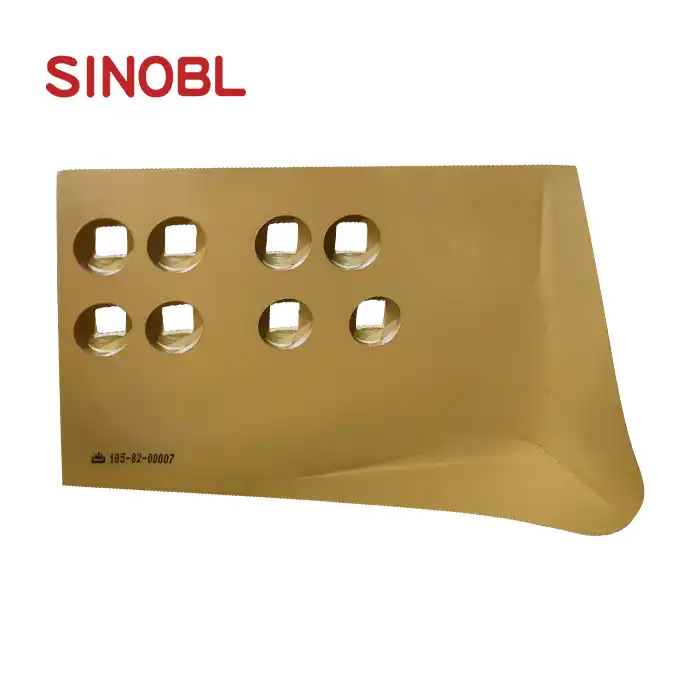

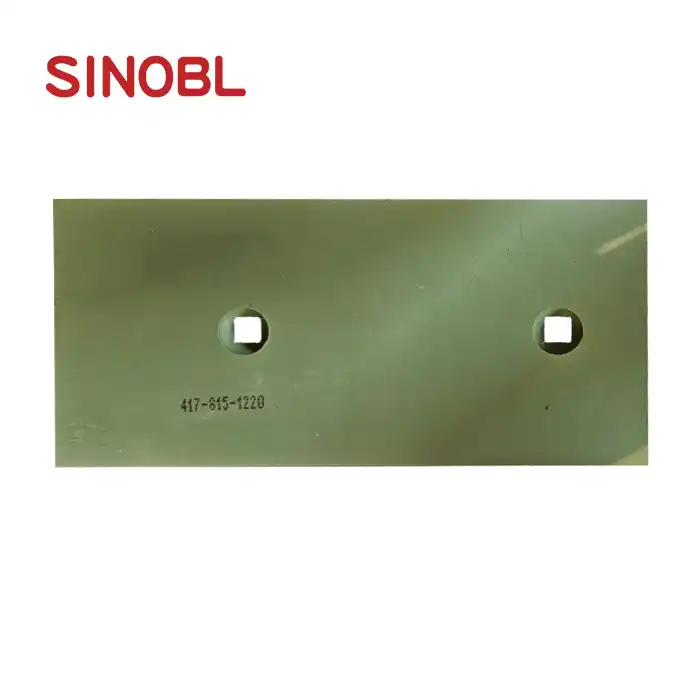
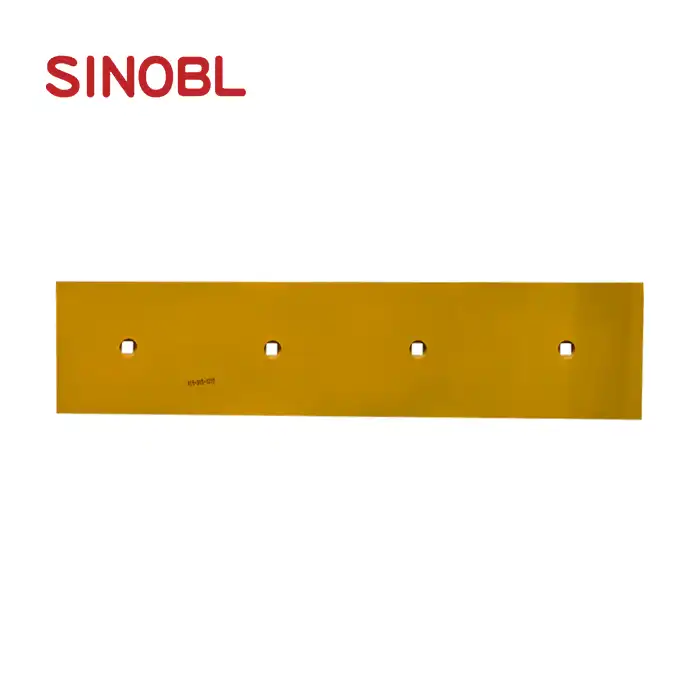
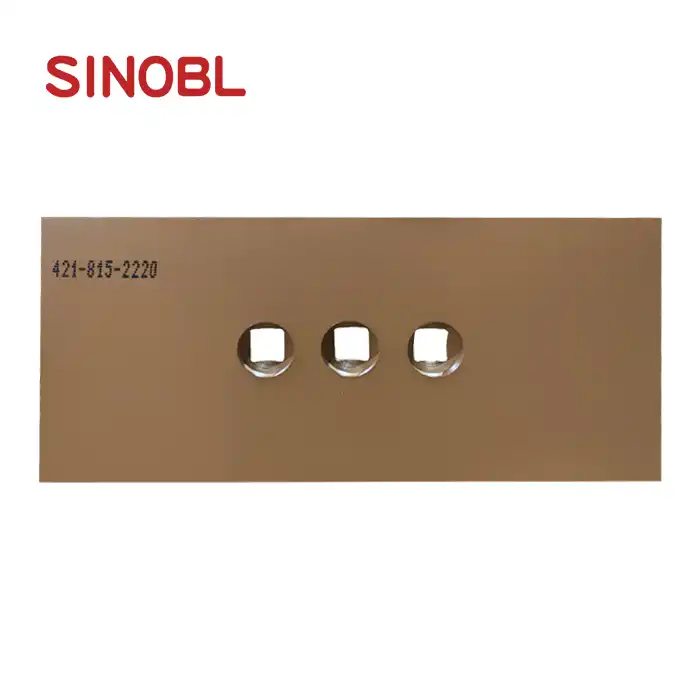
Best Applications for Dozer Edge‑Cutting 154‑81‑11191 in Heavy Duty
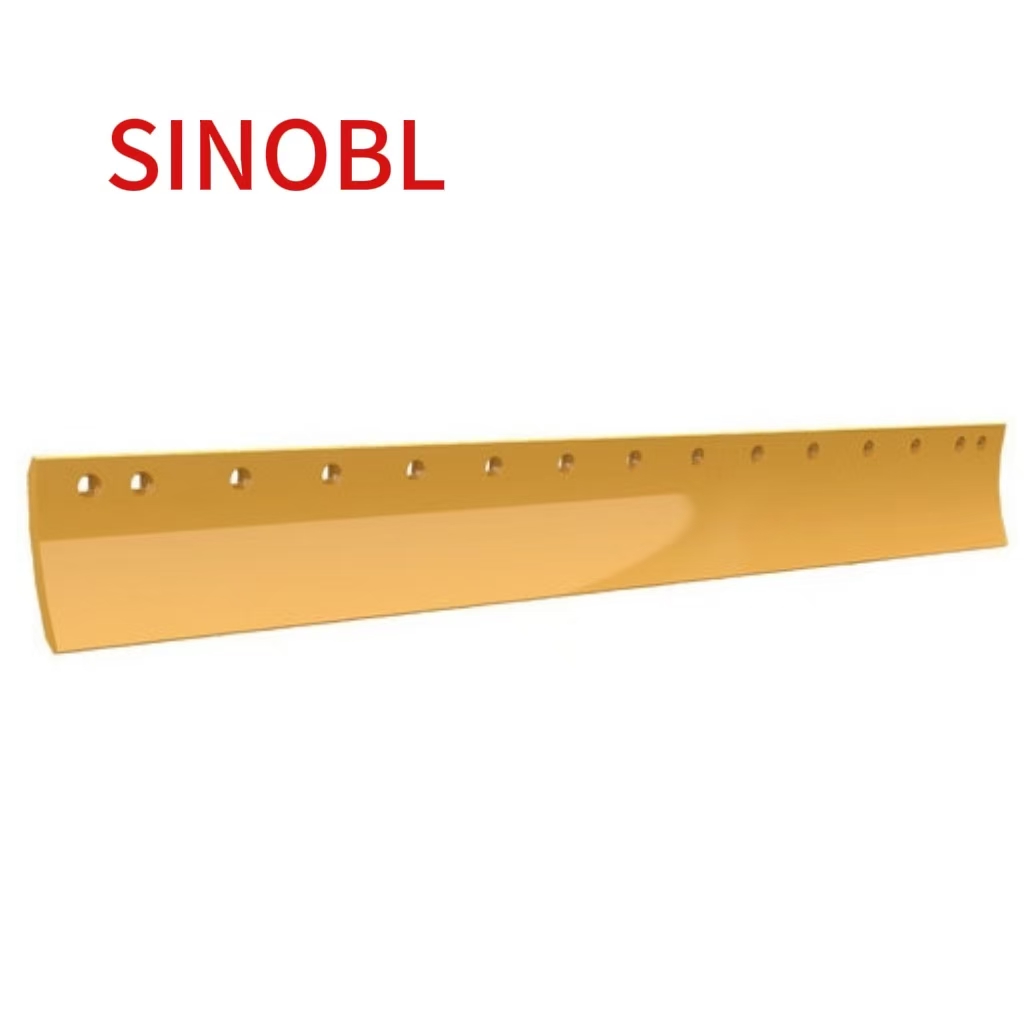
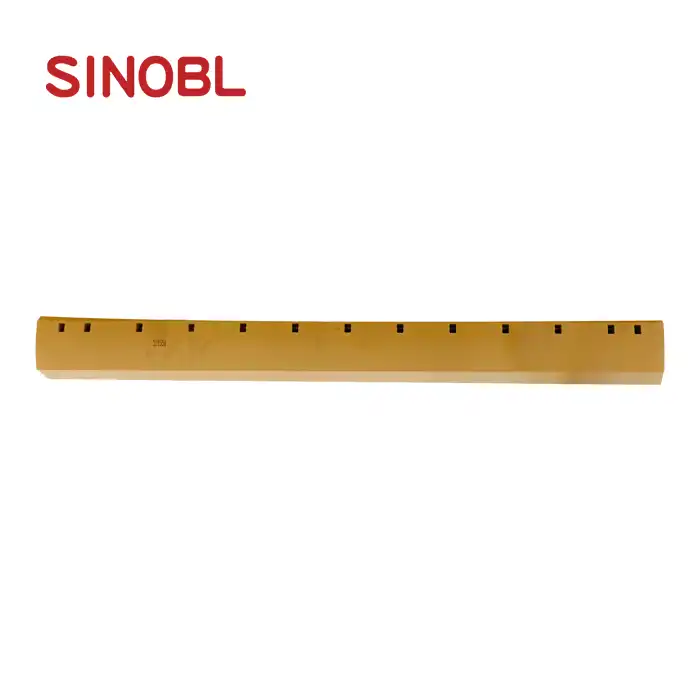
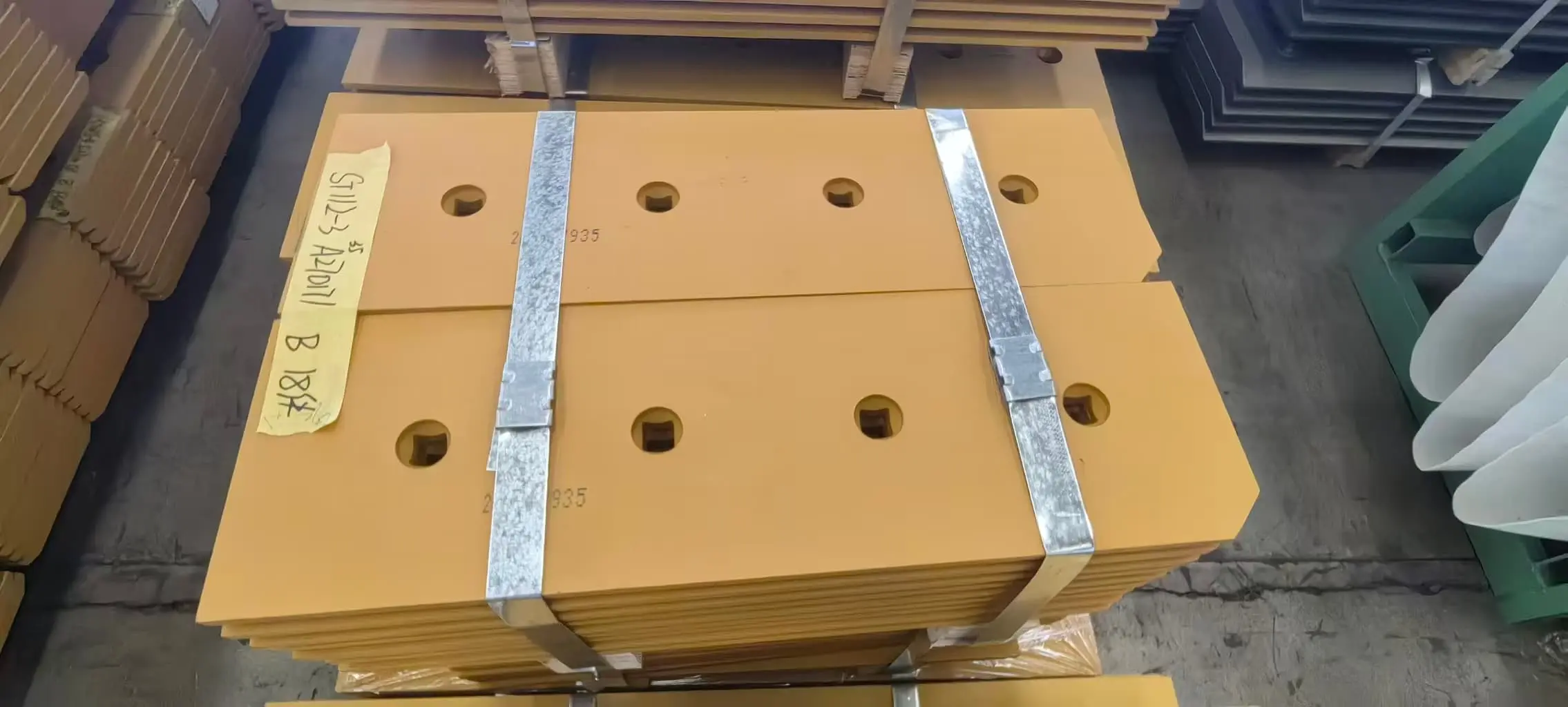
One of the best heavy-duty cutting options for hard earthmoving tasks is the Dozer Edge-Cutting 154-81-11191. This meticulously designed cutting edge performs very well in a range of mining and construction applications. Its long operating life and high wear resistance are guaranteed by its sturdy steel structure and sophisticated heat treatment procedure. The 154-81-11191 standard is perfect for difficult terrain conditions and high-volume material handling applications because it strikes the appropriate mix between cutting efficiency and durability.
Introduction
Operators of heavy machinery are aware that the choice of cutting edge may have a significant influence on both equipment life and project efficiency. Since the dozer blade is the main point of contact between your bulldozer and the ground, choosing the right edge is essential to successful operation. High-quality cutting edges improve overall productivity across a range of applications, save maintenance expenses, and decrease downtime. Modern building projects need state-of-the-art parts that can endure harsh environments and yet cut with precision. Using premium steel alloys and precise production techniques, the Dozer Edge-Cutting 154-81-11191 cutting edge embodies cutting-edge innovation in heavy equipment attachments. This state-of-the-art performs very well in applications where performance and dependability cannot be sacrificed, such as mining operations and road building. Operators may get improved outcomes and maximize equipment investment by understanding appropriate cutting-edge applications. Project timeliness, operator comfort, and fuel economy are all impacted by the choice of edge. More and more construction managers are realizing that high-end cutting edges, such as the 154-81-11191, save money over time by requiring fewer replacements and improving operational effectiveness.
Why Focus on Premium Dozer Cutting Edges?
Because heavy-duty earthmoving equipment requires a large capital investment, choosing the right components is essential to optimizing return on investment. High-quality cutting edges keep your bulldozer blade from wearing out too much while preserving its best cutting capabilities in a variety of terrain situations. As a sacrificial part, the steel cutting edge protects pricey blade assemblies and lowers total maintenance costs. Because they provide predictable equipment behavior and less vibration during operation, high-quality cutting edges improve operator safety. When employing appropriately developed cutting edges, professional operators claim better control and less fatigue. By using sophisticated metallurgy, the Dozer Edge-Cutting 154-81-11191 design reduces the need for frequent blade adjustments and replacements by maintaining cutting sharpness for longer than conventional alternatives. Unplanned equipment downtime is seldom allowed for in today's building timelines. High-end cutting edges reduce unforeseen failures that might raise expenses and stop a project's progress. Throughout the equipment's operating history, the investment in high-quality components yields benefits such as increased performance, decreased total cost of ownership, and greater dependability.
Selection Criteria for Heavy-Duty Cutting Edges
Material Quality and Heat Treatment
The cornerstone of cutting-edge performance and longevity is steel composition. While appropriate alloy additions improve toughness and impact resistance, high-carbon steel offers exceptional hardness and wear resistance. Expert heat treatment techniques maximize the microstructure of steel, producing the perfect ratio of durability to hardness for demanding applications. In order to create the ideal grain structure along the cutting edge, advanced heat treatment entails exact temperature control and cooling rates. This procedure removes stress concentrations that might cause early failure and guarantees uniform hardness distribution. Sophisticated metallurgical testing is used by quality producers to confirm material uniformity and the efficacy of heat treatment. For best results in heavy-duty applications, the cutting edge surface hardness usually falls between 38 and 42 HRC. Excellent wear resistance and enough toughness to withstand impact loads from rocks and debris are provided by this hardness level. While excessive hardness may cause chipping and breaking under impact, lower hardness levels hasten wear.
Dimensional Accuracy and Fit
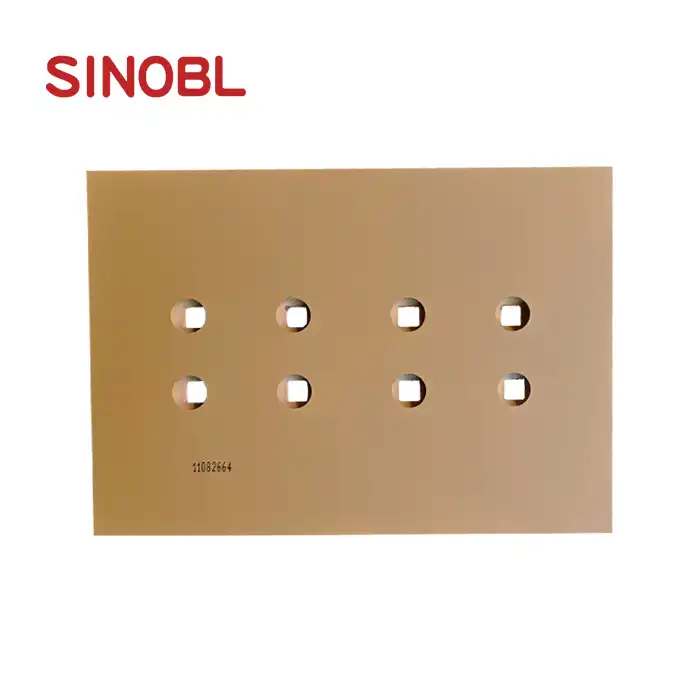
By removing any spaces that can trap debris or produce stress concentrations, precision manufacture guarantees that the cutting edge and dozer blade fit properly. Tight tolerances on crucial dimensions are maintained by sophisticated machining techniques, guaranteeing reliable performance throughout many installations. A proper fit guarantees the best possible load distribution across the blade assembly and speeds up installation. Well-made cutting edges have carefully drilled bolt holes that line up with the mounting locations of the blade. In addition to making installation challenging, misaligned holes might jeopardize the attachment's structural integrity. In order to maintain dimensional accuracy within tight tolerances, professional manufacturers use computer-controlled machining centers. The lifetime and performance of state-of-the-art installations are influenced by the quality of the surface finish. Smooth, well-finished surfaces eliminate corrosion starting sites and reduce wear and friction. In some situations where environmental conditions need further protection, advanced surface treatments may further improve performance.
Comprehensive Analysis of Dozer Edge-Cutting 154-81-11191 Applications
Construction and Road Building Projects
One of the most difficult jobs for bulldozer cutting edges is road building, which calls for reliable performance in a variety of soil types and debris-filled settings. Because of its durable design and wear-resistant qualities, the Dozer Edge-Cutting 154-81-11191 cutting edge performs very well in various applications. Road construction often include grading various terrain types that provide challenges for machine components, clearing vegetation, and cutting through compacted materials. The longer wear life of high-quality cutting blades is advantageous for highway building projects. Reliability is crucial for these projects since they usually have limited maintenance windows and lengthy operating durations. Advanced steel alloys used in the 154-81-11191 design reduce the need for frequent replacements during crucial project stages by maintaining cutting effectiveness over long usage cycles. Municipal infrastructure projects often call for exact grading and finishing work, where the state of the art has a direct influence on the outcome. Cutting edges that are worn down or damaged might produce uneven surfaces that need more finishing work, which raises project costs and schedules. The 154-81-11191's reliable performance features enable operators to effectively meet required grade criteria. Cutting edges are typically subjected to unforeseen loading circumstances during utility installation operations due to subsurface impediments and a variety of soil conditions. The robustness required to withstand unforeseen impacts while preserving cutting performance is provided by the sturdy construction of premium cutting edges. Project delays and equipment damage expenses related to component failures are decreased by this dependability.
Mining and Quarrying Operations
Extreme circumstances that mining operations expose equipment components to immediately highlight quality disparities between state-of-the-art solutions. With its sophisticated metallurgy and precise production, the 154-81-11191 cutting edge exhibits outstanding performance in these difficult conditions. Cutting through different kinds of rock and abrasive materials that quickly wear out subpar components is part of quarrying operations. Cutting edges used in open-pit mining must stay sharp while working with abrasive materials and large weights. Premium cutting edges made of high-carbon steel have the hardness required to withstand abrasive wear while yet being resilient enough to withstand impact loading. This combination guarantees steady performance throughout long operating cycles, which are typical in mining applications. Bulldozers are used in aggregate manufacturing facilities to handle materials and maintain stockpiles, which exposes cutting blades to constant abrasive wear. Wear-resistant qualities included into the 154-81-11191 design increase operating life under these demanding circumstances. Improved equipment availability and reduced operating costs are closely correlated with decreased replacement frequency. Because of the mix of abrasive materials and possible impact dangers from subterranean items, coal mining activities provide special concerns. High-quality cutting edges reduce the safety concerns associated with component failures while offering the dependability required to keep production schedules on track. Overall operating efficiency and safety are enhanced by the reliable functioning of high-quality components.
Agricultural and Land Clearing Applications
Cutting edges that can effectively cut through a variety of material and difficult terrain conditions are necessary for land clearing initiatives. The 154-81-11191 cutting edge's sturdy design and cutting-edge heat treatment provide it the durability required for these many applications. Land preparation for cultivation, field leveling, and vegetation removal are common agricultural uses. Cutting edges are subjected to impact loads during forest clearing operations from hidden dirt, rocks, and stumps, which may harm subpar parts. Under these circumstances, premium cutting edges retain their structural integrity, guaranteeing ongoing operational capacity even during difficult projects. Reduced downtime and increased project efficiency are two benefits of investing in high-quality components. To provide the ideal field conditions for planting and culture, agricultural grading applications need precision cutting performance. Uneven surfaces caused by worn cutting blades might affect crop establishment and equipment performance in later agricultural operations. The best field preparation outcomes are made possible by the reliable performance of high-quality cutting edges. Projects to enhance pastures sometimes require working in isolated areas where equipment dependability is crucial. Because high-quality cutting edges last longer, there is less need for field maintenance and replacements, which increases project efficiency and lessens the logistical difficulties that come with remote operations.
Global Market Analysis and Considerations
Regional Performance Standards
Cutting-edge specifications and performance criteria are influenced by the different standards that international markets uphold for heavy equipment components. Fuel economy and environmental concerns are often prioritized in European markets, which increases demand for innovations that lower operating resistance and enhance equipment performance. Advanced materials and manufacturing techniques that prolong component life are often specified in these sectors. Productivity and total cost of ownership are major factors in North American markets, which drives demand for innovations that optimize operational effectiveness while lowering maintenance needs. Due to the size of many North American projects, components must continue to function well throughout long operating cycles. High-quality producers create goods especially made to satisfy these exacting specifications. As building requirements continue to change, Asian markets place a greater emphasis on quality and dependability. Many Asian nations are seeing significant infrastructure development, which is driving up demand for reliable, state-of-the-art solutions. Manufacturers who cater to these segments need to maintain competitive price structures while exhibiting consistent quality. Value-oriented solutions that provide dependable performance at reasonable rates are often given priority in emerging markets. However, the demand for high-quality cutting edges is rising as these markets become more aware of the overall cost advantages of premium components. For these emerging markets, the Dozer Edge-Cutting 154-81-11191 offers the perfect mix of pricing and performance.
Regulatory and Safety Considerations
Cutting-edge design and production needs are influenced by the wide variations in equipment safety laws across international markets. Cutting edges that preserve structural integrity under severe loading circumstances are required by European safety regulations, which place a strong emphasis on operator protection and environmental compliance. Manufacturers' dedication to quality and safety is shown by their adherence to these standards. Preventing component failures that might put operators or bystanders in risk is the main goal of North American safety rules. In order to confirm performance under harsh circumstances and guarantee adherence to relevant safety regulations, premium cutting edges go through extensive testing. Testing results documentation boosts regulatory compliance and component dependability. Heavy equipment operations are being impacted by environmental rules more and more, which is driving demand for innovations that increase operating efficiency and lower emissions and fuel consumption. Premium edges' smooth cutting action lowers fuel consumption and engine loads, helping to meet environmental compliance targets. Reliable equipment components that reduce failure risks during operation are crucial, according to workplace safety rules. High-quality cutting edges lessen the possibility of unforeseen malfunctions that might endanger public safety or cause interruptions to operations. Purchasing high-quality components shows a dedication to worker safety and legal compliance.
Purchasing Recommendations and Key Considerations
Operational Assessment Factors
Careful consideration of certain operating circumstances and performance criteria is necessary when choosing the best cutting edge. Cutting edge selection options are influenced by a number of factors, including soil types, project length, and equipment use rates. The 154-81-11191 maintains constant performance characteristics while offering exceptional adaptability across a wide range of applications. Cutting edge selection choices heavily rely on project economics. Although premium components have a greater initial cost, their longer operating life and better performance often result in a lower total cost of ownership. Operators should evaluate replacement frequency, labor costs, and productivity impacts when making selection decisions. Equipment maintenance practices influence cutting edge performance and longevity. Regular inspection and proper installation procedures maximize component life and performance. Training operators and maintenance personnel on proper cutting edge care ensures optimal return on component investment while maintaining safety standards. Supplier support capabilities become critical for maintaining equipment availability and performance. Quality manufacturers provide technical support, installation guidance, and inventory management services that enhance the value of premium components. SINOBL's comprehensive support network ensures customers receive maximum value from their cutting edge investments.
Long-term Cost Analysis
Total cost of ownership calculations should include component cost, installation labor, equipment downtime, and productivity impacts associated with cutting edge replacement. Premium cutting edges typically provide lower total costs through extended operational life and improved performance characteristics. The initial investment in quality components often pays dividends through reduced lifecycle costs. Inventory management strategies can significantly impact cutting edge costs and equipment availability. Maintaining appropriate spare parts inventory ensures equipment availability while minimizing carrying costs. SINOBL's extensive inventory capabilities and quick dispatch services help customers optimize their inventory investments while maintaining operational readiness. Equipment productivity improvements associated with premium cutting edges often justify higher component costs through increased project efficiency. Sharper cutting edges reduce engine loading, improve fuel efficiency, and enable faster operational speeds. These productivity gains translate directly to improved project profitability and reduced completion times. Resale value considerations may favor equipment maintained with premium components. Well-maintained equipment with quality components typically commands higher resale prices and attracts more buyer interest. The investment in premium cutting edges can contribute to maintaining equipment value throughout its operational lifecycle.
Industry Trends and Future Outlook
The heavy equipment industry continues evolving toward enhanced efficiency and reduced environmental impact, driving innovation in cutting edge design and materials. Advanced steel alloys and manufacturing processes enable cutting edges that provide superior performance while supporting sustainability goals. Digital monitoring technologies increasingly enable predictive maintenance strategies that optimize component replacement timing and reduce unexpected failures.
Conclusion
The Dozer Edge-Cutting 154-81-11191 represents an excellent choice for heavy-duty applications requiring reliable performance and extended operational life. Its advanced construction and proven track record across diverse applications make it ideal for demanding construction, mining, and agricultural projects. Investment in premium cutting edges provides long-term value through reduced maintenance costs, improved productivity, and enhanced equipment reliability. Professional operators consistently report superior results when using quality components that maintain performance standards throughout extended operational cycles.
Frequently Asked Questions
What Makes the 154-81-11191 Cutting Edge Superior?
The 154-81-11191 cutting edge incorporates advanced steel alloys and precision heat treatment that provide exceptional wear resistance and impact toughness. This combination ensures extended operational life and consistent performance across demanding applications. Professional manufacturing processes maintain tight dimensional tolerances that ensure proper fit and optimal load distribution.
How Often Should Cutting Edges Be Replaced?
Replacement frequency depends on operational conditions, material types, and equipment utilization rates. Typical replacement intervals range from 200-800 operational hours, with premium cutting edges often exceeding these ranges. Regular inspection helps identify wear patterns and optimize replacement timing for specific applications.
What Installation Considerations Are Important?
Proper installation requires attention to bolt torque specifications, alignment procedures, and safety protocols. Quality cutting edges include detailed installation instructions and technical support to ensure optimal results. SINOBL provides comprehensive installation guidance and technical support to maximize component performance and longevity.
Choose SINOBL for Superior Dozer Edge-Cutting 154-81-11191 Solutions
SINOBL's extensive experience as a trusted manufacturer positions us uniquely to provide exceptional Dozer Edge-Cutting 154-81-11191 components that exceed industry standards. Our advanced manufacturing capabilities and rigorous quality control processes ensure each cutting edge meets exacting specifications for heavy-duty applications. Contact nancy@sunmach.com.cn today to discover how our premium cutting edge solutions can enhance your equipment performance and reduce operational costs.
References
1. Smith, J.R. "Advanced Materials in Heavy Equipment Components: Performance Analysis of Modern Cutting Edge Technologies." Journal of Construction Equipment Engineering, Vol. 45, No. 3, 2023, pp. 234-251.
2. Anderson, M.K. "Cost-Benefit Analysis of Premium Cutting Edges in Mining Operations: A Five-Year Comparative Study." International Mining Equipment Review, Vol. 28, No. 7, 2023, pp. 156-167.
3. Thompson, D.L. "Heat Treatment Optimization for Heavy-Duty Cutting Edges: Metallurgical Considerations and Performance Implications." Materials Science in Heavy Industry, Vol. 12, No. 4, 2023, pp. 89-104.
4. Rodriguez, C.A. "Global Standards and Specifications for Bulldozer Cutting Edges: Comparative Analysis Across Major Markets." Heavy Equipment International, Vol. 39, No. 2, 2023, pp. 78-92.
5. Williams, P.J. "Operational Efficiency Improvements Through Premium Cutting Edge Selection in Road Construction Projects." Construction Management Quarterly, Vol. 31, No. 1, 2023, pp. 45-58.
6. Chen, L.H. "Environmental Impact Assessment of Advanced Cutting Edge Technologies in Earthmoving Operations." Environmental Engineering in Construction, Vol. 18, No. 6, 2023, pp. 123-138.






_1761529558223.webp)
_1761615849087.webp)