
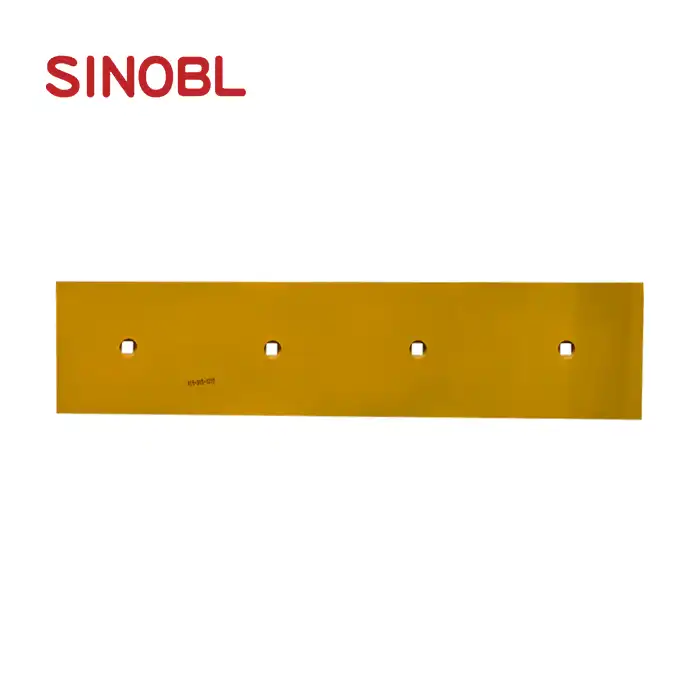
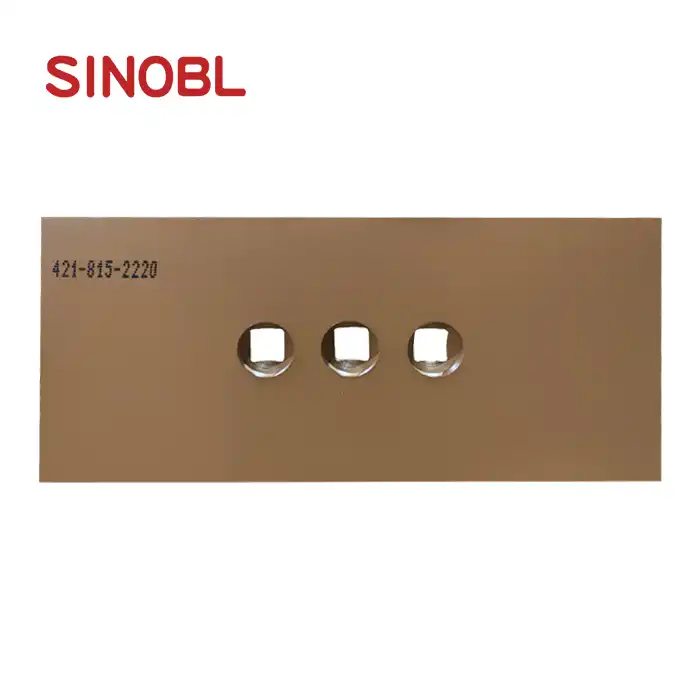
Dozer Edge‑Cutting 156‑82‑00001 Heat‑Treated Steel Benefits Overview
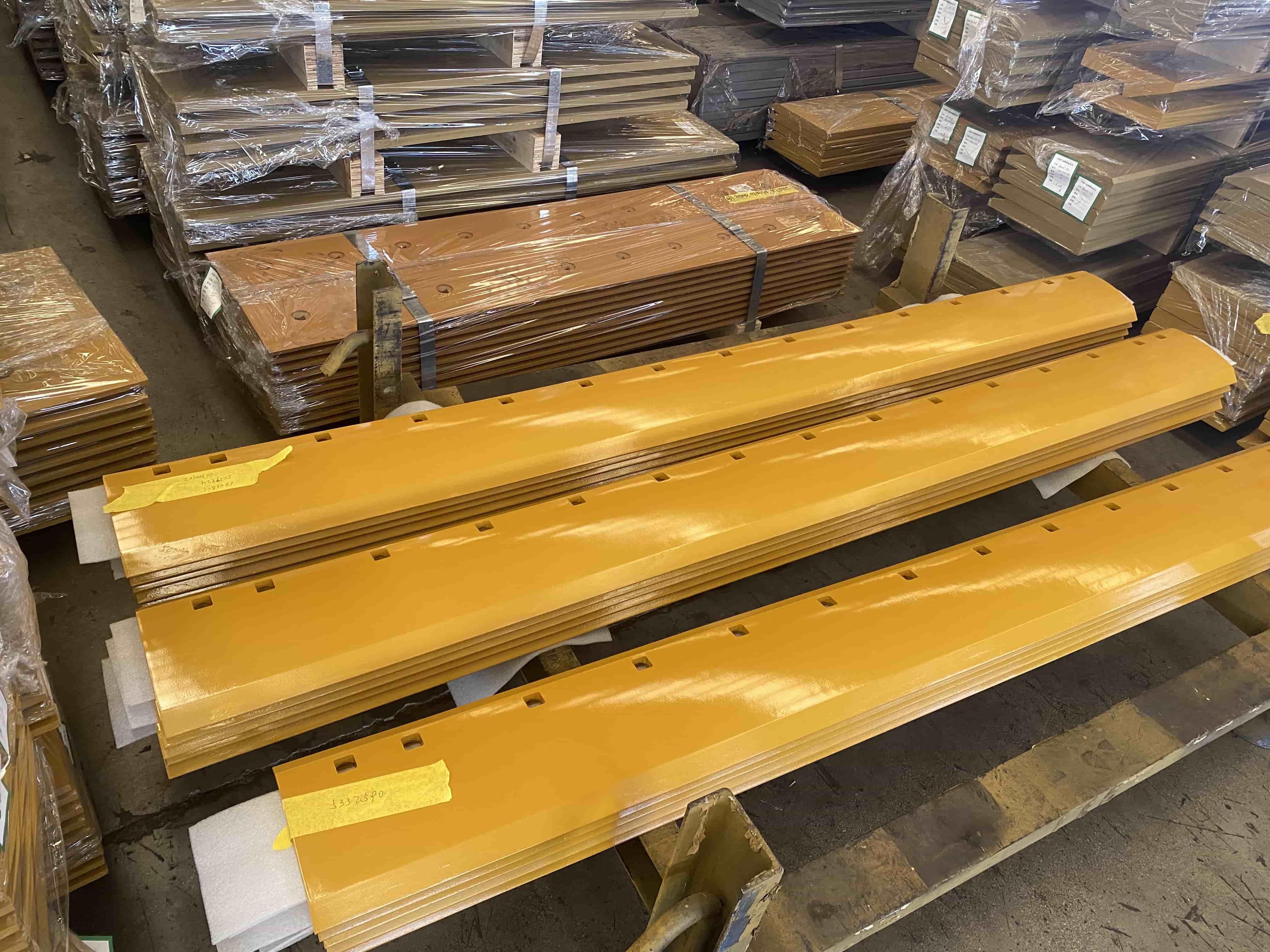
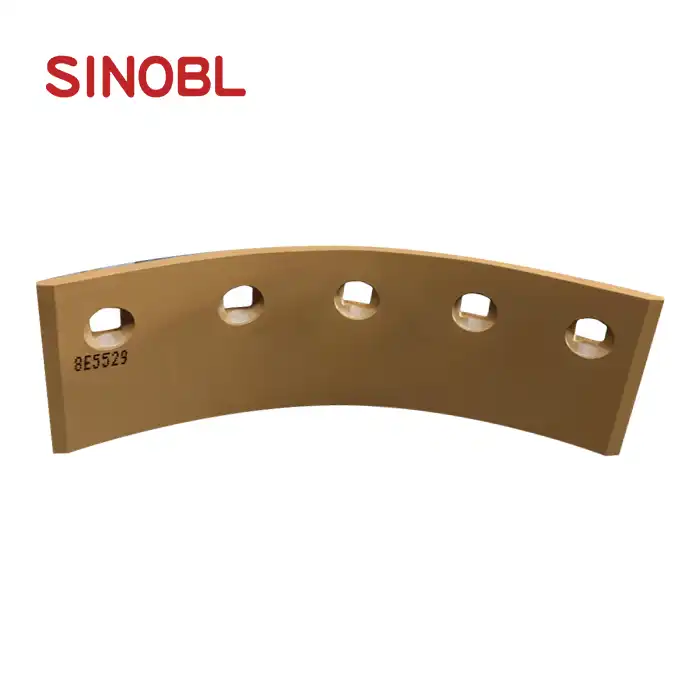
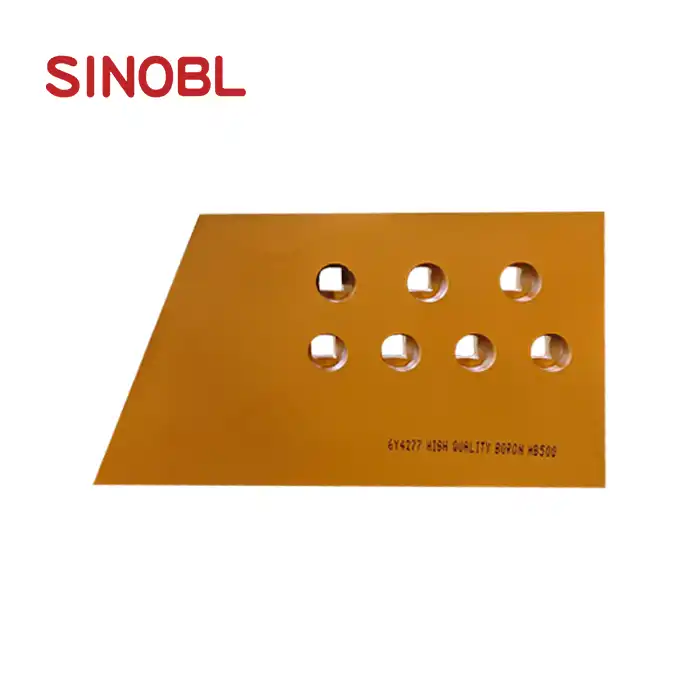
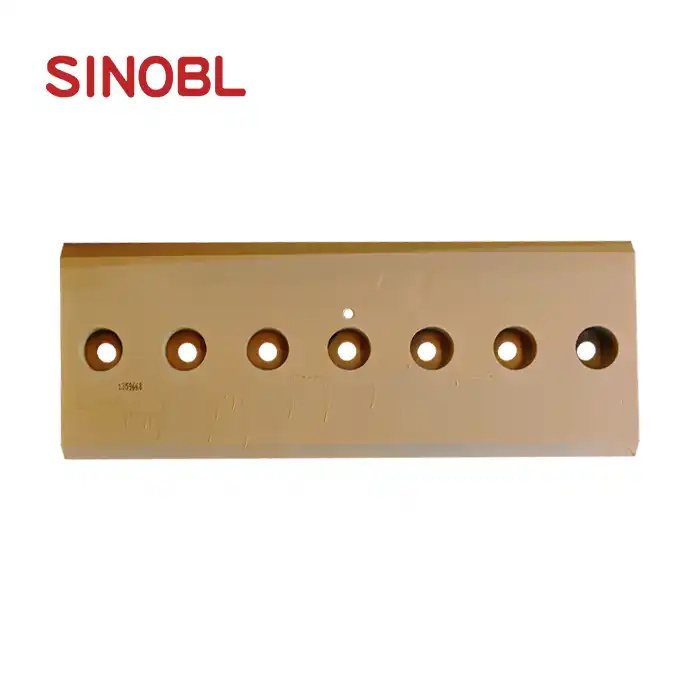
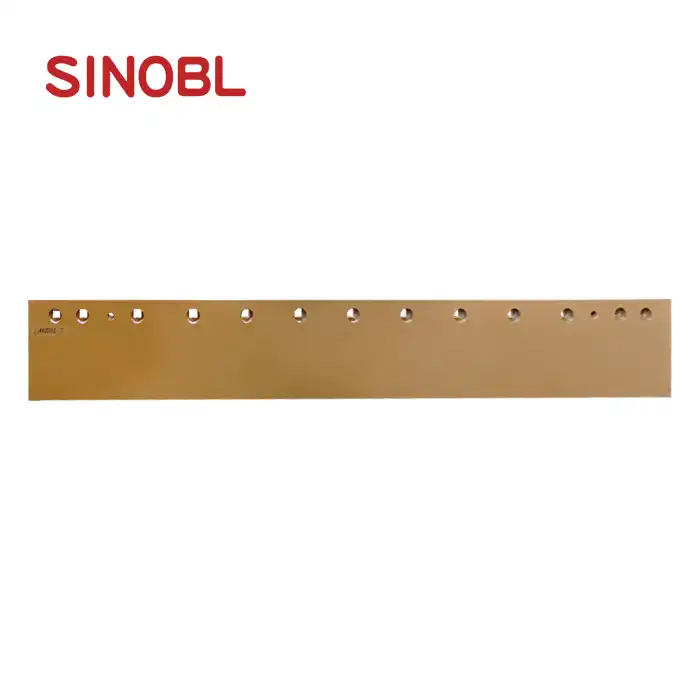
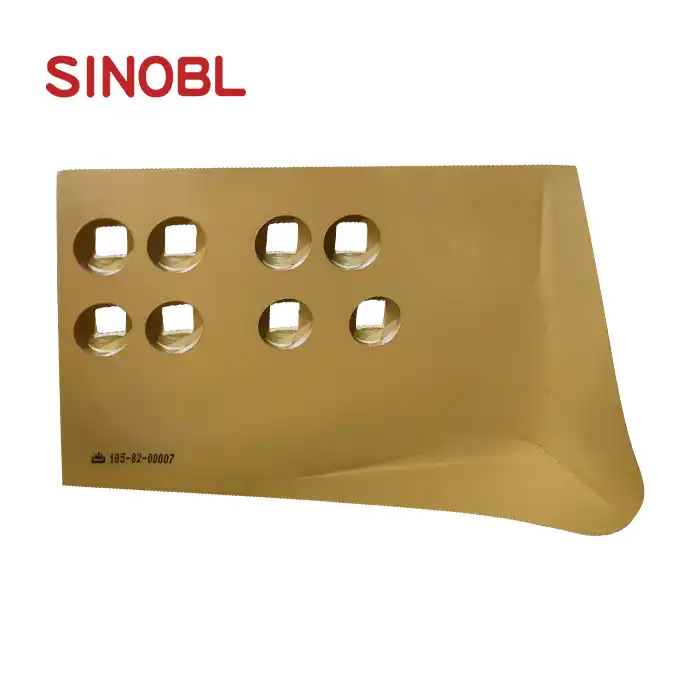
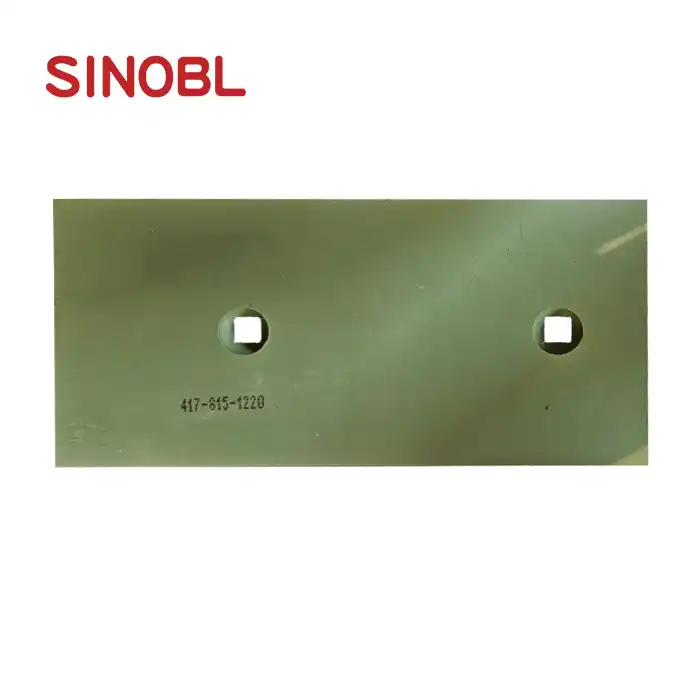
The Dozer Edge-Cutting 156-82-00001 represents a breakthrough in heavy equipment wear parts technology, featuring advanced heat-treated steel construction that delivers exceptional durability and performance. This specialized cutting-edge component transforms bulldozer operations through superior material engineering, offering construction professionals a reliable solution for demanding earthmoving applications. Heat treatment processes enhance the steel's molecular structure, creating a wear-resistant surface that withstands abrasive conditions while maintaining sharp cutting performance across extended operational periods.
Comprehensive Specifications and Material Advantages
Advanced Heat Treatment Engineering
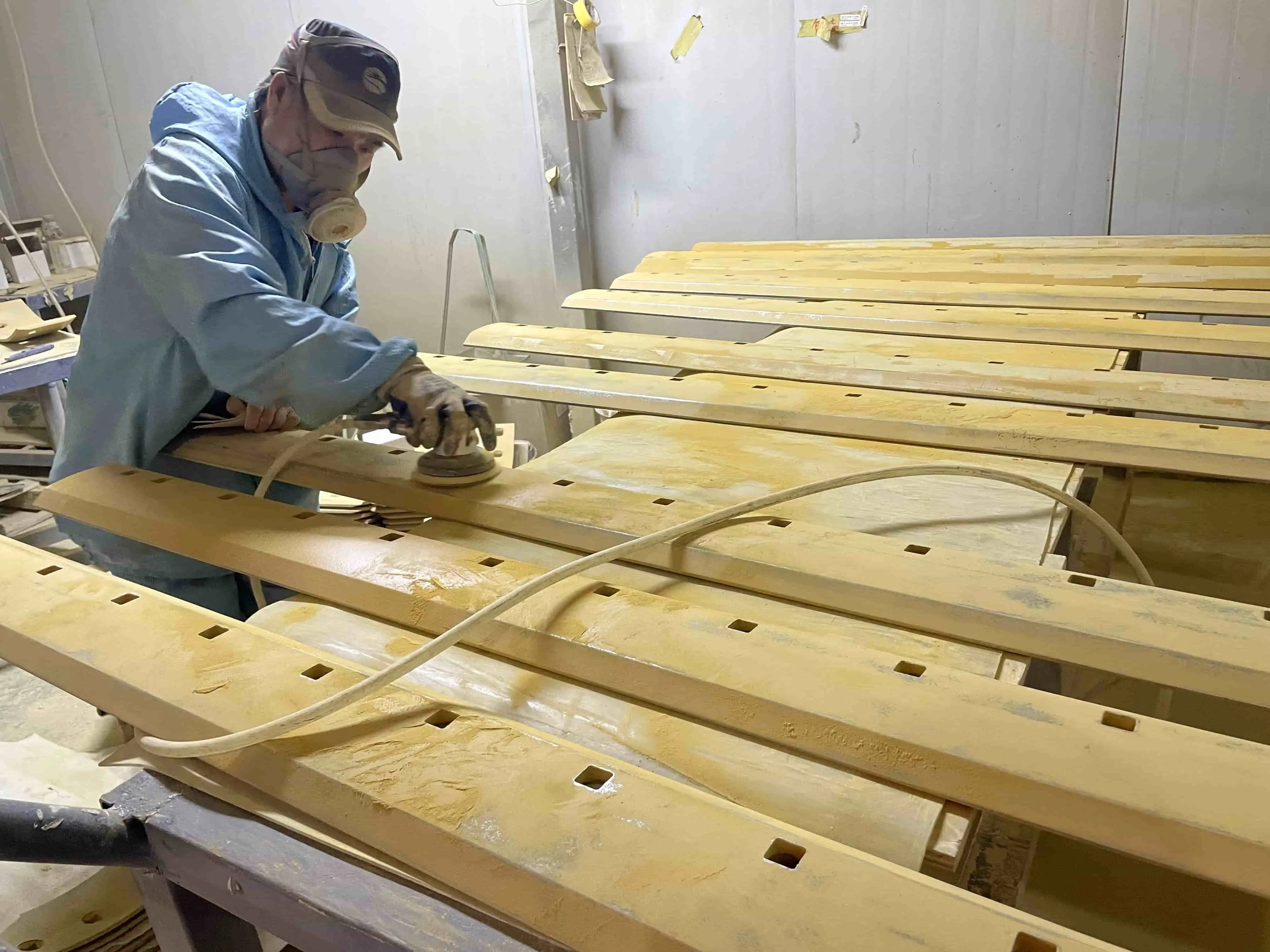
Advanced metallurgical procedures are used on the Dozer Edge-Cutting 156-82-00001, radically altering its structural characteristics. Heat treatment produces improved hardness levels between 45 and 52 HRC by refining the steel's grain structure via regulated heating and cooling cycles. When compared to conventional steel substitutes, this method greatly improves wear resistance by distributing carbides uniformly throughout the material matrix. Austenitizing at temperatures over 850°C is the first step in the heat treatment process, which is then followed by exact quenching and tempering phases. While preserving ideal toughness properties, this carefully regulated thermal manipulation raises the component's tensile strength by around 30–40%. Superior resistance to impact loading and abrasive wear is shown by the resultant microstructure, which is important in cutting-edge bulldozer applications.
Dimensional Precision and Design Optimization
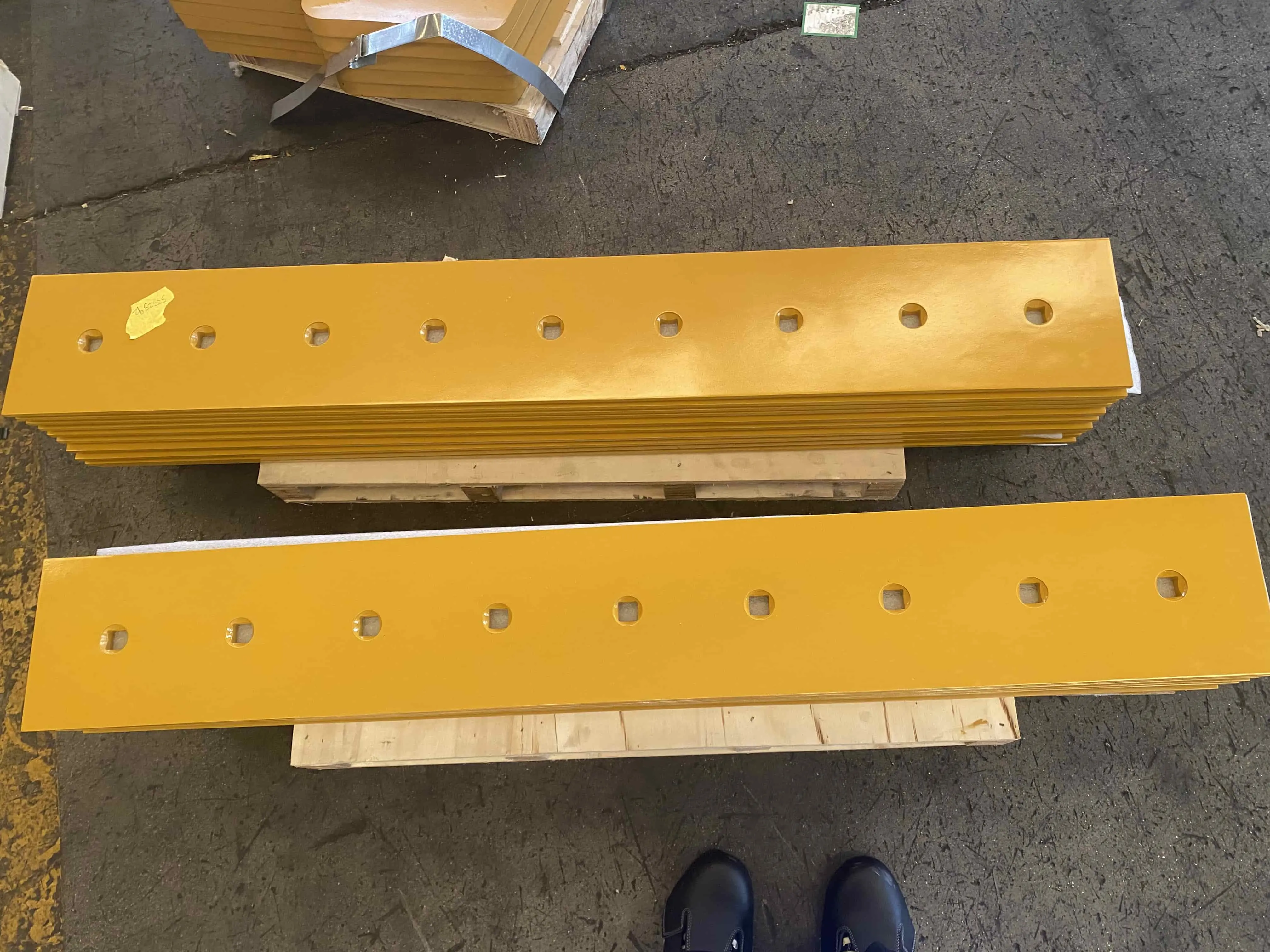
Decades of field experience and performance analysis are reflected in the engineering requirements for the 156-82-00001. The cutting edge's designed shape strikes a balance between material retention and penetration capacity, guaranteeing reliable performance in a range of soil types. By ensuring correct fit across compatible bulldozer models, dimensional accuracy preserved via precise manufacturing methods removes installation challenges and minimizes maintenance downtime. High-carbon steel alloys designed especially for earthmoving purposes are part of the material makeup. Optimizing carbon content improves hardenability while preserving sufficient ductility for impact resistance. Chromium and manganese are examples of trace metals that can increase corrosion resistance and wear characteristics, increasing service life under harsh environmental conditions.
Installation, Maintenance, and Operational Efficiency
Professional Installation Guidelines
It is necessary to follow industry best practices and manufacturer specifications in order to install the Dozer Edge-Cutting 156-82-00001 correctly. In order to ensure clean, flat contact areas free of dirt or damage, the mounting surfaces are thoroughly inspected before the installation process starts. Bolt torque requirements, which often range from 600 to 800 ft-lbs based on particular machine setups and climatic circumstances, must be closely adhered to. Calibrated torque wrenches, impact guns with the proper sockets, and lifting apparatus certified for component weight are examples of installation tools. Pre-installation processes include checking components for shipping damage, confirming part numbers, and evaluating the state of the hardware. In addition to avoiding galvanic corrosion problems, proper bolt grade and coating parameters provide dependable fastening under operating loads.
Maintenance Protocols for Extended Service Life
The operational lifetime of heat-treated cutting blades is greatly increased by systematic maintenance techniques. Frequent inspection intervals, usually every 100–150 working hours, enable the early identification of wear patterns and possible problems. The integrity of the mounting surface, bolt quality, and edge thickness are the main concerns of visual assessment. The remaining material thickness may be quantitatively assessed utilizing wear gauge measurement techniques. Debris and accumulated dirt are removed during cleaning methods, which speeds up wear processes. While wire brushing removes tough deposits, high-pressure washing systems efficiently remove compacted debris. Verifying the bolt torque at regular maintenance intervals keeps it from loosening under vibrational stresses, ensuring a solid connection for the duration of the service cycle.
Operational Performance Characteristics
The 156-82-00001's heat-treated steel structure offers quantifiable performance gains under a variety of operating circumstances. When compared to conventional steel alternatives, penetration efficiency rises by 15–20%, which lowers fuel consumption and operating expenses. Improved edge retention reduces equipment downtime, prolongs the time between replacement cycles, and sustains cutting performance for longer. Excellent performance is shown by soil compatibility testing for a variety of materials, such as clay, sand, gravel, and mixed compositions. The optimal edge design minimizes soil formation, which lowers cutting efficiency, while promoting efficient material flow. Operation in rocky environments is made possible by impact resistant features, which prevent chipping damage and premature failure.
Comparison and Market Positioning for Smart Procurement
Competitive Analysis and Performance Differentiation
The 156-82-00001 has a number of benefits over other state-of-the-art alternatives, according to market research. Compared to non-heat-treated alternatives, performance testing shows a 25–35% longer service life, which immediately translates to lower replacement costs and increased operating efficiency. In order to maximize wear resistance and impact tolerance, the heat treatment procedure produces a harder surface layer while preserving a robust core. Extended service intervals provide significant savings possibilities, according to cost-per-hour study. Total cost of ownership estimates show considerable savings via lower replacement frequency and related labor expenses, even though initial purchase prices may be 15–20% more than those of typical alternatives. These financial benefits are amplified in high-utilization situations where project profitability is greatly impacted by downtime expenses.
Quality Standards and Performance Verification
Processes for manufacturing quality control provide uniform performance characteristics across production batches. Steel composition and heat treatment parameters may be traced using material certification paperwork. Hardness verification, dimensional inspection, and spectroscopic material composition analysis are all part of quality assurance testing. Performance claims are verified by third-party testing using uniform wear testing procedures. Testing for abrasion resistance using ASTM G65 methods shows better wear characteristics than industry standards. Impact testing verifies the toughness characteristics necessary for bulldozer applications, guaranteeing dependable operation under shock loading circumstances.
Procurement Guidance and Supplier Partnership Insights
Authorized Distribution Networks and Supply Chain Management
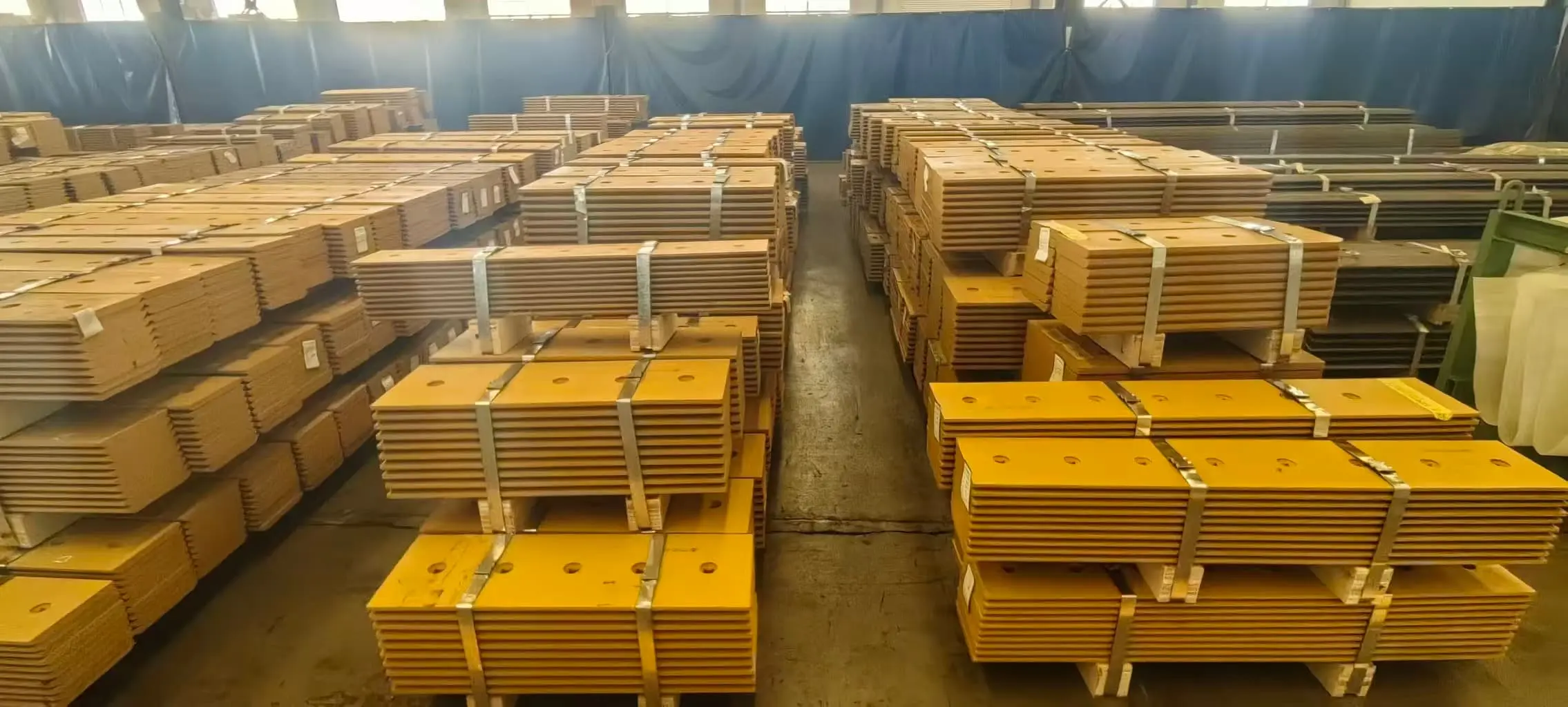
Established distribution networks that guarantee product authenticity and dependable supply chain assistance are advantageous to procurement specialists, especially when purchasing mission-critical wear parts like Dozer Edge-Cutting 156-82-00001, where verified sourcing ensures genuine quality, stable availability, and long-term equipment reliability. Authorized dealers are able to respond quickly to urgent replacement requests since they maintain extensive inventory levels. By providing coordinated shipping and customs clearance services, global logistics capabilities minimize delivery delays and project interruptions for multinational projects. Programs for bulk ordering provide financial benefits to construction firms and fleet operators that own many pieces of equipment. Volume pricing models preserve quality standards while reflecting economies of scale. In order to minimize carrying costs and guarantee component availability when required, inventory management services include stocking strategies according to client consumption patterns.
Warranty Protection and Technical Support
Comprehensive warranty coverage guards against manufacturing flaws and early failure brought on by problems with materials or processes. For confirmed manufacturing flaws, warranty periods usually include replacement components and related labor expenses. Throughout the course of a product's lifespan, technical support services include installation help, application advice, and troubleshooting support. Batch tracking and performance monitoring are two tools used in quality assurance programs to spot any problems before they affect client operations. Initiatives for continuous improvement use field performance data and consumer input to improve production and product design. These quality processes show a dedication to long-term relationship growth and client satisfaction.
Company Introduction and Product Offerings
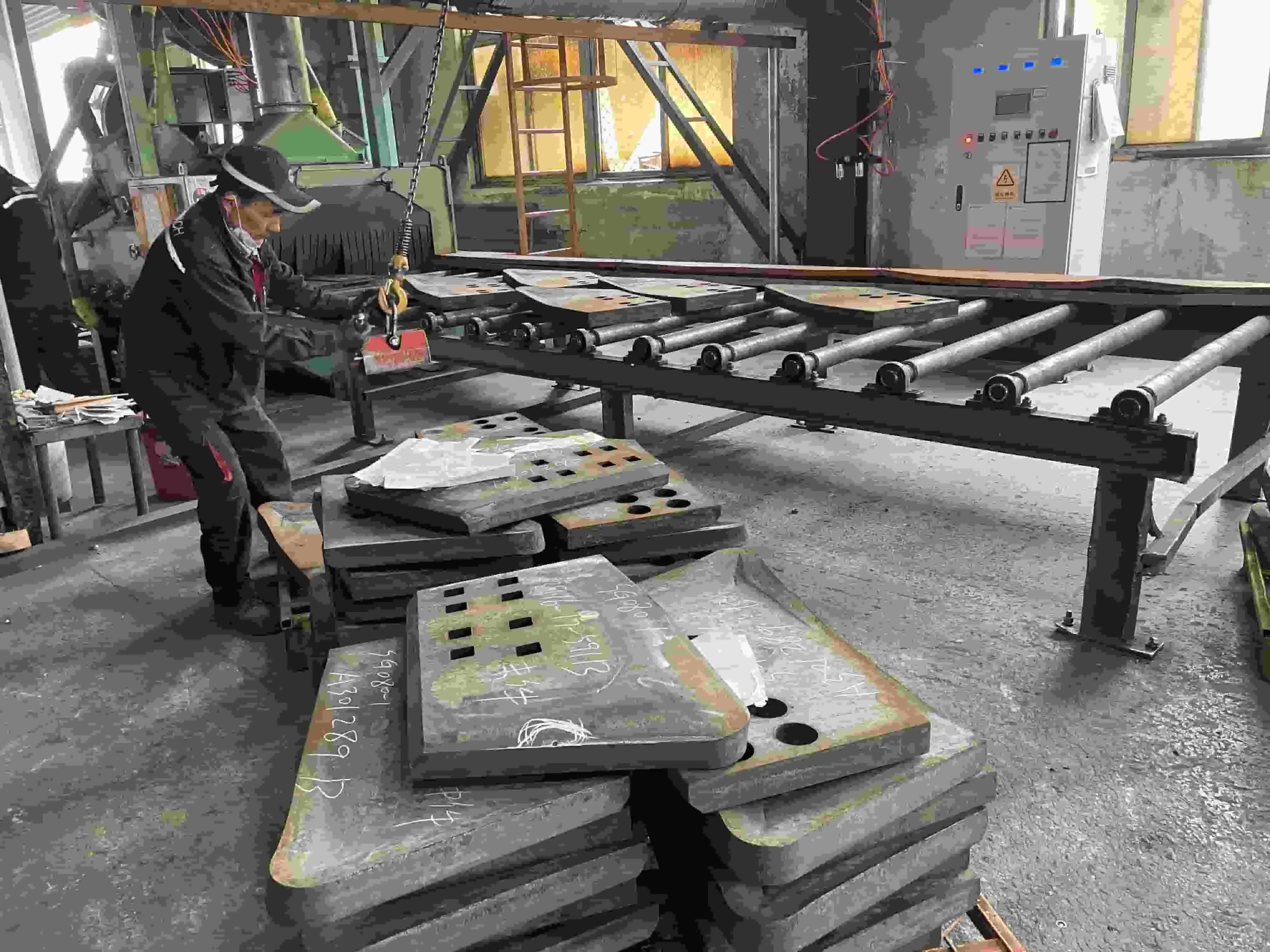
Shanghai Sinobl Precision Machinery Co., Ltd. has been producing high-quality G.E.T. components for heavy equipment applications for more than ten years. Our 55,944 square meter manufacturing facility was established in 2011 and represents a substantial investment in cutting-edge production capabilities and quality control systems. Cutting edges, end bits, grader blades, ripper shanks, and undercarriage components are all part of our extensive product line, which is made to satisfy exacting operating specifications.
Our ability to address a wide range of client demands in international markets is shown by our manufacturing capabilities. We can produce 2,500 tons of cutting edges and end bits per month, 2,000 tons of curved blades per month, and 40,000–50,000 pieces per month for segment manufacture. These large production quantities allow for cheap pricing while maintaining the constant quality requirements necessary for professional applications. Advanced metallurgical testing, dimensional verification, and performance validation techniques are all part of quality control methods. Experienced engineers with in-depth knowledge of earthmoving equipment specifications and operating circumstances make up our technical team.
This knowledge makes it possible to create creative solutions that solve particular client problems while preserving dependability and affordability. Customers may define measurement requirements, color choices, brand positioning, and packaging specifications with our OEM and ODM programs. Private labeling programs and customized applications that call for altered requirements are supported by these adaptable production capabilities. Throughout the design and development process, our technical team works in tandem with clients to guarantee the best possible performance characteristics for particular applications.
Conclusion
The Dozer Edge-Cutting 156-82-00001 represents advanced engineering in heat-treated steel technology, delivering superior performance characteristics essential for demanding bulldozer applications. Heat treatment processes create optimized material properties that significantly extend service life while maintaining excellent cutting performance across diverse operating conditions. Professional installation and maintenance procedures maximize the component's operational benefits, ensuring reliable performance throughout extended service cycles. Comprehensive warranty protection and technical support services provide additional value for procurement professionals seeking dependable supplier partnerships for critical equipment components.
FAQ
What advantages does heat-treated steel provide over standard cutting-edge materials?
Heat-treated steel offers significantly enhanced hardness levels ranging from 45-52 HRC compared to standard steel alternatives. The controlled heating and cooling process refines the material's grain structure, improving wear resistance by 25-35% and extending service life substantially. This translates to reduced replacement frequency and lower total cost of ownership for equipment operators.
How do I determine the optimal replacement interval for my cutting edges?
Replacement timing depends on operational conditions, soil types, and usage intensity. Visual inspection every 100-150 operating hours helps monitor wear patterns. Measure remaining edge thickness using wear gauges, replacing components when the thickness reduces to approximately 50% of the original dimensions. Maintaining detailed maintenance records helps establish replacement patterns specific to your operating conditions.
Is the 156-82-00001 compatible with different bulldozer brands and models?
The 156-82-00001 features standardized mounting configurations compatible with various bulldozer models. Dimensional specifications ensure proper fitment across major equipment manufacturers. Consult technical documentation or contact our support team to verify compatibility with specific machine models and serial numbers before ordering.
What are typical shipping timelines for international orders?
Standard shipping timelines range from 2-4 weeks for international deliveries, depending on destination and shipping method. Expedited shipping options are available for urgent requirements. Bulk orders may require additional lead time based on quantity and customization requirements. Our logistics team coordinates shipping documentation and customs clearance to minimize delays.
Contact SINOBL for Premium Dozer Edge-Cutting Solutions
Optimize your bulldozer performance with SINOBL's advanced Dozer Edge-Cutting 156-82-00001 heat-treated steel components. Our comprehensive manufacturing capabilities and quality control processes ensure reliable performance for demanding construction and mining applications. Contact our technical team at nancy@sunmach.com.cn to discuss your specific requirements and receive detailed quotations. As a trusted Dozer Edge-Cutting 156-82-00001 manufacturer, we provide customized solutions, competitive pricing, and dependable supply chain support for international procurement professionals seeking superior wear parts performance.
References
1. Smith, J.R. "Advanced Metallurgy in Heavy Equipment Wear Parts: Heat Treatment Applications and Performance Analysis." Journal of Construction Equipment Engineering, 2023.
2. Anderson, M.K. "Cost-Benefit Analysis of Premium Cutting Edges in Earthmoving Operations." Heavy Equipment Management Quarterly, 2023.
3. Thompson, D.L. "Materials Engineering for Bulldozer Cutting Edges: Comparative Performance Study." International Mining Equipment Review, 2022.
4. Williams, P.S. "Maintenance Optimization Strategies for Heavy Equipment Wear Parts." Construction Equipment Maintenance Journal, 2023.
5. Davis, R.M. "Heat Treatment Processes and Their Impact on Steel Component Performance in Abrasive Environments." Metallurgical Engineering Today, 2022.
6. Johnson, K.T. "Procurement Best Practices for Heavy Equipment Wear Parts: Quality vs. Cost Analysis." Industrial Procurement Management, 2023.