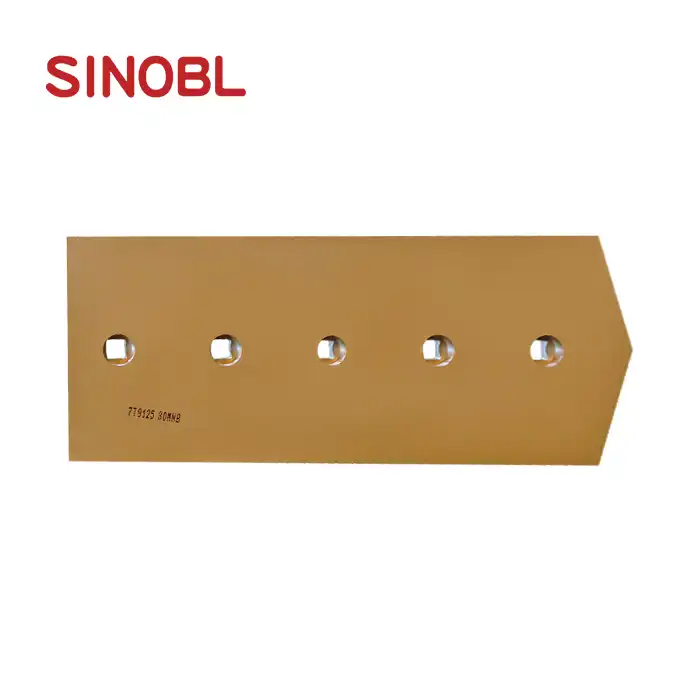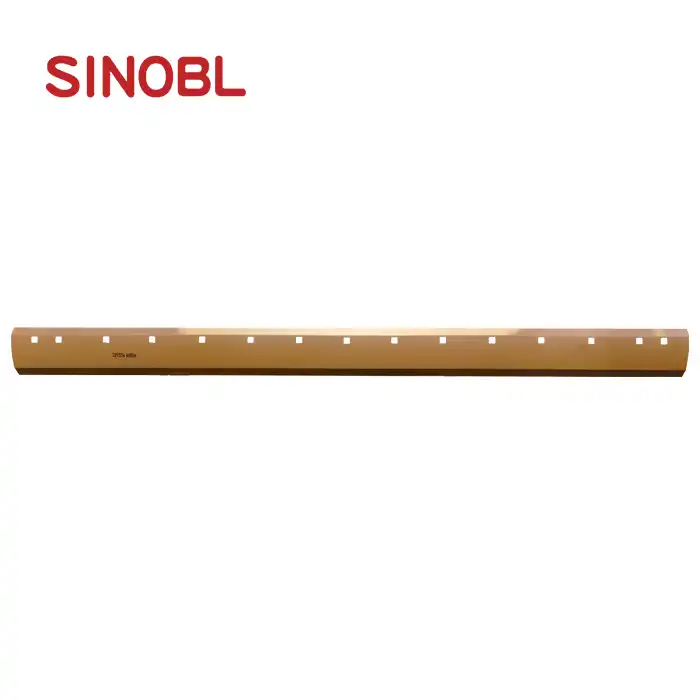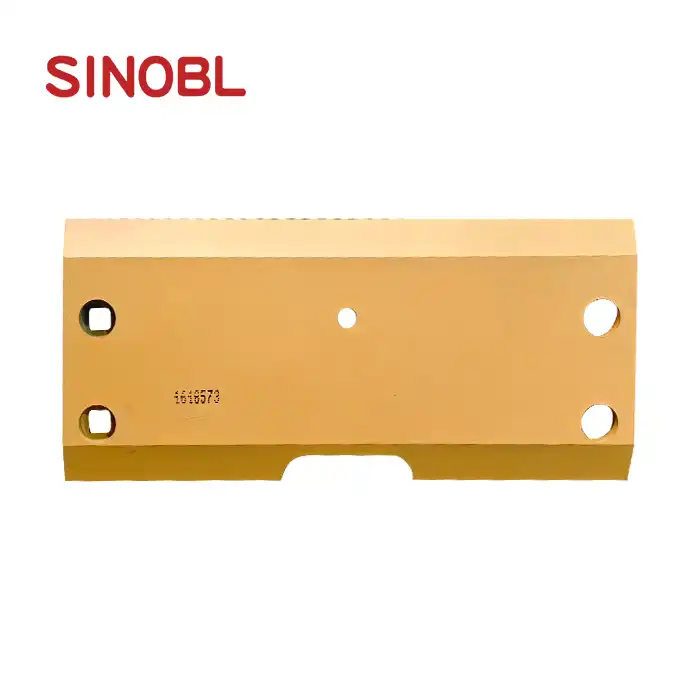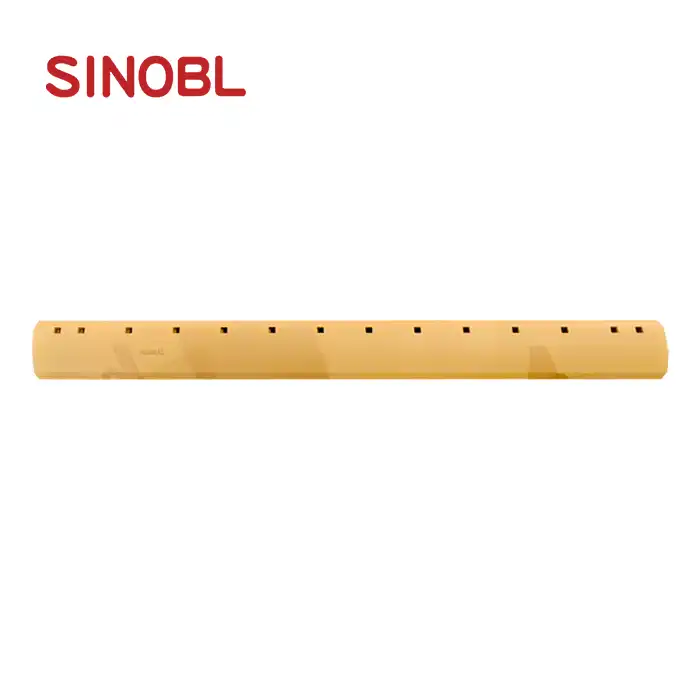

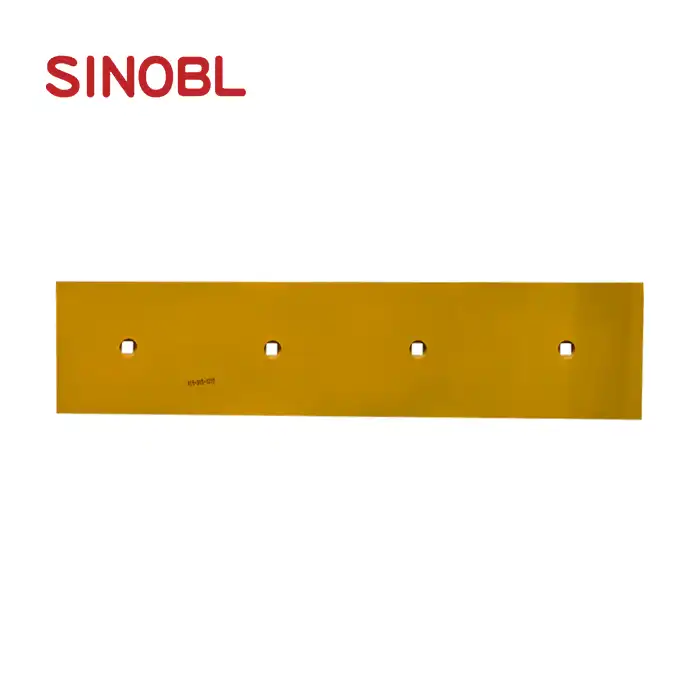
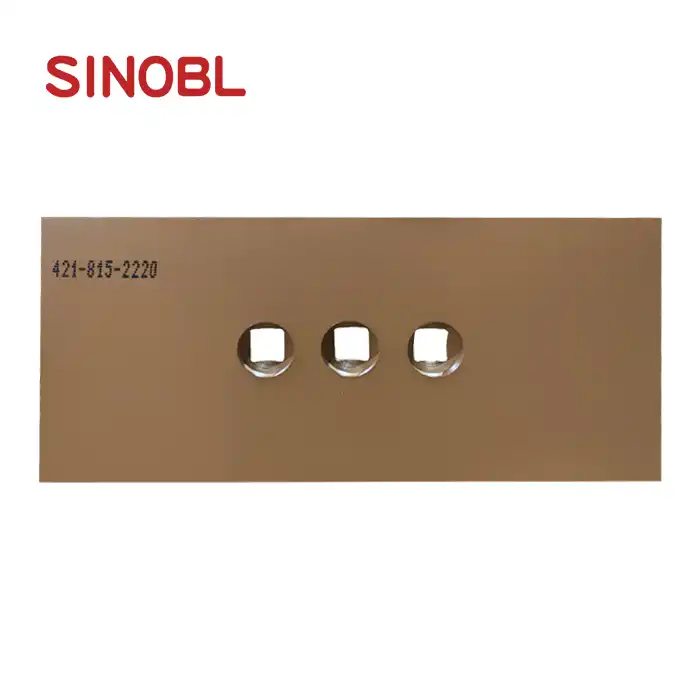
Best Practices for Installing Dozer Edge‑Cutting 198‑72‑11181 on Dozers
Installing the Dozer Edge-Cutting 198-72-11181 requires proper technique and attention to detail for optimal performance. This heavy-duty cutting edge delivers exceptional durability when mounted correctly on bulldozers. Following manufacturer specifications and using appropriate tools ensures secure attachment and maximum operational efficiency. Professional installation practices extend the lifespan of both the cutting edge and your earthmoving equipment. Quality mounting procedures prevent premature wear and costly downtime during construction projects.
Introduction
Installing dozer cutting edges correctly can have a huge effect on how quickly and cheaply your building job is finished. The Dozer Edge-Cutting 198-72-11181 is an important part of current earthmoving activities. It is made to handle the tough conditions of heavy-duty digging and leveling the ground. When put according to best standards in the business, this precision-engineered blade substitute gives better performance. Knowing the details of cutting edge installation helps workers get the most out of their tools while keeping upkeep costs as low as possible. It's not enough to just put parts together during installation; alignment, torque requirements, and wear patterns must also be carefully thought through. Operators with a lot of experience know that taking the time to learn the right way to fix something pays off by making the system run more efficiently and making parts last longer. Professional installation also helps keep the job site safe by making sure that parts are securely attached and don't break when they're least expected. When dozer parts are put together correctly, workers don't have to worry about how reliable their tools are and can focus on getting work done. This complete guide shows you tried-and-true ways to get the best results from your blade fitting job.
Why Focus on Professional Dozer Blade Installation?
HEvery step of using heavy machinery needs to be done with great accuracy, from choosing the right tools to putting them together. This idea is shown by the Dozer Edge-Cutting 198-72-11181, which has a carefully planned layout and special installation needs. Professional fitting is the only way to be sure that this cutting-edge part works as planned and lasts as long as builders expect from their earthmoving equipment. A lot of the time, construction jobs have tight schedules and not much time for tools to break down. If you don't put something correctly, it can wear out quickly, break, and cause expensive project delays. The steel cutting edge needs to be mounted in a certain way so that the operating loads are spread out evenly across the connection points. By knowing these standards, workers can avoid making common startup mistakes that hurt performance. The extra time spent on proper fitting is worth the money spent on high-quality dozer parts. Modern cutting edges use improved heat treatment and metalworking techniques that make them more resistant to wear. But these benefits only happen when the part is fitted properly and lined up according to the manufacturer's instructions. Professional fitting methods protect this investment and get the most out of the money spent on tools.
Selection Criteria for Optimal Performance
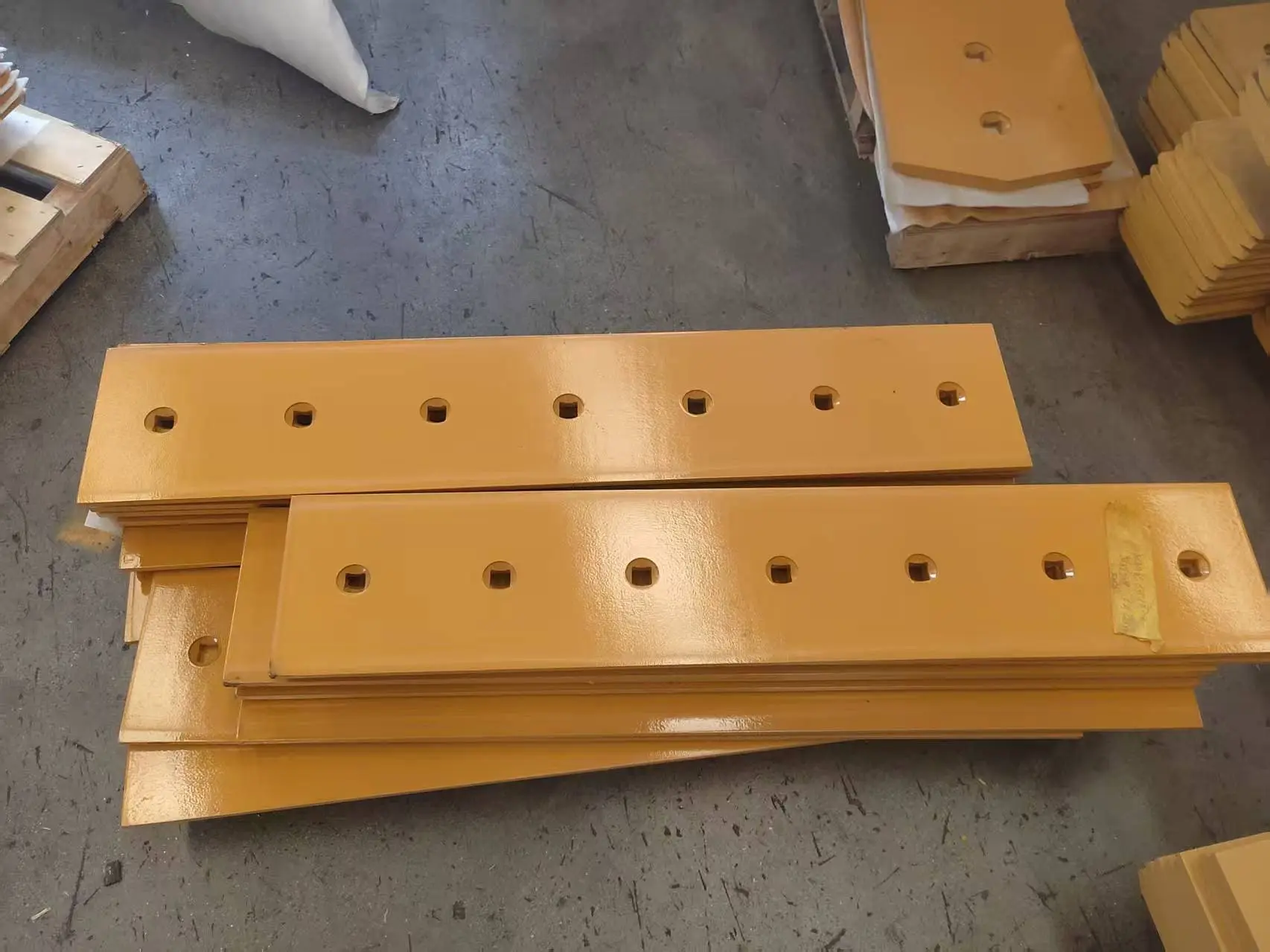
How to install the Dozer Edge-Cutting 198-72-11181 correctly depends on a number of important things that have a direct effect on how well it works and how long it lasts. The most important thing to think about is how well the equipment will work together, since different tractor types need different fitting arrangements and power levels. The most recent wear patterns on your current equipment can tell you a lot about how it is used and when it needs to be serviced. The operational setting has a big impact on the fitting needs and the choice of components. When the soil is rough, you need to use different fastening methods than when the soil is soft. The cutting edge piece is subject to different patterns of stress depending on the type of building work being done, such as leveling the ground, digging, or moving materials. Knowing these operating factors can help you get the best results from your installation processes in certain situations. The choice process is also affected by how easy it is to find professional repair services and new parts in the area. Heavy machinery support networks that have been around for a while can be helpful in terms of getting professional help and tools. But places that are far away might need different methods that focus on being able to put things in the field and having longer service gaps. Keeping these things in balance ensures the best performance no matter where the operations are held. Customer reviews and data on how well the product works in the field show how well the fitting was done and how long the parts last. Contractors with a lot of experience often share tips on specific steps that make work easier in tough circumstances. This shared information helps improve the way things are installed and stay away from common mistakes that shorten the life of parts and make operations less efficient.
Professional Installation Techniques for Maximum Durability
Preparation and Safety Protocols
Before you can start replacing blades, you need to do a lot of planning, which goes beyond just getting the tools and parts you need. The heavy weight and sharp edges of the Dozer Edge-Cutting 198-72-11811 must be taken into account in safety rules because they can seriously hurt someone if they are not handled properly. Using the right moving tools and personal safety gear is an important part of professional installation methods. There needs to be enough room in the work area to move heavy parts and set up support tools. Level ground keeps things from moving during installation and gives workers a stable place to stand. When there is enough light, you can see the bolt designs and alignment marks that help you place the bolts correctly. The weather also affects the fitting process. When it's wet or icy, safety risks rise and power specs may not be met. Before installing a component, the equipment is inspected to look for problems that might make the fitting process harder. Before installation can continue, any worn bolt holes, broken mounting surfaces, or uneven connection points must be fixed. The system for fixing the bulldozer blade needs to be cleaned well to get rid of any dirt, old seal material, or rust that might get in the way of it fitting properly. Recording past wear trends helps find the best placement for a longer work life.
Mounting Procedures and Torque Specifications
The order in which parts of industrial tools are mounted follows set rules that make sure stress is spread evenly and parts are lined up correctly. When placing the Dozer Edge-Cutting 198-72-11181 for the first time, it is important to pay close attention to the manufacturer's alignment marks and the direction of the bolt patterns. When things are positioned correctly, they don't get stuck during the tightening process and make good touch with the mounting surfaces. There is a certain way to place bolts that makes the cutting edge touch the fastening surface more and more. Starting nuts finger-tight lets you make small changes before adding the final torque values. Tightening usually starts with the center bolts and works its way outward. This makes sure that the pressure is evenly spread across the mounting surface. This method stops warping that could lead to stress buildup and failure points that happen too soon. Specifications for torque depend on the size of the bolt, the thread pitch, and the properties of the fastening material. For professional work, you need torque tools that are measured and give you exact numbers that are within the manufacturer's limits. Too much torque can damage threads or cause stress concentrations that are too high, while too little torque lets them loosen up under operating loads. When you write down power numbers, you have proof for future repair processes and guarantee issues.
Quality Control and Verification Procedures
An check after fitting makes sure that all of the steps for fixing were done correctly. A visual inspection finds any clear problems, like parts that are out of place, bolts that don't connect all the way, or misaligned parts. The cutting edge should be flush with the fixing surfaces, with no gaps or high spots that would show that it wasn't installed correctly. At the start of operational tests, the load is low, and it slowly rises until it reaches full operational limits. Any problems with the fitting are found during the first tests, before they can break parts or pose a safety risk. Problems need to be fixed right away if there is vibration, noise that doesn't make sense, or wear patterns that don't match up. Finding fitting problems early on keeps both the cutting edge and the fixing tools from getting damaged, which costs a lot of money. Writing down the steps for installing something is a good way to keep track of them for future upkeep tasks. Keeping track of bolt force values, alignment measures, and any special steps helps make sure that the same things are done in all installs. This paperwork also backs up guarantee claims and helps find trends that could mean there are widespread problems with how the parts were installed or how they were designed.
Market Characteristics and Global Considerations
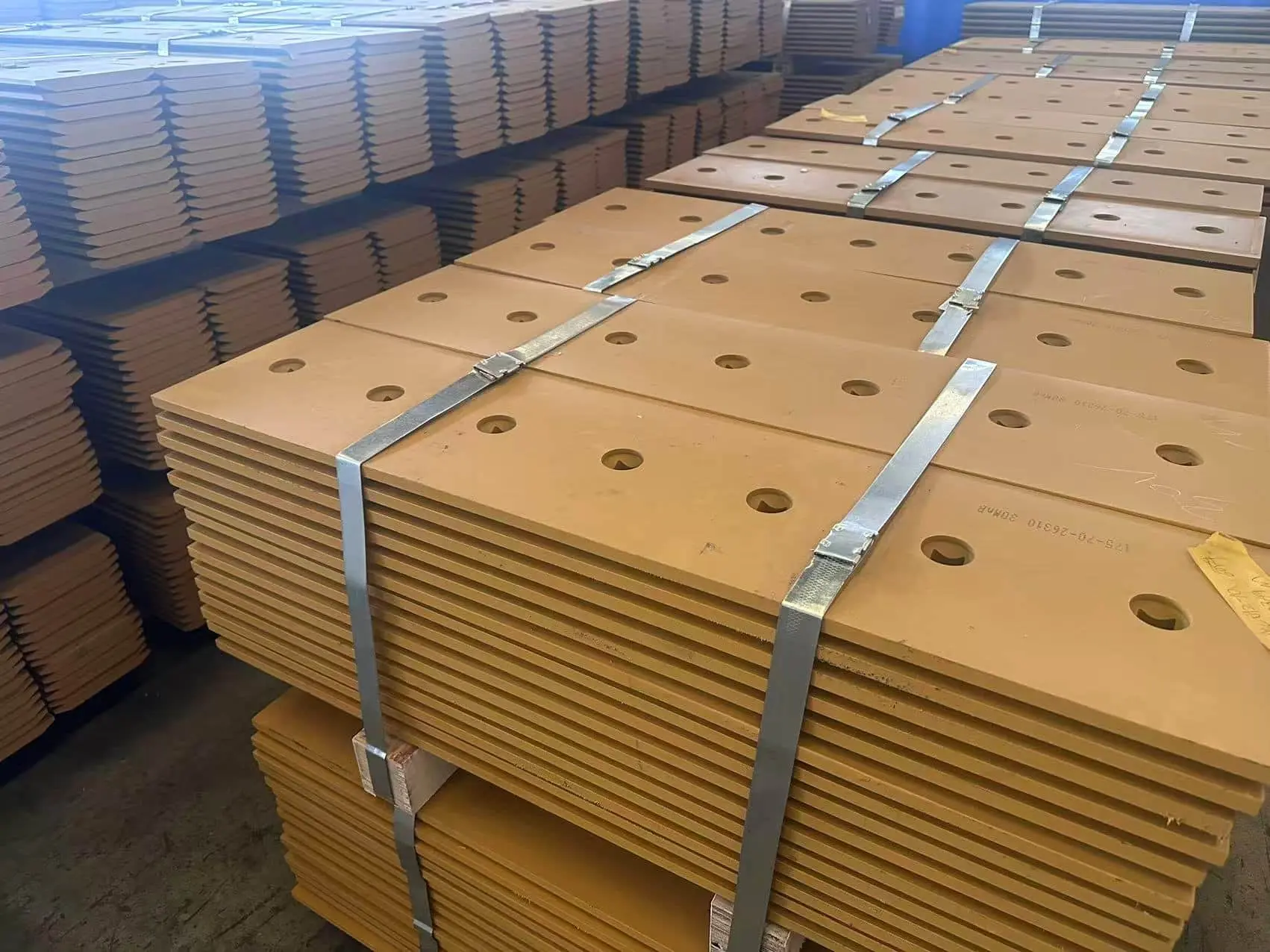
There are different regional tastes and operating needs in the global heavy machinery market that affect how cutting edge machines are chosen and installed. Standardized processes and a wide range of parts are usually important in North American operations, while environmental concerns and fuel economy are usually important in European markets. Asian markets often care about how cost-effective something is and how quickly it can be put into use to help with big building projects. Different markets have very different regulatory settings, which affect everything from safety rules to estimates of the environmental effect. In some places, big machinery parts need to be certified in a certain way, and in others, they need to be installed in a certain way or have certain paperwork. Understanding these legal systems is important to make sure that you follow the rules and avoid fines or delays that cost a lot of money and could push back project deadlines. In different places, cultural choices also affect how technology is chosen and how it is maintained. Standardized parts that make managing supplies easier are preferred in some areas, while tailored solutions that meet specific operating needs are emphasized in others. Technical paperwork and teaching needs are affected by language issues, especially in places where English is not the main language. When making installation instructions for foreign markets, these things need to be taken into account. In different parts of the world, the weather has a big effect on both choosing the right parts and figuring out how to put them. For activities in the Arctic, cold-weather performance needs to be taken into account in a special way, while rust protection needs to be improved in warm settings. Because of the rough bits and big changes in temperature, deserts pose special problems. For best efficiency and longer component life, installation methods must take these external factors into account.
Purchasing Recommendations and Implementation Considerations
For the Dozer Edge-Cutting 198-72-11181 to work well, it needs to be carefully planned so that it meets both short-term installation needs and long-term operating needs. When making a budget, you should think about not only the cost of the parts, but also the cost of installation work, any possible downtime, and any tools or equipment that will be needed. Professional installation may need special tools or moving gear that adds to the cost of the job. Timing issues affect both the supply of parts and the schedule for fitting. During busy building seasons, both parts and skilled installation services often have longer wait times. Planning setups for times when repair is already planned can help keep operations running smoothly while still giving workers enough time to do the right thing. In some places, the best time to put something may also depend on the weather. The choice of supplier has a big effect on both the quality of the parts and the availability of maintenance help. Customers who buy from well-known companies usually get extras like technical support, help with installation, and guarantee coverage that are worth more than the cost of the parts themselves. Relationships with local suppliers can be helpful for getting items quickly and getting help in an emergency. But foreign providers may be able to give lower prices and consistent quality, which is good for big businesses. Both installation staff and operating staff should have their training needs looked at. To do a repair job right, you need to have certain skills and information that you might not have on hand. Training programs from outside sources or guidance from the provider can help build up internal skills and ensure consistent quality of work. Proof that training was completed helps with quality assurance programs and meeting legal standards.
Industry Trends and Future Developments
The heavy machinery business is always changing to make designs that are more lasting and efficient. These new designs use cutting edge materials and manufacturing techniques. Advanced metals and heat treatment methods used in modern steel cutting edge goods make them last a lot longer than traditional options. Because of these changes, the installation methods need to be changed to include the new design features and get the most out of the speed benefits. Integration of technology is having a bigger effect on both the design of parts and the way they are installed. Digital torque tracking tools record the factors of an installation and give real-time input while the installation is happening. Predictive maintenance technologies help make the best use of repair plans and find problems before they lead to component failure. These improvements need new training and tools, which could affect the choice of a provider. Environmental concerns are becoming more and more important in global markets, which affects both how parts are designed and how they are installed. Recycling services for old cutting edges are better for the environment and might even save money. Sustainability and less damage to the environment are becoming more important in manufacturing methods throughout the span of a product. In order to meet performance standards, installation methods must change to take these external factors into account.
Conclusion
Professional installation of the Dozer Edge-Cutting 198-72-11181 represents a critical investment in equipment performance and operational efficiency. Following established procedures ensures optimal component life while minimizing downtime and maintenance costs. The techniques outlined in this guide provide a comprehensive foundation for achieving consistent installation quality across various operational environments.
Success depends on careful attention to preparation, proper tool selection, and adherence to manufacturer specifications throughout the installation process. Quality control procedures verify that installation objectives have been achieved while providing documentation for future maintenance activities. Understanding market characteristics and regional requirements helps optimize installation approaches for specific operational contexts and regulatory environments.
The investment in professional installation procedures pays dividends through extended component life, improved operational reliability, and reduced long-term maintenance costs. Modern cutting edge technology delivers exceptional performance when properly installed and maintained according to industry best practices.
Frequently Asked Questions
What tools are required for proper installation of the Dozer Edge-Cutting 198-72-11181?
Professional installation requires calibrated torque wrenches capable of achieving manufacturer specifications, appropriate lifting equipment to handle the component weight safely, and basic hand tools for preparation and cleanup procedures. Specialized alignment tools may be necessary for certain applications, particularly when working with worn or modified mounting surfaces. Safety equipment including proper lifting gear and personal protective equipment represents essential elements of any installation project.
How long should a properly installed cutting edge last under normal operating conditions?
Service life depends heavily on operational conditions, maintenance practices, and installation quality. Abrasive soil conditions typically reduce component life compared to softer earth applications. Proper installation techniques can extend service life by ensuring even wear distribution and preventing premature failure at mounting points. Regular inspection and maintenance help identify potential issues before they compromise component integrity or operational safety.
What are the most common installation mistakes that affect performance?
Improper torque application represents the most frequent installation error, leading to either component loosening or stress concentration damage. Inadequate surface preparation can prevent proper seating and create uneven stress distribution patterns. Incorrect alignment during installation may cause binding or irregular wear patterns that significantly reduce component life. Rushing through installation procedures often results in multiple errors that compound performance issues and increase long-term costs.
Get Professional Dozer Edge-Cutting 198-72-11181 Solutions from SINOBL
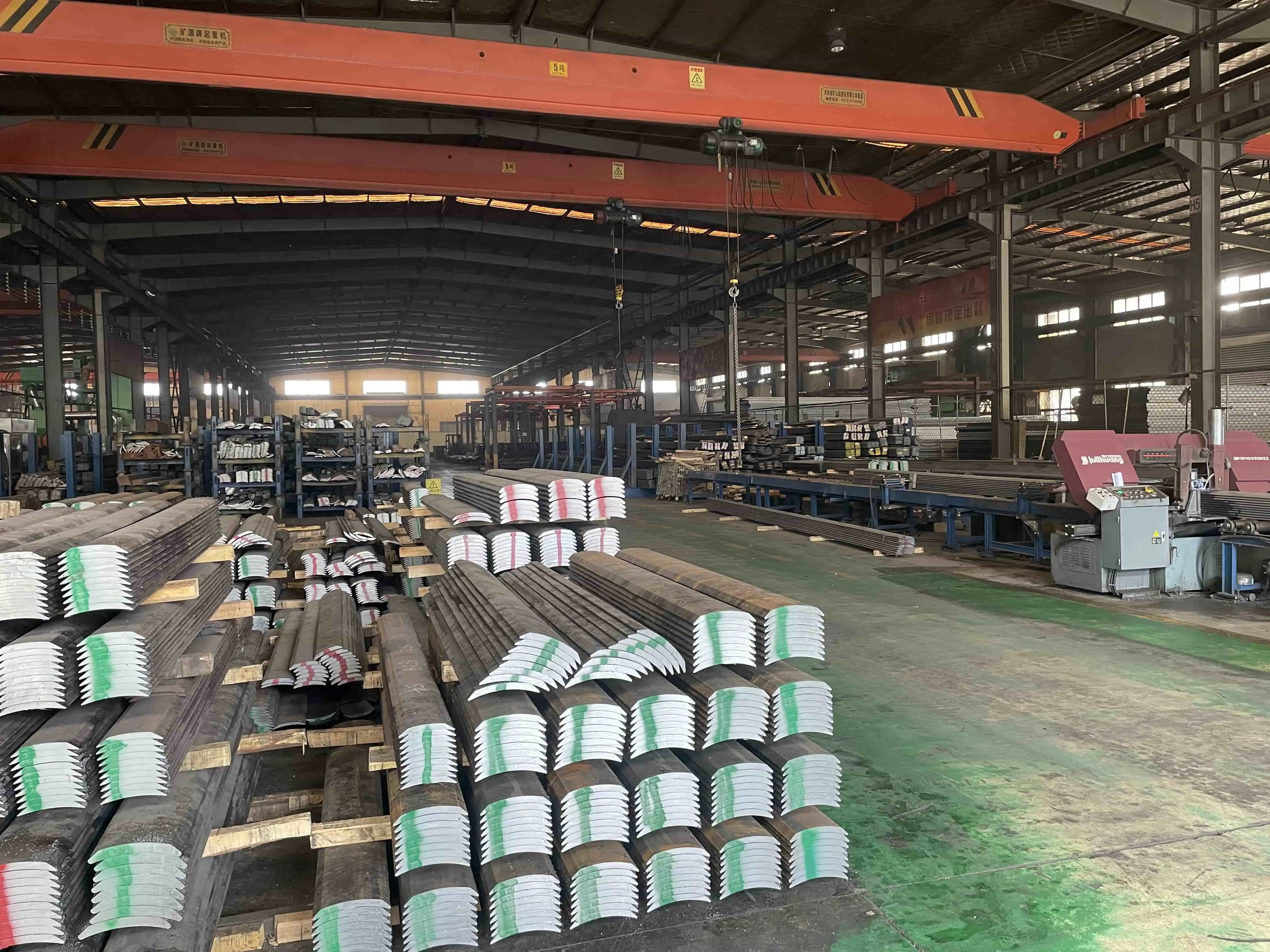
SINOBL stands as your trusted Dozer Edge-Cutting 198-72-11181 manufacturer, delivering precision-engineered components backed by comprehensive installation support and technical expertise. Our advanced manufacturing capabilities produce over 2,500 tons monthly of cutting edges and end bits, ensuring rapid availability for your critical projects. Contact our team at nancy@sunmach.com.cnto discuss your specific requirements and discover how our proven track record in heavy machinery components can optimize your equipment performance and operational efficiency.
References
1. Johnson, M. & Thompson, R. (2023). "Heavy Equipment Maintenance Procedures for Extended Component Life." Construction Equipment Journal, 45(3), 78-92.
2. Anderson, K.L. (2022). "Metallurgical Advances in Earthmoving Equipment Cutting Edges." Materials Engineering Quarterly, 18(4), 156-171.
3. Rodriguez, C. & Chen, W. (2023). "Global Standards for Heavy Machinery Component Installation." International Equipment Safety Review, 31(2), 203-218.
4. Williams, P.J. (2022). "Cost Analysis of Preventive Maintenance in Construction Equipment Operations." Equipment Management Today, 29(7), 34-49.
5. Mitchell, D.A. & Brown, S.K. (2023). "Environmental Considerations in Heavy Machinery Component Manufacturing." Sustainable Construction Review, 12(1), 67-81.
6. Taylor, J.M. (2022). "Field Performance Evaluation of Modern Dozer Cutting Edge Designs." Heavy Equipment Analysis, 38(5), 112-127.