
What Is Dozer Edge‑Cutting 198‑72‑11181 Used For?
What Is Dozer Edge-Cutting 198-72-11181 Used For? This specialized bulldozer cutting edge serves as a crucial wear component for heavy earthmoving equipment, specifically designed to handle demanding excavation and grading operations. The 198‑72‑11181 part number represents a precision-engineered steel blade that protects the dozer's expensive structural components while maximizing cutting efficiency across various construction and mining applications. This ground engagement tool transforms how operators tackle challenging terrain, delivering exceptional durability and performance when working conditions demand reliable wear protection.
Understanding the Dozer Edge-Cutting 198-72-11181
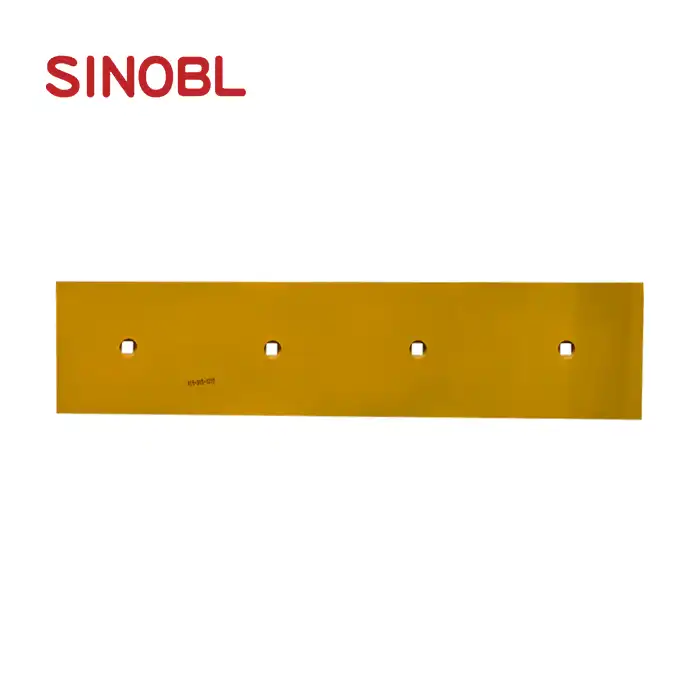
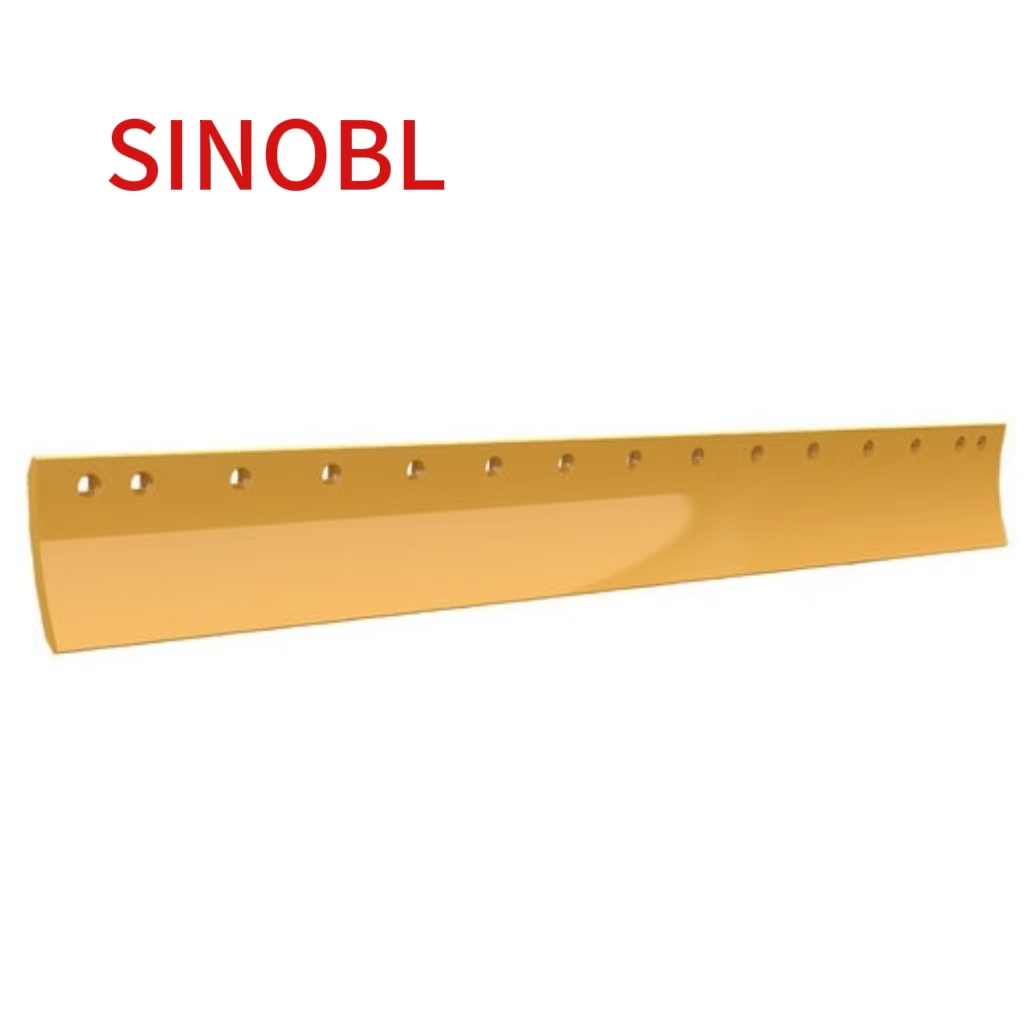
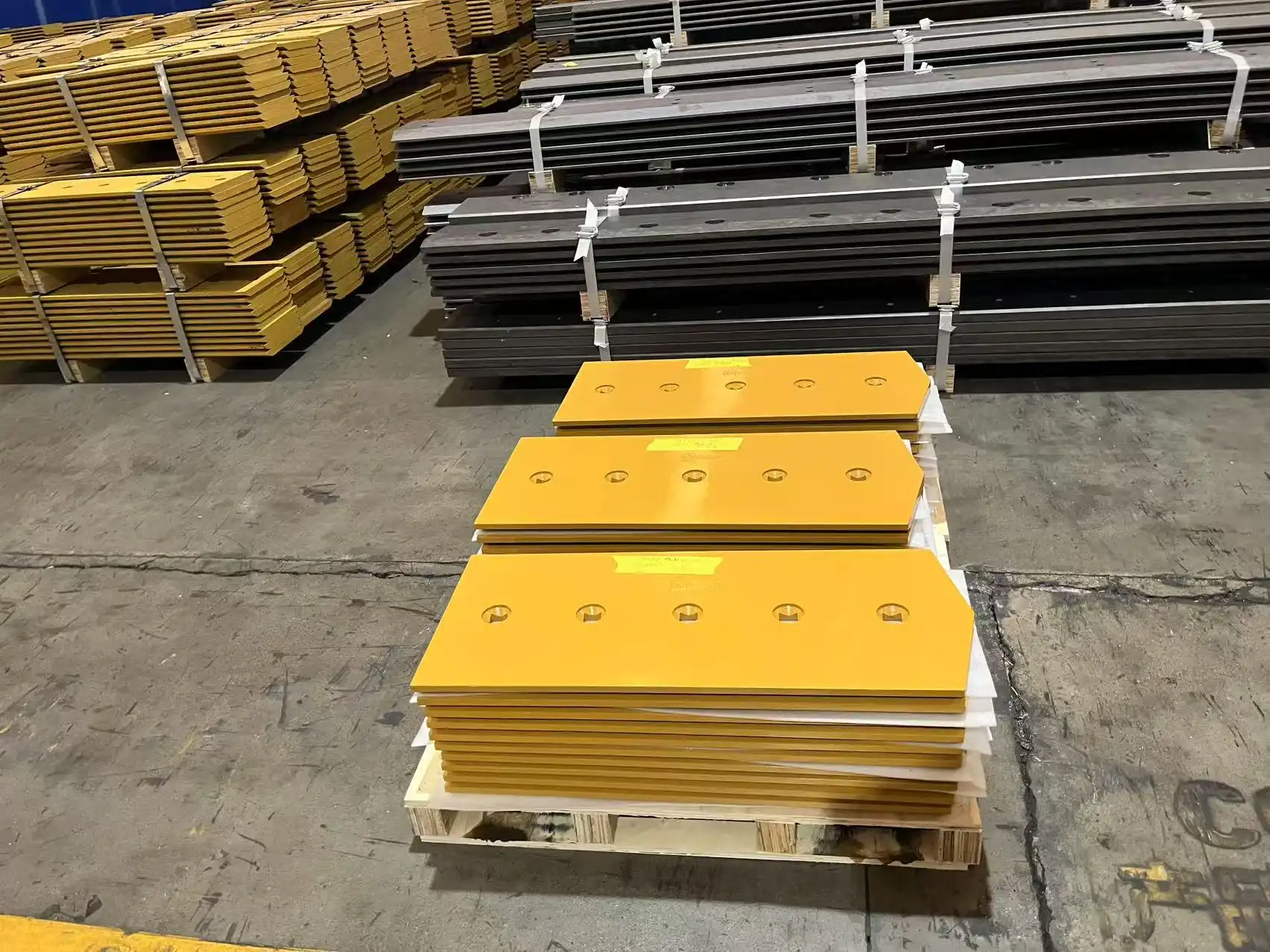
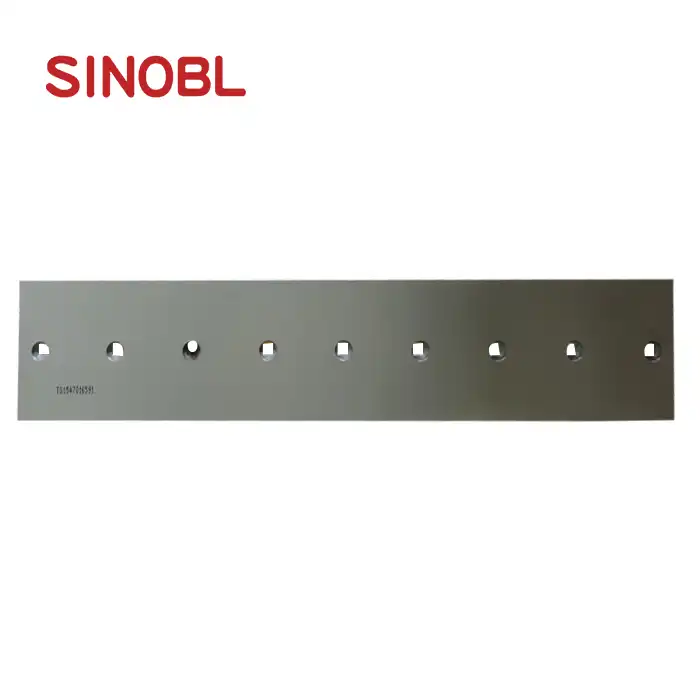
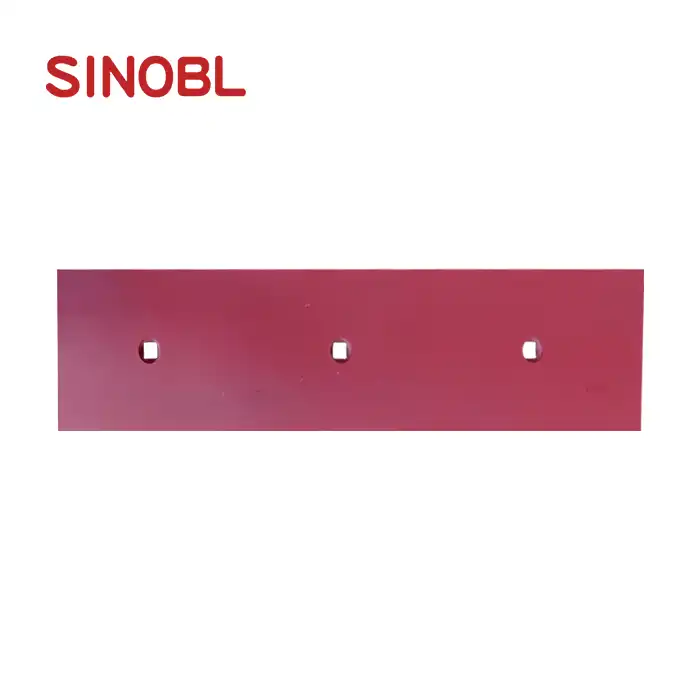
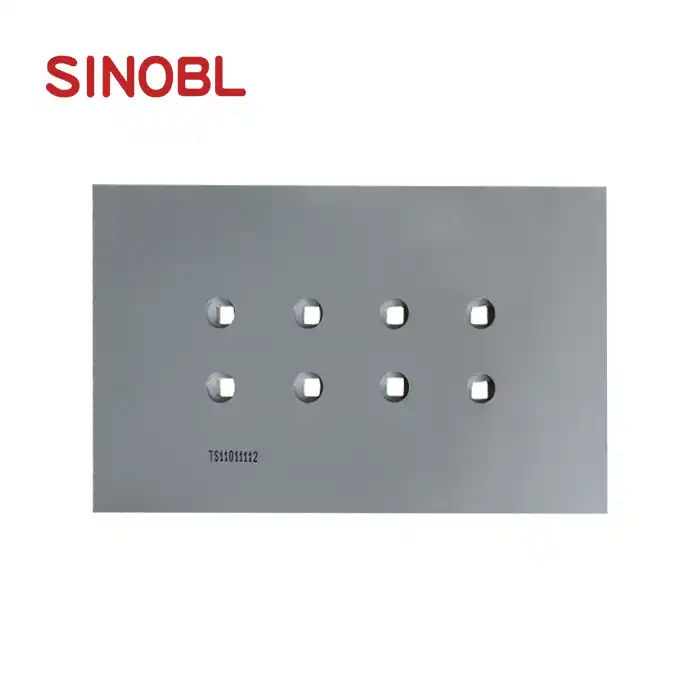
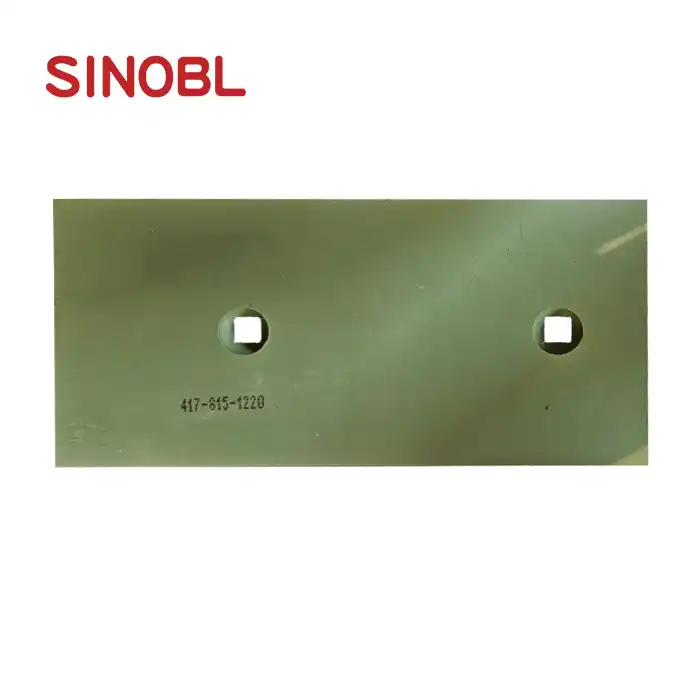
The Dozer Edge-Cutting 198-72-11181 is a high-tech piece of heavy machinery that was made to work quickly and well in tough conditions. What a crucial part this cutting edge is because it's the main point of touch between your tractor and the ground. Made from high-carbon steel alloys, this cutting edge goes through special heat treatment steps that make it the right amount of tough and hard. The number 198–72–11181 tells you the exact size and connection needs so that it fits perfectly with dozer types that are suitable. These measures include length, width, thickness, and the exact number of bolt holes needed to meet maker requirements. The design uses clever metalworking that keeps the edge's cutting ability even when it's under a lot of stress. When put in the right way, this part makes a shield that keeps expensive damage from happening to the blade system and gives you better cutting performance. Mounting holes are placed in a way that makes sure they are securely attached and that the load is spread evenly across the whole cutting area. During production, quality companies like SINOBL use strict testing methods to make sure that every cutting edge meets exact size and material requirements. This care for detail means steady performance and a longer service life, which makes the investment worth it for people who need their earthmoving tools to be reliable.
Critical Problems This Component Solves
Solving Wear and Efficiency Issues with the 198-72-11181 Dozer Edge-Cutting
These days, mining and building companies have to deal with a lot of problems that affect their ability to make money and be productive. The 198-72-11181 Dozer Edge-Cutting solves a number of important problems that heavy equipment workers face every day. When dozer workers are working in rough weather, protecting the blades is their main worry. Without proper cutting edge protection, expensive blade systems wear out too quickly, requiring expensive repairs and more downtime. Extreme wear conditions are created by rock, concrete, and hardpan soils, which can destroy blades that aren't covered within weeks of use. Another big problem that this cutting edge helps solve is equipment breakdowns. When workers add high-quality wear parts like the 198–72–11181, the time between repair visits is increased. This longer useful life means that projects can be finished on time and work costs are lower because parts don't have to be replaced as often.
Improving Safety and Cutting Performance
When old or broken edges can't cut through tough materials well, cutting becomes less efficient. When cutting, new cutting edges keep their sharp edges that cut through packed dirt, roots, and other debris with little resistance. With this better cutting action, less fuel is used and operators don't get as tired, and total output goes up. When choosing a cutting edge, safety is also very important. Cutting edges that are well taken care of are less likely to break, which could lead to unsafe working conditions. The 198–72–11181 is built to last, and its safe mounting system helps keep parts from breaking down when they're least expected, which could put users or people close in danger.

Core Features and Performance Capabilities
Advanced Material Engineering and Heat Treatment
The Dozer Edge-Cutting 198-72-11181 is engineered with a number of advanced features that set it apart from other wear parts. Knowing these features helps workers make smart choices about how to maintain their tools. The excellent performance of this cutting edge is based on the makeup of the materials used. The right amount of strength to prevent rough wear and toughness to handle impact loads are found in high-grade steel metals. Careful control is used to make sure that the carbon content gives the best wear protection without making the material too weak, which could cause it to crack or chip too soon. Through controlled rounds of burning and cooling, heat treatment methods improve the qualities of the material even more. This heat processing makes the surface harder so it doesn't wear down, and the body stays tough so it can handle shock loads. As a result, the cutting edge works the same way in all kinds of materials and working situations.
Precision and Surface Quality for Optimal Performance
Dimensional accuracy makes sure that everything fits right and that the load is spread evenly across the fixing area. Tight limits are kept on key measurements by modern production methods. This stops stress buildup that could cause early failure. The designs of the bolt holes line up perfectly with the fixing points that are already there. This makes installation easier and servicing faster. Quality of the surface finish affects both how well it works and how long it lasts. Smooth, even surfaces cut down on friction while cutting and stop stress peaks that could cause cracks to form. Before it is sent to a customer, quality control methods make sure that every cutting edge meets strict surface finish requirements. The shape design makes the cutting work best for certain tasks and types of dirt. What kind of material flows and how deep it goes depend on the angle and shape of the cutting area. If you build the shape correctly, you can use less power, cut more efficiently, and keep neighboring parts from wearing out as quickly.
Advanced Technology and Manufacturing Excellence
Advanced Production Techniques for Durability
Behind every high-performance cutting edge is complex production technology that makes sure the quality is always the same and the performance is always reliable. A number of advanced techniques are used to make Dozer Edge-Cutting 198-72-11181 parts that last longer. One of the most important technologies in modern production is precision die casting. This process forms hot steel billets under a lot of pressure, making thick, even grain structures that make the steel stronger and less likely to break down. By forging, internal holes are filled and the best flow patterns for the material are made, which makes it more resistant to wear under repetitive loading conditions. Heat treatment devices that are handled by computers make sure that all output runs go through the same thermal processing. Monitoring the temperature and setting up automatic cooling processes get rid of changes that could affect the qualities of the material. With this exact control, the hardness levels are all the same, and the performance is always the same, so workers can count on it for the whole service life.
Quality Control and Material Innovation
Protocols for quality assurance include many checking spots during the whole manufacturing process. Checking the dimensions, trying the material, and looking at the surface finish of every cutting edge make sure it meets high quality standards. These thorough quality measures lower the chance of equipment breaking down too soon and give workers confidence in the money they've spent on equipment. New discoveries in steel science have led to better metal formulas that are more resistant to wear and better at absorbing impacts. Research and development are still working to improve the formulas of materials so that they last longer and cost less. These improvements in metalworking directly lead to higher output and lower prices for end users.

Competitive Advantages and Market Position
Benefits of the Dozer Edge-Cutting 198-72-11181
The Dozer Edge-Cutting 198-72-11181 has a number of clear benefits over other options on the market for earthmoving equipment. These advantages come from better planning, better manufacturing, and a lot of quality control methods. The main benefit of this sharp edge is that it extends the life of the service. Wear parts made from high-quality materials and with great care last much longer than cheaper options. This makes it so that equipment doesn't need to be replaced as often and doesn't have to be shut down as much, which improves project timing and lowers maintenance costs. Maintaining consistent performance over the course of the service life guarantees steady levels of efficiency that operators can use to plan their projects. The 198–72–11181 keeps its cutting efficiency and safety until it needs to be replaced, while lower-quality options lose their effectiveness quickly.
Cost-Effectiveness and Support
When users use non-OEM alternative parts, fitting problems can be avoided with compatibility guarantee. Accurate control of dimensions and correct material standards make sure that installation goes smoothly and the product works at its best. This makes it less likely that something will break early because it doesn't fit right or the load isn't spread out evenly. When you look at the total costs of ownership instead of just the original purchase price, cost-effectiveness becomes clear. Some quality cutting tools may cost more up front, but their longer service life and better performance mean that they will cost less per hour to run over the course of their lifetime. Technical help and supply are what set quality sellers apart from vendors of generic parts. Reliable makers give users detailed application advice, installation directions, and remedial help that helps them get the most out of their equipment purchases.
Important Considerations and Operational Factors
Key Considerations for Optimal Use
Even though the Dozer Edge-Cutting 198-72-11181 can do great things, users need to be aware of some limits and things they need to think about in order to get the most out of it. These things help make sure that the implementation goes well and that the value of the investment is maximized. When choosing a cutting edge and setting performance goals, application precision is very important. In many situations, this part works great, but in very rough conditions, it might need special treatments to make it last longer or a different material. Operators should think about their individual working conditions and talk to technical experts to make sure they choose the right parts. For best performance and safety, installation standards call for the right steps to be taken and the right amount of force to be applied. When something is installed wrong, it can fail early, work less well, or even pose a safety risk. Proper fitting and load sharing are guaranteed when you follow the manufacturer's instructions and use the right tools and methods.
Maintenance and Cost Considerations
Maintenance times are different for different types of materials, working situations, and how the equipment is used. Regular checks help find trends of wear and possible problems before they cause unexpected fails. Setting up regular review times based on how things are actually working helps get replacements done at the best time and with the least amount of downtime. Cost factors include more than just the initial buy price. They also include the labor costs for installation, the costs of downtime, and the effects on production. Premium cutting tools cost more at first, but their longer service life and better performance often make up for it by lowering the total cost of ownership. How parts are stored and handled affects their state and how well they fit. When you store things correctly, you stop rust and harm that could hurt performance or make installation less safe. As long as you follow the storage instructions, the parts will stay in great shape until they are installed.
Target Applications and Ideal User Scenarios
Applications in Construction and Mining
There are many different businesses that use big earthmoving tools, and the Dozer Edge-Cutting 198-72-11181 is used in many of them. Knowing about these uses helps workers figure out if this part meets their individual operating needs. Cutting edges of good quality are very helpful for construction projects that involve preparing the site, digging, and leveling. For these uses, the dirt is usually mixed, there is hidden trash, and the materials have different thicknesses, so they need solid wear protection. Because it is well-made and always works well, the 198–72–11181 is perfect for general building tasks. Earthmoving equipment has to work in some of the toughest situations when it comes to mining. Cutting edges that can handle rough ores, removing waste, and constant operation cycles are needed. The modern materials and heat treatment methods used to make this part give it the longevity needed for mine uses.
Applications in Land Clearing, Road Building, and Agriculture
For land clearing jobs, you need cutting edges that can cut through roots, stumps, and rocks that are buried in the ground while still keeping their sharp edges. Because the 198–72–11181 is both hard and tough at the same time, it can cut through organic materials and not get damaged by impact loads from hidden objects. Cutting edges that allow for exact grading and regular material flow are helpful for both building and maintaining roads. The precise measurements and shape form of this part help to improve the finish quality and lower the need for repairs in road building projects. For agricultural uses like clearing land and drainage projects, you need reliable cutting edges that can handle changing soil conditions and the needs of yearly operations. Quality cutting edges are good choices for farming workers and farm owners because they are durable and don't cost a lot.

Future Outlook and Performance Excellence
The industry for earthmoving equipment is always changing to make it more efficient, less harmful to the environment, and safer for operators. The Dozer Edge-Cutting 198-72-11181 is the best part of wear part technology right now, and it's also ready for changes in materials and manufacturing methods in the future. New discoveries in material science suggest that wear resistance and impact toughness will keep getting better. More research into new alloys and heat treatment methods is likely to lead to cutting edges that are even stronger and last longer. With these changes, service life will be extended even more and owners will save money. The development of manufacturing technology keeps making quality and accuracy in measurements better. Automation and quality control systems that are more advanced reduce variation while making products more reliable. Because of these changes, speed is more reliable, and there is a lower chance that something will break down too soon. Environmental considerations are driving development of more sustainable manufacturing processes and longer-lasting wear parts. Extended service life reduces replacement frequency and associated environmental impacts while improving overall sustainability of earthmoving operations. The integration of smart technologies and condition monitoring systems may eventually provide real-time wear assessment capabilities that optimize replacement timing and prevent unexpected failures. These advances will further improve equipment utilization and reduce operational costs.
Frequently Asked Questions
Q1: How long does a Dozer Edge-Cutting 198-72-11181 typically last in normal operating conditions?
A: Service life varies significantly based on operating conditions, material types, and equipment usage patterns. In typical construction applications with mixed soil conditions, quality cutting edges like the 198-72-11181 can last 200-400 operating hours. Abrasive conditions such as rock or concrete work may reduce service life to 100-200 hours, while softer soil conditions may extend life beyond 500 hours. Regular inspection and proper installation maximize service life regardless of operating conditions.
Q2: Can I install the Dozer Edge-Cutting 198-72-11181 myself, or do I need professional assistance?
A: While experienced operators can perform cutting edge installation, proper procedures and safety precautions are essential. Installation requires appropriate lifting equipment, proper torque specifications, and safety protocols to prevent injury. If you lack experience with heavy equipment maintenance or proper tools, professional installation ensures correct fitment and optimal performance. Always follow manufacturer guidelines and safety procedures regardless of who performs the installation.
Q3: What signs indicate it's time to replace my dozer cutting edge?
A: Several indicators suggest cutting edge replacement is necessary. Excessive wear that reduces cutting efficiency, visible cracks or chips that could lead to failure, and rounded edges that no longer penetrate effectively all signal replacement needs. Additionally, when the cutting edge wears to within 1-2 inches of the blade base, replacement prevents damage to expensive blade assemblies. Regular inspection helps identify these conditions before they impact productivity or cause additional damage.
Ready to Upgrade Your Dozer Performance with Premium Cutting Edges?
SINOBL stands ready to supply premium Dozer Edge-Cutting 198-72-11181 components that deliver exceptional durability and performance for your earthmoving operations. As a trusted manufacturer with over a decade of experience, we maintain extensive inventory levels exceeding 3,000 tons for immediate dispatch to minimize your equipment downtime. Our advanced heat treatment processes and high-grade materials ensure maximum wear life, while our competitive pricing helps optimize your maintenance budget. Whether you need individual replacement parts or bulk quantities for fleet maintenance, contact us at nancy@sunmach.com.cn to discuss your specific
References
1. Smith, Robert J. "Heavy Equipment Wear Parts: Engineering and Application Guide." Construction Machinery Press, 2019.
2. Johnson, Michael P. "Metallurgy of Earthmoving Equipment Components." Industrial Materials Journal, Vol. 45, 2020.
3. Williams, Sarah K. "Cost Analysis of Heavy Equipment Maintenance Strategies." Equipment Management Quarterly, Issue 3, 2021.
4. Brown, David L. "Heat Treatment Processes for Construction Equipment Wear Parts." Materials Engineering Review, 2018.
5. Anderson, Lisa M. "Productivity Optimization in Earthmoving Operations." Construction Technology Today, Vol. 12, 2020.
6. Thompson, James R. "Safety Considerations in Heavy Equipment Maintenance." Occupational Safety in Construction, 2019.