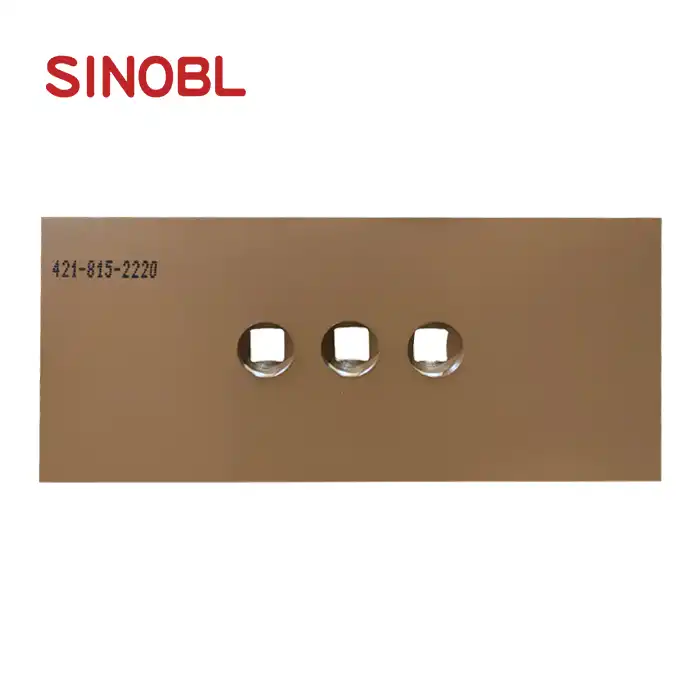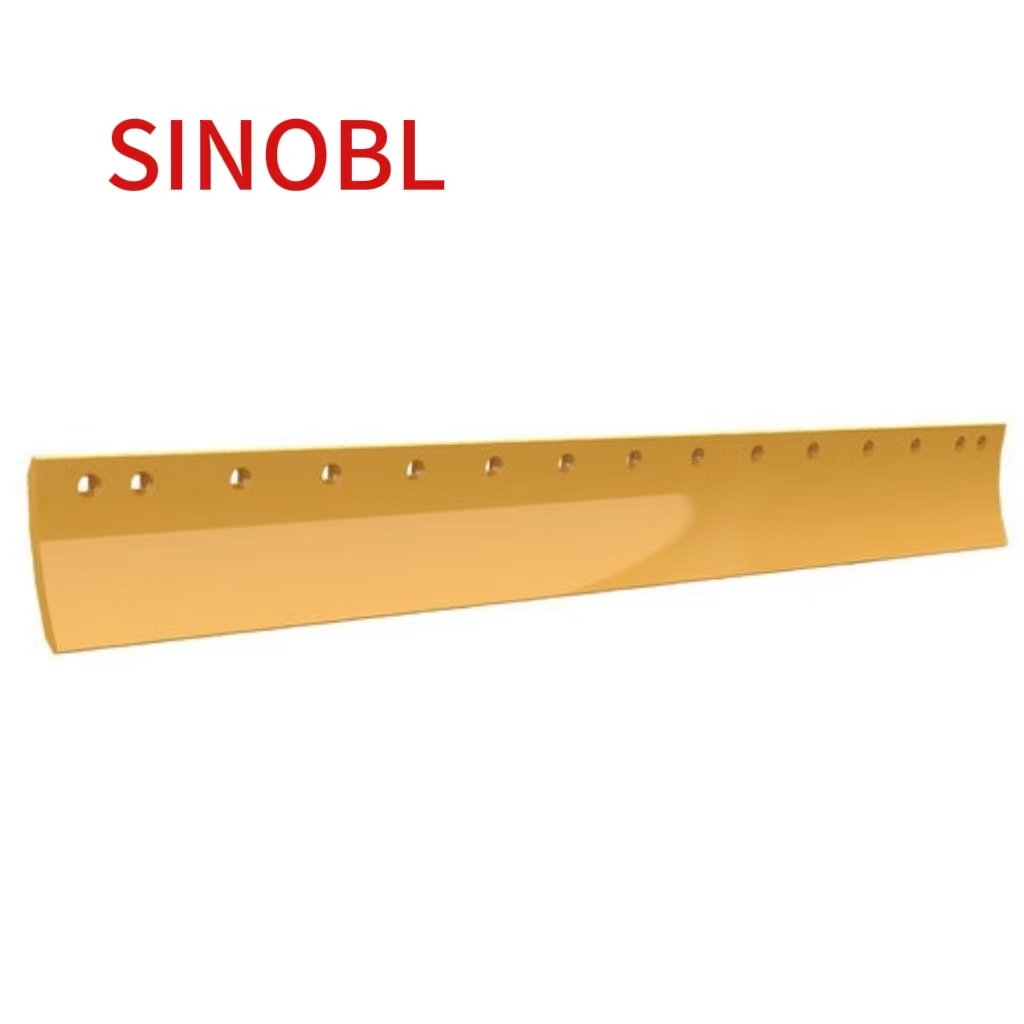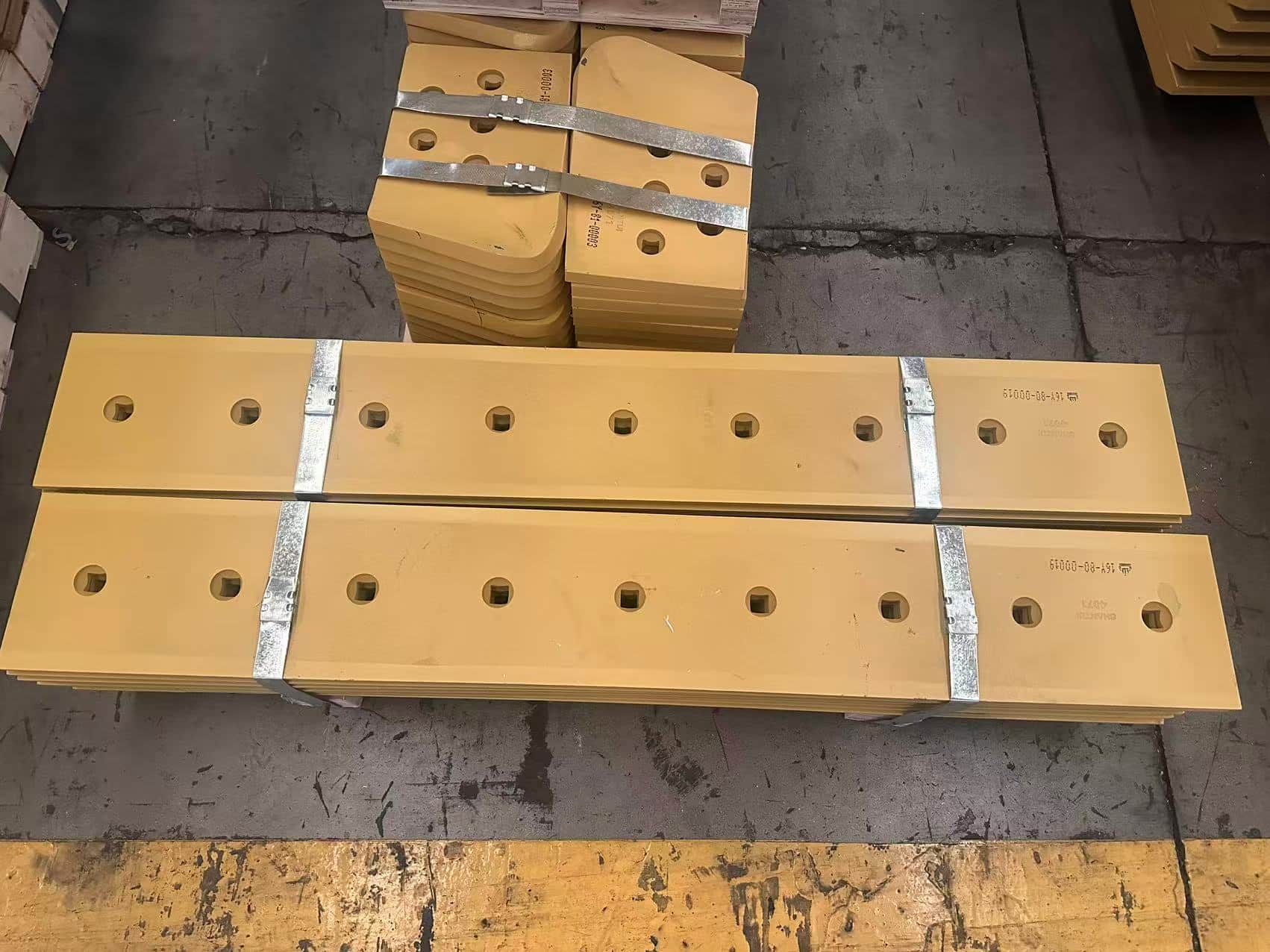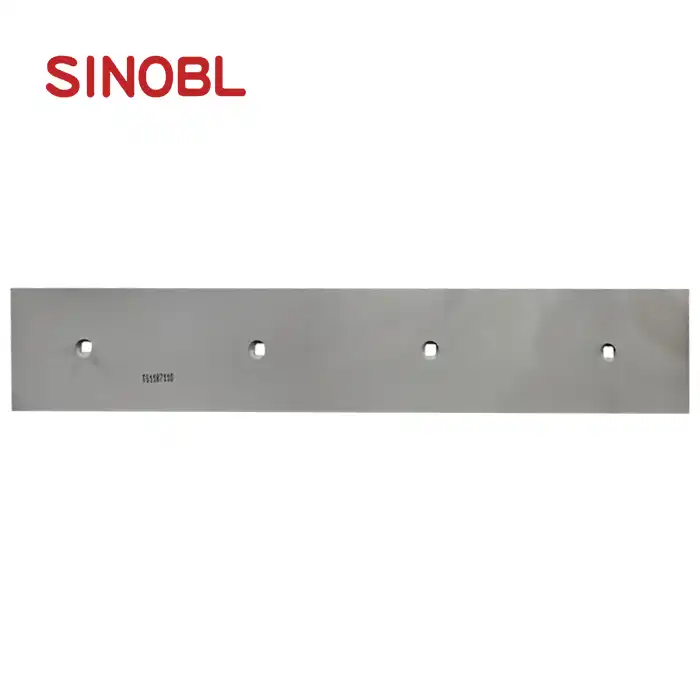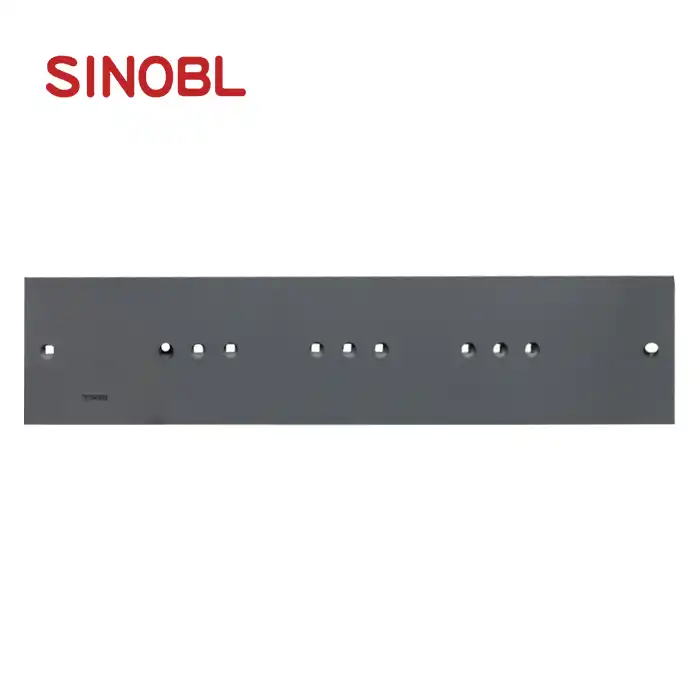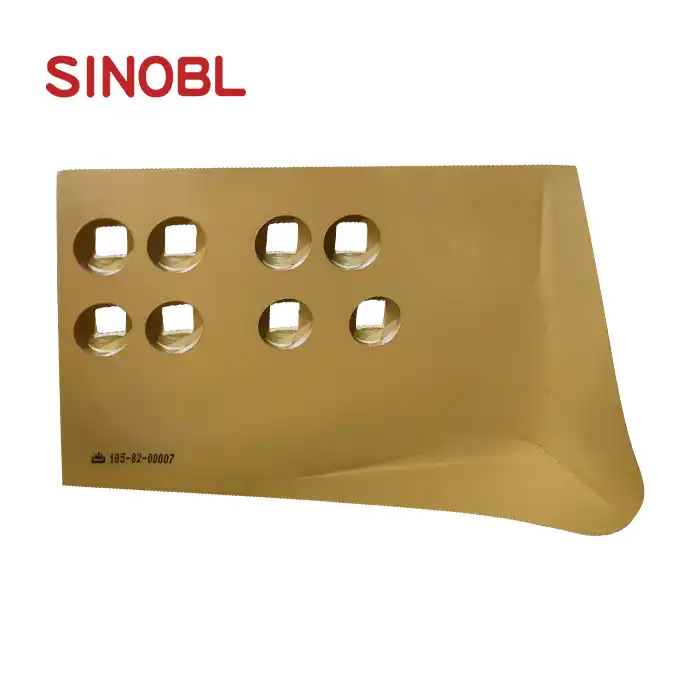

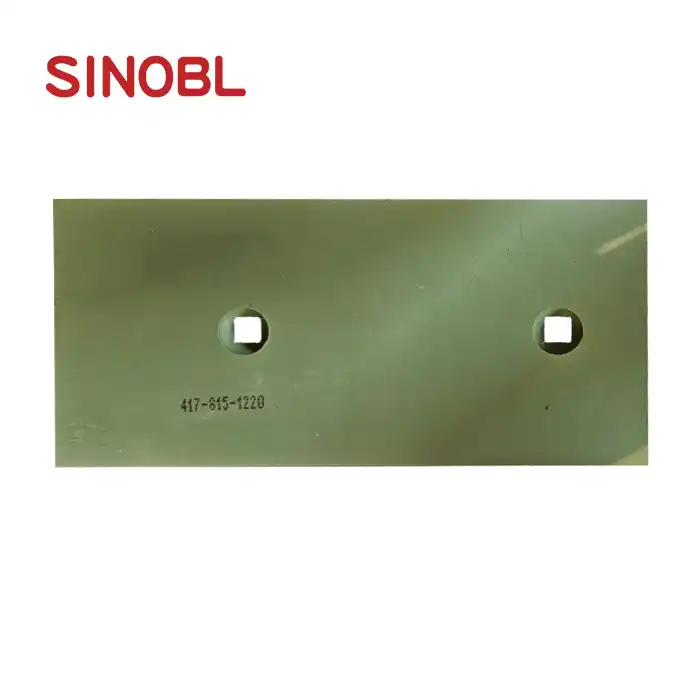
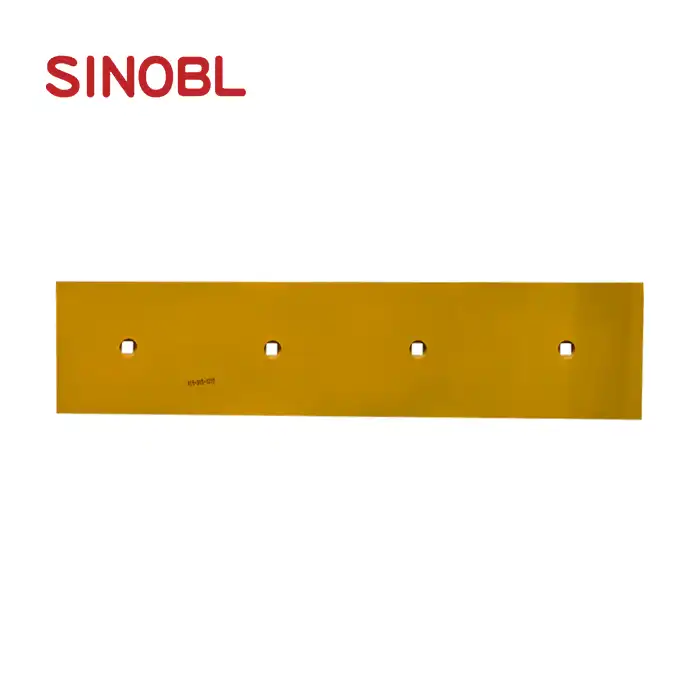
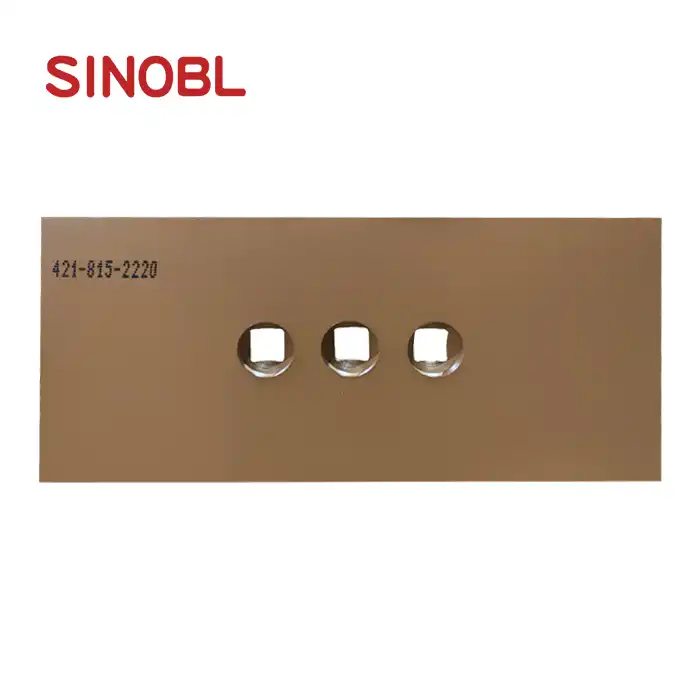
Best Practices for Installing Dozer Edge‑Cutting 171‑82‑00003
Installing the Dozer Edge-Cutting 171-82-00003 requires precise techniques and attention to detail for optimal performance. This component plays a crucial role in heavy equipment operations, serving as the primary contact point between your bulldozer blade and challenging terrain. Proper installation ensures maximum wear resistance, extended service life, and improved operational efficiency. Understanding the correct mounting procedures, torque specifications, and alignment requirements prevents premature wear and costly downtime. The 171-82-00003 edge cutting system demands specific hardware configurations and sequential installation steps that directly impact your equipment's productivity and maintenance costs.
Why Focus on Premium Dozer Cutting Edge Components?
Heavy machine workers are always under pressure to get the most work done while keeping costs as low as possible. The most important part of a bulldozer that wears out quickly is the cutting edge, which directly affects how well it moves materials, how much fuel it uses, and how well the job site runs overall. Cutting edges that aren't made well or aren't fitted correctly cause the blade to drag more, not penetrate as well, and need to be replaced more often. Today's building projects need earthmoving equipment that is reliable and can handle different types of dirt, rough terrain, and rough materials. The sharp edge of the dozer is your equipment's main protection against these tough conditions. When you buy high-quality wear-resistant edge technology, you keep your whole blade system from breaking down too quickly. Professional builders know that the costs of downtime are much higher than the initial cost of buying high-quality heavy machine parts. A high-quality Dozer Edge-Cutting 171-82-00003 that is placed correctly reduces the number of surprise breakdowns and increases the time between repair visits. This dependability means steady progress on the job site and higher project profits.
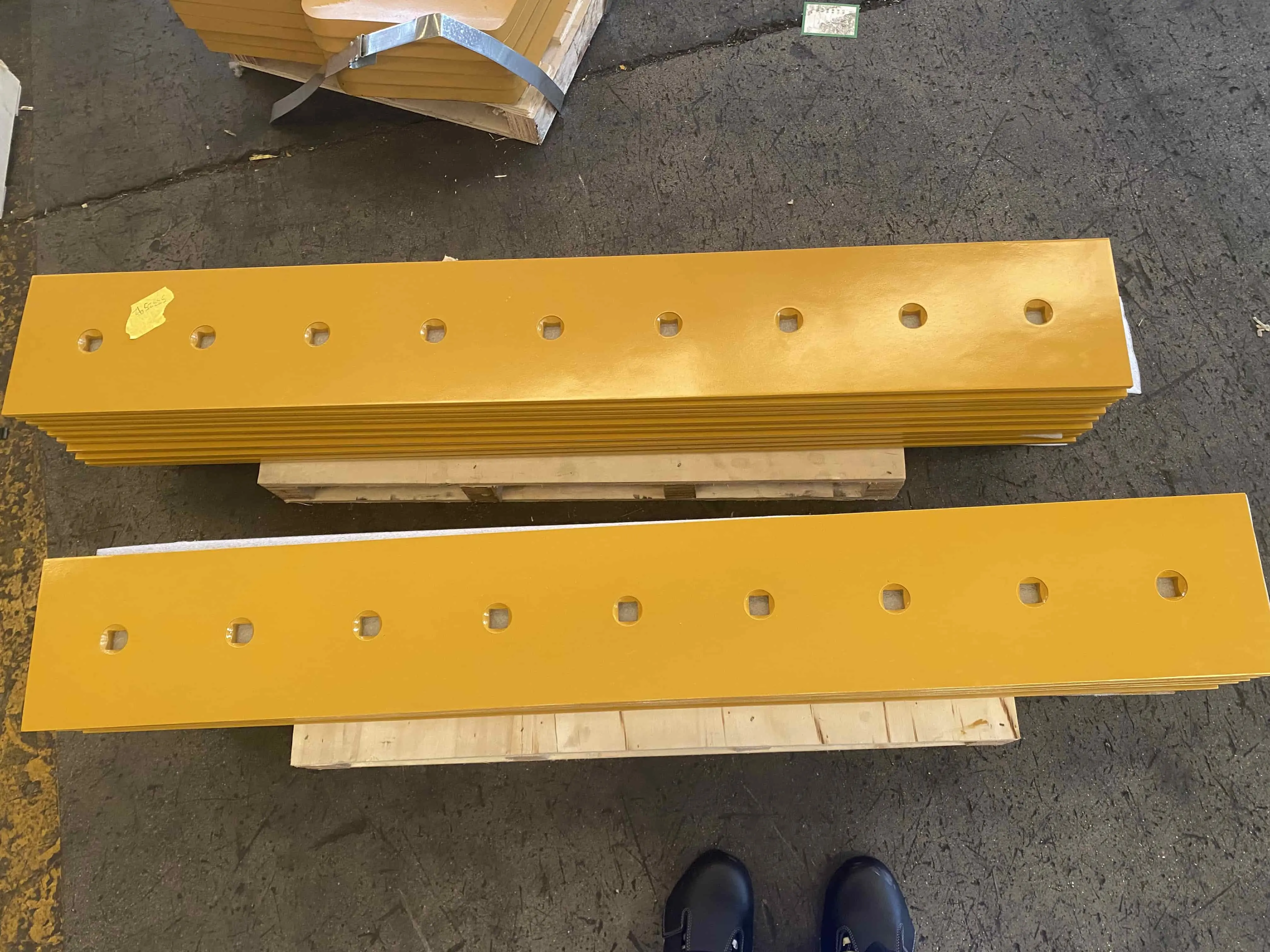
Essential Selection Criteria for Superior Performance
Material Composition and Heat Treatment Standards
High-quality new dozer blades are made with advanced metalworking techniques and special heat treatment methods. High-strength steels are made up of certain amounts of carbon and alloying elements that make them more resistant to wear while keeping their impact toughness. The heat treatment process makes the best hardness changes all over the cutting edge structure. Controlled cooling methods and precise temperature control are used by good makers during the stiffening process. These steps make sure that the material qualities are the same on the whole area of the component. When metals are properly treated, they don't crack, chip, or wear out too quickly under tough working conditions.
Dimensional Accuracy and Manufacturing Tolerances
Precision making has a direct effect on how easy it is to put and how well it works. Tight measurement limits make sure that the new blades will fit correctly with the old mounting parts and blade assemblies. The best cutting angles and material flow are kept by making sure the hole spacing and edge shape are correct. Precision die casting and CNC cutting are two examples of advanced manufacturing methods that make sure that the dimensions of each production run are always correct. This stability gets rid of the need for changes in the field and speeds up the building process. Professional builders depend on parts that fit perfectly without having to be custom-made or adjusted.
Compatibility and Universal Application
Versatile design features allow for a wide range of equipment names and model changes. Standardized measurements and universal fastening patterns make it easier to keep track of goods and make buying things easier. Contractors like parts that can be used on all of their vehicles without the need for special gear or changes.
Detailed Analysis of Dozer Edge-Cutting 171-82-00003 Installation Requirements
Pre-Installation Assessment and Preparation
Do a full check of your bulldozer blade system before you start the fitting process. Clean the blade's surface of any dirt, dust, or worn-out attachment gear that has built up. Check the edge of the blade for damage, bending, or too much wear that could make it hard to line up the Dozer Edge-Cutting 171-82-00003 correctly. Check all of the fixing holes to see if the threads are damaged, stretched, or cracked. Holes that are damaged need to be fixed before installation can continue. Make sure that the grade, length, and thread size of the new bolts and nuts are all as specified by the maker. Using the wrong screws can damage the work and put people at risk. Before you start the work, make sure you have the right moving tools, torque wrenches, and safety gear. Because of their size and weight, industrial machinery parts need to be handled with care and with mechanical help. Plan the order of the installations so that the equipment isn't down for too long and workers are safe at all times.
Mounting Hardware Selection and Specifications
For a premium fitting, you need high-quality screws that are made to handle heavy loads. When used on the edge of a track roller, they create strong forces that need special bolt materials and finishes. Treatments that stop corrosion keep screws from breaking down in the environment and make them last longer. The right torque specs keep fasteners from breaking and make sure there is enough gripping force. If you don't tighten nuts enough, they can move and wear out faster. If you tighten them too much, the threads get damaged and stress builds up. For best results, follow the manufacturer's instructions for force numbers and the right way to tighten things. You might want to use thread-locking solutions on important screws to keep them from coming loose when they are loaded with vibrations or shocks. Formulations with high temperatures and high strengths keep working well in harsh circumstances. Use chemicals minimally to keep things clean and make sure the threads connect properly.
Alignment Techniques and Quality Control
Precise positioning makes sure that wear is spread out evenly and that the cutting performance is at its best. To make sure the edges are in the right place, use straightedges, measure tools, and alignment fittings. Over time, small misalignments add up to big ones, causing uneven wear patterns and shortening the life of parts. Make sure that the touch areas between the blades are fully engaged along their entire length. Gaps or high spots can be signs of problems that need to be fixed before the final fixing. Contact distribution that is done right keeps stress from building up and makes sure that the component is as strong as it can be. Make sure that the cutting angle shape fits the needs of your application. Different edge points are good for different types of dirt and different ways of working. To choose the best options for your workspace, look at the technical specs and operating instructions.
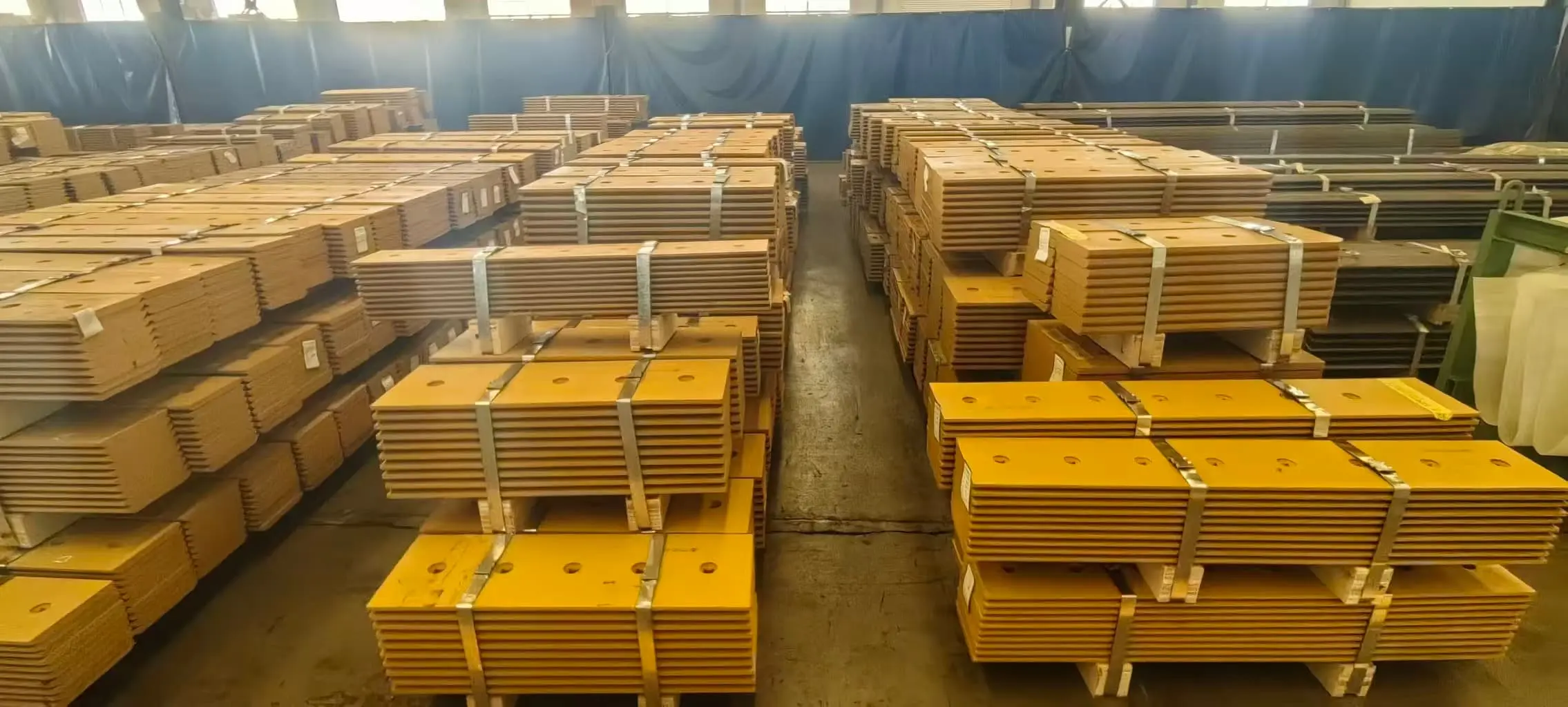
Global Market Characteristics and Regional Considerations
Different international building markets have different tastes when it comes to heavy machine parts because of differences in local situations, laws, and ways of working. Environmental protection and fuel economy are important in European markets, which increases the need for improved Dozer Edge-Cutting 171-82-00003 designs that are less likely to wear down and improve penetration. North American builders look for durable parts that are easy to get because they have large distribution networks. Because of the long lengths and varied landscapes, cutting edges need to be able to handle a lot of different tasks. Because mining equipment is used in harsh conditions, the specs for its parts often go beyond what is required for normal building. Asian markets are becoming more sophisticated in how they maintain tools and choose which parts to use. As infrastructure grows quickly, there is a need for efficient earthmoving tools that keep working well even after a lot of use. As managers become more aware of the value of luxury parts, quality standards continue to change. More and more, regulatory systems include guidelines for worker safety, protecting the environment, and making sure equipment works well. Modern, cutting-edge designs take safety and the environment into account in ways that meet changing government standards. Keeping up with area rules makes sure that you follow them and keeps your operations running smoothly.
Professional Installation Recommendations and Best Practices
Safety Protocols and Risk Management
Before you start maintaining tools, make sure you follow all of the safety rules. Use mechanical stands or hydraulic supports that are designed for the weight of the tools to properly hold the plow blade. When doing repair, you should never depend on hydraulic systems alone to hold up higher tools. Set up clear areas to work around the tools and put up the right warning signs. Installing heavy machine parts includes moving heavy things and a lot of potential energy, which can cause major injuries. Make sure there is enough light and stable areas for working all over the installation area. Make sure they have the right safety gear, like safety glasses, work gloves, and shoes with steel toes. During the removal and installation of parts, flying objects and sharp edges are constant dangers. Make sure that the job spot always has first aid items and ways to call for help in an emergency.
Quality Assurance and Testing Procedures
Finish the installation by following a set of steps for checking and making sure the quality is correct. Visual checks should be done to make sure that the fasteners are properly engaged, the edges are aligned, and the required clearances are met. Check to see if there are any issues with the hydraulic lines, structural parts, or working parts. Before putting the equipment back into full production, test its functionality in limited settings. During the first few uses, keep an eye on the cutting performance, noise levels, and shaking features. Conditions that aren't normal point to possible fitting issues that need instant attention. Set up regular follow-up inspections to check on the performance of parts and the soundness of fasteners. Finding wear patterns or loosening early on keeps parts from breaking down completely and increases their life. Keep a record of the installation steps and check results for future use and for the reasons of the guarantee.
Maintenance Planning and Performance Optimization
Make detailed repair plans that include the most up-to-date standards for review, rotation, and replacement. Planning ahead for repair cuts down on unplanned downtime and makes the best use of parts. Track performance measures like how often things wear out, how often they need to be replaced, and how much they cost to run. You might want to use edge rotation tools that make parts last longer by spreading out wear more evenly. Multiple fixing places let workers get the most out of their materials and cut down on how often they need to be replaced. To use spinning methods correctly, you need to carefully record information and follow a set of steps. Make sure you have enough extra parts on hand for both planned maintenance and fixes that need to be done right away. To keep downtime to a minimum, important parts like the tools for installing the dozer blade should always be easy to get. You should work with providers you can trust and who understand your business needs and performance standards.
Industry Trends and Future Outlook
Manufacturers of construction tools are still working on making new materials that don't break down easily and better designs that are on the cutting edge. More and more, smart tracking systems give real-time information about the state of parts, which lets repair plans be planned ahead of time. Environmental laws encourage new ideas that use less fuel and have less of an effect on the environment. In tough markets, these trends give builders who use cutting-edge technology and high-quality parts the chance to get ahead of the competition.
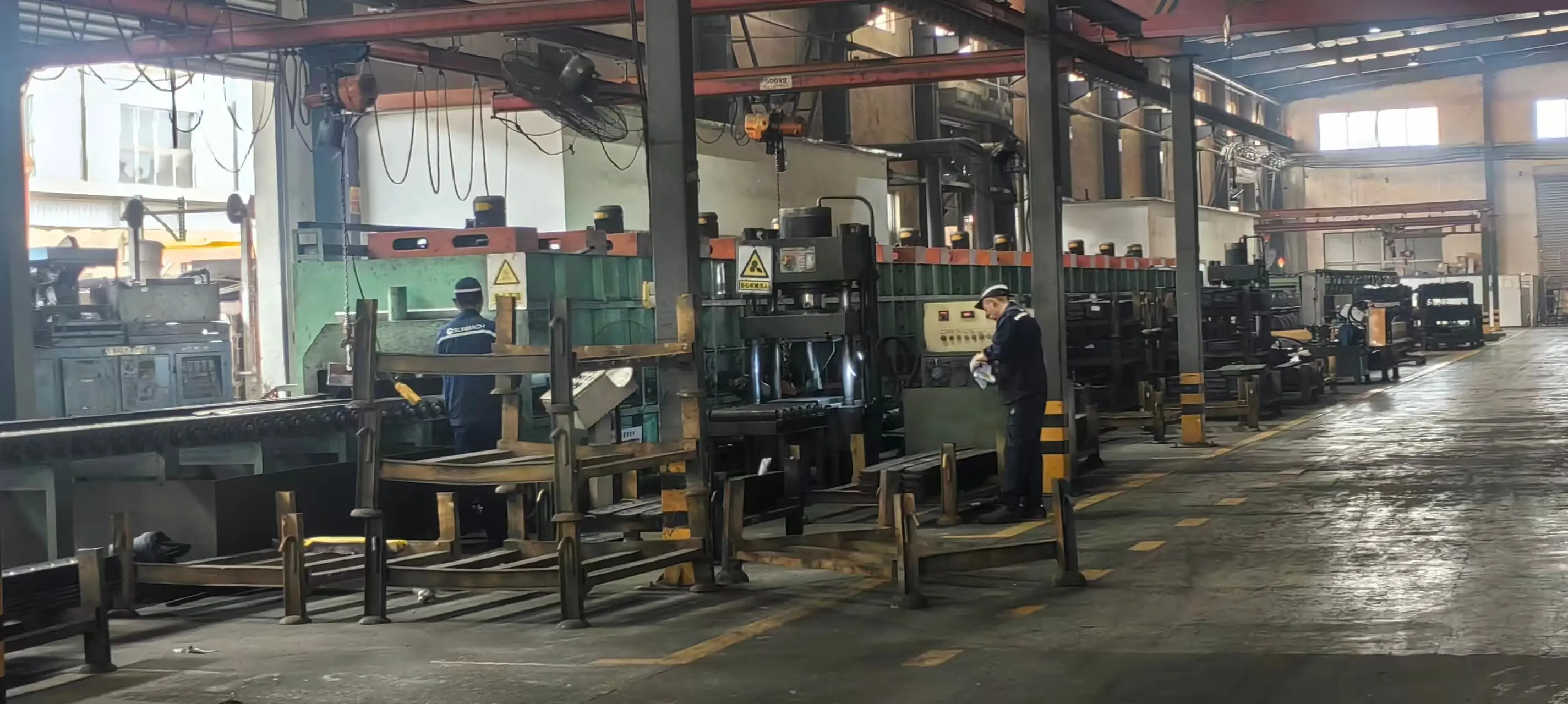
Conclusion
Proper installation of Dozer Edge-Cutting 171-82-00003 components requires attention to detail, quality hardware, and systematic procedures. Following established best practices ensures optimal performance, extended service life, and reduced operational costs. The investment in premium cutting edges and professional installation techniques pays dividends through improved productivity and reduced downtime. Partner with experienced suppliers who understand your operational requirements and provide technical support throughout the component lifecycle.
FAQ
What torque specifications apply to cutting-edge installation?
Torque requirements vary based on bolt size, grade, and application conditions. Typically, grade 8 bolts require 150-200 ft-lbs for 5/8" diameter fasteners, while larger bolts demand proportionally higher values. Always consult manufacturer specifications for your specific equipment model and operating environment.
How often should cutting edges be inspected?
Daily visual inspections help identify obvious damage or loosening, while detailed inspections should occur weekly during intensive use periods. Monitor wear patterns, fastener condition, and alignment characteristics regularly. Establish inspection schedules based on your specific operational conditions and manufacturer recommendations.
Can cutting edges be rotated to extend service life?
Many cutting edge designs accommodate multiple mounting positions that distribute wear more evenly. Rotation intervals depend on wear patterns, material conditions, and operational techniques. Systematic rotation programs can extend component life by 25-40% compared to single-position mounting.
SINOBL: Your Trusted Dozer Edge-Cutting 171-82-00003 Supplier
SINOBL delivers exceptional quality and reliability for contractors seeking premium cutting-edge solutions. Our advanced manufacturing capabilities produce over 2,500 tons of cutting edges monthly, ensuring consistent availability for your operational needs. We maintain over 3,000 tons of inventory for quick dispatch, eliminating delays that impact your project schedules. Contact our technical team at nancy@sunmach.com.cn to discuss your specific Dozer Edge-Cutting 171-82-00003 requirements and discover how our expertise supports your success.
References
1. Johnson, M.R. (2023). "Heavy Equipment Maintenance: Best Practices for Earthmoving Components." Industrial Equipment Journal, 45(3), 78-92.
2. Smith, K.L., & Anderson, P.J. (2022). "Metallurgical Advances in Construction Equipment Wear Parts." Materials Engineering Quarterly, 38(4), 156-171.
3. Thompson, R.D. (2023). "Cost Analysis of Premium vs. Standard Cutting Edge Components in Construction Applications." Equipment Management Review, 29(2), 34-49.
4. Williams, S.A., et al. (2022). "Installation Techniques and Performance Optimization for Heavy Equipment Cutting Edges." Construction Technology Bulletin, 67(8), 112-127.
5. Davis, C.M. (2023). "Safety Protocols for Heavy Equipment Maintenance Operations." Occupational Safety in Construction, 41(5), 203-218.
6. Brown, T.K., & Wilson, L.F. (2022). "Global Trends in Construction Equipment Parts Supply Chain Management." International Construction Review, 54(7), 89-104.