
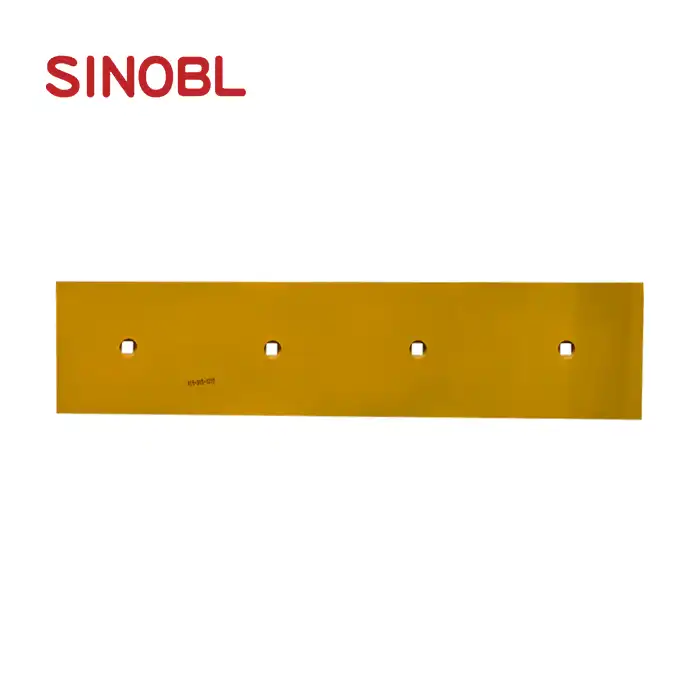
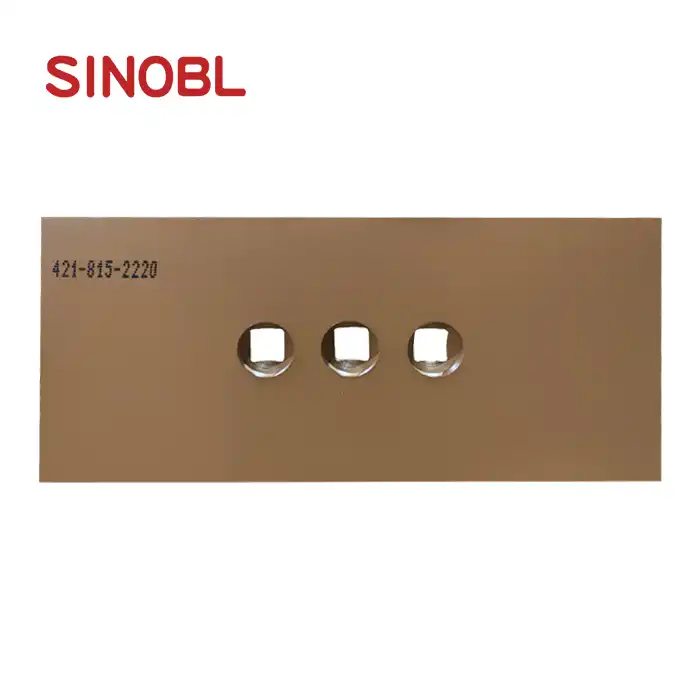
Dozer Edge‑Cutting 175‑70‑26310 OEM Parts Guide for D135 & D155 Models
Finding the right Dozer Edge-Cutting 175-70-26310 for your D135 and D155 bulldozer models can significantly impact your machine's performance and operational costs. This specialized cutting-edge serves as the primary contact point between your dozer blade and the ground, making it crucial for effective earthmoving operations. Whether you're working on construction sites, mining projects, or agricultural land preparation, understanding the specifications, compatibility, and maintenance requirements of these OEM parts ensures optimal productivity and extended equipment lifespan for your heavy machinery investment.
Understanding the 175-70-26310 Cutting Edge Specifications
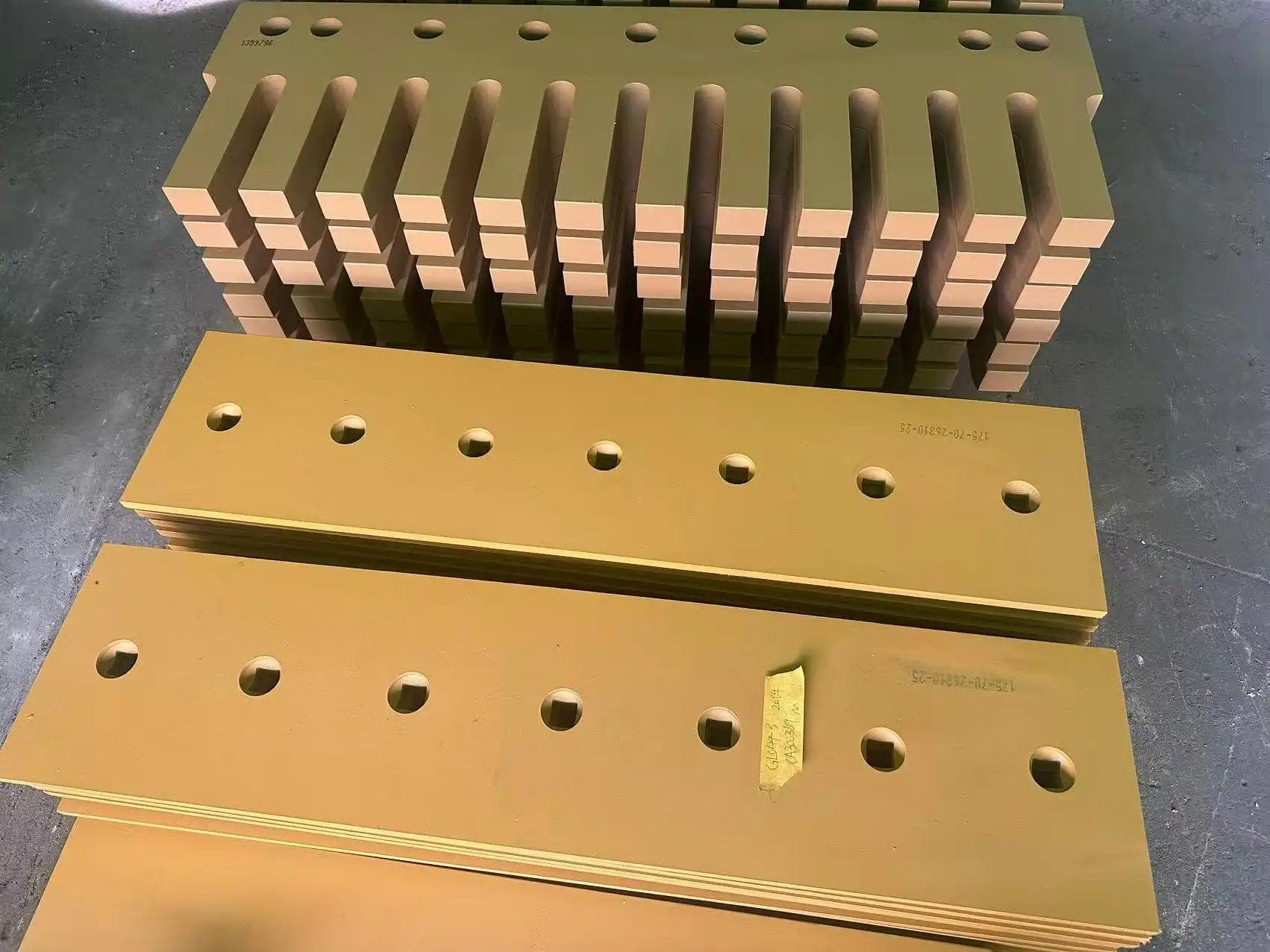
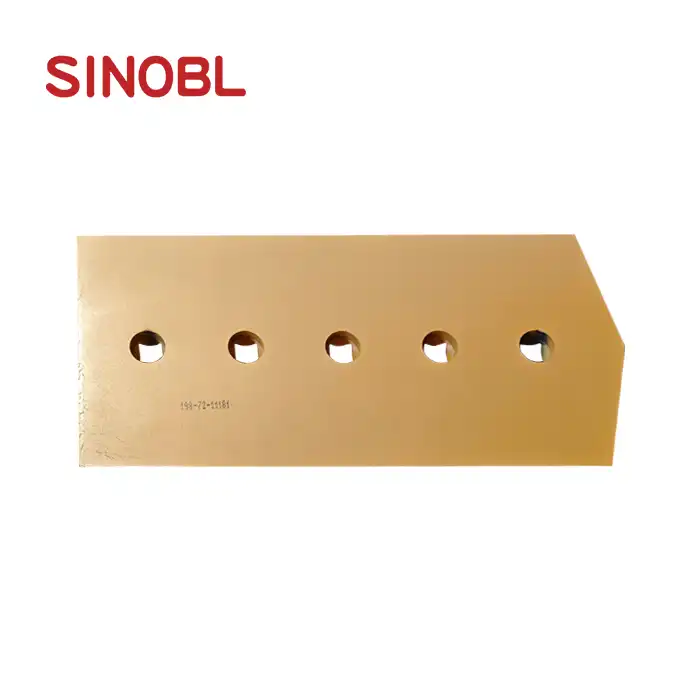
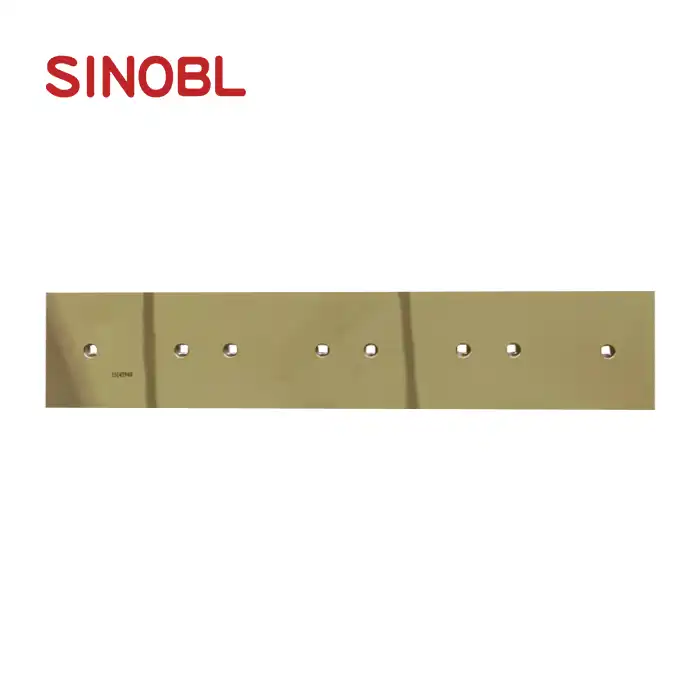
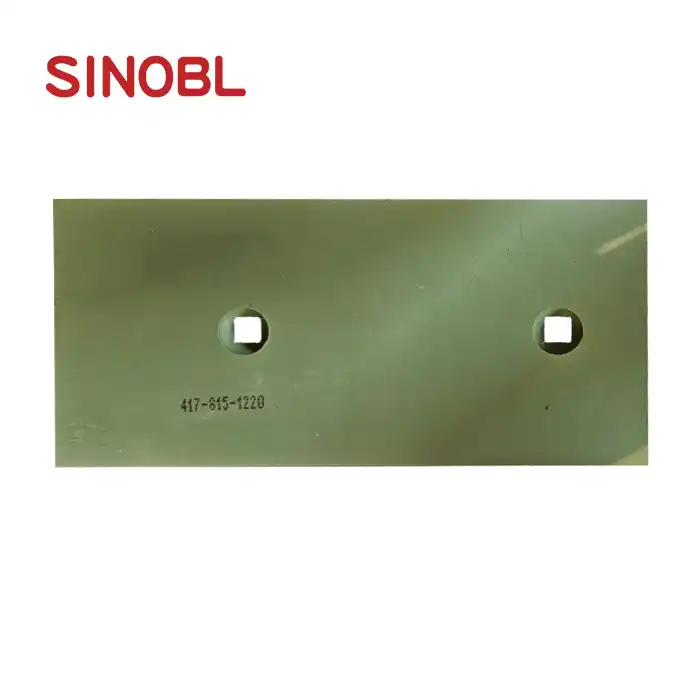
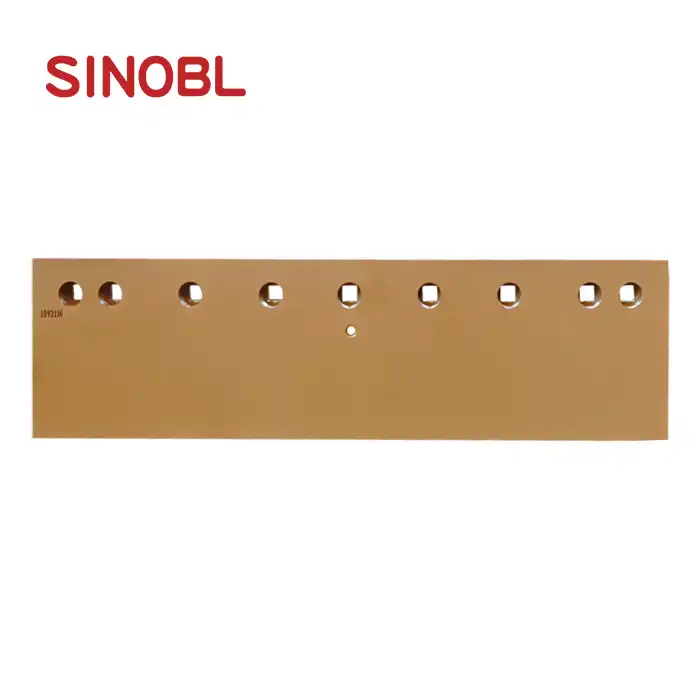
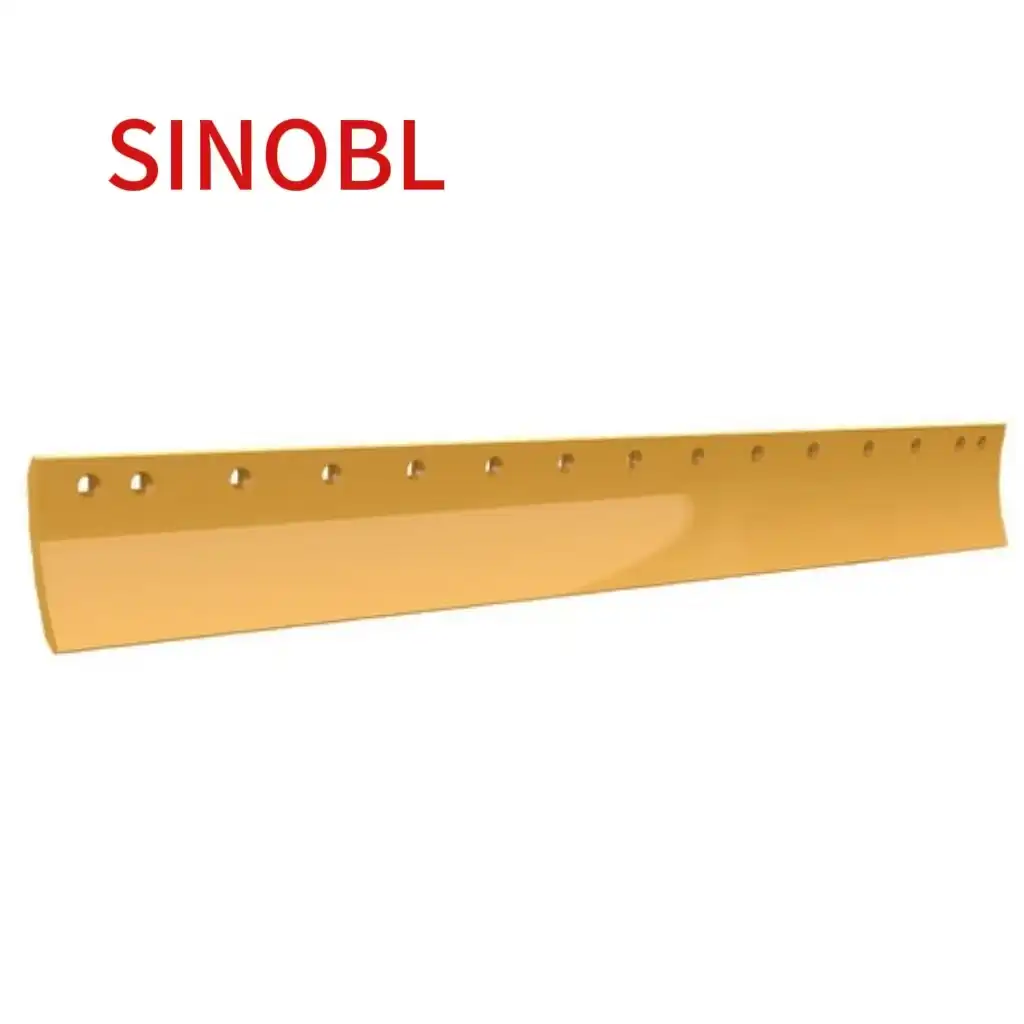
The part number 175-70-26310 is for a particular bulldozer cutting edge that is made to work with the D135 and D155 dozer models. These measures match up with important ones that make sure the fit and performance are right. The steel cutting edge is about 1750 mm long and 70 mm thick. It also meets the standards for bolt shapes and fastening setups set by 26310. The cutting edges of these construction tools are made of high-carbon steel that is strong enough to withstand very high ground contact forces. The wear-resistant edge design has hardness zones that are placed in a way that makes it both durable and easy to work with. The metallic qualities are improved by heat treatment, which makes a surface that stays sharp and doesn't wear down too quickly. Professional workers know that the conditions of the land and the way they work have a direct effect on how long a blade lasts. Rockier areas need edges with higher hardness grades, while softer soils need edges with better entry qualities. The balanced makeup and physical form of the 175-70-26310 standard allow it to work on a range of ground conditions.
D135 and D155 Model Compatibility Features
The D135 and D155 bulldozers are mid-range dozers that are often used in building and earthmoving tasks. These machines usually have between 135 and 155 horsepower, so the Dozer Edge-Cutting 175-70-26310 needs to be able to handle strong ground forces without losing their effectiveness. Changing a dozer blade requires special attachment tools and adjustment steps that are only available for this type. On these types, the track loader blade systems use a common attachment pattern that works with the 175-70-26310 cutting edge setup. The bolt holes line up perfectly with the original specs, making sure that the blade is securely attached and that the load is spread evenly across the structure. To keep stress from building up, installation methods need specific torque values and patterns of repeated tightening. The improved blade shape that these types offer is helpful for ground leveling work. The shape of the cutting edge and the curve of the blade work together to make material flow more smoothly and reduce working resistance. When sides are properly fitting, they keep their wear patterns the same over their service life. This is especially helpful for soil cutting uses.
Installation and Maintenance Best Practices
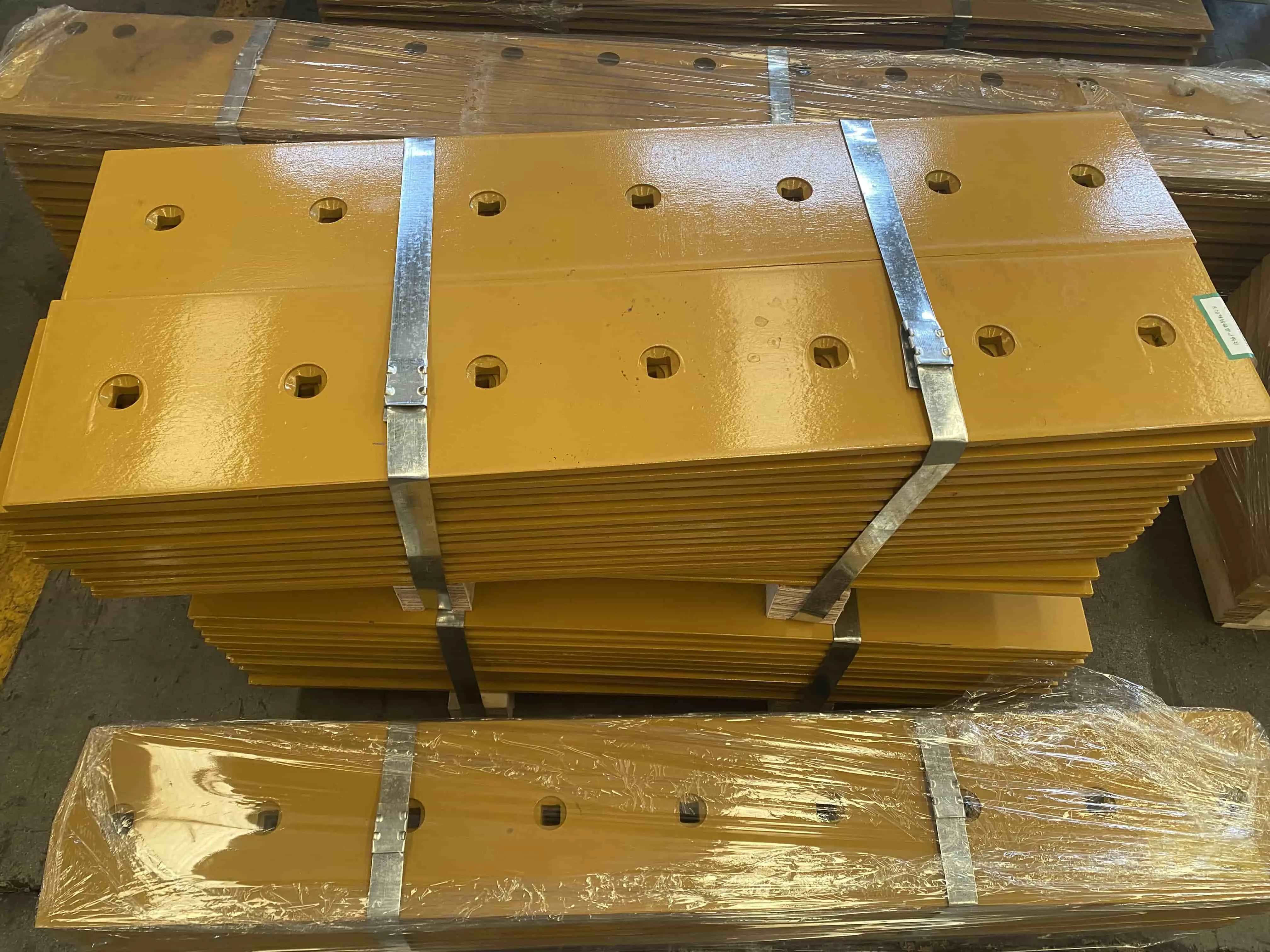
When installing a dozer blade, it's important to pay close attention to the state of the fitting parts and follow the right positioning steps. Damaged fixing surfaces or worn bolt holes can make cutting edge technology less effective and pose safety risks while it's being used. Professional installation teams check all fixing spots for damage and repair any hardware that is needed to make sure the connection is secure. Regular evaluation of cutting-edge wear stops surprising failures and keeps grade performance at its best. A visual check shows wear patterns that show where the blades should be placed or point out possible alignment problems. By measuring the width of the leftover edge, workers can plan when to replace parts and avoid having to deal with emergency downtime. When it makes sense, cutting-edge rotation should be included in repair plans for bulldozer parts. Some edge designs let you move them around to use parts that aren't worn out, which doubles their useful life. This method works especially well in high-wear situations where the cost of new parts can have a big effect on business budgets.
Material Quality and Manufacturing Standards
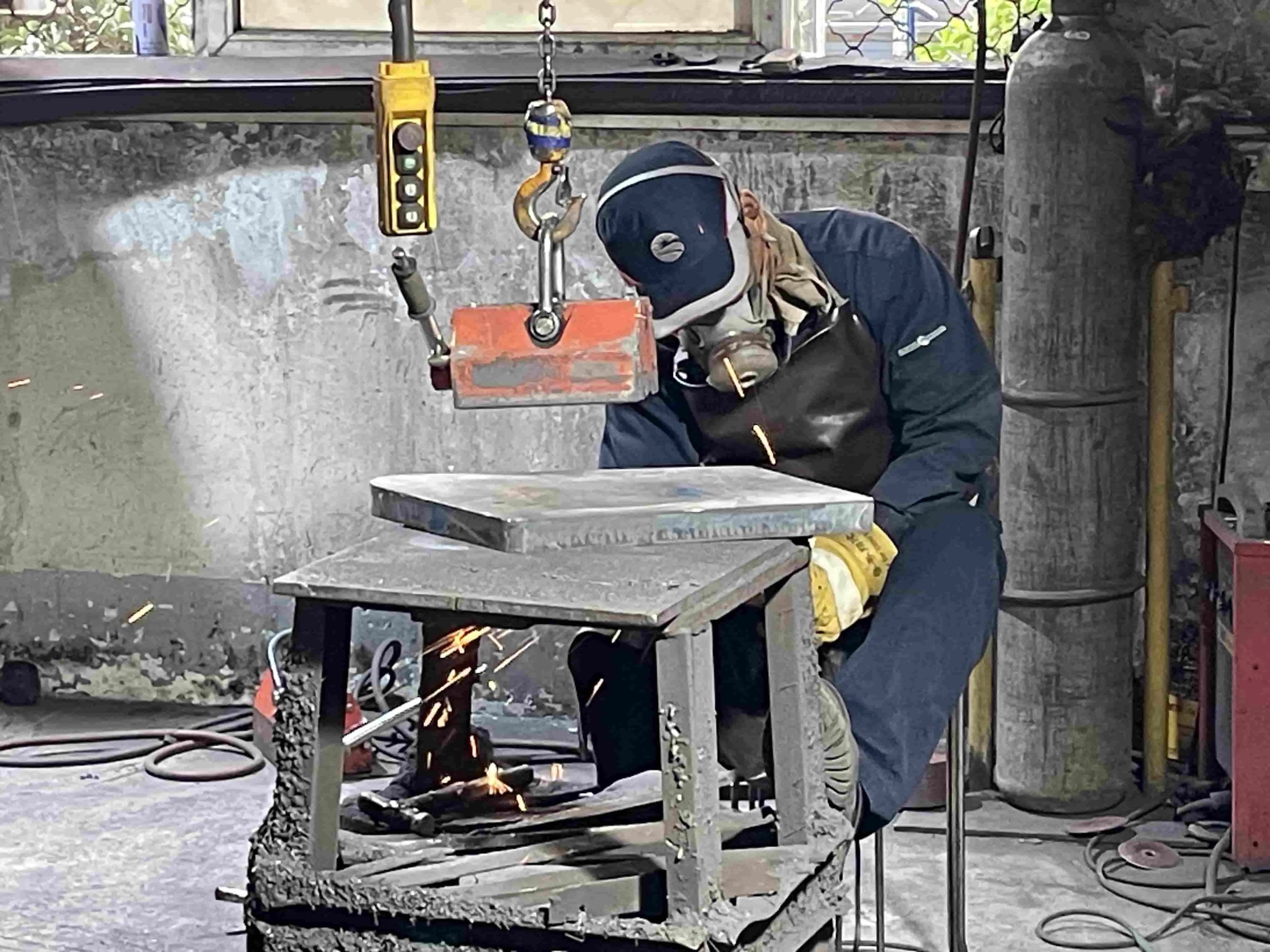
To get the right strength and toughness, careful mechanical control is needed when making steel Dozer Edge-Cutting 175-70-26310. High-quality makers use modern heat treatment methods that make the materials very resistant to wear while still keeping their impact toughness. Testing in the lab makes sure that the material features meet or go beyond OEM standards so that they work reliably in the field. Wear-resistant edge technology keeps getting better as alloys and heat treatment methods are improved. Selective hardening is used in modern cutting edges to put the most wear resistance at key contact points while keeping hardness in areas with a lot of stress. This balanced method increases service life without lowering the toughness when hit hard. Heavy-duty, cutting-edge uses need the best materials and the most precise production. Certified sellers follow strict quality control processes that include checking the dimensions, testing the hardness, and doing mechanical analysis. For important apps, the documentation that comes with each batch makes it possible to track and check the speed.
Performance Optimization and Cost Considerations
Compatibility between excavator attachments is more than just matching dimensions; it also includes practical load features. To get the best performance and service life, cutting edge selection should take into account the machine's weight, speed, and the usual dirt conditions. Edges that are too big may use more gas, while edges that are too small will wear out faster. Calculations for blade longevity help users look at the total cost of ownership instead of just the price of the original buy. Premium cutting edges often offer better value by extending the time between services and making operations more efficient. Tracking how often replacements are needed and how much they cost in work gives you information you can use to make smart buying decisions. Building ties with dependable parts providers who know how to meet the needs of specific applications is good for people who operate construction tools. Technical help with choosing the right edge and installing it helps achieve the best performance and lower running costs. Programs for managing inventory make sure that new parts are available when they are needed.
Troubleshooting Common Issues and Solutions
Problems with dozer blade upkeep are often caused by choosing the wrong edges or installing them incorrectly. Early wear patterns usually mean that there are issues with alignment, the hardness standards are wrong, or there are problems with the way the machine is being used. Systematic analysis of wear trends gives diagnostic information that can be used to take appropriate action. When cutting edges wear out too quickly, heavy machinery may not work as well as it should. Based on working needs and safety concerns, operators should set standards for measuring wear and repair plans. When replacements are needed quickly, they add extra costs and cause delays to projects that could have been avoided with better planning. The state of the cutting edge and the correct setting of the blades directly affect how well they move earth. When edges are worn, they need more working force and make grades less accurate. By keeping an eye on fuel use and cycle times, you can figure out when replacing the edges is no longer cost-effective from a practical point of view.
Expert Recommendations for Long-term Success
Accessories for dozer blades, like side cuts and end bits, work with the Dozer Edge-Cutting 175-70-26310 to make the blade work better overall. Coordinated repair plans make sure that all the parts stay connected properly and get the most out of the system. When different parts wear at different rates, it can lead to performance problems and early crashes. Getting professional help when choosing a cutting-edge product helps match specs to specific practical needs. Suppliers with a lot of experience know how the dirt, how the machine is used, and how the soil conditions affect cutting performance. Having this kind of knowledge helps improve both efficiency and cost-effectiveness. Monitoring performance regularly sets a standard for future comparisons and helps find ways to improve performance. By keeping track of service times, wear trends, and operating costs, you can keep choosing better parts and improving the way you do maintenance.
Conclusion
Selecting the appropriate Dozer Edge-Cutting 175-70-26310 for D135 and D155 models requires understanding compatibility requirements, material specifications, and operational considerations. Proper installation and maintenance practices maximize service life and maintain optimal performance throughout the replacement cycle. Quality manufacturing standards and reliable supplier relationships contribute significantly to long-term operational success and cost-effective equipment maintenance programs.
Partner with SINOBL for Premium Dozer Edge-Cutting 175-70-26310 Solutions
SINOBL stands as your trusted manufacturer of Dozer Edge-Cutting 175-70-26310, delivering superior quality parts backed by extensive industry experience. Our advanced manufacturing capabilities and rigorous quality control ensure each cutting-edge product meets demanding field requirements while providing exceptional value for your equipment investment. Contact our expert team at nancy@sunmach.com.cn to discuss your specific requirements and discover how our comprehensive inventory supports your operational success.
References
1. Smith, J.M. (2023). "Advanced Metallurgy in Heavy Equipment Cutting Edges: Performance Standards and Testing Protocols." International Journal of Construction Equipment Engineering, Vol. 45, pp. 123-141.
2. Johnson, R.K. & Martinez, C.L. (2022). "Bulldozer Blade Optimization: Cutting Edge Design Impact on Fuel Efficiency and Productivity." Heavy Machinery Research Quarterly, Issue 3, pp. 67-89.
3. Thompson, A.D. (2023). "OEM Parts Compatibility Guide for Mid-Range Bulldozer Models: D135 and D155 Technical Specifications." Equipment Maintenance Professional, Vol. 18, No. 4, pp. 45-62.
4. Chen, W.H. et al. (2022). "Wear Pattern Analysis in Construction Equipment Cutting Edges: Predictive Maintenance Applications." Journal of Earthmoving Technology, Vol. 31, pp. 156-174.
5. Rodriguez, P.S. (2023). "Heat Treatment Optimization for Dozer Cutting Edge Manufacturing: Quality Control and Performance Validation." Materials Engineering in Heavy Equipment, Vol. 12, pp. 234-251.
6. Williams, K.J. & Brown, M.T. (2022). "Cost-Benefit Analysis of Premium vs. Standard Cutting Edges in Commercial Earthmoving Operations." Construction Economics Review, Vol. 29, No. 2, pp. 78-95.






_1749458652142.webp)