
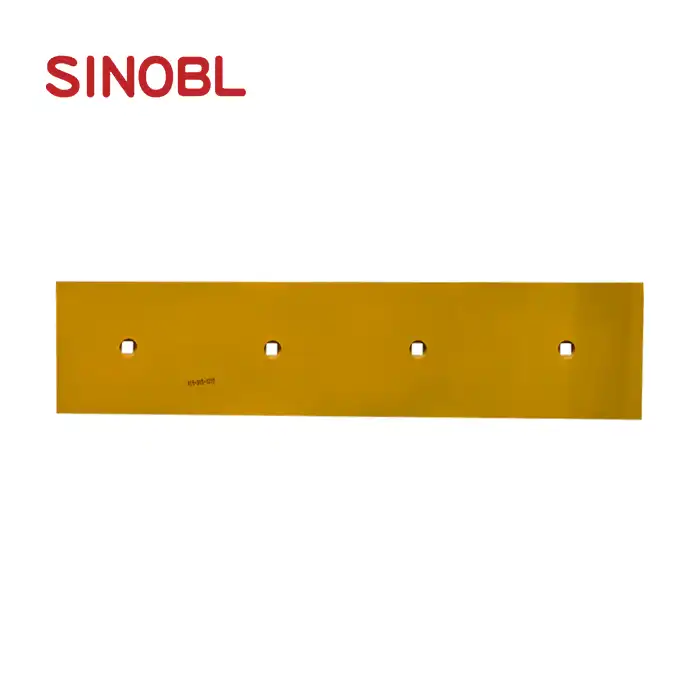
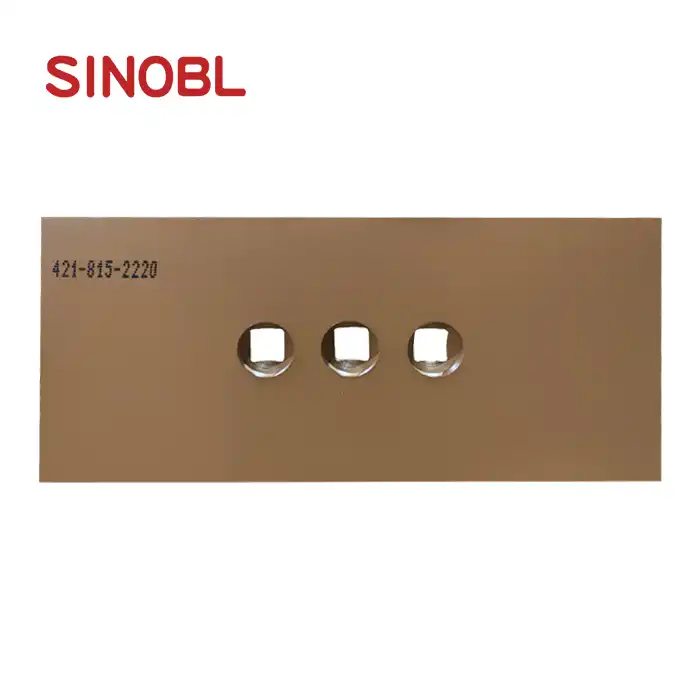
What Steel Grades Are Best for Dozer Edge‑Cutting 171‑82‑00003?
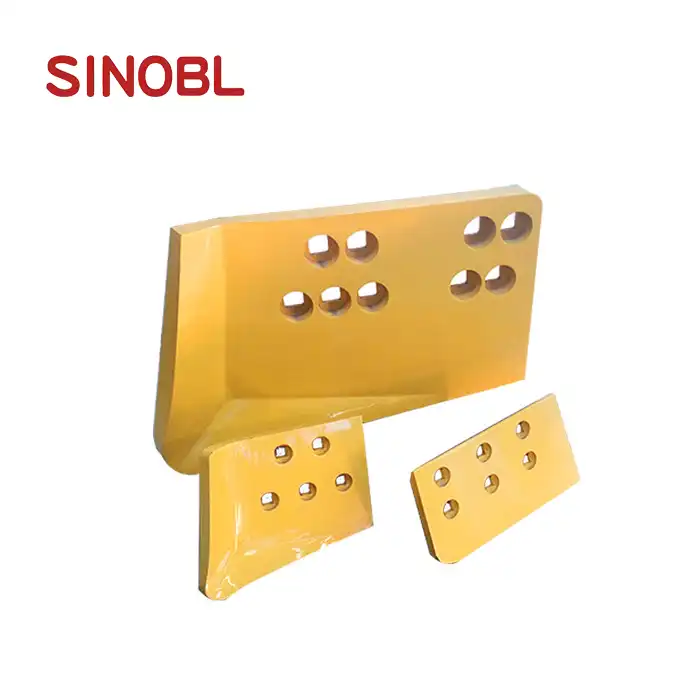
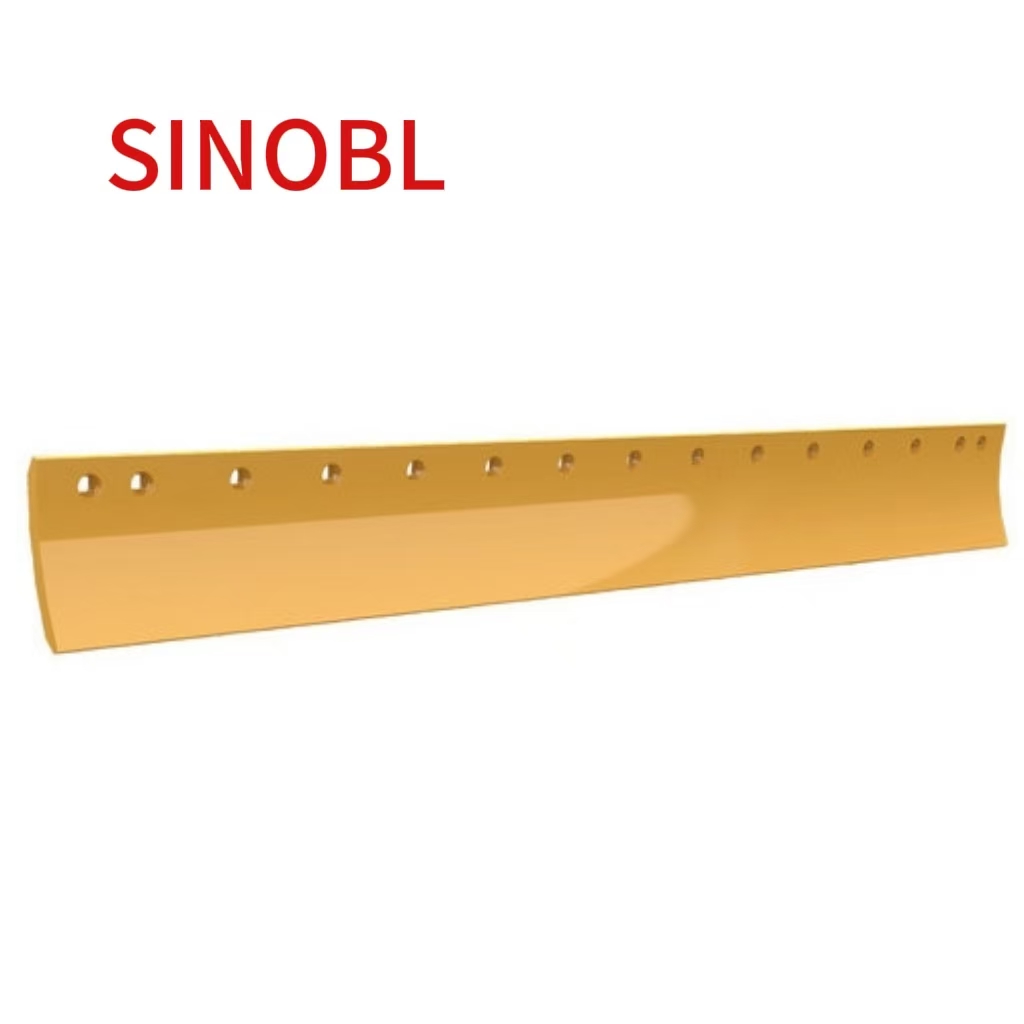
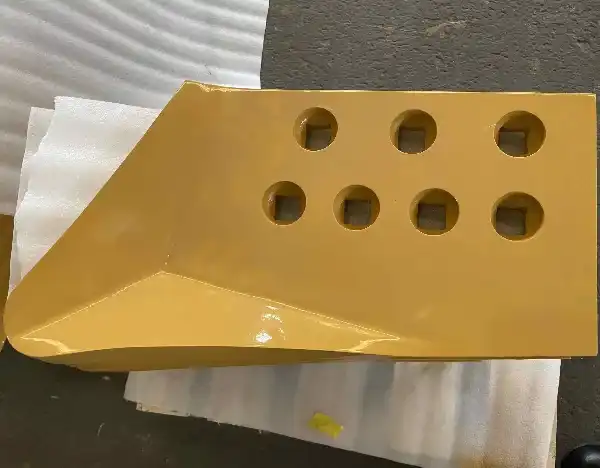
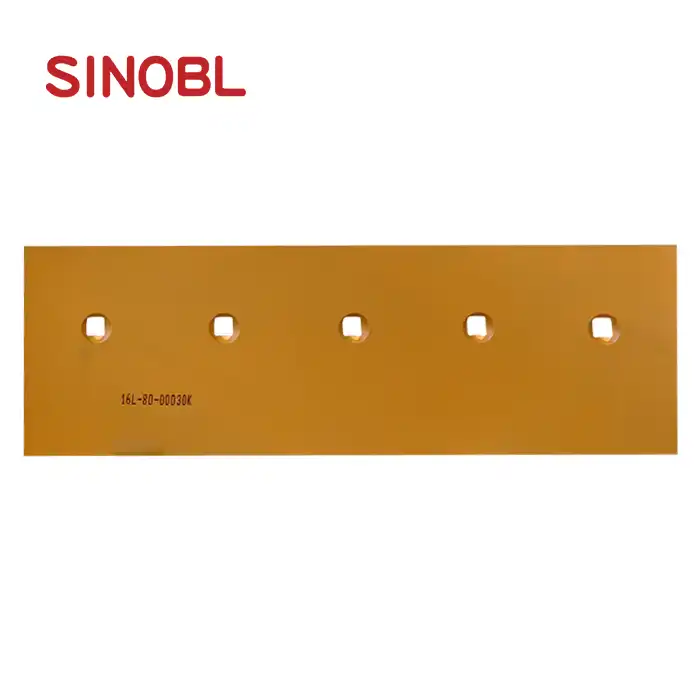
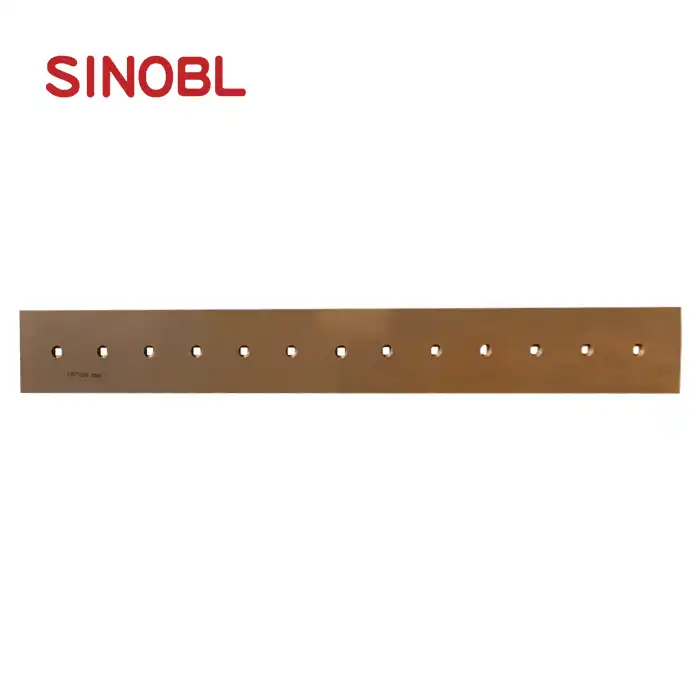
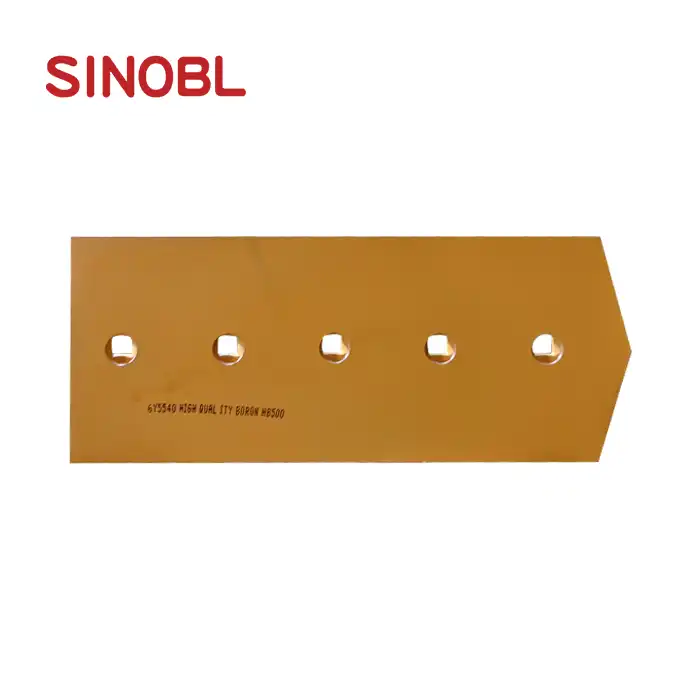
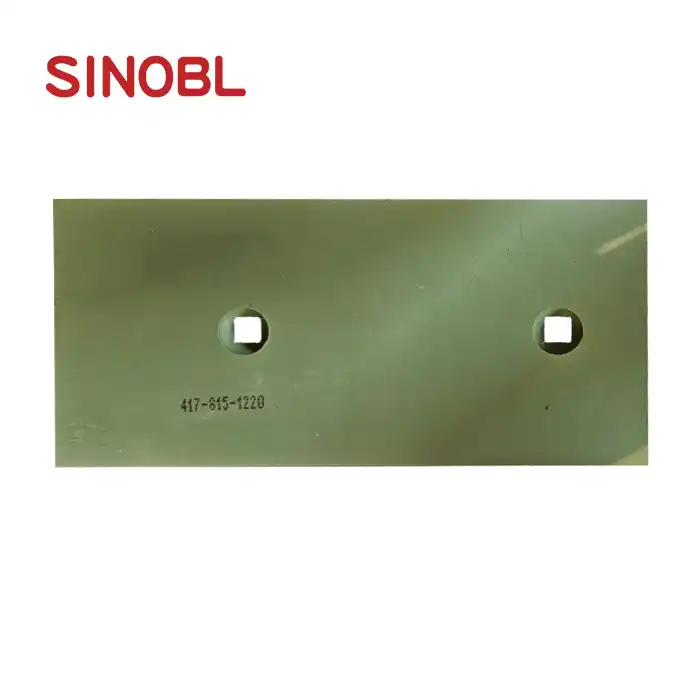
The Dozer Edge-Cutting 171-82-00003 represents a critical component in heavy machinery operations, serving as the primary interface between bulldozers and challenging terrain. Selecting optimal steel grades for this cutting edge directly impacts durability, wear resistance, and operational performance under extreme conditions. For purchasing managers, engineers, distributors, and OEM clients engaged in global B2B procurement, understanding steel grade selection becomes paramount to operational success. High-carbon and alloy steels emerge as the preferred materials for the Dozer Edge-Cutting 171-82-00003, offering exceptional hardness ratings between 400-500 HB while maintaining sufficient toughness for impact resistance. Advanced heat treatment processes enhance these properties, delivering cutting edges that withstand abrasive materials and repeated stress cycles common in construction and mining applications.
This comprehensive exploration addresses the technical and practical considerations that influence steel grade selection, providing procurement professionals with actionable insights to enhance decision-making processes. The following analysis aligns product expectations with industry demands while evaluating cost-effectiveness and performance optimization strategies essential for competitive advantage in heavy machinery operations.
Understanding the Role of Steel Grades in Dozer Edge-Cutting 171-82-00003
Steel grades fundamentally determine the mechanical and physical properties that define Dozer Edge-Cutting 171-82-00003 performance in demanding applications. The classification system for heavy-duty wear parts encompasses various categories, each offering distinct advantages based on alloy composition, hardness levels, and manufacturing processes.
Material Composition and Performance Characteristics
In cutting-edge applications, steel's hardness and wear resistance are primarily determined by its carbon content. The basis for reaching the hardness levels required for abrasion resistance is provided by high-carbon steels, which normally contain 0.6% to 1.0% carbon. Certain performance characteristics, such impact resistance and thermal stability, are improved by alloy additives like chromium, manganese, and molybdenum. In innovative design, the link between toughness and hardness must be carefully balanced. Excessive hardness may lower impact tolerance and cause premature failure in high-stress situations, even if it increases wear resistance. Controlled chilling procedures and tempering treatments that maximize microstructure development are used to attain this equilibrium in modern steel grades.
Heat Treatment Impact on Performance
The ultimate qualities of cutting-edge materials are greatly influenced by heat treatment procedures. Manufacturers may maintain sufficient toughness levels while achieving specified hardness objectives via quenching and tempering procedures. Grain structure is influenced by the rate of cooling during quenching, and the ultimate balance between hardness and impact resistance is determined by the tempering temperature. Precise control over material characteristics is made possible by advanced heat treatment procedures, enabling customisation according to particular operating needs. While case-hardening applications provide robust core features and surface endurance, through-hardening procedures guarantee consistent qualities throughout the thickness of the cutting edge.
Evaluating the Best Steel Grades for Dozer Edge-Cutting 171-82-00003
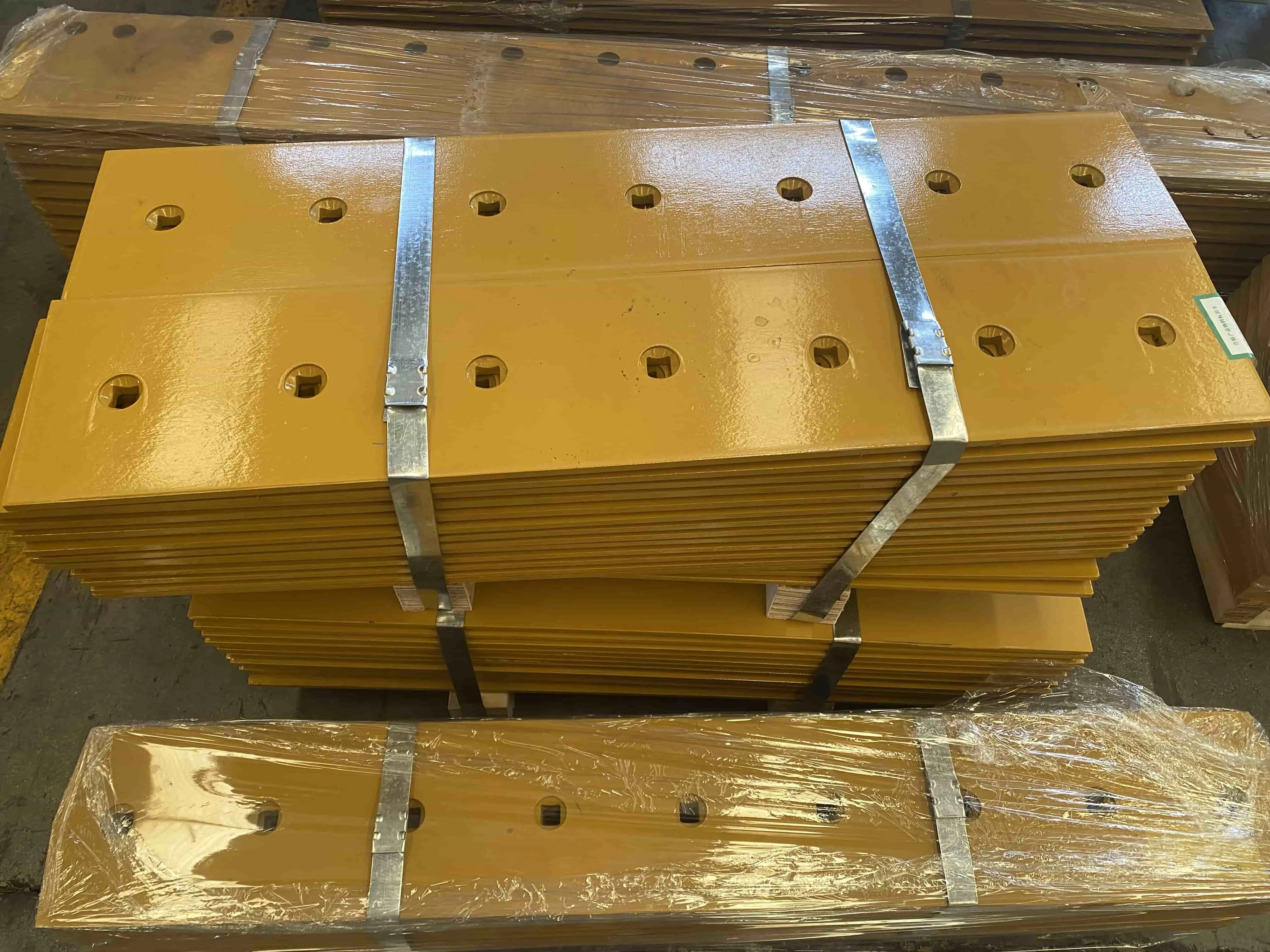
Selecting appropriate steel grades requires comprehensive evaluation of multiple performance criteria that directly impact operational effectiveness and cost efficiency. The assessment framework encompasses hardness requirements, tensile strength specifications, impact resistance capabilities, and long-term durability expectations.
Hardness and Wear Resistance Analysis
In cutting-edge applications, hardness measures serve as the main indication of wear resistance potential. For bulldozer Dozer Edge-Cutting 171-82-00003, the ideal hardness range is usually between 400 and 500 HB, which provides excellent abrasion resistance while preserving workability throughout installation and maintenance processes. Cutting edges made from appropriately heat-treated high-carbon steel show wear rates 40% lower than those of conventional carbon steel substitutes, according to testing results. Fleet operators' total cost of ownership calculations are greatly impacted by this enhancement, which immediately translates into longer operating life and fewer replacements.
Tensile Strength and Impact Resistance
For cutting-edge applications, tensile strength requirements usually fall between 150,000 and 200,000 PSI, guaranteeing sufficient resistance to bending and deformation under load. When abrupt shock pressures threaten material integrity, such as in rocky terrain or demolition applications, impact resistance becomes very important. Charpy impact testing shows that even at high hardness levels, appropriately alloyed steels retain impact values exceeding 15 ft-lbs. Cutting edges can tolerate both slow wear and abrupt impact events, which are frequent in construction settings, because to this combination of qualities.
Cost-Effectiveness and Performance Trade-offs
When choosing a steel grade, economic factors are crucial because they balance the initial expenses of materials with the advantages of operations. Although premium alloy steels are more expensive, their longer service life and lower downtime and replacement costs often make the investment worthwhile. When personnel and equipment downtime variables are taken into account, high-quality cutting edges may reach a 2-3 times longer service life than conventional grades, which can result in a 25-35% decrease in yearly replacement costs, according to an analysis of operational data from significant construction projects.
Installation, Maintenance, and Longevity Influences of Steel Grades
Proper installation procedures and maintenance protocols significantly affect the performance and longevity of cutting edge components. The steel grade selection influences both the installation requirements and the subsequent maintenance schedule necessary to maximize operational life.
Installation Best Practices for Different Steel Types
Certain installation methods are needed for high-hardness cutting blades in order to avoid stress concentrations that can cause early failure. In addition to avoiding overstress situations that jeopardize material integrity, proper bolt torque standards provide consistent load distribution across mounting surfaces. When installing harder cutting edges, the preparation of the mounting surface becomes crucial. Over time, stress risers caused by contaminants or surface imperfections might spread fatigue fractures. Although high-quality steel grades are more resilient to installation factors, correct techniques are still necessary for best results.
Maintenance Schedules and Procedures
Depending on their unique properties and operating situations, different steel grades call for different maintenance strategies. Regular inspection plans that track wear patterns and spot possible problems before catastrophic failure happen are beneficial for high-carbon steels. Periodic torque testing of mounting bolts, visual examination for crack formation, and wear progression assessment should all be part of preventive maintenance programs. Predictable wear patterns in advanced steel grades allow for precise replacement interval scheduling, maximizing equipment availability and reducing unplanned downtime.
Impact on Replacement Intervals and Total Cost of Ownership
Throughout the equipment lifespan, the choice of steel grade has a direct impact on the frequency of replacements and related expenses. Superior wear resistance in premium materials prolongs the time between replacements, which lowers labor and material costs related to maintenance tasks. A thorough cost analysis must take into account variables other than the original purchase price, such as carrying costs for inventory, labor costs for installation, equipment downtime, and disposal costs. Despite requiring a larger initial investment, high-quality steel grades can exhibit better overall cost performance, especially in high-utilization applications where downtime costs become substantial.
Comparison with Competitor Products and Industry Alternatives
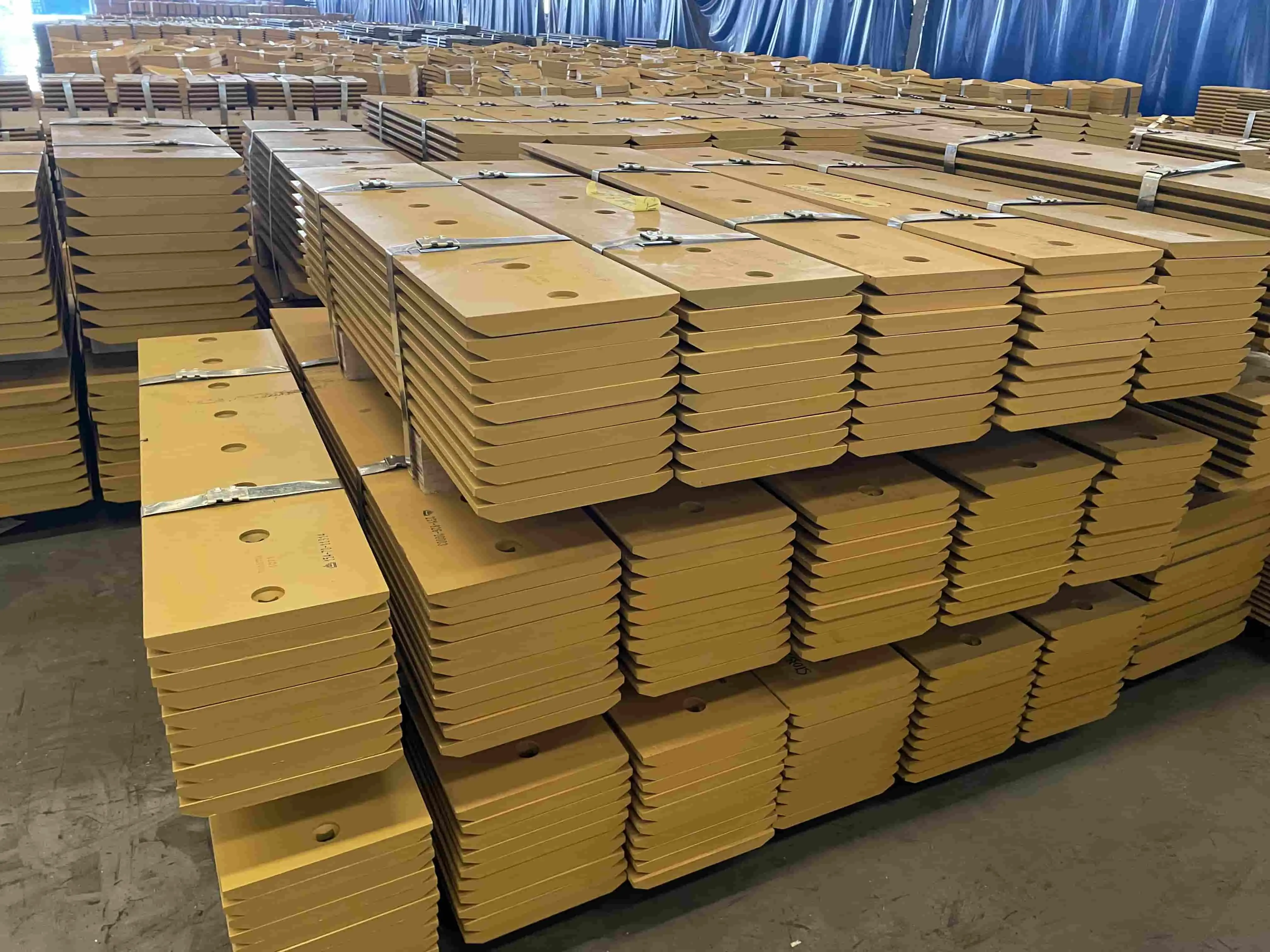
The competitive landscape for Dozer Edge-Cutting 171-82-00003 products encompasses various manufacturers offering different approaches to steel grade selection and heat treatment processes. Understanding these differences enables informed procurement decisions based on specific operational requirements and budget constraints.
Quality and Durability Benchmarking
Prominent manufacturers usually use comparable raw materials, but they set themselves apart via precise production, quality control, and heat treatment techniques. Performance differences between premium and standard goods are 20–30%, according to comparative testing. These differences are mostly attributable to uniformity in heat treatment and material composition management. Testing records and quality certificates provide important information about the capabilities of manufacturers and the dependability of their products. While material test certifications confirm adherence to predetermined chemical composition and mechanical qualities, ISO 9001 certification guarantees consistent production processes.
Performance Data and Case Studies
The real-world advantages of premium steel grades are shown by performance data from mining and building activities. High-quality cutting blades remain effective 40–60% longer than ordinary alternatives in similar applications, according to case studies from large infrastructure projects. Premium cutting edges show more predictable wear patterns, allowing for improved inventory management and maintenance planning, according to performance monitoring data from fleet operators. Emergency replacement scenarios and the related premium expenses for rapid supply and installation are decreased by this predictability.
User Reviews and Industry Feedback
Global markets' customer feedback continuously highlights how crucial dependable performance and consistent quality are for cutting-edge goods. Particularly in high-productivity applications where equipment availability directly affects project profitability, users place a higher value on life and consistent performance than on early cost reductions. According to industry studies, when productivity needs are crucial, 75% of equipment operators choose reputable providers with a track record of success over less expensive options. The hidden costs of early failure and unplanned downtime in demanding applications are reflected in this choice.
Procurement Considerations for Dozer Edge-Cutting 171-82-00003
Effective procurement strategies for cutting edge components require understanding of supply chain dynamics, quality verification procedures, and risk mitigation approaches. The global nature of heavy equipment markets demands careful evaluation of supplier capabilities and logistics considerations.
Supply Chain and Quality Verification
Reputable vendors uphold extensive quality control procedures that guarantee constant product performance throughout manufacturing cycles. Before a product is accepted, verification processes should comprise hardness test confirmation, dimensional inspection procedures, and material certification evaluation. When it comes to key wear components, where unforeseen shortages might affect project timelines, supply chain stability becomes more crucial. For continuous supply needs, reputable vendors with strong production capacities and inventory control systems provide more dependability.
Warranty and Support Considerations
Warranty policies provide insurance against early failure and show the manufacturer's confidence in the product's quality. In addition to explicitly outlining coverage restrictions pertaining to application circumstances and maintenance compliance, comprehensive warranties should cover manufacturing faults and material problems. Proper product selection and application assistance are made possible by technical support skills, which are especially crucial when operating circumstances differ from conventional applications. Suppliers with a wealth of application knowledge provide insightful advisory services that maximize product selection for particular operating needs.
Logistics and Inventory Management
Inventory management techniques, customs processes, and shipping logistics must all be carefully considered when engaging in global procurement. Specialty steel goods might have lead periods of eight to twelve weeks, thus planning ahead is necessary to have sufficient inventory levels without incurring excessive carrying costs. In addition to guaranteeing supply security for continuing operations, bulk purchase agreements often provide financial savings. However, volume discounts and supply chain dependability issues must be weighed against obsolescence risks and inventory carrying costs.
Company Introduction and Product Services
With more than ten years of specialized expertise in the manufacturing of Ground Engaging Tools (G.E.T.), Shanghai Sinobl Precision Machinery Co., Ltd. is a prominent producer of heavy equipment wear parts. The firm was founded in July 2011 and has a complete 55,944 square meter manufacturing plant that produces undercarriage components, grader blades, cutting edges, end bits, and ripper shanks for international markets.
Manufacturing Capabilities and Quality Standards
The company maintains substantial production capacity across multiple product categories, ensuring reliable supply for large-scale operations. Manufacturing capabilities include 2,500 tons monthly for Dozer Edge-Cutting 171-82-00003 and end bits, 2,000 tons monthly for curved blades, and 40,000-50,000 pieces monthly for segment groups. This production scale enables competitive pricing while maintaining consistent quality standards.
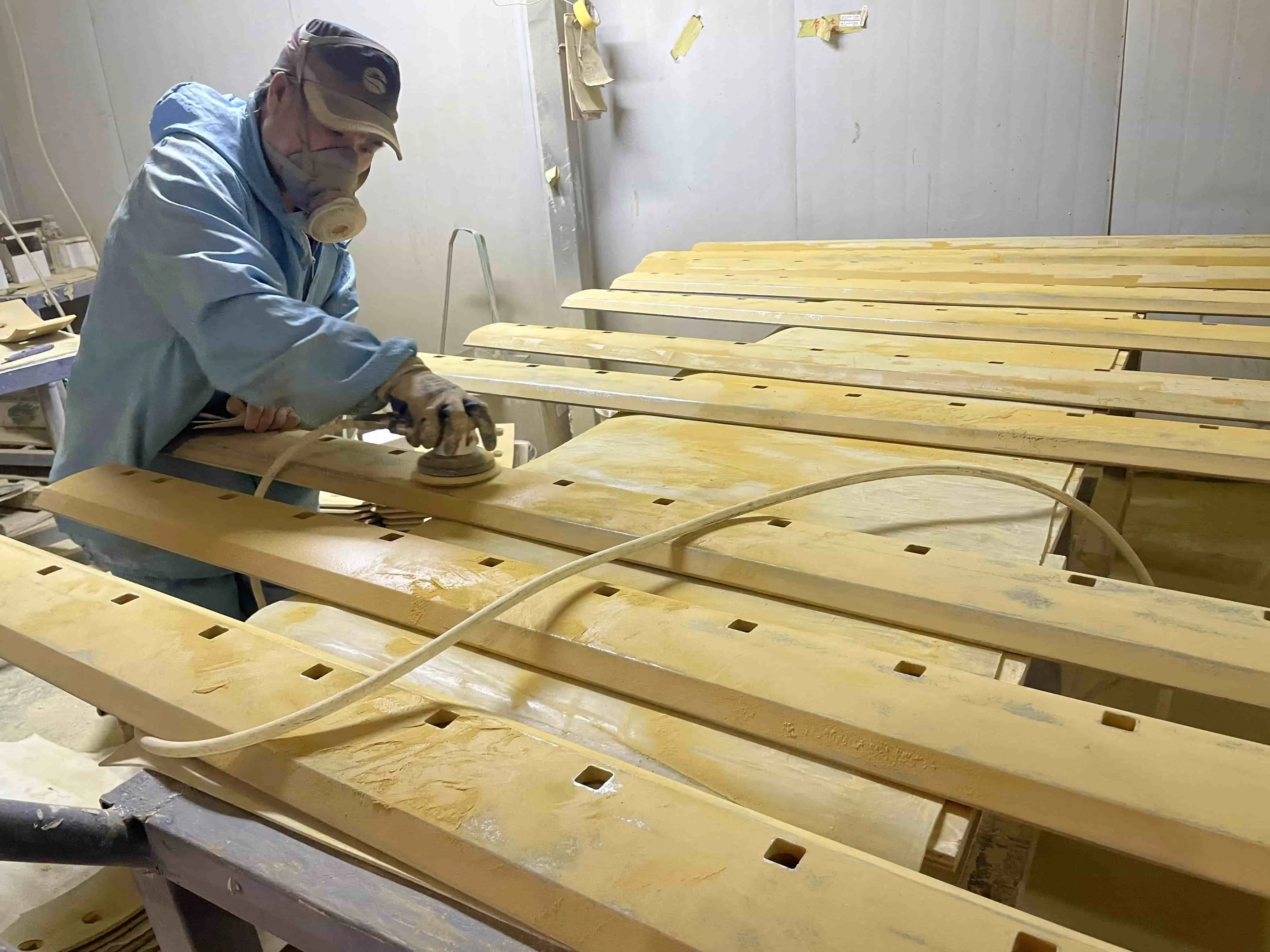
Quality control procedures encompass material verification, heat treatment monitoring, and dimensional inspection protocols that ensure compliance with industry standards. Advanced forging processes deliver superior strength and wear resistance characteristics optimized for heavy-duty applications across diverse operating environments.
Customization and OEM Services
Flexible OEM and ODM services accommodate specific customer requirements including dimensional modifications, material specifications, and branding customization. The engineering team collaborates with clients to develop optimized solutions for unique applications while maintaining compatibility with existing equipment configurations.
Customization capabilities extend beyond dimensional modifications to include specialized heat treatment protocols and alloy compositions tailored for specific operating conditions. This flexibility enables optimal performance in challenging applications while supporting customer differentiation strategies in competitive markets.
Technical Support and Customer Service
Comprehensive customer support services include application consultation, maintenance guidance, and replacement planning assistance. The technical team provides expertise in product selection based on operational requirements and environmental conditions, ensuring optimal performance and cost-effectiveness.
Post-sale support encompasses warranty administration, performance monitoring assistance, and continuous improvement feedback collection. This ongoing relationship approach builds long-term partnerships while supporting customer success through optimized product performance and reduced operational costs.
Conclusion
Steel grade selection for Dozer Edge-Cutting 171-82-00003 requires careful evaluation of multiple factors including hardness requirements, impact resistance, cost considerations, and operational environment characteristics. High-carbon and alloy steels provide optimal performance through proper heat treatment and quality manufacturing processes. The investment in premium steel grades typically delivers superior total cost performance through extended service life and reduced maintenance requirements. Successful procurement strategies emphasize supplier reliability, quality verification, and comprehensive support services that ensure consistent product performance throughout the equipment lifecycle.
FAQ
Which steel grades offer the best balance of durability and cost for cutting edges?
High-carbon steels with 0.6-0.8% carbon content provide excellent balance between wear resistance and cost-effectiveness. These materials achieve hardness levels of 400-450 HB while maintaining adequate toughness for impact resistance. Proper heat treatment optimization enables 40-60% longer service life compared to standard carbon steels, justifying the modest price premium through reduced replacement frequency and lower total ownership costs.
How often should cutting edges be replaced based on different steel grades?
Replacement intervals vary significantly based on steel grade quality and operating conditions. Premium high-carbon steel cutting edges typically require replacement every 800-1,200 operating hours in standard applications, while standard grades may need replacement every 400-600 hours. Abrasive conditions or high-impact applications can reduce these intervals by 30-50%, making steel grade selection even more critical for cost optimization.
Can steel grades be customized for specific dozer models or operating conditions?
Modern manufacturing capabilities enable extensive customization of steel grades and heat treatment processes to match specific operational requirements. Customization options include adjusted carbon content, specialized alloy additions, and tailored heat treatment protocols that optimize performance for unique applications. Lead times for customized specifications typically range from 6-10 weeks depending on complexity and quantity requirements.
Partner with SINOBL for Premium Dozer Edge-Cutting Solutions
SINOBL delivers exceptional Dozer Edge-Cutting 171-82-00003 solutions engineered from premium steel grades that maximize operational performance and minimize total ownership costs. Our advanced manufacturing capabilities ensure consistent quality and reliable supply for demanding applications worldwide. As a trusted manufacturer with over 3,000 tons of inventory available for quick dispatch, we provide comprehensive support from initial consultation through ongoing maintenance guidance. Contact our technical team at nancy@sunmach.com.cn to discuss your specific requirements and discover how our cutting-edge solutions can optimize your equipment performance while reducing operational costs.
References
1. American Society for Testing and Materials. "Standard Specification for Steel Castings, Heavy-Walled for Steam Turbines." ASTM International Standards Manual, 2023.
2. Heavy Equipment Manufacturers Association. "Ground Engaging Tools: Performance Standards and Testing Protocols." Industrial Machinery Review, Volume 45, 2023.
3. Johnson, Robert M. and Patricia Chang. "Metallurgical Considerations in Heavy Equipment Wear Parts." Journal of Construction Equipment Technology, Issue 3, 2023.
4. International Organization for Standardization. "Earth-moving Machinery: Ground Engaging Tools and Cutting Edge Specifications." ISO Technical Publication 23674, 2023.
5. Materials Engineering Society. "Heat Treatment Optimization for Heavy Duty Cutting Edge Applications." Advanced Materials Processing Quarterly, Spring 2023.
6. Thompson, David L. "Cost-Benefit Analysis of Premium Steel Grades in Construction Equipment." Equipment Management Journal, Volume 28, Number 4, 2023.