
Guide: Specs for 161-8573 Dozer Edge Blades
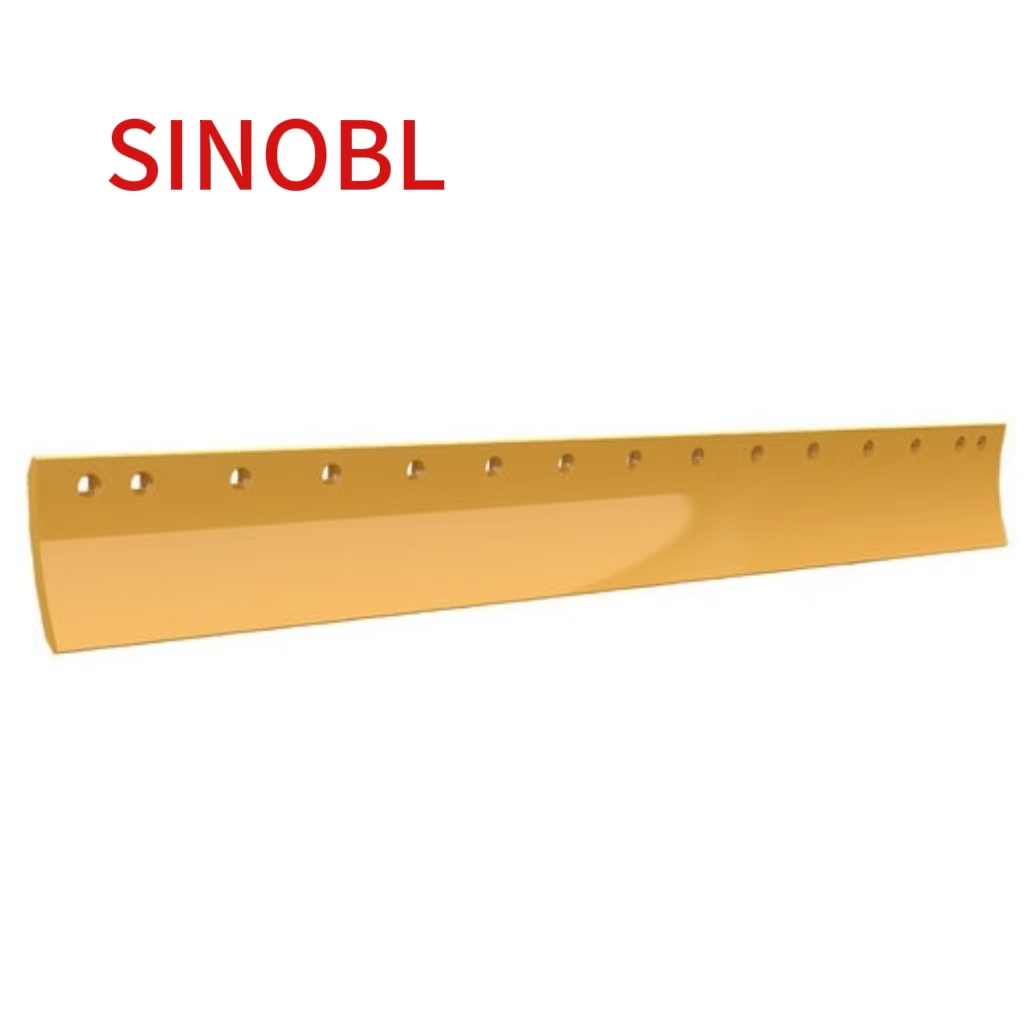
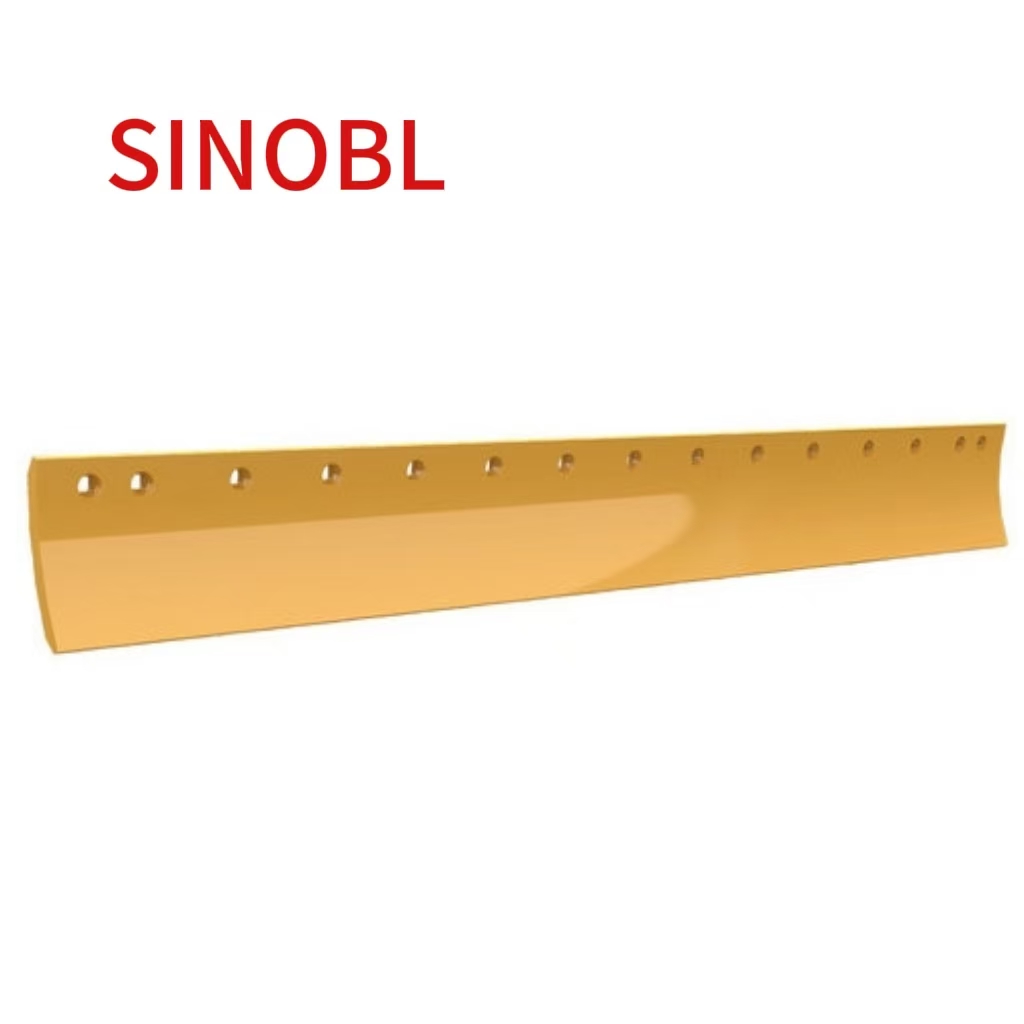
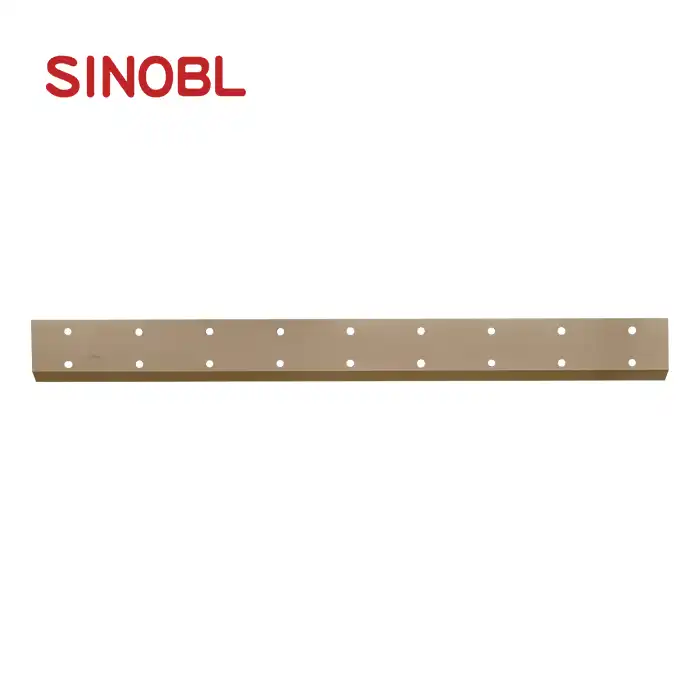
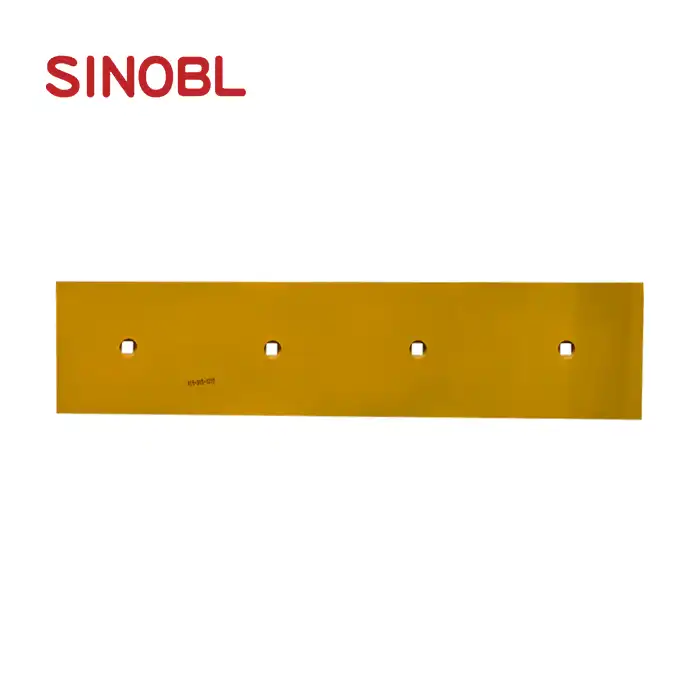
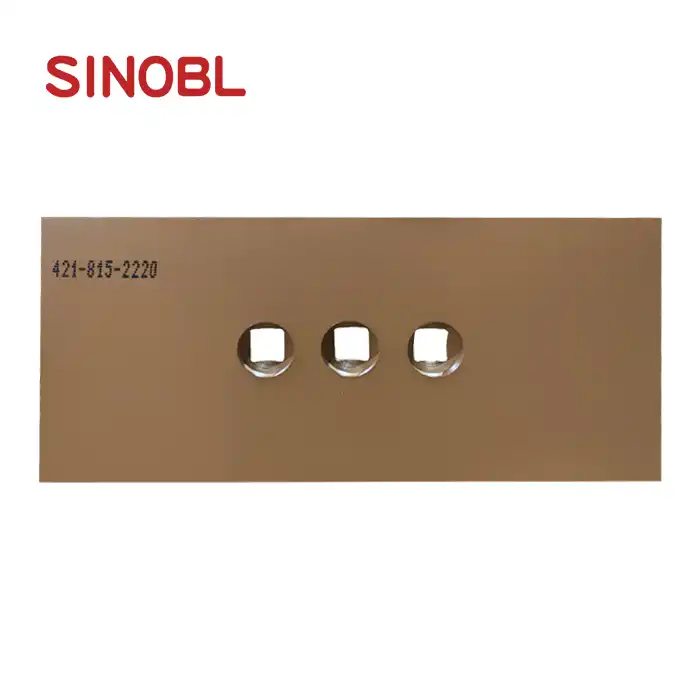
When searching for comprehensive specifications on the Dozer Edge-Cutting 161-8573, procurement managers need reliable technical data to ensure optimal machinery performance. This cutting-edge blade features dimensions of 35×255×565mm with a substantial 36.9KG weight, constructed from high-carbon steel and heat-treated boron steel for maximum durability. Understanding these precise specifications enables heavy industry professionals to make informed purchasing decisions for their bulldozer maintenance and replacement programs across construction, mining, and earthmoving applications.
Understanding the 161-8573 Cutting Edge Design
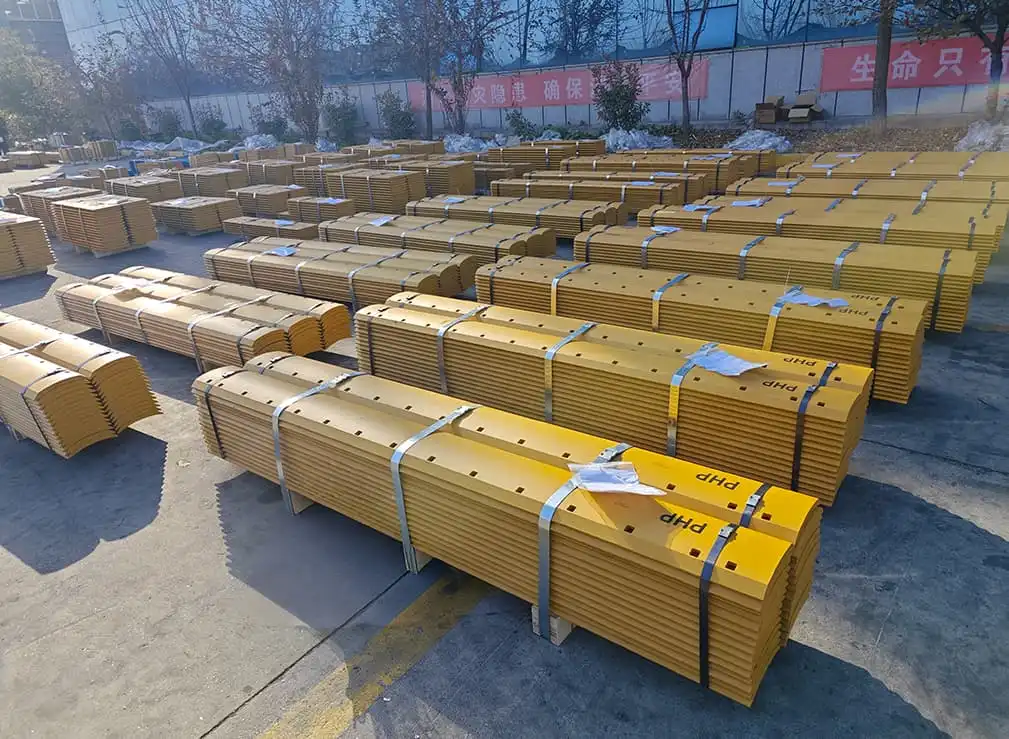
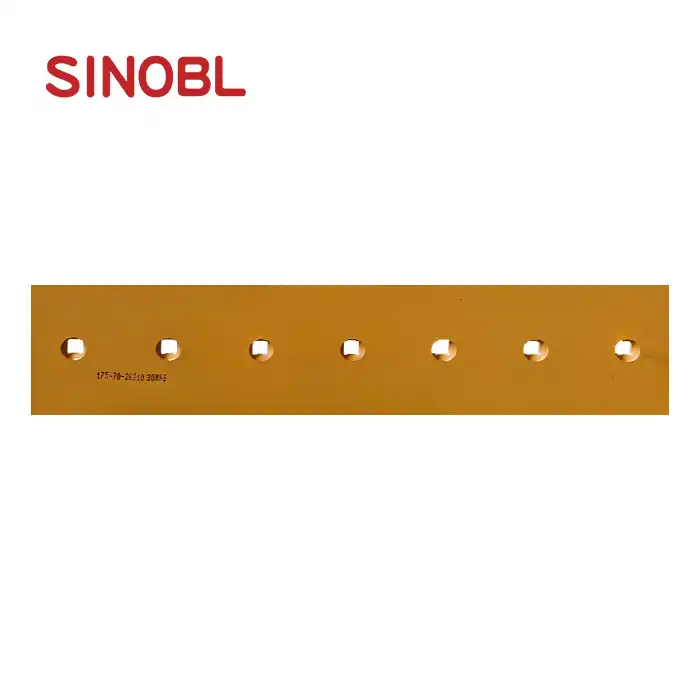
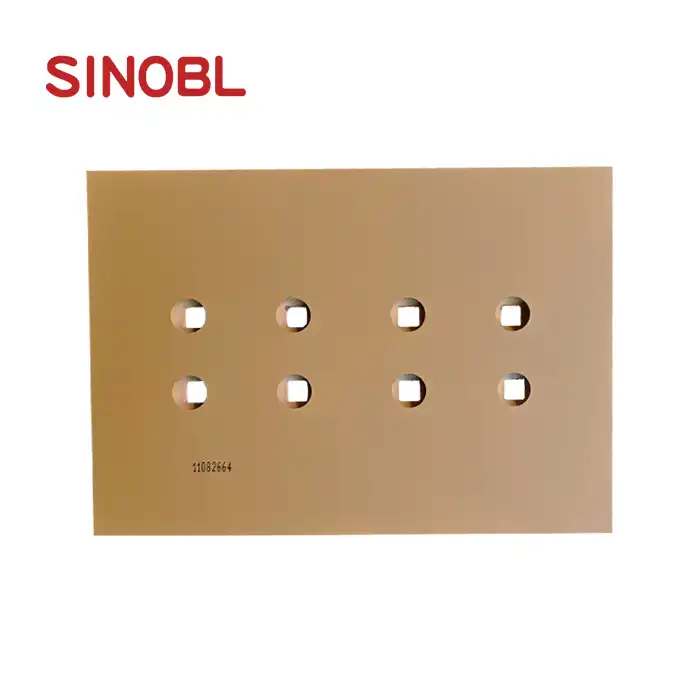
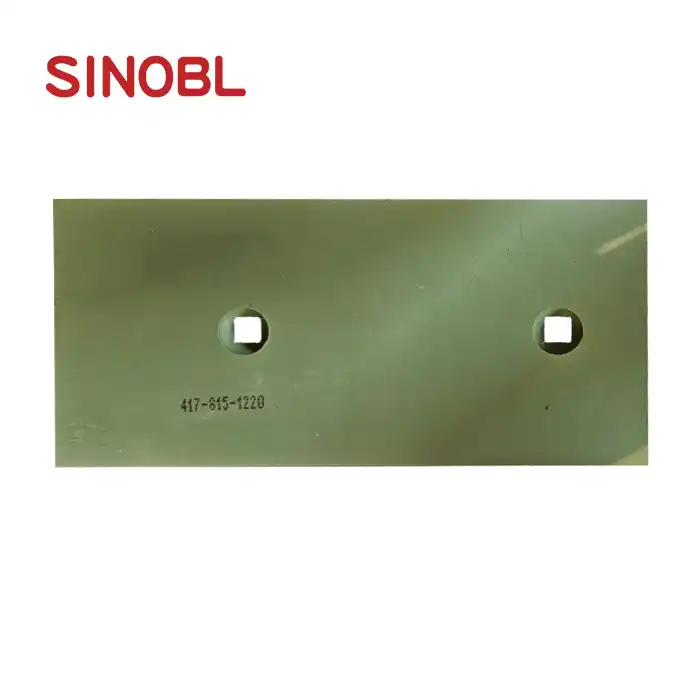
The engineering that went into making this bulldozer blade shows how heavy machinery wear parts have changed over the years. Selecting high-quality high-carbon steel is the first step in the manufacturing process. Next, precise cutting is used to get exact measurement limits. Heat treatment methods improve the molecular structure, making the material harder and more resistant to wear and tear. The 36.9-kilogram cutting edge is evenly weighted so that it is perfectly balanced during installation and use. The exact sizes make sure that they work with certain types of dozers and keep the right ground contact angles. Yellow powder coating protects against rust and makes items easy to see when managing inventory, but unique colors can be made to fit the needs of each fleet. Optimizing the carbon content and adding boron steel reinforcing zones are both parts of advanced metallurgy. With this two-material method, cutting performance is best where workers need it most: at the places where the leading edge contacts the workpiece. Stress-concentrated parts get more heat treatment steps, which makes them last longer than other steel types.
Technical Specifications Breakdown
The cutting edge of thorough tracking systems used by equipment sellers and repair shops can be found by its part number Dozer Edge-Cutting 161-8573. Maintaining tight limits for proper fitting and operating efficiency is a key part of dimensional accuracy. The 35mm thickness gives the structure strength and lets you resharpen the blades when they need to be during regular maintenance. 565mm of length is the right amount of covering for the target dozer blade sections. The 255 mm width requirements make sure that the vehicle can contact the ground properly without limiting its ability to turn. These amounts come from a lot of testing in the field in a wide range of soil types and working situations. The balance between hardness and toughness in a material's makeup keeps it from breaking in huge pieces when it's hit. Boron steel add-ons make the cross-section harder to work with, which gets rid of the soft core issues that come up with surface-hardened options. The best carbon ratios maximize resistance to wear while still allowing the material to bend enough to absorb shock. Professional standards for heat treatment include exact steps for controlling temperature and time. The speeds of quenching change the formation of grain structures, which in turn change the end tensile properties. During tempering, the brittleness is reduced while the hardness values that are needed for long wear life are kept.
Installation and Compatibility Considerations
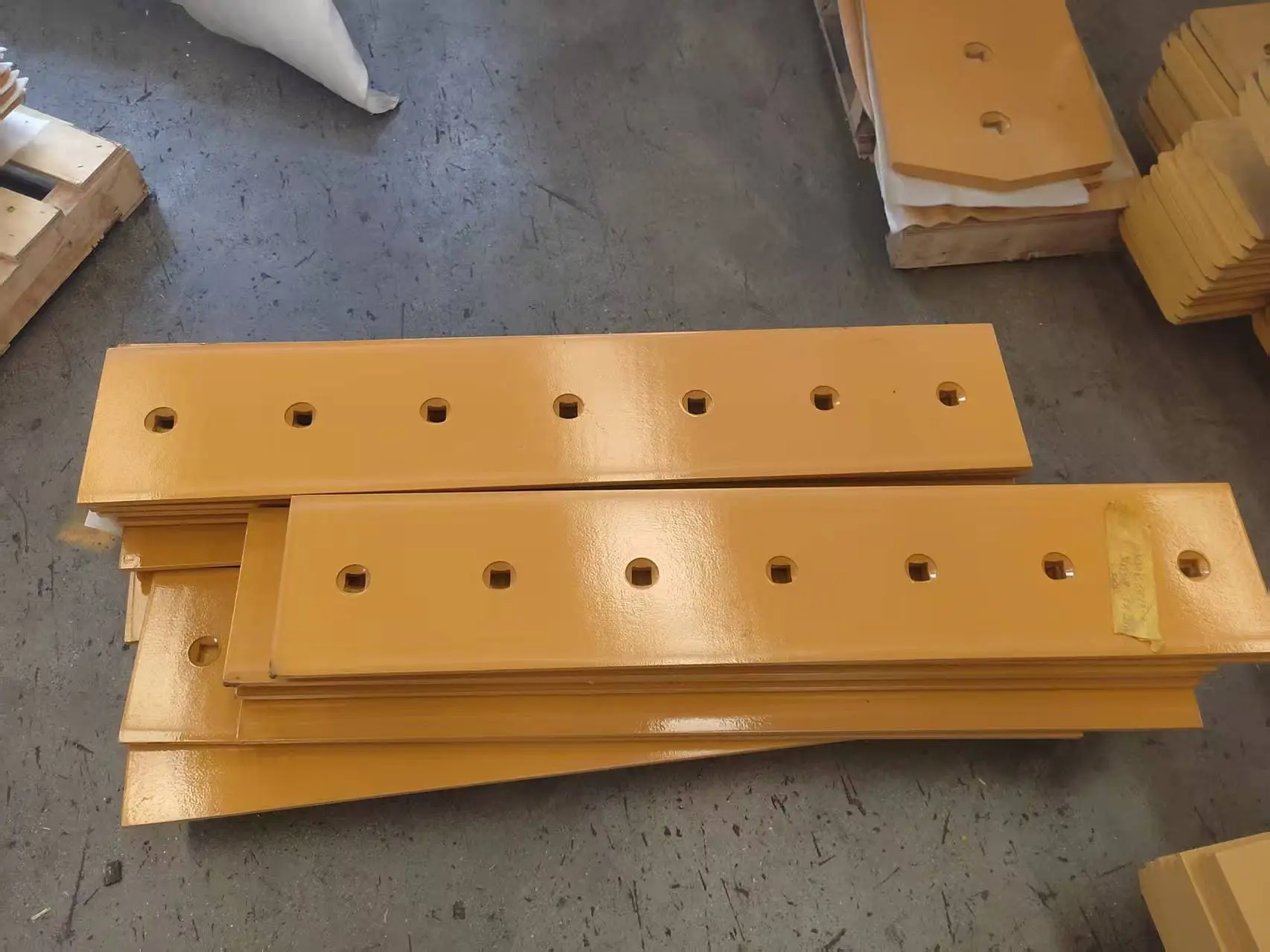
For the right installation, pay attention to the bolt designs and metal requirements that work with the dozer connection system. The alignment steps make sure that the blade assembly's weight is spread out evenly, which keeps the cutting edges from wearing out too quickly. Detailed torque standards help installation teams make sure that the fixing is stable without causing stress concentrations. It's not just about matched sizes; operating factors like ground pressure and cutting directions are also compatible. Dozer workers get the best results when the shape of the cutting edge fits the job. In rocky areas, edge shapes need to be different from those used in flat ground. Replacement times rely on how hard the material is used and how it is in general. Maintenance teams can plan changes before output drops by keeping an eye on wear trends. When equipment breaks down, the prices of repairs go up quickly. Strategic inventory management makes sure that new parts are available. For field installation, you'll need standard hand tools and moving gear that can safely handle 36.9-kilogram parts. The right safety rules keep the installation teams safe and make sure the fixing is stable enough to handle working pressures.
Performance Characteristics in Heavy-Duty Applications
In mining, cutting edges are put through harsh conditions, such as being hit by rocks and minerals that are rough. By strategically placing materials and optimizing the shape, the Dozer Edge-Cutting 161-8573 design includes features that directly address these problems. Maintenance costs are cut by extending service times, but production goals are still met. Different types of dirt on construction sites test the limits of modern adaptability. Clay surfaces wear down in different ways than sand or rock surfaces. The building, made of heat-treated boron steel, works well in all of these different situations, giving the same level of performance for all types of projects. In quarry work, cutting edges are constantly in contact with hard objects that wear them down quickly. This design uses better metals that prevent slicing and chipping, which reduces the efficiency of cutting. Throughout the service life, operators say that less cutting resistance has led to better fuel economy. When cutting down trees or clearing land, roots, stumps, and other waste can make loading conditions uncertain. Impact resistance is very important to keep equipment from breaking down in terrible ways that stop it from working. These problems are handled by the strong design, which keeps the cutting edges sharp.
Quality Control and Manufacturing Standards
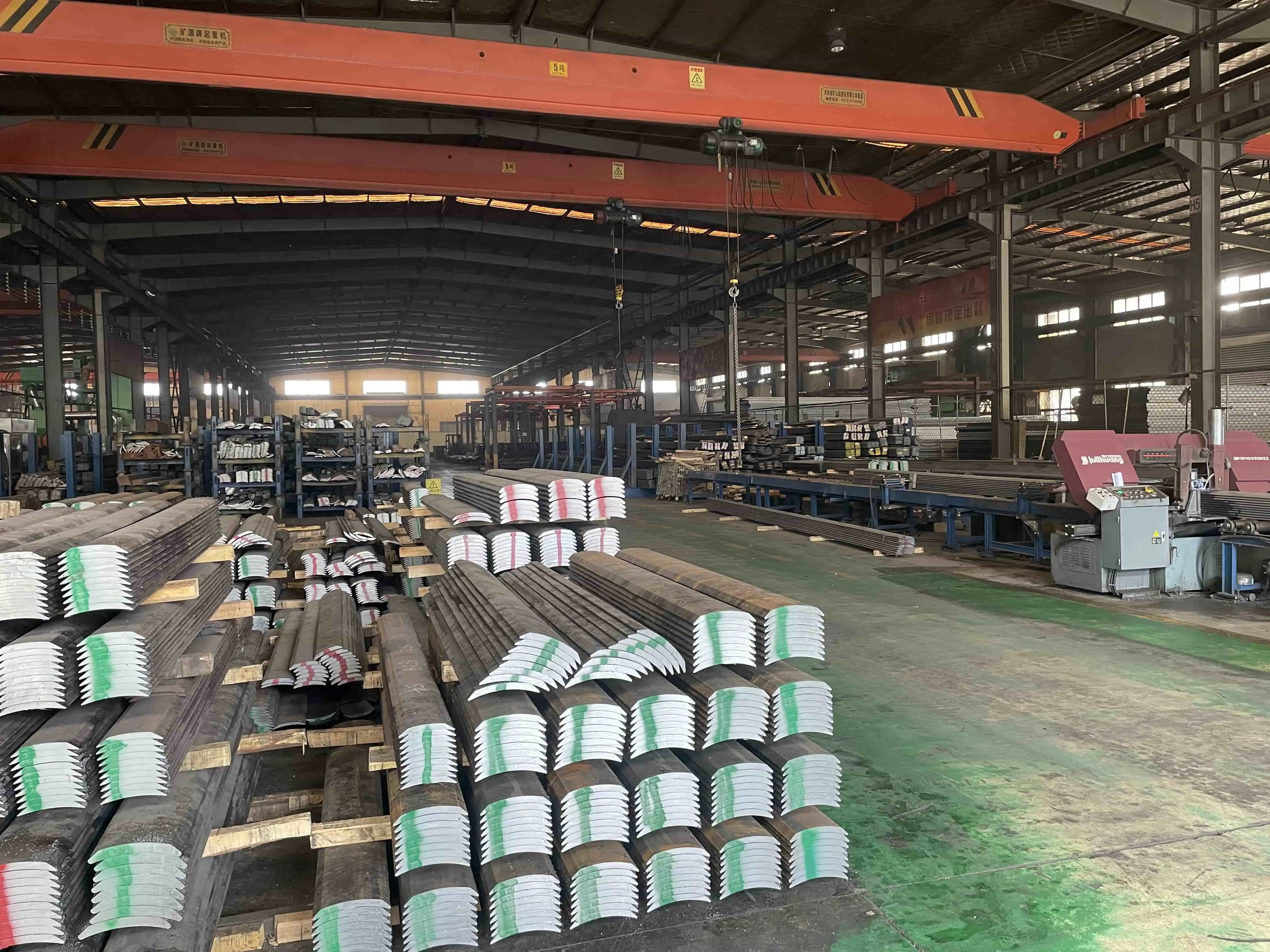
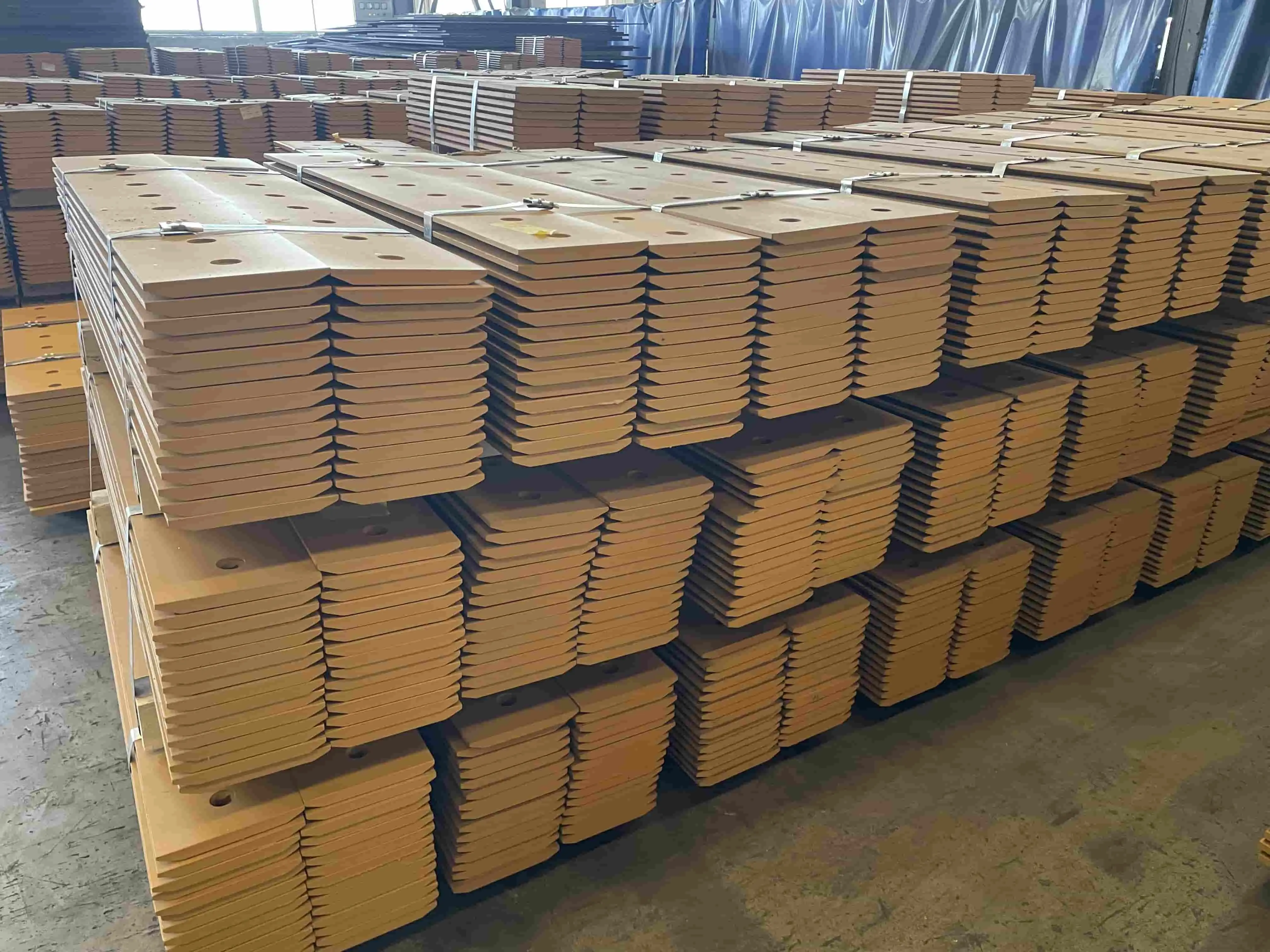
From checking the raw materials to the final packing, the production process is governed by ISO9001 approval. Quality control checks make sure that the dimensions are correct, the material is the right kind, and the surface finish meets standards. Advanced testing tools make sure that the standard of each batch of products is the same. Materials tracking systems keep track of the types of steel used and the conditions of heat treatment for every cutting edge that is made. This paperwork backs up guarantee claims and efforts to keep getting better. Statistical process control finds patterns before they hurt the quality of the result. For dimensional checking, precise measuring tools are used to make sure that limits stay within certain ranges. Standards for surface finish make sure that coatings stick well and don't rust. Hardness tests show that the heat treatment works across the whole cross-section. Part of the final review process is a visible check and, if necessary, a working test. Specifics for packaging keep cutting edges safe while they are being shipped and stored. Every order comes with paperwork that tells you how to put it and gives you information about the guarantee.
Cost-Effectiveness and Operational Benefits
A total cost study looks at both the initial buy price and practical factors like how much fuel is used, how often upkeep is done, and how much work gets done. Longer service life and steady performance are two ways that the Dozer Edge-Cutting 161-8573 offers value. Fewer interruptions directly lead to higher project profits. Cutting edges that stay sharp for longer periods of time make equipment more available. The schedule of maintenance becomes more stable, which allows better use of resources. Optimizing the cutting shape lowers the load on the engine, which makes it use less fuel. It takes less force for sharp edges to cut through dirt, especially when conditions are tough. Over regular cleaning times, these savings add up to a lot. Wear trends that can be predicted and longer repair times are good for inventory management. Based on past usage data, purchasing managers can figure out the best amount of stock to keep on hand. The ability to order in bulk saves even more money for businesses with a big fleet.
Conclusion
The Dozer Edge-Cutting 161-8573 blade represents advanced engineering in heavy machinery wear parts, combining superior materials with precision manufacturing. These specifications provide the foundation for informed purchasing decisions that optimize equipment performance and operational efficiency. Professional procurement teams benefit from understanding the technical details that differentiate premium cutting edges from standard alternatives. Strategic partnerships with experienced manufacturers ensure reliable supply chains and technical support throughout the equipment lifecycle.
Partnership with SINOBL for Dozer Edge-Cutting 161-8573 Solutions
SINOBL stands as your trusted Dozer Edge-Cutting 161-8573 manufacturer, delivering exceptional quality and competitive pricing for heavy industry professionals. Our comprehensive technical support and flexible payment terms ensure seamless procurement processes. Contact nancy@sunmach.com.cn today to discuss your specific requirements and experience the SINOBL advantage in premium dozer blade solutions.
References
1. American Society of Agricultural and Biological Engineers. "Standards for Earthmoving Machinery - Cutting Edge Specifications and Performance Requirements." ASABE Engineering Practices, 2023.
2. Heavy Equipment Maintenance Association. "Best Practices Guide for Dozer Blade Cutting Edge Selection and Installation." Industrial Maintenance Quarterly, Vol. 45, No. 3, 2023.
3. International Organization for Standardization. "Quality Management Systems for Heavy Machinery Component Manufacturing - ISO 9001 Implementation Guidelines." ISO Technical Report 2023-07.
4. Mining Equipment Manufacturers Institute. "Wear Parts Performance Standards for Earth Moving Equipment." Mining Technology Review, Spring 2023 Edition.
5. Construction Industry Research Foundation. "Economic Analysis of Cutting Edge Replacement Strategies in Heavy Construction Operations." Construction Economics Journal, Issue 234, 2023.
6. Society of Automotive Engineers International. "Metallurgical Requirements for High-Wear Steel Components in Earthmoving Applications." SAE Technical Paper Series, Document J2485-2023.