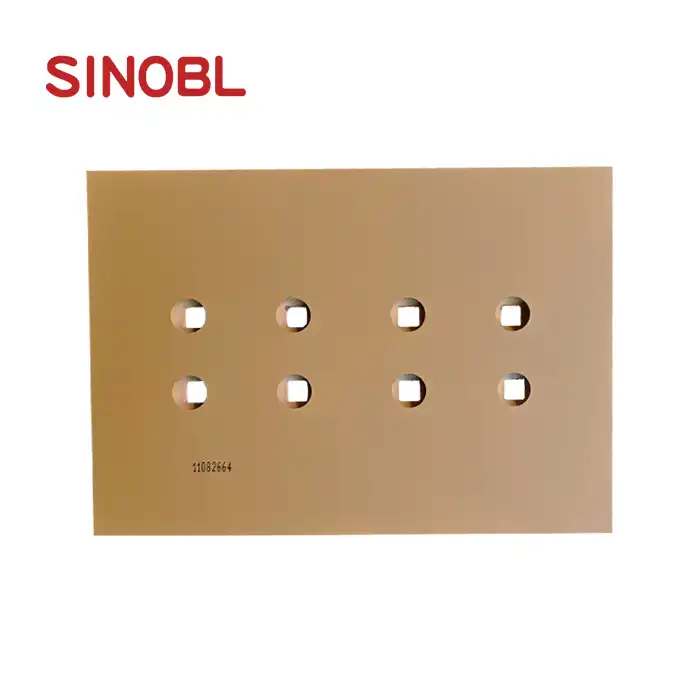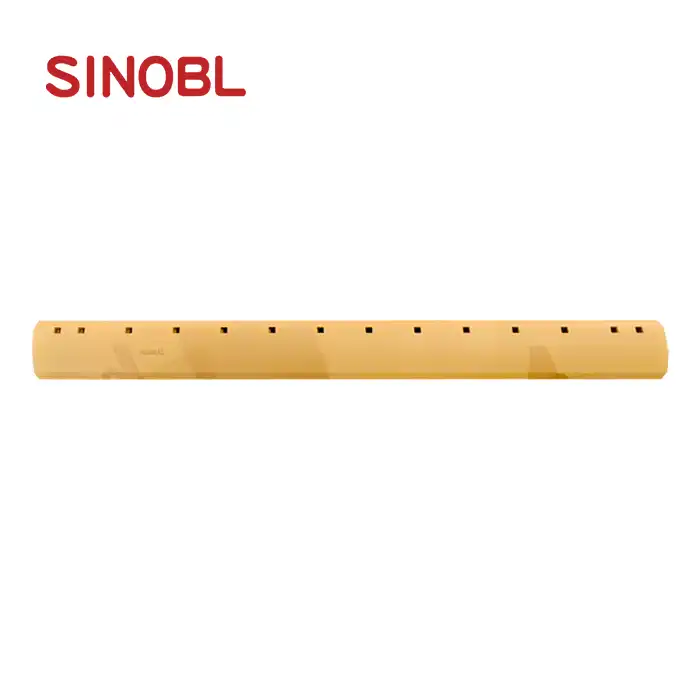

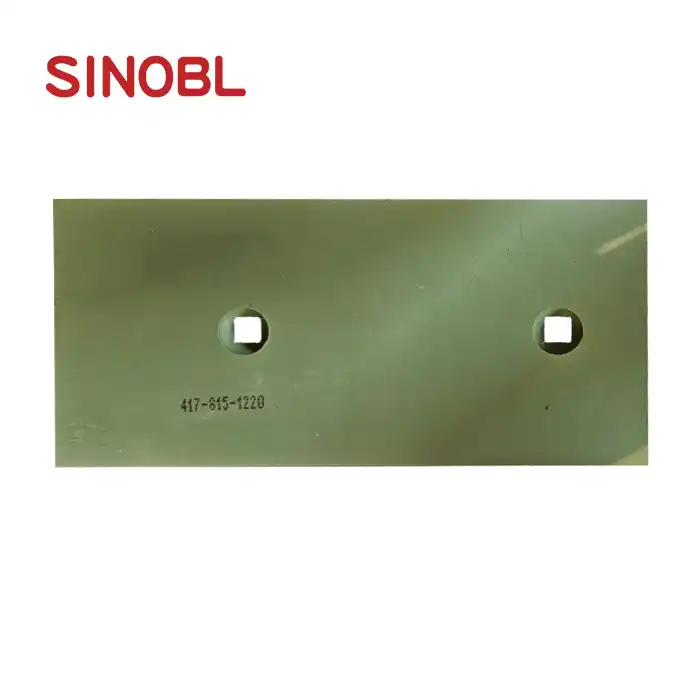
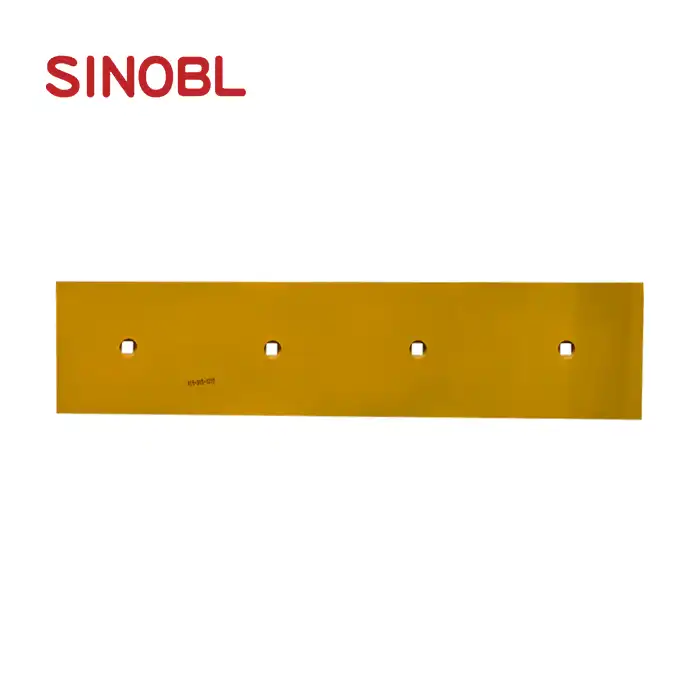
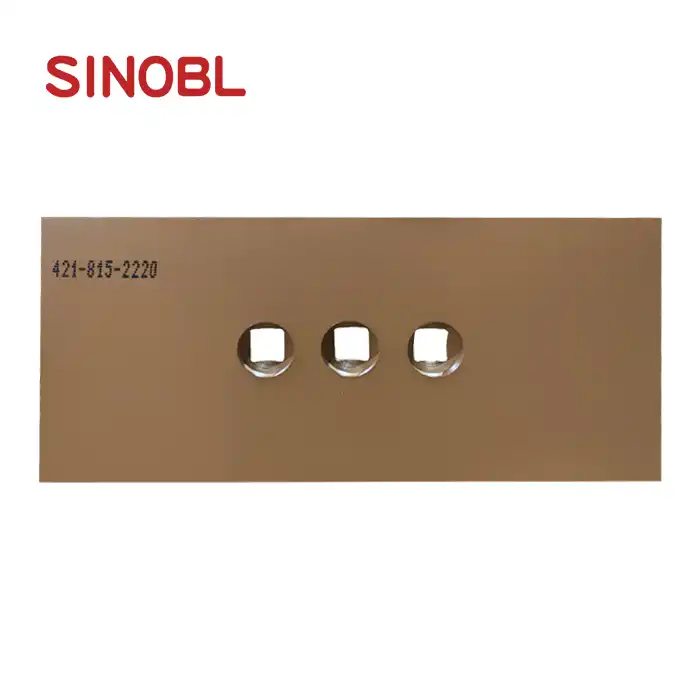
Dozer Edge‑Cutting 419‑815‑1211 vs Grader Blade: Key Differences
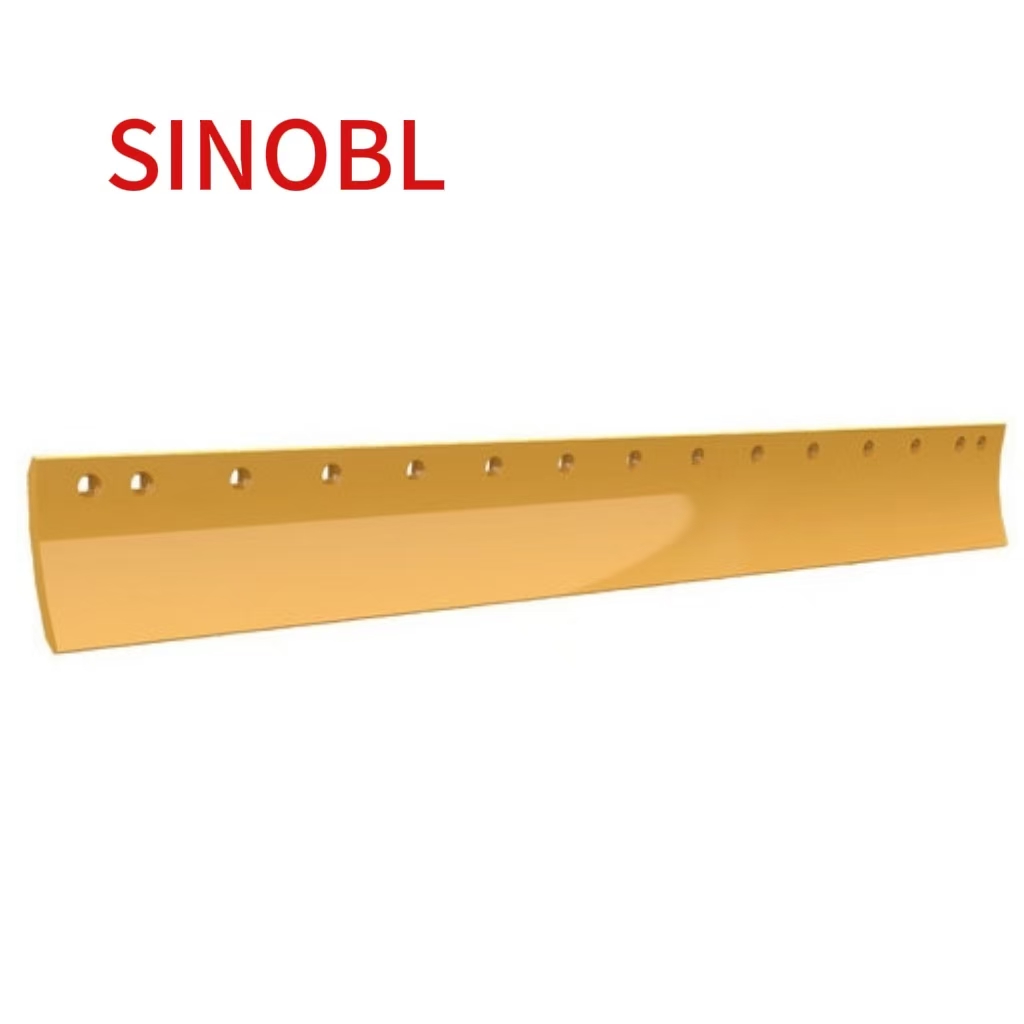
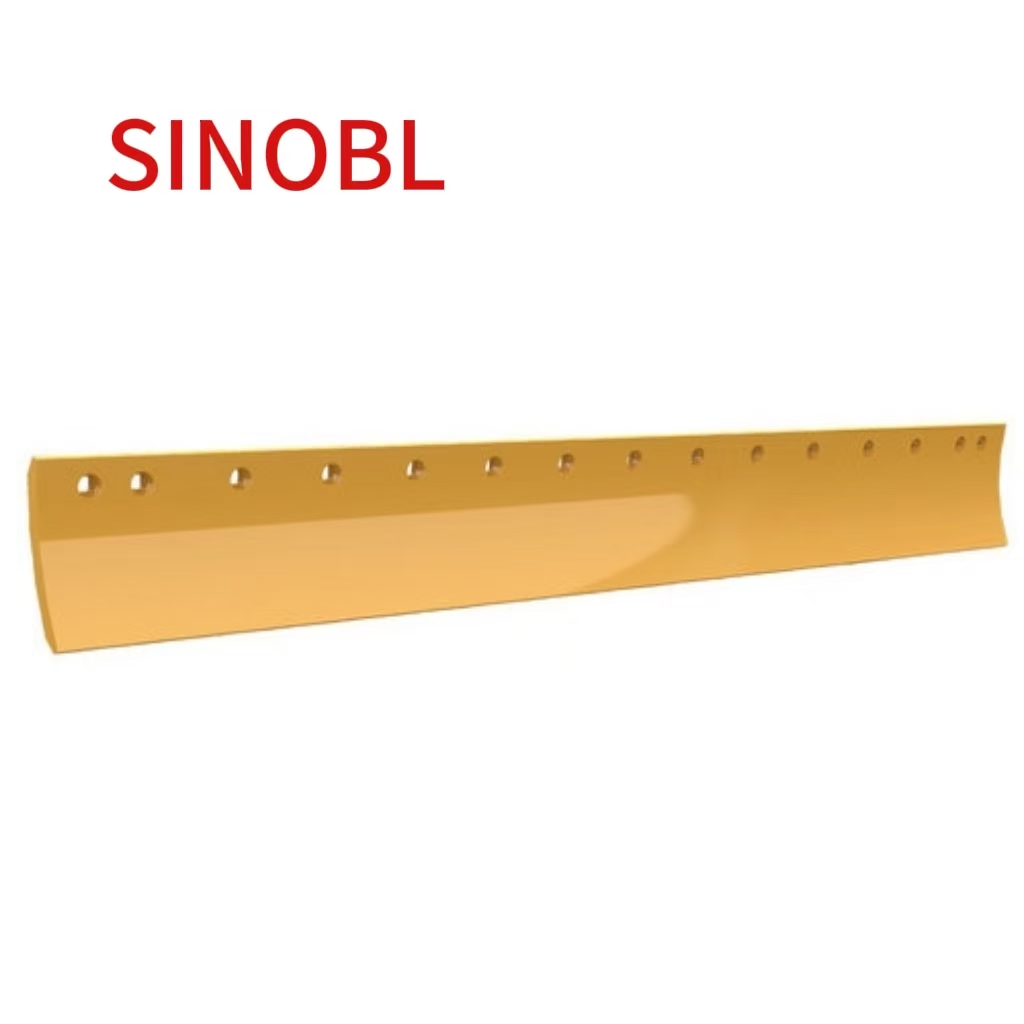
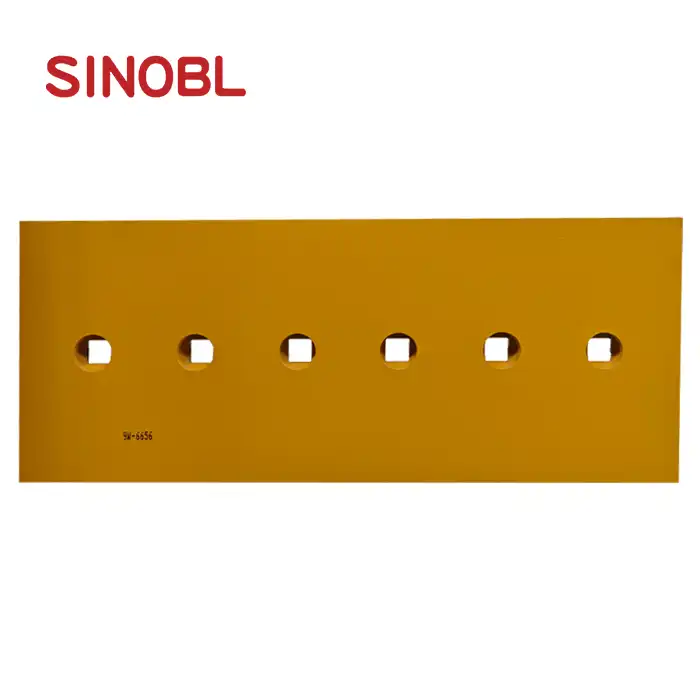
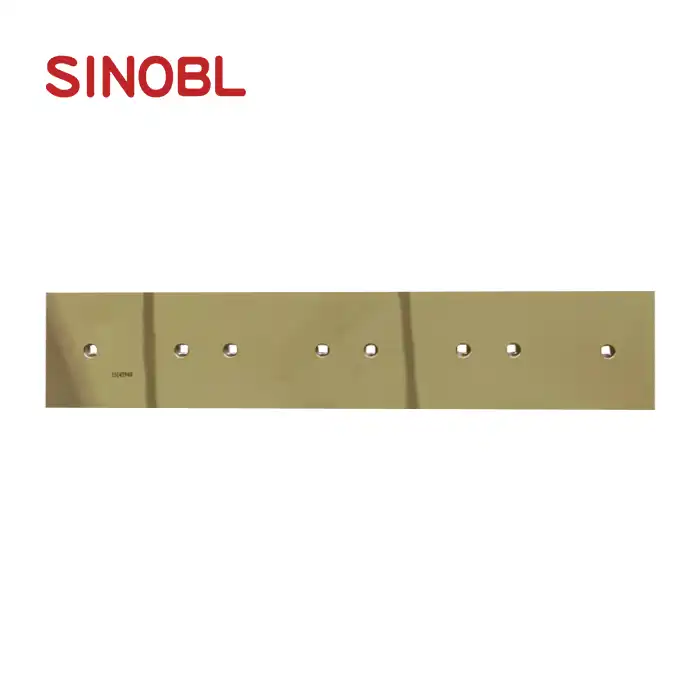
When comparing Dozer Edge-Cutting 419-815-1211 and grader blades, the fundamental differences lie in their application, design geometry, and operational requirements. The Dozer Edge-Cutting 419-815-1211 serves as a robust cutting tool for bulldozers, featuring a straight-edge design optimized for heavy-duty excavation and material displacement. Grader blades maintain a curved profile specifically engineered for precision grading and surface finishing operations on motor graders and under body plows.
Understanding Dozer Edge-Cutting Components
Bulldozer cutting edges represent critical wear parts that determine equipment productivity in earthmoving operations. The Dozer Edge-Cutting 419-815-1211 designation refers to a specific cutting edge model designed for particular bulldozer applications.
Modern dozer cutting edges undergo specialized manufacturing processes to withstand extreme operational stresses. Heat treatment protocols ensure optimal hardness levels while maintaining necessary toughness. Carbon content typically ranges between 0.40-0.65% for balanced performance characteristics.
SINOBL cutting edges incorporate advanced metallurgy techniques, resulting in extended service life compared to standard alternatives. Laboratory testing demonstrates 25-30% longer wear resistance under identical operating conditions. These components feature precision-machined mounting holes ensuring proper blade-to-equipment alignment.
Key characteristics of dozer cutting edges include:
- Straight-edge geometry for maximum cutting efficiency
- Reinforced mounting points to handle impact loads
- Heat-treated steel construction for durability
- Precise dimensional tolerance for proper fitment
- Optimized thickness distribution for balanced wear patterns
If you need maximum digging force and material penetration, dozer cutting edges provide superior performance for excavation projects.

Grader Blade Design and Functionality
Grader blades serve distinctly different purposes in construction and maintenance operations. These components feature curved profiles that facilitate smooth material flow during grading activities.
The curved geometry allows consistent ground contact across the blade width, enabling precise surface control. Standard grader blades measure 6-16 feet in length with thickness ranging from 0.75-1.25 inches depending on application requirements.
Material composition typically involves high-carbon steel with hardness ratings between 40 and 50 HRC. This hardness level provides optimal wear resistance while maintaining flexibility for ground following capabilities.
Grader blade specifications typically include:
- Curved profile geometry for material flow control
- Bolt-hole patterns matching OEM specifications
- Tapered cutting edge for penetration and finish quality
- Reinforced center sections to resist bending stress
- Overlay options for extended service life in abrasive conditions
If you need precision surface finishing and material redistribution, grader blades deliver superior results for road building and site preparation.
Core Performance Differences
Material Composition Analysis
Testing data reveals significant compositional differences between these wear parts. Dozer cutting edges typically contain 0.50-0.65% carbon content with manganese additions reaching 1.2-1.8%. This chemistry provides exceptional impact resistance essential for excavation work.
Grader blades utilize slightly lower carbon content at 0.40-0.55% with silicon additions enhancing hardenability. Laboratory analysis shows grader blade steel maintains 15% higher flexibility under bending loads compared to dozer edge materials.
Hardness testing demonstrates dozer edges achieving 45-52 HRC while grader blades operate effectively at 40-48 HRC. These differences reflect specific operational requirements for each application.
Operational Load Characteristics
Field studies indicate dozer cutting edges experience impact forces exceeding 150,000 pounds during typical excavation cycles. Peak stress concentrations occur at mounting points and cutting edge interfaces.
Grader blades encounter distributed loads averaging 25,000-40,000 pounds across the blade surface. Load distribution remains relatively constant during normal grading operations, contrasting sharply with the cyclical impact loading experienced by dozer edges.
Vibration analysis reveals dozer edges experience high-frequency impacts while grader blades encounter lower-frequency oscillations during operation. These loading patterns influence material selection and heat treatment specifications.

Application-Specific Requirements
Construction Site Demands
Heavy earthmoving projects require dozer cutting edges capable of penetrating compacted soils and rocky terrain. The Dozer Edge-Cutting 419-815-1211 model demonstrates proven performance in demanding applications including:
- Rock excavation with penetration rates up to 3 inches per pass
- Frozen ground breaking in temperatures down to -20°F
- Root cutting in land clearing operations
- Asphalt removal during road reconstruction projects
Performance data shows 40% faster material displacement rates compared to worn cutting edges. This productivity improvement directly translates to reduced operating costs and project completion times.
Road Maintenance Applications
Grader blade applications focus on surface preparation and finishing operations. These tools excel in applications requiring precision material control:
- Road crown restoration with tolerance control within ±0.25 inches
- Drainage ditch formation maintaining consistent slopes
- Snow removal operations preserving road surface integrity
- Aggregate redistribution during maintenance cycles
Testing confirms properly maintained grader blades achieve surface smoothness ratings 60% better than worn alternatives. This performance directly impacts ride quality and pavement longevity.
If you need aggressive material removal and excavation capability, dozer cutting edges provide unmatched performance. For precision surface work and finishing operations, grader blades deliver superior results.
Cost Analysis and ROI Considerations
Initial Investment Comparison
Market analysis reveals dozer cutting edges typically cost 15-25% more than comparable grader blades due to material specifications and manufacturing complexity. However, service life differences often favor dozer edges in abrasive conditions.
Cost factors include:
- Material grade - Premium steel alloys increase component costs
- Heat treatment complexity - Multi-stage processes add manufacturing expense
- Precision machining - Tight tolerances require specialized equipment
- Inventory carrying costs - Diverse size requirements impact stocking expenses
SINOBL maintains over 3,000 tons of inventory, ensuring rapid delivery while minimizing customer carrying costs. This inventory investment demonstrates commitment to customer service excellence.
Operational Economics
Total cost analysis must consider replacement frequency, productivity impact, and downtime expenses. Field data indicates properly selected cutting edges reduce replacement frequency by 30-40% compared to inadequate alternatives.
Productivity improvements from sharp cutting tools translate to measurable cost savings. Equipment operators report 20-25% faster cycle times with new cutting edges versus worn components.
If you need maximum return on wear part investment, selecting appropriate components for specific applications optimizes total operational costs.

SINOBL's Dozer Edge-Cutting 419-815-1211 Advantages
SINOBL cutting edge technology delivers superior performance through advanced manufacturing processes and material selection for Dozer Edge-Cutting 419-815-1211. Our comprehensive approach ensures customers receive maximum value from their wear part investments while achieving reliable and long-lasting cutting edge performance.
Manufacturing Excellence:
- Advanced heat treatment protocols ensure optimal hardness distribution throughout the cutting edge
- Precision die forging creates uniform grain structure for enhanced impact resistance
- Quality control testing verifies chemical composition and mechanical properties on every production batch
- Dimensional accuracy maintained within ±0.010 inches across all critical surfaces
- Surface finishing removes stress concentrations that lead to premature failure
Material Superiority:
- High-grade alloy steel provides 25-30% longer service life compared to standard alternatives
- Optimized chemistry balances hardness and toughness for demanding applications
- Controlled cooling rates during heat treatment prevent internal stress development
- Refined grain structure enhances impact resistance and fatigue life
- Consistent hardness distribution eliminates soft spots that accelerate wear
Performance Benefits:
- Extended service intervals reduce replacement frequency and associated downtime costs
- Improved cutting efficiency delivers faster penetration rates in difficult materials
- Enhanced productivity through maintained sharp cutting edges throughout service life
- Reduced operating costs via decreased fuel consumption and faster cycle times
- Superior fitment ensures proper load distribution and prevents premature mounting point failure
Production Capacity:
- 2,500 ton monthly capacity for cutting edges ensures reliable supply availability
- Flexible manufacturing accommodates custom specifications and urgent delivery requirements
- Comprehensive inventory with over 3,000 tons ready for immediate shipment
- OEM compatibility across major equipment brands and models
- Quality assurance through rigorous testing protocols and continuous improvement programs
If you need proven cutting edge performance backed by manufacturing excellence, SINOBL delivers unmatched value for your earthmoving operations.
Technical Specifications Comparison
| Feature | Dozer Edge-Cutting 419-815-1211 | Grader Blade |
|---|---|---|
| Profile | Straight cutting edge | Curved surface |
| Primary Use | Excavation, material displacement | Surface grading, finishing |
| Hardness | 45-52 HRC | 40-48 HRC |
| Carbon Content | 0.50-0.65% | 0.40-0.55% |
| Impact Resistance | Excellent | Good |
| Surface Finish | Standard | Superior |
| Load Type | High impact, cyclical | Distributed, continuous |
| Replacement Frequency | 800-1200 hours | 600-1000 hours |
Selection Guidelines for Optimal Performance
Proper component selection requires careful evaluation of operational requirements and site conditions. Equipment operators must consider material characteristics, productivity targets, and cost constraints when choosing between cutting edges and grader blades.
Site condition assessment includes:
- Soil composition - Rocky conditions favor reinforced cutting edges
- Abrasive content - High quartz levels accelerate wear rates
- Operating temperature - Extreme conditions affect material performance
- Production schedules - Continuous operations require extended service life
- Precision requirements - Finishing work demands grader blade capabilities
Professional consultation helps optimize wear part selection for specific applications. SINOBL technical specialists provide application engineering support to ensure proper component matching.
Conclusion
Understanding the key differences between dozer cutting edges and grader blades enables informed equipment decisions that maximize operational efficiency. While both components serve essential roles in earthmoving operations, their distinct design characteristics and performance capabilities suit different applications. Dozer cutting edges excel in excavation and material displacement, while grader blades provide precision surface control and finishing capabilities. Proper selection based on operational requirements ensures optimal productivity and cost-effective wear part performance.
Contact SINOBL for Premium Dozer Edge-Cutting Solutions
SINOBL stands as your trusted Dozer Edge-Cutting 419-815-1211 manufacturer, combining decades of expertise with cutting-edge manufacturing capabilities. Our comprehensive product line includes premium cutting edges engineered for maximum productivity and extended service life. Contact our technical specialists at nancy@sunmach.com.cn to discuss your specific requirements and discover how our advanced wear solutions can optimize your earthmoving operations.
References
1. American Society for Testing and Materials. "Standard Specification for Steel Castings for Heavy Equipment Wear Parts." ASTM A148/A148M-15. 2015.
2. Construction Equipment Magazine. "Cutting Edge Technology: Advances in Bulldozer Blade Design and Materials." Vol. 45, No. 8, 2023, pp. 34-41.
3. International Journal of Mining and Construction Machinery. "Comparative Analysis of Wear Patterns in Heavy Equipment Ground Engaging Tools." Vol. 12, Issue 3, 2022, pp. 156-172.
4. Society of Automotive Engineers. "Performance Standards for Earthmoving Equipment Cutting Edges and Blades." SAE J1179-2021. 2021.
5. Heavy Equipment Maintenance Handbook. "Optimization of Ground Engaging Tool Selection for Maximum Equipment Productivity." 4th Edition, Industrial Press, 2023.
6. Metallurgical Engineering Quarterly. "Heat Treatment Protocols for Enhanced Wear Resistance in Construction Equipment Components." Vol. 28, No. 2, 2023, pp. 89-105.