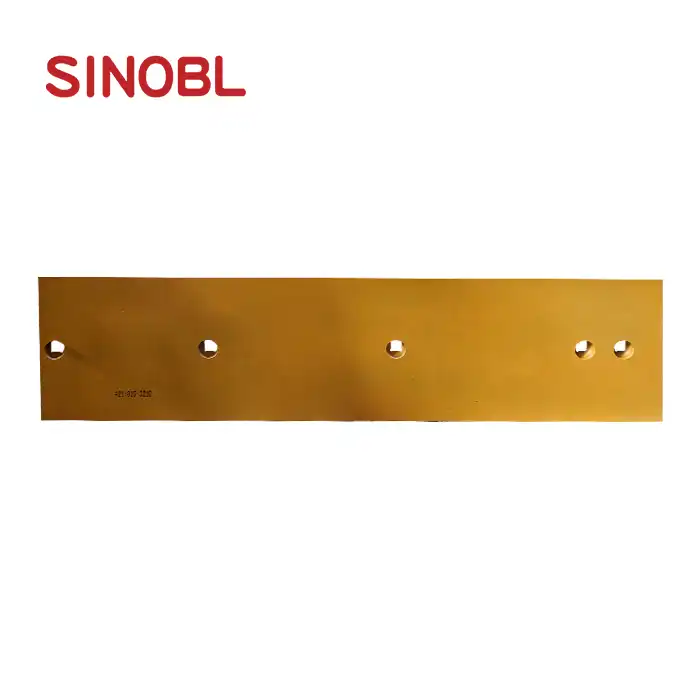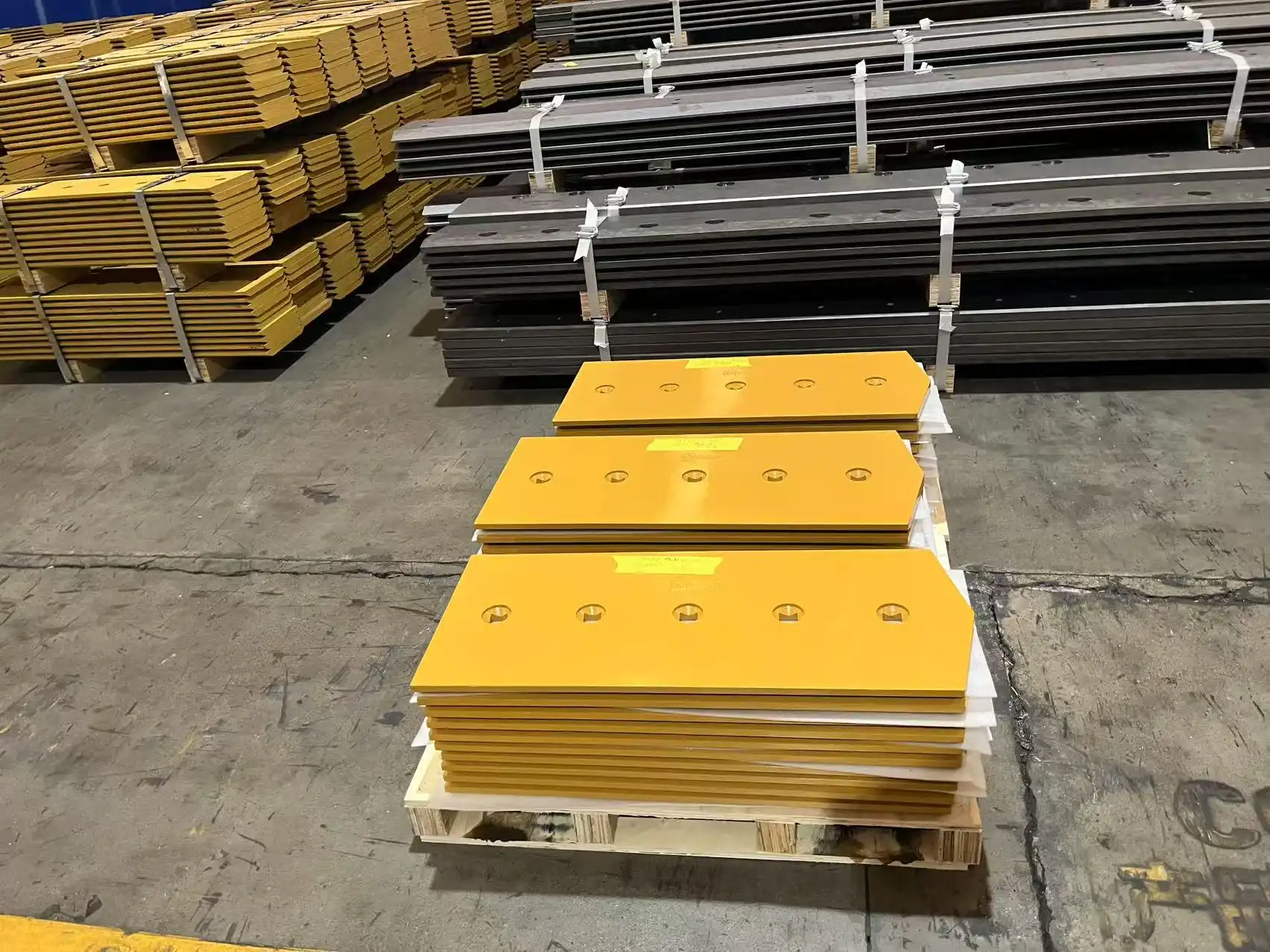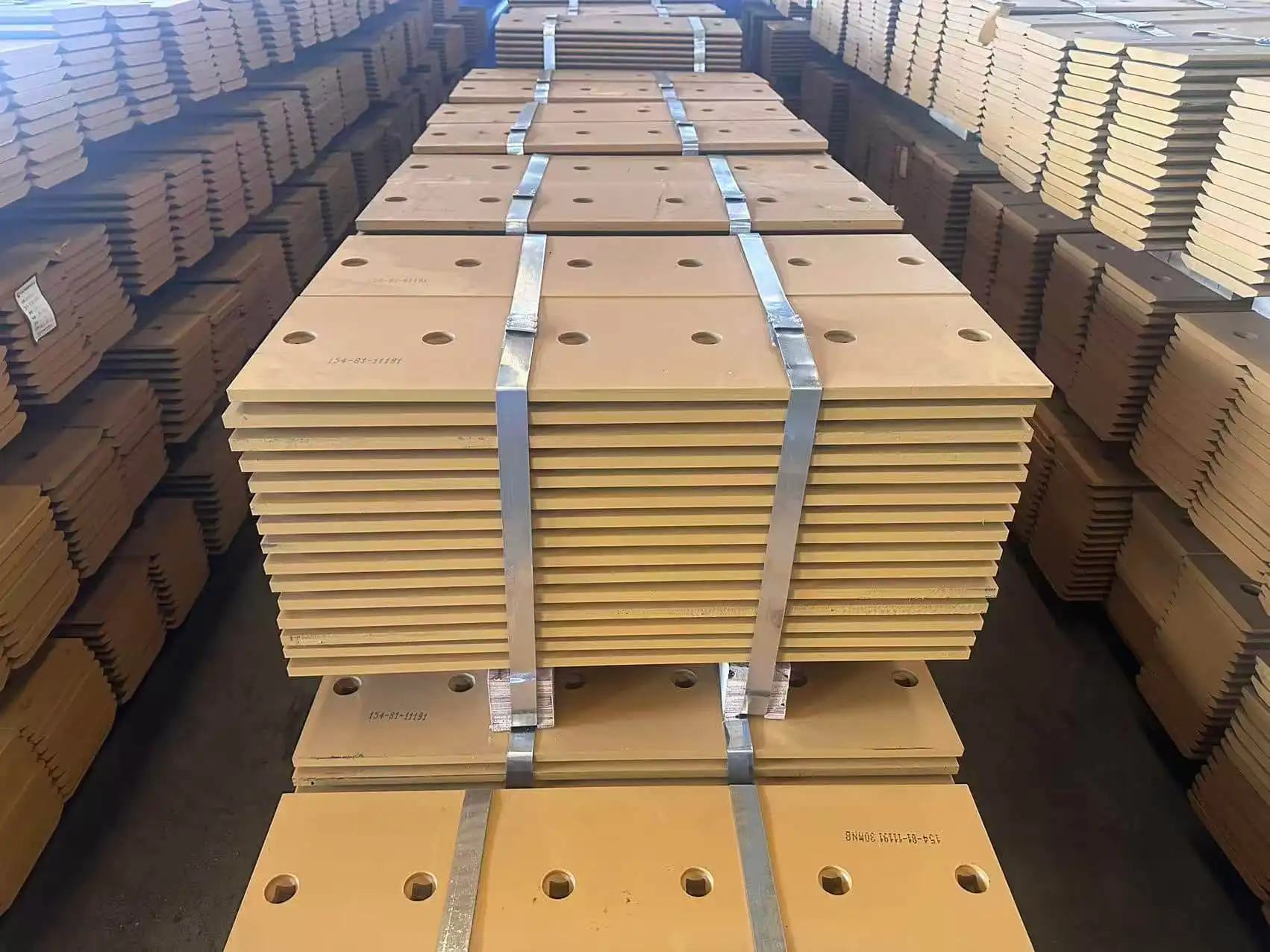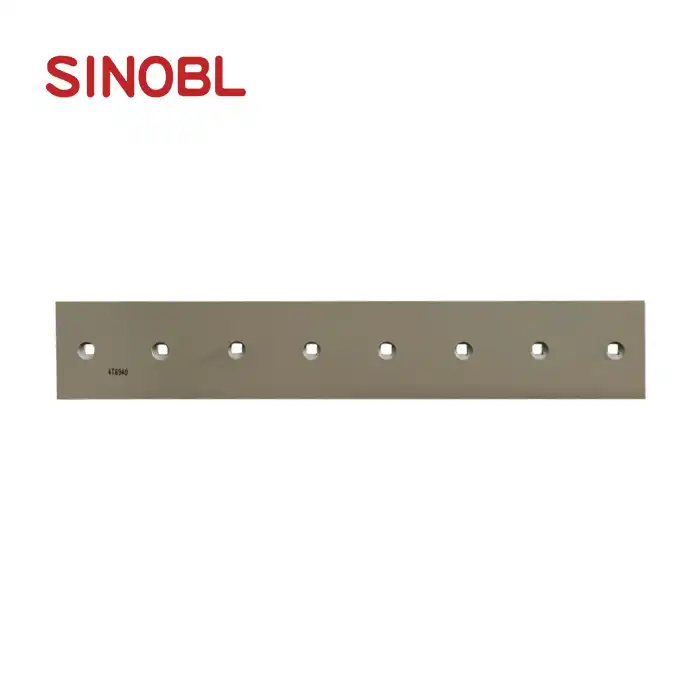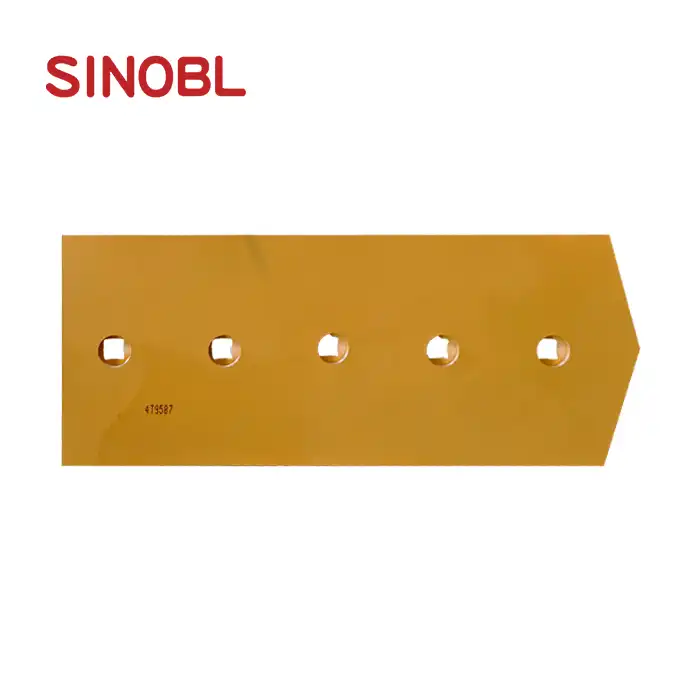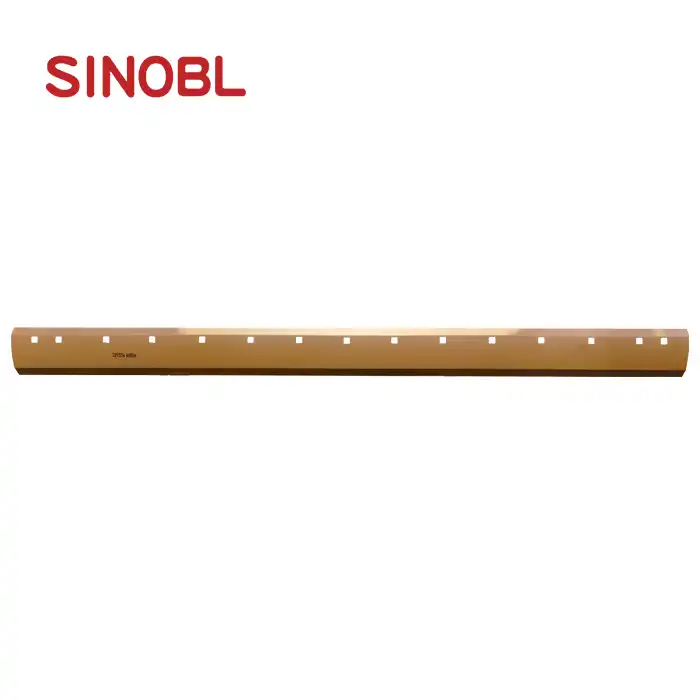

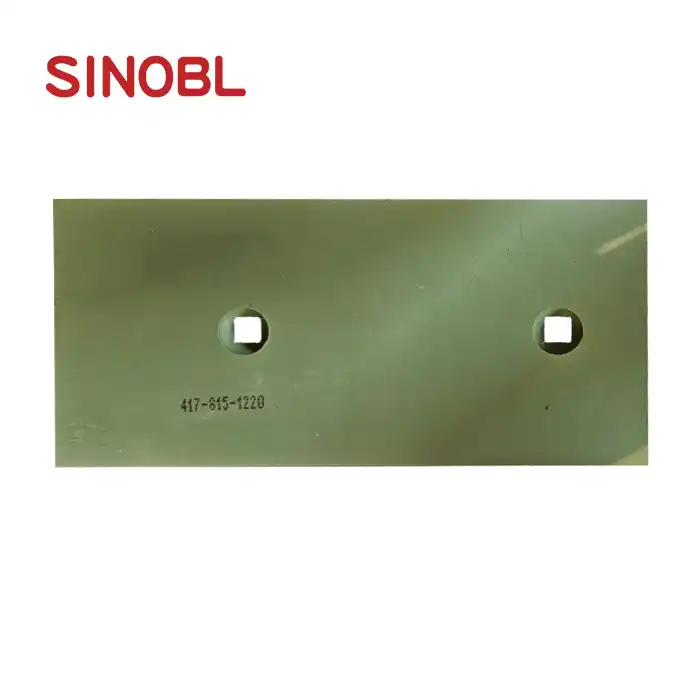
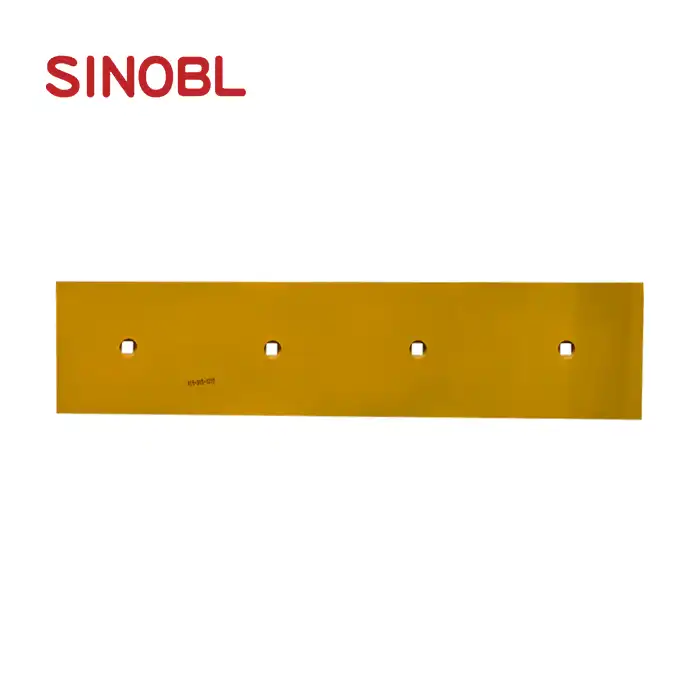
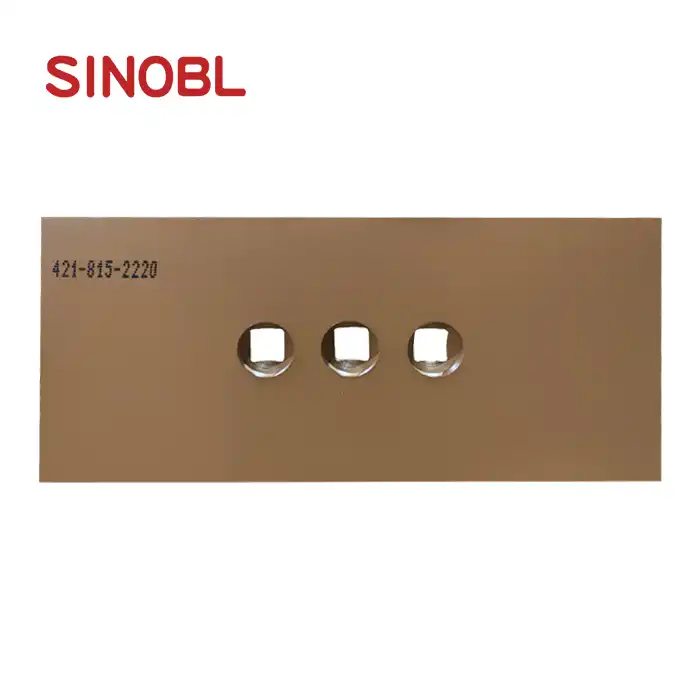
The Dozer Edge-Cutting 11082664 represents a crucial component in heavy machinery operations, engineered with premium steel alloys that undergo specialized heat treatment processes to achieve optimal performance. These cutting edges feature high-carbon steel construction with advanced metallurgical processing that enhances wear resistance and extends operational lifespan. The material specifications include precise carbon content balanced with manganese and chromium elements, while the heat treatment involves controlled quenching and tempering cycles that create the ideal hardness-to-toughness ratio essential for demanding earthmoving applications.
Understanding the Material Specifications of Dozer Edge-Cutting 11082664
The material composition of dozer cutting edges directly impacts their performance in challenging field conditions. Our cutting edge components utilize high-grade steel alloys specifically formulated for maximum durability and wear resistance. The chemical composition forms the foundation of superior performance characteristics. Here are the key material specifications that set our products apart:
- Carbon Content: Optimized carbon levels between 0.45-0.55% provide the perfect balance of hardness and machinability, ensuring the blade maintains its cutting edge while resisting brittleness during impact operations.
- Manganese Enhancement: Manganese content ranging from 1.2-1.6% improves hardenability and contributes to overall toughness, allowing the cutting edge to withstand shock loads common in bulldozer applications.
- Chromium Addition: Strategic chromium incorporation enhances corrosion resistance and improves wear characteristics, extending service life in abrasive soil conditions.
- Silicon Strengthening: Silicon content aids in deoxidation during steel production and contributes to strength enhancement, resulting in more reliable performance under stress.
These carefully controlled material specifications ensure that each cutting edge delivers consistent performance across various operating conditions. The mechanical properties include tensile strength exceeding 120,000 PSI and yield strength above 100,000 PSI, providing the structural integrity needed for heavy-duty applications.

The Role of Heat Treatment in Enhancing Dozer Edge-Cutting 11082664
Heat treatment processes transform raw steel into high-performance cutting edges through precise temperature control and timing. The metallurgical transformation that occurs during heat treatment determines the final properties of the finished product. Our advanced heat treatment facility employs multiple stages to achieve optimal material characteristics. The process begins with normalization, where the steel is heated to approximately 1650°F to refine the grain structure and eliminate internal stresses from forging operations. This step creates a uniform microstructure that serves as the foundation for subsequent treatment phases. The quenching process represents the most critical phase in heat treatment. We heat the cutting edges to austenitizing temperatures around 1550°F, then rapidly cool them using controlled quenching media. This rapid cooling transforms the austenite into martensite, creating the hard structure necessary for wear resistance. Our quenching systems maintain precise temperature control within ±10°F to ensure consistent results across production batches. Tempering follows quenching to reduce brittleness while maintaining hardness levels. The tempering temperature typically ranges from 400°F to 600°F, depending on the specific hardness requirements. This process allows some of the hard martensite to transform into tempered martensite, which provides an optimal combination of hardness and toughness. Quality control measures include hardness testing using Rockwell C scale, with target values typically between 38-45 HRC. Metallographic analysis confirms proper microstructure development, while impact testing validates toughness characteristics. These comprehensive testing protocols guarantee that every cutting edge meets our stringent performance standards.
Installation and Maintenance Tips for Maximizing the Lifespan of 11082664
Proper installation and maintenance practices significantly influence the operational lifespan of bulldozer cutting edges. Understanding these procedures helps maximize return on investment while ensuring optimal performance throughout the service cycle. Compatibility verification represents the initial step in successful installation. The cutting edge dimensions must align precisely with the bulldozer blade specifications, including bolt hole patterns and mounting surface geometry. Mismatched components can lead to premature failure and reduced operational efficiency. Installation procedures require attention to detail and proper torque specifications. The mounting bolts should be tightened to manufacturer-recommended torque values, typically ranging from 150-200 ft-lbs depending on bolt size. Proper torque ensures secure attachment while preventing stress concentrations that could lead to cracking or loosening during operation. Regular maintenance protocols extend service life significantly. Visual inspections should occur every 50 operating hours to identify early wear patterns or damage indicators. Key inspection points include:
- Edge Wear Assessment: Monitor cutting edge thickness and profile changes, replacing components when wear reaches 50% of original thickness to maintain cutting efficiency.
- Crack Detection: Examine mounting areas and stress concentration points for hairline cracks that could propagate under load, leading to catastrophic failure.
- Bolt Condition: Verify mounting bolt tightness and condition, replacing any stretched or damaged fasteners to maintain secure attachment.
- Alignment Verification: Check cutting edge alignment relative to the blade to ensure even wear distribution and optimal cutting performance.
Proper maintenance scheduling prevents unexpected downtime and reduces total ownership costs. Implementing these practices ensures that the heat-treated material properties are fully utilized throughout the component's service life.

Comparing Dozer Edge-Cutting 11082664 with Alternative Solutions
Market analysis reveals significant variations in cutting edge quality and performance characteristics among different manufacturers and product lines. Understanding these differences helps procurement professionals make informed decisions based on total cost of ownership rather than initial purchase price alone. OEM versus aftermarket comparisons demonstrate notable differences in material quality and heat treatment rigor. OEM components typically utilize virgin steel with consistent chemical composition, while some aftermarket alternatives may employ recycled materials with variable properties. Our manufacturing processes follow OEM specifications while providing cost advantages through efficient production methods. Material composition variations affect performance significantly. Premium cutting edges feature controlled alloy content with precise carbon, manganese, and chromium levels. Lower-grade alternatives often sacrifice material quality to reduce costs, resulting in reduced wear life and higher replacement frequency. Independent testing shows that our heat-treated cutting edges provide 25-40% longer service life compared to standard alternatives. Heat treatment quality represents another critical differentiator. Professional heat treatment facilities maintain precise temperature control and employ quality verification procedures. Some manufacturers skip proper heat treatment to reduce costs, delivering products with inconsistent hardness and reduced durability. Our controlled heat treatment processes ensure uniform properties and predictable performance. Cost-benefit analysis reveals that premium cutting edges deliver superior value despite higher initial investment. Extended service life, reduced replacement frequency, and minimized downtime offset the initial cost difference. Customer feedback indicates that our cutting edges typically last 300-500 operating hours compared to 150-250 hours for economy alternatives, resulting in lower total ownership costs.
Company Introduction and Product & Service Information
Shanghai Sinobl Precision Machinery Co., Ltd. stands as a leading manufacturer of ground engaging tools and wear parts, serving the global construction and mining industries since 2011. Our 55,944 square meter manufacturing facility produces high-quality cutting edges, end bits, grader blades, and undercarriage components for major equipment brands. Our manufacturing capabilities include advanced forging processes, precision machining, and controlled heat treatment facilities. The production capacity reaches 2,500 tons per month for cutting edges and end bits, while our segment manufacturing capability produces 40,000-50,000 pieces monthly. This substantial capacity ensures reliable supply for both OEM and aftermarket customers worldwide. Quality control systems encompass incoming material inspection, in-process monitoring, and final product testing. We maintain over 3,000 tons of inventory for immediate shipment, reducing lead times and supporting customer production schedules. Our technical team provides application support and customization services to meet specific operational requirements. The company offers comprehensive OEM and ODM services, allowing customers to customize dimensions, specifications, colors, and packaging. Our engineering team collaborates with clients to develop specialized solutions for unique applications, ensuring optimal performance in specific operating conditions.

Frequently Asked Questions
Q1: How often should the Dozer Edge-Cutting 11082664 be inspected for wear?
A: Cutting edge inspection should occur every 50 operating hours or weekly, whichever comes earlier. Visual inspection helps identify wear patterns, cracks, or mounting issues before they lead to failure. Replace cutting edges when wear reaches 50% of original thickness to maintain cutting efficiency and prevent blade damage.
Q2: What specific heat treatment processes improve the blade's durability?
A: Our heat treatment process includes normalization at 1650°F, quenching from 1550°F, and tempering between 400-600°F. This controlled process creates optimal hardness levels of 38-45 HRC while maintaining toughness. The precise temperature control and timing ensure consistent material properties and extended service life.
Q3: Are the materials used in 11082664 compatible with all major dozer brands?
A: Yes, our cutting edges are manufactured to meet or exceed OEM specifications for major bulldozer brands including Caterpillar, Komatsu, John Deere, and others. The material composition and heat treatment processes ensure compatibility with original equipment performance standards while providing cost-effective replacement solutions.
Choose Sinobl for Premium Dozer Edge-Cutting 11082664 Solutions
Sinobl delivers exceptional value through advanced metallurgy and precision manufacturing processes that optimize Dozer Edge-Cutting 11082664 performance. Our commitment to quality begins with premium raw materials and extends through rigorous heat treatment procedures that ensure consistent durability and wear resistance. Our competitive advantages include extensive inventory management with over 3,000 tons of ready-to-ship products, reducing downtime and supporting urgent replacement needs. The manufacturing expertise gained through years of serving diverse industries enables us to anticipate customer requirements and deliver tailored solutions for specific applications.
As a trusted manufacturer and supplier, we provide comprehensive technical support throughout the product lifecycle. Our engineering team assists with proper selection, installation guidance, and maintenance recommendations to maximize component performance. The efficient production processes and quality control systems ensure reliable delivery of high-performance cutting edges that meet demanding operational requirements. Experience the difference that professional heat treatment and premium materials make in cutting edge performance. Contact us at nancy@sunmach.com.cn to discuss your specific requirements and receive detailed technical specifications. Our knowledgeable sales team will provide competitive quotations and delivery schedules that support your operational needs.
Conclusion
The Dozer Edge-Cutting 11082664 represents a sophisticated engineering solution that combines premium materials with advanced heat treatment processes to deliver superior performance in demanding applications. Understanding material specifications and heat treatment procedures enables informed decision-making that optimizes equipment performance while minimizing total ownership costs. Proper installation and maintenance practices maximize service life, while quality comparisons highlight the value of investing in professionally manufactured cutting edges. Sinobl's commitment to excellence ensures that customers receive reliable, high-performance products backed by comprehensive technical support and efficient delivery services.