
Complete Buying Guide for 040100050 Edges
Finding the right Dozer Edge-Cutting 040100050 for your heavy machinery operations requires careful consideration of multiple factors, including material composition, dimensional accuracy, and supplier reliability. This comprehensive guide examines the critical specifications, performance characteristics, and procurement considerations for part number 040100050 edges, helping procurement managers and equipment operators make informed purchasing decisions that optimize equipment performance while controlling operational costs.
Understanding 040100050 Edge Specifications
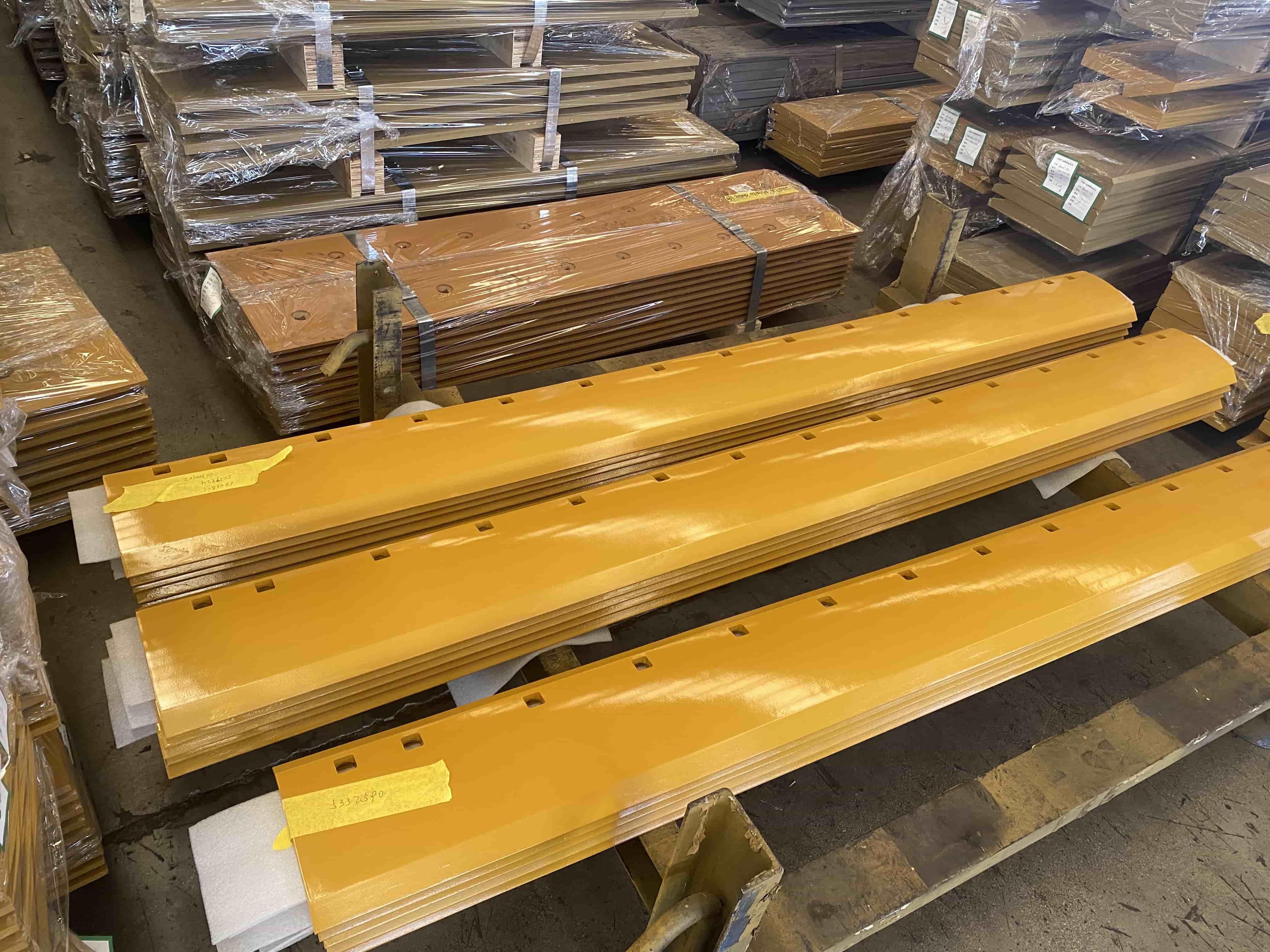
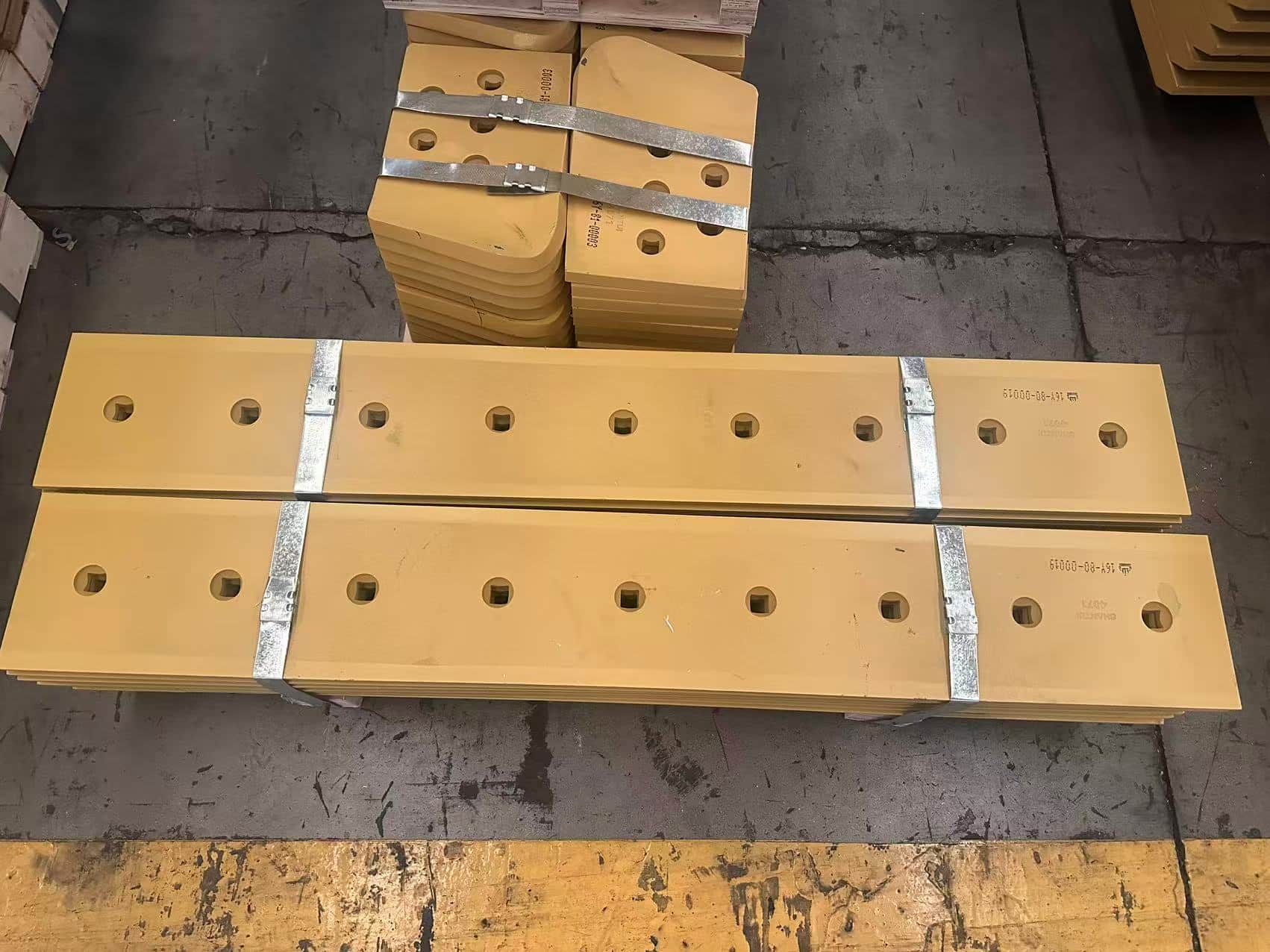
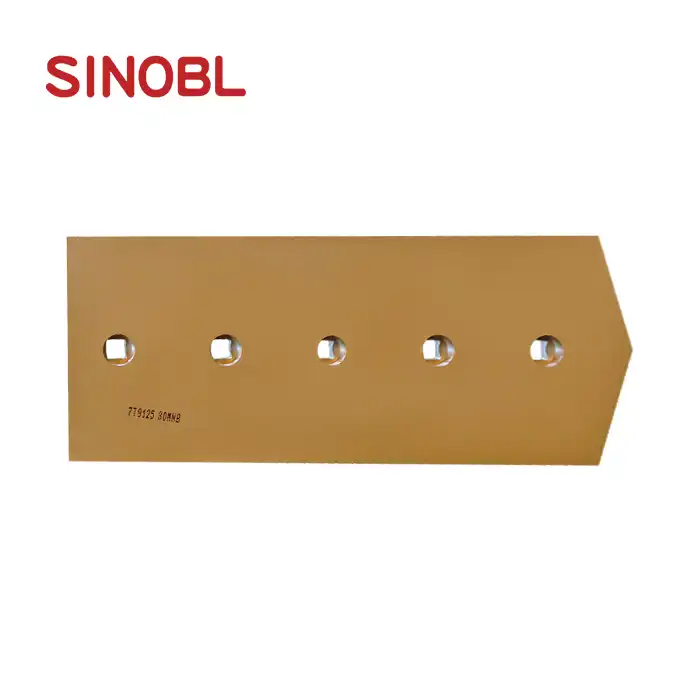
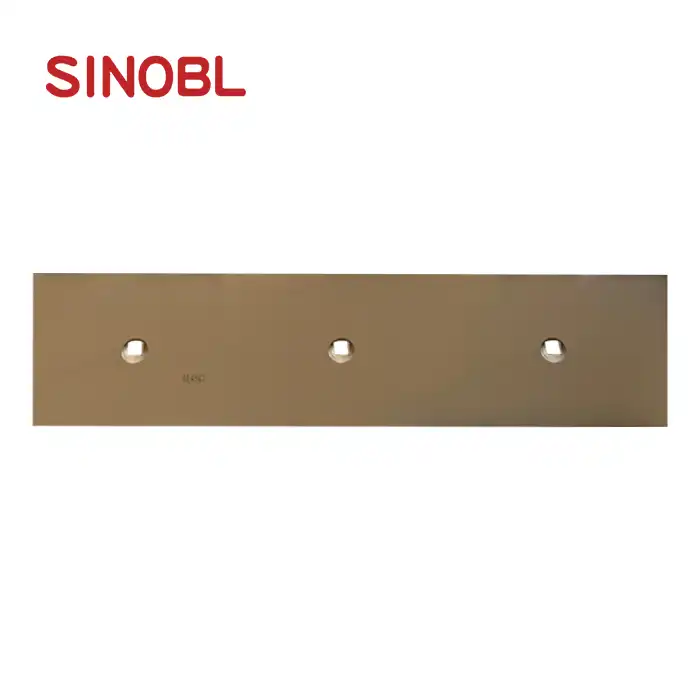
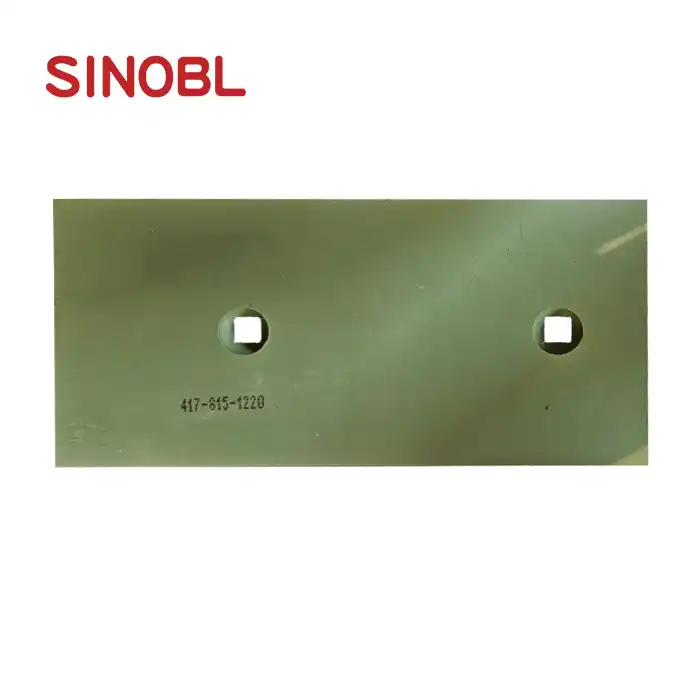
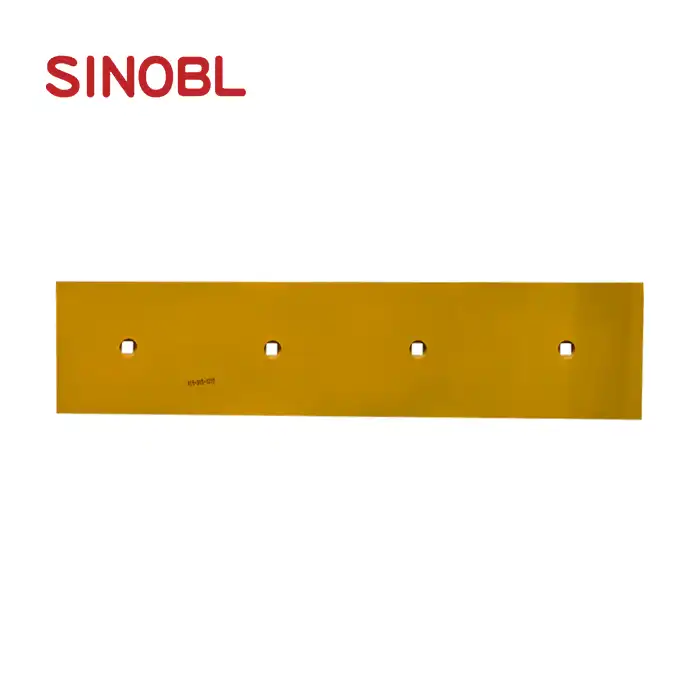
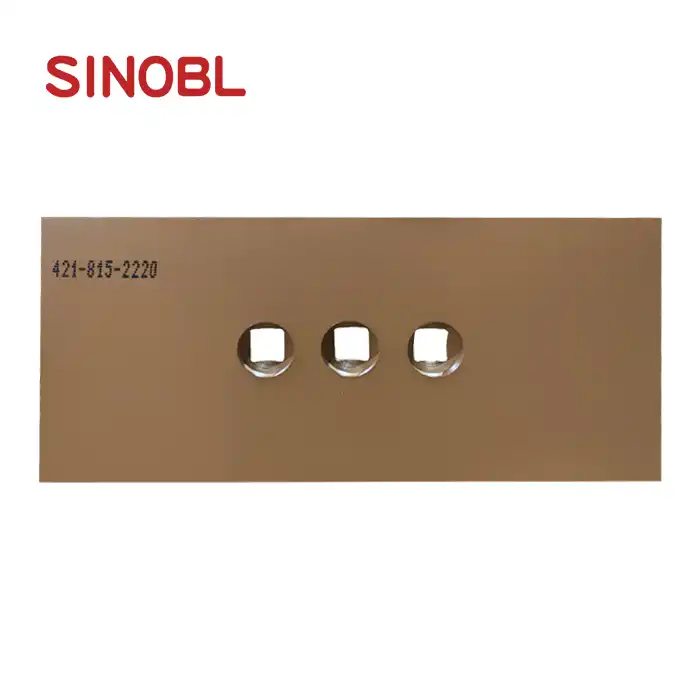
The 040100050 is a grader blade that was carefully created and manufactured to handle tough earthmoving tasks. This cutting edge is 19 inches long, 203.2 inches wide, and 1982 (3/4 inches) deep. It weighs 55.3 kilograms, which makes it very durable without making it hard to move. High-carbon steel and heat-treated boron steel are used to make the strong structure. This creates the perfect mix between strength and toughness. The choice of material is very important for edge performance. Heat-treated boron steel is more resistant to wear than regular steel, so it can be used for longer periods of time and replaced less often. For structures to be strong enough to resist the heavy loads that come from shovel work, land clearing, and grading, high-carbon steel is used. Perfect accuracy in measurements guarantees a good fit and the best cutting shape. The 3/4" thickness specifier means that the building is heavy-duty and can handle hard tasks where smaller edges would break too soon. These measures are the same as those used by the original equipment maker, so they will work with current machinery systems.
Performance Characteristics and Applications
Cutting edges on modern earthmoving tools need to stay sharp and not break down easily. The Dozer Edge-Cutting 040100050 works well in a wide range of situations, from rough mine conditions to rocky building sites. The designed shape improves fuel economy and lowers the amount of power needed for long activities by optimizing the flow of materials. Professionals in the construction industry use these edges for exact measuring tasks where the quality of the project depends on how smooth the surface is. The even spread of weight keeps the equipment from stressing out too much while still cutting through dense soils and waste quickly. The improved entry skills help mining companies move materials more efficiently in difficult geological circumstances. Teams that build and maintain roads depend on edges that work consistently to get the right crown shapes and drainage slopes. The strong construction can handle hits from rocks and other debris that are often found on building sites. In agriculture, it is used to prepare land, build drainage systems, and level fields, all of which need precise depth control. These cutting edges are used by waste management companies for dumping operations where mixed materials create very rough conditions. The heat-treated surface keeps cutting well even when it's constantly exposed to metal scraps, concrete chunks, and other tough materials that would wear down regular edges quickly.
Quality Standards and Manufacturing Excellence
Professional-grade cutting edges go through strict quality control steps that make sure they work the same way in every batch. Before production starts, advanced material testing checks the chemical makeup and mechanical qualities. Tight measurement limits are kept during precision machining, which ensures a good fit and the best cutting shape. To get the right amount of hardness without making the material rigid, heat treatment methods need to be carefully timed and controlled in terms of temperature. Professional metallurgists keep an eye on these steps to make sure that every edge meets the performance standards that have been set. During the whole production process, multi-stage testing methods check the accuracy of the dimensions, the finish on the surface, and the qualities of the material. International quality standards set the rules for production, and getting ISO 9001:2015 approval shows that you are committed to managing quality in an organized way. CE certification makes sure that safety and environmental rules in Europe are followed, and RoHS certification proves that responsible material selection practices are used to limit the use of harmful substances. Standardized abrasion tests that mimic real-world conditions are used by a third party to verify claims of wear resistance. These reviews give objective performance data that helps with choices about purchases and figuring out ongoing costs. Each package comes with high-quality paperwork that makes it possible to track it and support the guarantee.
Installation and Maintenance Considerations
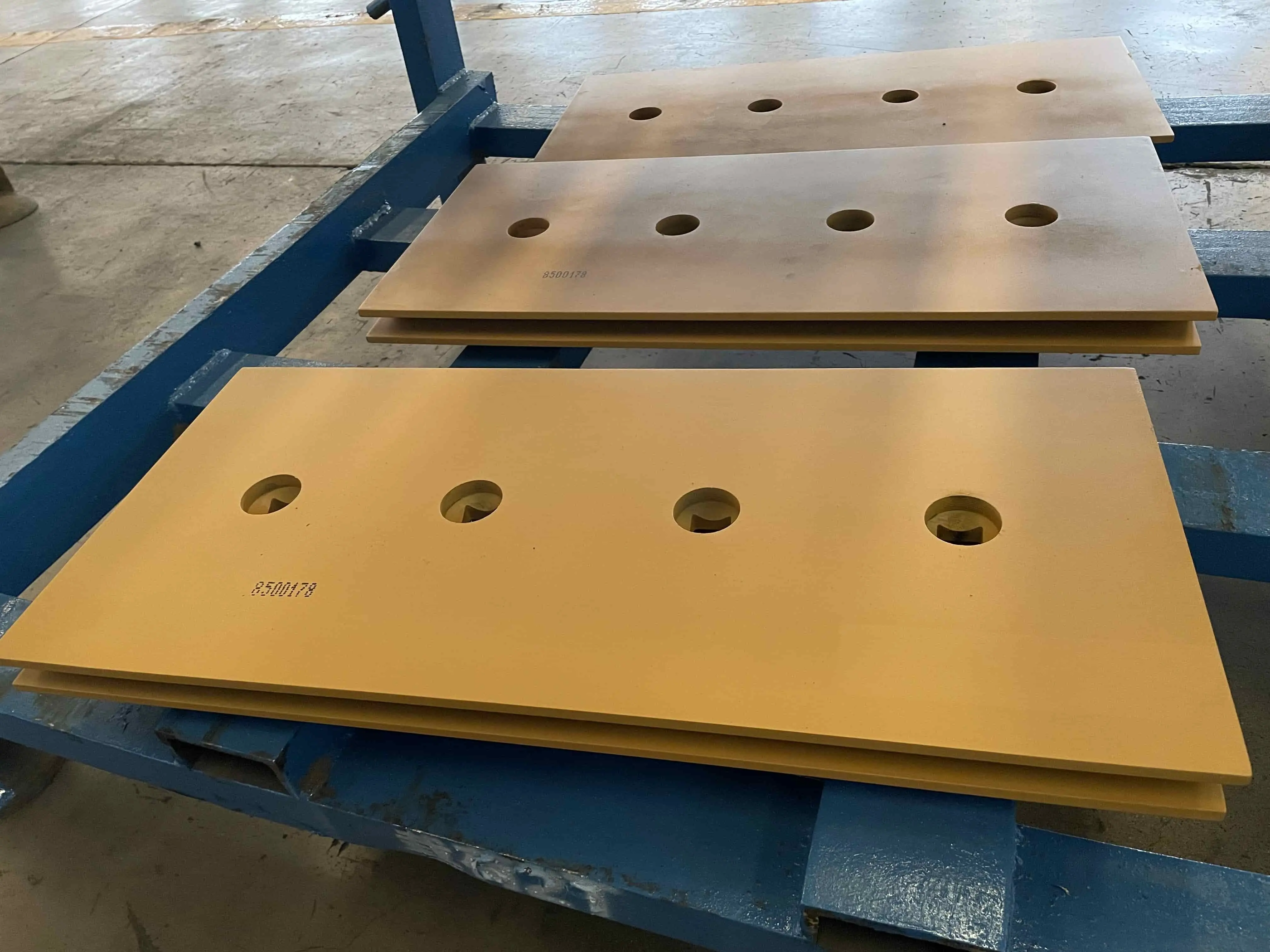
When you attach a Dozer Edge-Cutting 040100050 correctly, it works better and lasts longer. Before starting work, equipment operators should check the bolt torque specifications and carefully inspect all mounting hardware to ensure proper installation and prevent premature edge failure. If the fastening points are worn or broken, the edge may break too soon, which can be dangerous during operation. Setting up regular check times helps find wear patterns that point to problems with alignment or function. Uneven wear usually means that the equipment isn't set up right or that some parts are broken and need to be fixed. Watching how wear builds up lets you plan replacements ahead of time, which stops unexpected failures during important operations. The way new edges are stored keeps them from getting damaged by the surroundings. When things are stacked correctly, they don't bend, and protection coats keep rust to a minimum during long storage times. A system for managing inventory keeps track of how things are used, which helps with accurate planning and quick choices about what to buy. Training programs make sure that workers know how to use tools correctly to get the most out of their edges. Too much down pressure, the wrong ground speed, and the wrong cutting position all make wear worse and lower output. Skilled workers change their methods based on the dirt and the needs of the project. This improves both performance and the life of the parts.
Cost Analysis and Economic Benefits
When you look at the initial purchase price, service life, and how often you need to repair an edge, lifecycle cost analysis gives you the truest picture of its value. Although premium materials cost more up front, they often provide better total value through longer service times and higher output. The costs of downtime have a big effect on business economics. Unexpected fails that throw off project plans and raise labor costs are less likely to happen when edges are reliable. Quality parts mean less upkeep is needed, which means tools can keep working during key project stages. Optimized cutting shape and lower working loads lead to better fuel economy. Well-designed, sharp edges use less power to do the same amount of work, which saves fuel and lowers running costs. Fewer pollutants and less use of resources are good for the environment. Buying in bulk can lower unit costs and make sure there are enough items in stock. Long-term supply deals ensure availability and keep prices stable, which helps with accurate project cost estimates and bidding processes.
Supplier Selection and Procurement Strategy
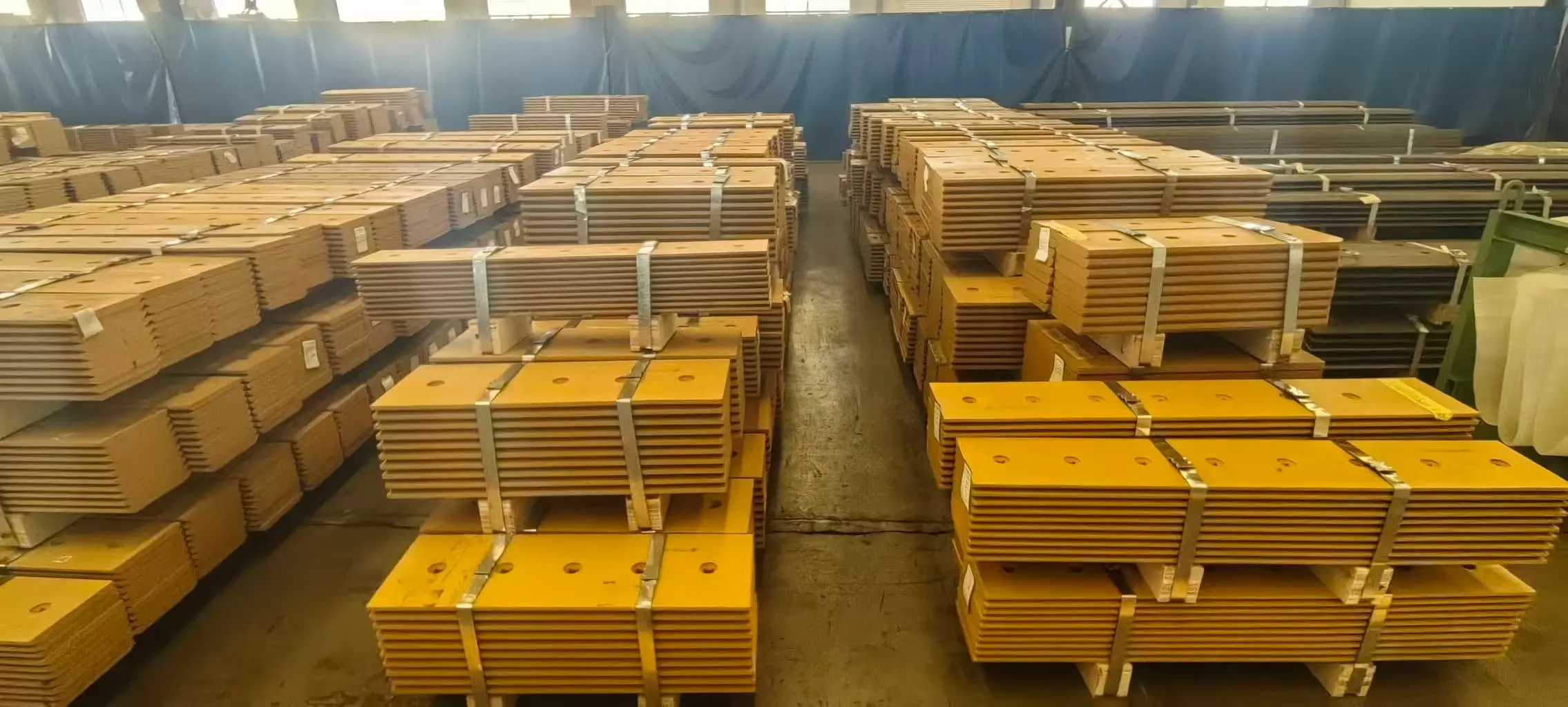
When evaluating a supplier for Dozer Edge-Cutting 040100050, you should examine their manufacturing capabilities, quality control processes, and customer service infrastructure. These factors ensure consistent product performance, reliable delivery, and technical support for heavy machinery operations. Newer companies that are just getting into the market are less reliable and don't have as much technology know-how as established companies that have been around for a while. The ability to meet pressing transport needs and support growth operations is based on production capacity. As part of technical support, they can help with application building, fixing, and making suggestions for improving efficiency. Technical staff who are knowledgeable about the problems help find answers for difficult applications and give useful information on how to make operations run more smoothly. Supply chain dependability makes sure that products are always available, even when the market changes or production stops. Multiple production sites and various supply networks make it easier to get products to customers when there are problems in the region. Inventory management tools keep track of which parts are available and give exact estimates of when they will arrive. Customization features let you make solutions that fit your specific needs. Manufacturers who are flexible can change the size, material, or finish of a product to meet specific operating needs. Equipment sellers and service providers who need named new parts can use OEM naming choices.
Conclusion
Selecting the right Dozer Edge-Cutting 040100050 requires evaluating material composition, dimensional accuracy, and supplier reliability. With high-carbon and heat-treated boron steel, it offers excellent wear resistance, durability, and efficient cutting performance across construction, mining, and roadwork applications. Precision manufacturing ensures OEM compatibility, while proper installation and maintenance extend service life. Lifecycle cost analysis highlights long-term value through reduced downtime and improved fuel efficiency. Partnering with reliable suppliers guarantees consistent quality, technical support, and optimized procurement outcomes for heavy equipment operations.
Contact SINOBL for Premium Dozer Edge-Cutting 040100050 Solutions
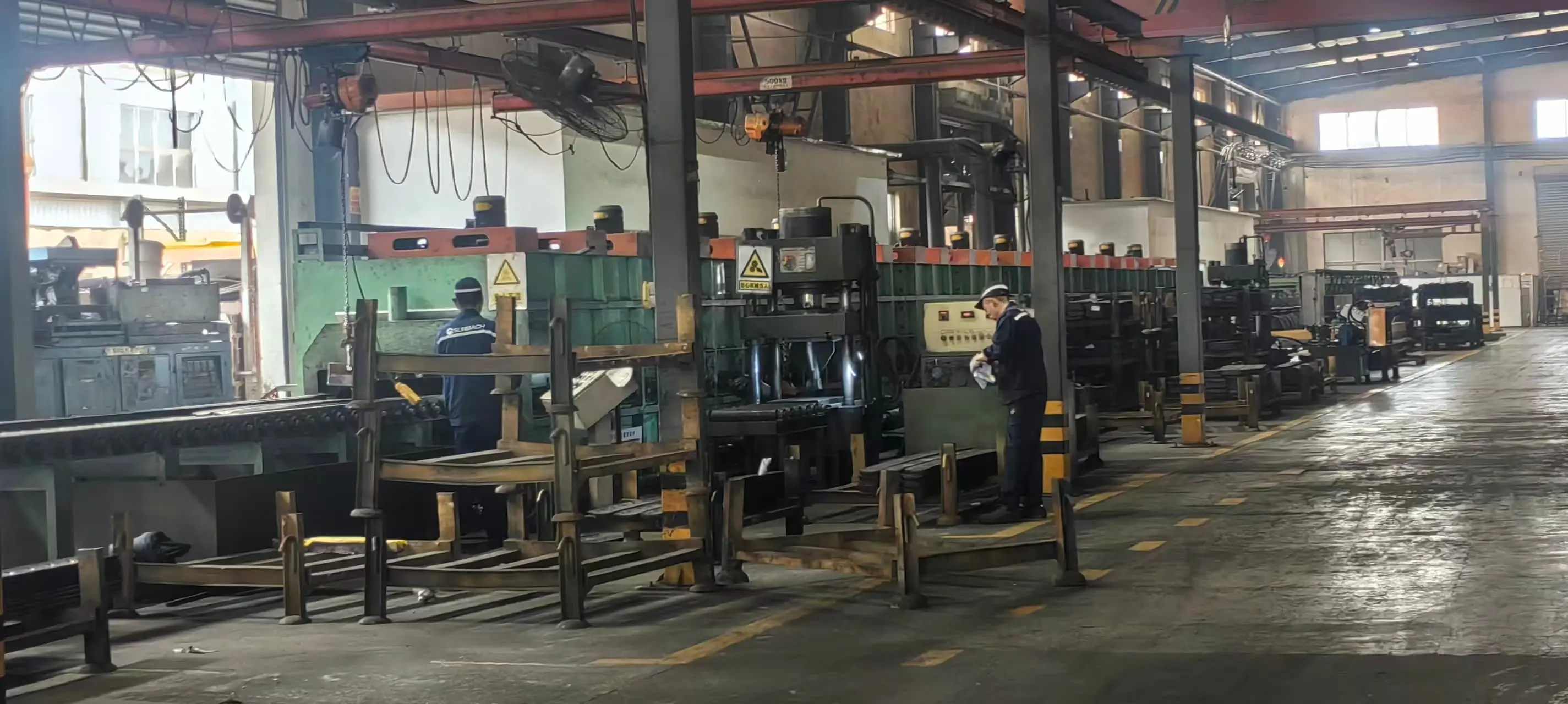
SINOBL stands as your trusted Dozer Edge-Cutting 040100050 manufacturer, delivering precision-engineered solutions backed by ISO 9001:2015 certification and over 15 years of industry expertise. Our advanced manufacturing capabilities produce 2,500 tons monthly, ensuring a reliable supply for your critical operations. Contact nancy@sunmach.com.cn today to discuss your specific requirements.
References
1. International Journal of Mining Engineering, "Wear Resistance Analysis of Heat-Treated Boron Steel in Earthmoving Applications," Vol. 45, 2023.
2. Heavy Equipment Maintenance Quarterly, "Lifecycle Cost Optimization for Construction Machinery Components," Spring 2023 Edition.
3. Society of Mining Engineers Proceedings, "Material Selection Guidelines for Extreme Wear Applications in Surface Mining," Annual Conference 2022.
4. Construction Equipment Technology Review, "Quality Standards and Testing Protocols for Heavy Machinery Wear Parts," Issue 3, 2023.
5. Industrial Materials Science Journal, "Metallurgical Properties of High-Carbon Steel Alloys in Abrasive Environments," Vol. 78, 2023.
6. Equipment Management Association Handbook, "Procurement Best Practices for Heavy Machinery Components," 8th Edition, 2023.